This is one of the biggest decisions people face when starting van life. Should you build it yourself or go with a professional setup?
We've worked with both. We've also repaired a lot of DIY vans after the fact. The right choice depends less on preference and more on time, skill, and how you plan to use the van.
What is a DIY Van Conversion?
A DIY van conversion means you design and install everything yourself.
That includes:
-
Layout
-
Electrical system
-
Plumbing
-
Storage and finishes
It gives you full control, but also full responsibility.
What is a Professional Van Conversion?
A professional conversion is completed by an experienced company with proven systems and layouts.
This usually includes:
-
Integrated electrical and water systems
-
Tested layouts
-
Structured installation process
-
Ongoing support
At The Vansmith, the focus is on systems that work reliably over time, not just at delivery.
DIY Van Build
Pros
Cost-effective: DIY builds typically cost less upfront since you are not paying for labor.
Customizable: You can design the layout exactly how you want.
Fun and rewarding: For many, the process itself is part of the experience.
Cons
Requires significant time and skill: Most builds take longer than expected, especially without prior experience.
Risk of mistakes: Electrical, plumbing, and structural errors are common.
No guaranteed quality or safety: Everything depends on your execution.
Best For
-
People with hands-on skills
-
Those who enjoy learning and building
-
Travelers with flexible timelines
Professional Camper Van Conversions
Pros
High-quality workmanship: Systems are installed correctly and consistently.
Customized design: Layouts are tailored to real use cases.
Guaranteed safety and functionality: Critical systems are tested and reliable.
Warranty included: Support continues after delivery.
Cons
Higher upfront cost: You pay for experience, labor, and long-term reliability.
Best For
-
Full-time travelers
-
People with limited time
-
Those who want a reliable, ready-to-use van
Key Considerations Before Choosing
Budget
DIY is cheaper upfront.
Professional setups cost more but often reduce long-term fixes.
Time
DIY takes weeks or months.
Professional builds follow a more predictable timeline.
Skills
DIY requires:
-
Carpentry
-
Electrical knowledge
-
Problem-solving
Professional setups require none of these from you.
Alternative (Hybrid Approach)
Many people combine both.
They:
-
Handle simple interior work themselves
-
Leave critical systems to professionals
This often leads to better results.
How to Decide: DIY or Professional Van Conversion
Based on the budget
If the budget is tight, DIY is usually the starting point.
Based on Time Availability
If you need the van quickly, a professional is the better option.
Based on Skill Level
If you are new to electrical or structural work, DIY becomes more challenging.
Based on Travel Goals
For short trips, DIY can work well.
For long-term or off-grid travel, reliability becomes more important.
Who Should Choose DIY vs Professional Conversion
Choose DIY Conversion If You:
-
Have a limited budget
-
Possess or want to learn hands-on skills
-
Have significant time available
-
Want full control over design
-
Enjoy the process of building
-
Have access to workspace and tools
Choose Professional Conversion If You:
-
Value time over money
-
Need high-quality and safe
-
Lack specific technical skills
-
Care about resale value
-
Want warranty and support
-
Prefer a hassle-free process
Key Decision Factors
|
Factor |
DIY |
Professional |
|
Cost |
Lower (materials and tools) |
Higher (labor and expertise) |
|
Time |
Slow and variable |
Faster and structured |
|
Skill Level |
High |
None required |
|
Quality |
Depends on skill |
Consistent and reliable |
|
Resale |
Often lower |
Stronger resale value |
Hybrid Approach: DIY + Professional
What You Can DIY
-
Interior finishes
-
Storage solutions
-
Non-critical design elements
What to Leave to Professionals
-
Electrical systems
-
Plumbing systems
-
Structural installations
Best Hybrid Strategy
Start with professional systems, then add personal touches over time.
This reduces risk while still allowing flexibility.
Van Build Systems You Should Not Ignore
Electrical and Power Systems
Poor electrical work can lead to:
-
System failure
-
Safety risks
-
Difficult troubleshooting
Plumbing and Water Setup
Leaks and poor routing can cause long-term damage.
Insulation and Ventilation
These affect:
-
Comfort
-
Moisture control
-
Long-term durability
Weight Distribution and Safety
Improper weight balance impacts:
-
Handling
-
Braking
-
Overall safety
The Benefits of a DIY Van Build
- Cost Savings: One of the most significant advantages of a DIY van build is the potential for cost savings. By sourcing your own materials and doing the labor yourself, you can often save a substantial amount of money compared to hiring professionals. Just remember that major systems like electrical and propane must still meet vehicle and RV safety standards recommended by organizations such as the National Highway Traffic Safety Administration (NHTSA).
- Customization: Building your van allows for complete customization. Every decision, from the layout to the materials, is in your hands. This level of control can result in a van conversion that perfectly suits your needs and preferences.
- Learning Experience: Taking on a DIY van build can be a rewarding learning experience. You'll gain valuable skills in carpentry, electrical work, plumbing, and more. The sense of accomplishment from creating your own mobile home is unmatched.
- Flexibility: With a DIY approach, you can work on your van at your own pace. This flexibility can be especially beneficial if you have a busy schedule or prefer to spread the costs over time.
The Drawbacks of a DIY Van Build
- Time-Consuming: Building a van from scratch is a time-intensive process. For those with limited time, this can be a significant drawback. Professional builders like The Vansmith can complete a build much faster, allowing you to hit the road sooner with a turnkey camper van conversion.
- Skill Requirements: A high level of skill is required to build a functional and safe van. Mistakes in electrical wiring, plumbing, or insulation can lead to costly repairs or safety hazards. (NHTSA) Without prior experience, the learning curve can be steep.
- Workmanship: While you can save money with a DIY build, it's challenging to match the craftsmanship offered by professional builders. And doing it yourself does not come come with peace of mind that comes with the Vansmith's warranty.
- Support and Resources: When building a van yourself, you might not have access to the same level of support and resources that a professional builder provides. The Vansmith not only delivers high-quality builds but also offers guidance and expertise throughout the process, ensuring your van conversion meets all your needs.
Final Thoughts
DIY vs professional custom van conversion is not about which is better. It is about what fits your situation.
From what we've seen:
-
DIY works when you have time, skills, and patience
-
A professional builds work when you want reliability and long-term performance
At The Vansmith, we focus on vans that hold up over time. Whether you start with a professional setup or take a hybrid approach, the goal is the same. A van that works every day without constant fixes.
FAQs:
Is a DIY van build cheaper than hiring a professional van conversion company?
A DIY van build can be significantly cheaper because you're sourcing materials yourself and doing all the labor. Just remember to factor in the cost of tools, mistakes, and any rework if something isn't done right the first time.
What are the main benefits of doing my own van build?
The biggest benefits are cost savings, full control over customization, and the chance to learn new skills like carpentry, electrical work, and plumbing. You can also work at your own pace and spread out expenses over time.
What are the risks or downsides of a DIY van build?
DIY van builds are very time-consuming and require a high level of skill to be safe and functional. Mistakes in areas like electrical wiring, plumbing, or insulation can lead to safety hazards or expensive repairs down the road.
How does a professionally built van built by The Vansmith compare to DIY?
The Vansmith offers a level of craftsmanship that's hard to match on your own, along with a warranty that gives you peace of mind. Their team focuses on blending form and function, using high-quality parts and thoughtful design so your rig feels like a true home on wheels. If you want to see what that looks like in practice, explore our Mercedes Sprinter camper van builds and Ford Transit camper van conversions.
How do I decide between a DIY van build and hiring professionals?
Think about your budget, timeline, and skill level, as well as how comfortable you are learning complex systems like electrical and plumbing. If you value speed, expert craftsmanship, and support, a professional camper van build like The Vansmith may be the better fit; if you enjoy hands-on projects and have time to spare, a DIY camper van project could be rewarding.
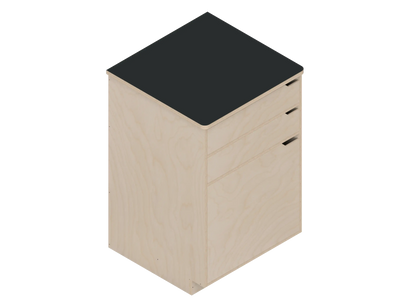
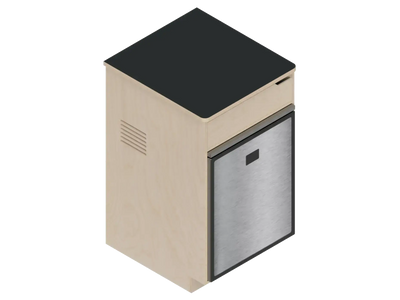
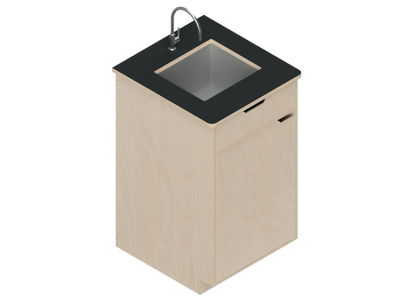
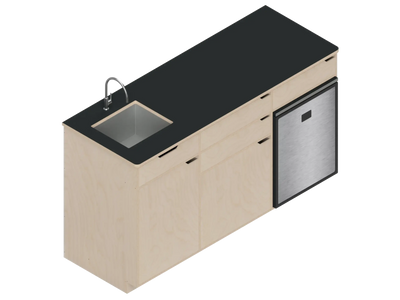
If you are leaning toward DIY, explore our professional-grade DIY van conversion kits. Every component is built in our Boulder shop using the same materials and quality standards as our full builds.
About the author

Eugene Smit
CEO
Eugene is the CEO of The Vansmith, based in Boulder, Colorado. He writes across topics related to van builds, ownership, and the camper van industry.
Read more about Eugene