By Caleb — Head Van Designer — 2025-12-09
Quick verdict — Which van life shower is right for your van life setup?

If you’re searching for a solid van life shower, think about how often you’ll shower and the weather you travel in. Decide if you want the shower inside the van or mounted outside. A small solar bag or simple rinse is fine for weekend trips.
For daily use, we suggest a pumped 12V system with an inline heater or a small onboard tank + electric heater. From our builds and road testing, those options balance flow, heating, and ease of winter prep.
These options keep weight and setup simple for a van build, making sure you have a useful and easy‑to‑run shower setup.
Types of outdoor shower systems (how they work and real‑world pros/cons)

Portable gravity & solar bag showers
What they are: 5–20L bags or small can rigs that sit in the sun to warm water or provide simple flow. Good for quick rinses and very light setups.
Pros: Cheap, zero electric draw, simple. Cons: Low flow, uneven hot water, poor for cold weather. I’ve suggested a solar bag to weekend campers more than once — it’s very handy for quick sandy rinses but not a daily fix.
12V pump + inline (tankless/on‑demand) water heater
How it works: A 12V pump pushes water from your fresh water supply; a small inline tankless heater (12V or 120V via inverter) warms water on demand. This setup gives almost‑shower comfort with a fairly small footprint.
Power note: Expect 60–150 W draw for pumps and 500–1,500 W for plug‑in heaters (tankless). (Car and Driver) Plan your power bank + power box to cover peak heater draw or choose a propane instant heater for lower power demand.
Propane/instant water heaters
These give strong flow and hot water without heavy inverter loads, but need safe venting and space. They’re a top pick when you need steady hot water in cold weather—watch CO safety and setup clearances.
Built‑in tank + small onboard electric heater (12V/120V)
Onboard tanks with a small plug‑in or 12V heater are easy to use and safe inside a wet‑bath layout. They add weight and need space but make plumbing easier and avoid high surge currents if sized right.
RV‑style internal wet baths vs external mounted showers
Build tradeoffs: A full wet‑bath gives year‑round comfort and privacy but costs space. An outside mounted shower saves inside space and can be simpler to care for—pick based on how big a deal a any‑weather bathroom is to your way of living.
Enclosures and privacy solutions that actually work

Pop‑up shower tents
Best for now‑and‑then use: lightweight and fast to set up. Anchor with guy lines or sandbags for wind; ensure vents to avoid moisture build‑up.
Folding/fabric privacy screens
Quick to deploy around the van’s curbside—good for stealth parking and campgrounds.
Permanent fold‑down enclosures & DIY mounting frames
Use boat‑grade metal and stainless bolts; secure to strong ribs or floor rails, and ensure hole seals with matching butyl or marine sealant. This approach is ideal for custom campervans, whether you're working on a sprinter van conversion or a transit van build.
Plumbing, mounting, and installation best practices
Water source options
Common sources: jerry can, onboard fresh water tank, or city hookup. For mounted outside showers plan a fill port that’s easy to reach—putting it near the kitchen or side door cuts routing length.
Hot water routing & insulating lines
Cut down open runs. Wrap with closed‑cell foam and think about heat tape for lines that stay open in cold weather. Use PEX or strong hose rated for your pressure and heat range.
Drainage & gray‑water management
Options include a small gray tank or direct dump to campground bathrooms. By law and basic trail rules, always spread gray water where it’s allowed—use eco‑safe soap and avoid dumping near water sources. A common small gray tank size for van showers is 20–40L.
Mounting an exterior shower unit
Fasten to strong points—frame rails, beefed‑up body studs, or a roof rack crossbar. Use stainless hardware, backing plates, and extra seal layers. After any hole, pressure‑test for leaks and inspect after the first few drives.
Electrical needs
Match pump and heater draws to your house power bank and charging plan. For instance, a 12V pump (4–8 A) + 500 W tankless heater (if plug‑in) will need a 1500–2000 W inverter for safe running. Think about propane instant heaters to avoid large inverter sizing.
Winterizing outdoor showers (and keeping them usable in shoulder seasons)
Freezing is the biggest enemy. Key tactics that work in the field:
- Drain and blow out lines after use (air compressor or pump reverse).
- Install heat tape on exposed lines and tanks where practical.
- Move valves and flexible fittings inside cabinetry when possible.
- Use insulated covers for tanks and a heated tent or indoor warm‑water rinse for quick use days.
Temporary winter setups
Insulated pop‑up tents with a small safe heater (rated for outdoor use & never left alone) can extend your shoulder‑season shower window. For frequent cold‑weather use, favor an inside wet‑bath or propane instant heater built for low temps. When in doubt, plan for easy draining and quick take‑apart so a sudden freeze won’t ruin fittings.
Real‑world build examples and cost/time estimates
Three starter builds to match different needs:
- Budget rinse kit — Portable solar bag + privacy tent. Parts: solar shower bag, quick‑connect hose, folding shower mat. Cost: $40–$120. Install time: 10–30 minutes. Best for weekend users.
- Balanced mid‑level — Mounted 12V pump + 1.5–3L inline tankless heater or small tank + 12V electric heater, side‑mounted shower head and folding privacy screen. Parts & electrical: pump, heater, small tank or jerry can, wiring, fittings. Cost: $2–$3. Install time: 4–12 hours (DIY) or one day shop install.
- Full conversion wet‑bath — Integrated freshwater tank, dedicated drain to gray tank, built‑in electric or propane heater, shower pan and foldable door. Cost: $4,000–$12,000 depending on materials and finish. Shop install: several days to a week.
Quick data snapshot:
| System | Typical cost | Use case |
|---|---|---|
| Solar bag | $40–$120 | Occasional rinse |
| 12V pump + inline | $2–$3 | Regular van life |
| Integrated wet‑bath | $4k–$12k | All‑season comfort |
Maintenance, safety, and sustainability
Anti‑microbial tips & filters
Use inline dirt and carbon filters on fresh water inlets and flush your system now and then. Run a vinegar flush every few months in plastic lines to control buildup.
Propane & electrical safety
Install CO and propane alarms, keep propane gear vented per maker specs, and have a trained tech check any propane heater before winter. Check power connections, fuse sizing, and wiring routing once a year.
To find the perfect shower solution for your van conversion, explore our services today.
Gray‑water minimization
Low‑flow shower heads (1.5–2.0 GPM) cut water use a lot. Think about stop‑gap rinse tricks (bucket rinse, quick lather) to reduce gray‑water amounts when camping off‑grid.
FAQ
Can I install an outdoor shower on a van myself, or do I need a pro?
Many outside shower setups (portable kits, mounted rinse showers, 12V pumps with inline heaters) are DIY‑friendly if you have basic plumbing and wiring skills. Major built‑in wet‑bath conversions, propane heater installs, or frame mounting to the van body are best handled by a pro or skilled builder. If you’re unsure, book a consult so we can scope the work and suggest a safe path.
How do I keep an outdoor shower from freezing in cold weather?
Drain lines after use, install heat tape on open runs, wrap tanks and valves, and where you can route plumbing through insulated cabinets. For steady cold‑weather showering, favor an inside wet‑bath or propane instant heater built for low temps.
Is a portable solar shower good enough for daily use?
Small solar bags are cheap and useful for now‑and‑then rinses but offer small amounts of hot water and low flow. For daily showers, a pumped 12V system or propane/instant heater gives better comfort and saves more energy.
What are my options for managing gray water from an outdoor van shower?
Use a small gray tank sized for your usual volume (20–40L common), dump at marked dump sites, or connect to campground sewer where available. Always use eco‑safe soaps and follow local rules for spread‑out camping.
Can a conversion van have an 'RV‑style' shower without taking up too much space?
Yes—small wet‑bath designs, folding shower trays, and upright storage let you fit an RV‑style shower in many vans. There are tradeoffs in storage and plumbing complexity; we can help lay out options that fit your chosen Sprinter or Transit floorplan.
Next steps
If you want advice fit to your van, travel style, and budget, we can help. Whether that’s a well‑rounded mid‑level mounted system or a full wet‑bath, we design real‑world setups that last and are easy to care for.
Ready to scope your build?
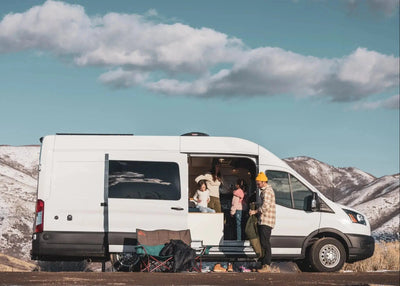
Book a consultCaption: A side‑mounted shower head with folding screen—a smart middle ground for couples who want off‑grid rinses without losing inside space.
Related reads: Van conversion with shower: real layouts that work, Ford Transit shower installation, and Foundation builds for long‑lasting platforms.