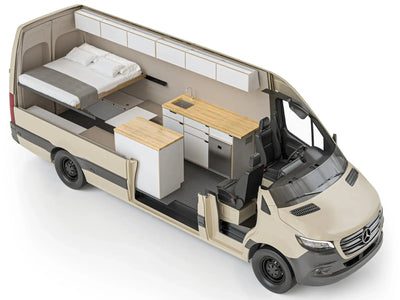
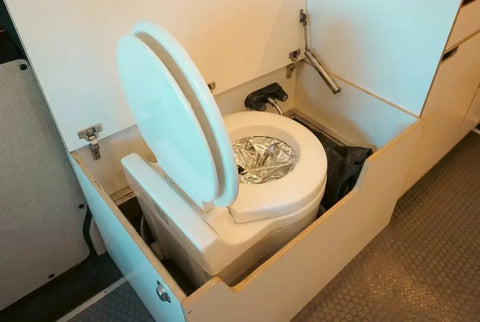
A built in shower bench makes showering in your camper van safer and more comfortable, supporting up to 500 pounds and offering extra storage and seating in a compact space. This simple upgrade turns cramped van bathrooms into user-friendly, multi-purpose areas—great for families, couples, or solo travelers who want both function and style on the road. With the right design, you get a bench that’s easy to clean, safe on uneven ground, and adds a custom, high-end feel to your van. Installation is straightforward, and modern materials keep weight and maintenance low, making a built in shower bench one of the smartest camper van bathroom solutions around.
Check out our bench shower for a great example.
Why Add a Built-In Shower Bench to Your Camper Van Bathroom?
A built in shower bench is a game changer for van bathrooms. First, it brings a level of comfort and stability that’s hard to match, especially when your van is parked off-camber or you’re showering after a long hike. According to Prime Kitchens and More, a properly constructed bench supports 250 to 500 pounds or more. That’s real peace of mind if you’re showering with kids, have older travelers on board, or just want a spot to sit and relax while scrubbing off the day’s dust.
Comfort is only the start. These benches double as a shaving ledge or footrest, and give you a place to perch while you wash. It’s a small detail, but in a van, every inch of multi-use space is gold. Another perk: a built in bench offers off-the-floor storage for shower gear, keeping soap and shampoo dry and organized during bumpy drives. Simpli.com points out that this keeps your essentials tidy and within reach—no more chasing bottles around the shower pan.
From a design angle, a well-built bench makes your van bathroom feel seamless and custom, boosting its value and visual appeal. It’s a subtle upgrade, but it makes a big difference, especially if you want your build to feel more like a home than a rolling locker room. In a wet bath layout, the bench also helps separate wet and dry zones, which cuts down on water spreading across the floor and makes cleanup easier after each shower.
The Vansmith’s own modular bench shower takes things further. Here, the seat transforms into a waterproof shower base, so the same footprint does triple duty: seating, showering, and hidden storage. For travelers looking for van conversions with showers, that’s the kind of smart, multi-function design that makes van life work for real people.
Top Functional Benefits
One of the most underrated perks of a built in shower bench is safety. Slippery wet floors are no joke, especially when the van rocks or you’re on a slope. With a sturdy bench, you lower your risk of slipping or falling. It’s a simple fix that pays off every time you use it.
Benches also pull double duty as extra seats for dressing, staging laundry, or drying gear. You might be surprised how often you end up using the bench for something besides showering. Some designs, like The Vansmith’s, even offer fold-down or hideaway features, so you can reclaim floor space when you don’t need the seat. That’s a big plus in a van where every square foot counts.
Aesthetics and Value
Don’t underestimate the visual impact of a custom bench. The right bench can give your van bathroom a spa-like feel, even in a small space. According to Prime Kitchens and More, a built in bench is seen as a high-end upgrade, not just a utilitarian add-on. When it comes time to sell or trade in your van, this kind of detail can add real value.
Finishing your bench to match your cabinetry or shower walls creates a unified look. As OZK Customs notes, buyers love when everything feels intentional and well-integrated. That’s what sets a pro build apart from a quick DIY job, and it’s why so many of The Vansmith’s Sprinter van conversions and Ford Transit conversions feature custom bench showers.
Key Design Considerations for a Van Conversion Shower Bench
Designing a shower bench for a van is all about balance—comfort, space, and durability. Most van benches measure 12 to 16 inches deep and 16 to 20 inches high, with lengths from 18 to 30 inches, dictated by your available wall space. Prime Kitchens and More recommends these dimensions to keep things ergonomic and practical for sitting, washing, or storing gear.
Proper sloping is a must. Experts at Coohom suggest a 1–2° slope toward the drain to avoid water pooling on the seat. In tight van baths (think Sprinter 144 or similar), a corner or flip-up bench is a clever way to keep standing room open while still offering seating.
Waterproofing is non-negotiable. Use a continuous membrane like RedGard or Schluter under and behind the bench to prevent leaks and mold—a must in a damp, mobile environment. All bench materials and fasteners should be rustproof and mold-resistant. Integrating the bench with the shower’s drainage system is key, whether you build right over the pan or add a mini-drain for custom setups. If you want storage under the seat or need access for plumbing, plan for lift-up tops or removable panels so you can get to everything without tearing up your hard work. For more on these build steps, see The Vansmith’s DIY blog and Foundation builds info.
Bench Placement and Layout
Most benches go along the rear or side wall. This keeps the main walkway open and gives you room to stand and move. In extra-narrow baths, a triangular or L-shaped corner bench can squeeze in usable seating without blocking your way in or out, as Simpli.com details. If you want real flexibility, modular or convertible benches (like The Vansmith’s system) let you use the same space for sitting, showering, or storing gear—whatever the day demands.
Waterproofing and Drainage
Water management is everything. The bench must slope slightly into the shower pan so water runs off, not puddles. All seams need to be sealed with waterproof caulking or tape, and the bench should tie into the shower’s main membrane. Elevated benches keep shower items dry but shouldn’t block floor drains or gray water paths. Simpli.com has more on drainage, but the key is: test everything before sealing up your walls.
Best Materials for a Built-In Shower Bench in a Camper Van
Material choice makes or breaks your bench. Acrylic and composite (solid surface) benches are favorites for van builds because they’re lightweight, strong, and easy to clean. Coohom highlights that these materials resist water damage and don’t add much weight to your rig.
Tile over foam board or marine plywood is common in home showers and some big vans, but it’s heavier and needs perfect waterproofing. Stone benches (granite, quartz) look amazing but are rarely used in vans—they’re just too heavy unless you’re building on a long Sprinter with lots of payload. More van-friendly: FRP (fiberglass reinforced plastic) panels over birch plywood. These benches combine light weight, strength, and easy cleaning—a big win for family vans or pet owners. For those chasing a wood look, porcelain tile is an option, but it must be installed with care to avoid cracks as the van moves. Whatever you pick, make sure the bench includes a bit of insulation or a waterproof R-value layer; nobody likes sitting on a freezing bench in winter.
Don’t forget about the hardware. All fasteners and supports should be stainless steel or powder-coated for rust resistance. For more about material choices and waterproofing, check out this detailed van shower build guide.
Material Durability and Maintenance
Acrylic and composite benches are almost maintenance-free. Just wipe them down after use and they’ll stay looking new. Tile benches need a bit more care—keep grout sealed to avoid stains and mold. FRP panels are tough, resist chemicals, and stand up well to family or pet use. They’re a smart choice for anyone who wants durability without hassle.
Weight and Mobility Considerations
Every pound matters in a van. Acrylic and FRP benches usually weigh 10–20 pounds—easy for most builds. Tile or stone can push 40 pounds or more, which may require extra bracing or bolting to van framing. Modular or removable designs, like The Vansmith’s bench shower, can be pulled out or folded away when not needed, saving weight and opening up space for other uses. Always think about how the bench will affect your van’s overall handling and payload, especially on long trips.
Creative Built-In Shower Bench Ideas for Small Van Bathrooms
If you want to maximize every inch, creativity is key. The Vansmith’s modular bench shower is a standout, blending a padded seat with a waterproof base so you get a seat, shower, and storage all in one. Flip-up or fold-down benches, as described by Simpli.com, mount to the wall and tuck away, giving you a big open shower when you want it.
Corner benches, using a triangle or rounded design, fit in the smallest showers and still let you stand up straight. Convertible cabinetry is another hack: the bench becomes a storage chest or laundry bin when dry, then a seat when you need to shower. Some setups even hide the bench under a shower pan or behind a panel, so you only see it when you want to use it. For guests, kids, or pets, removable inserts can add a temporary seat—just stow them away when not needed.
Comfort is key, too. Integrated anti-slip finishes or padded cushions make the bench safer and cozier, even when wet. If you want more inspiration, see our van build blog and the latest family van layouts for real-world examples.
Bench Showers vs. Traditional Shower Benches
There’s a big difference between a modular bench shower and a fixed bench. The Vansmith’s bench showers combine seating, showering, and storage in one flexible unit—perfect for tight spaces. Traditional benches are static, but modular units can be reconfigured or removed to match your changing needs. Integrated features like curtains, drainage, and padded seats make these modular setups more versatile than a simple bench.
Design Inspiration: Van Layouts with Benches
Even small wet bath layouts (where shower, toilet, and sink share one space) can fit a bench along the rear or side wall. This is true even in compact Sprinter 144s, according to Simpli.com. In larger vans—like the Sprinter 170 or Transit Extended—you have room for longer or L-shaped benches that can double as cabinetry. The Vansmith’s DUO XL and Family XL layouts are great examples, offering customized bench showers for couples or families who need flexible, robust solutions.
Installation Best Practices and Maintenance Tips
Solid construction is critical. Always anchor your bench frame to the van’s structure, not just the shower walls. Camper Van Traveler emphasizes that proper anchoring keeps the bench safe for use—even when you’re driving rough roads or parked on an angle. Closed-cell foam or marine-grade plywood are the best base materials for water resistance and strength. Lay down a continuous waterproof membrane like RedGard or Schluter under and behind the bench. Seal every seam and fastener hole with a marine-grade caulk, and always test your bench slope and drainage before final install.
Check for leaks and reseal joints at least once a year, especially after winter trips or bumpy roads. Clean your bench with non-abrasive, mildew-resistant cleaners to keep it looking and smelling fresh. For advice on keeping your bench in top shape, browse The Vansmith’s process page for more details on our build quality and maintenance approach.
DIY vs. Professional Installation
DIY builds can save money, but waterproofing and solid mounting are critical—miss a step, and you risk leaks or a wobbly seat. Camper Van Traveler recommends only taking on a bench install if you’re comfortable with these skills. For those who want a pro finish, builders like The Vansmith can integrate a bench seamlessly with your van’s layout, optimize space, and ensure all systems work smoothly. Modular bench shower kits are available for some vans, giving skilled DIYers a solid middle ground between full custom and off-the-shelf.
Maintenance and Upkeep
Inspect all sealant and waterproofing at least once a year or after rough trips. Mildew and soap buildup can sneak up fast, so clean all surfaces after each use—especially if you have tile or grouted finishes. If you expect heavy family or pet use, stick with low-maintenance materials like acrylic or FRP for easy cleaning and long-lasting good looks. For more tips, visit The Vansmith’s customization page or check out Our Vantasy Life’s build guide.
FAQ
What is the best material for a built-in shower bench in a camper van?
Acrylic and fiberglass reinforced plastic (FRP) are top picks for van shower benches because they’re light, waterproof, and simple to keep clean—making them perfect for the damp, mobile space of a van bathroom. Coohom recommends these for their durability and low maintenance needs.
How much space do I need for a built-in shower bench in a van conversion?
You’ll want at least 12–16 inches of bench depth, 16–20 inches of seat height, and a length of 18–30 inches depending on your layout. Corner or fold-up benches can squeeze into even tighter spaces. Prime Kitchens and More offers more details on the ideal dimensions for van benches.
Can a built-in shower bench double as storage in a camper van?
Absolutely. Many van benches feature lift-up tops or access panels, letting you stash toiletries, towels, or even cleaning gear securely and out of sight while making the most of your limited space. Our Vantasy Life shares several clever storage solutions in their van shower builds.
Is a built-in shower bench safe to use while the van is parked on uneven ground?
A well-built van shower bench, anchored to the van structure, can safely hold 250–500+ pounds and helps keep you steady even if the van isn’t perfectly level. This makes showering much safer on rough terrain. See Prime Kitchens and More for more on bench safety.
What are the advantages of a modular bench shower in a van conversion?
A modular bench shower, like The Vansmith’s, combines a comfy seat with a shower base and smart storage in a single unit. This setup saves space and adds multi-functionality—perfect for small van bathrooms and for anyone who wants more from their layout. Get more details on The Vansmith’s modular bench shower.
About the author

Santiago Pere
Chief Design Engineer
Santiago is Chief Design Engineer at The Vansmith. He writes on topics spanning van design, builds, and life on the road.
Read more about Santiago