And if any of this feels like a lot, reach out — a short consult can make the best next step clear for your family. You can also review our guide on how many seats are in a Ford Transit van to better understand configuration options before making a decision.
Table of contents
- Why layout matters for families
- Understanding Ford Transit seating anchors and belt systems
- Five family-friendly Transit layouts
- Practical installation guidance and build notes
- Bunk ideas that keep families safe and comfortable
- Tradeoffs, costs, and compliance
- Measurement checklist & quick reference
- Conclusion & next steps
- FAQ
Why layout matters for families (ford transit van layout)

Choosing the right Ford Transit van layout for a family balances three main needs: safety, daily use, and sleeping/cargo needs. The phrase "ford transit van layout" isn't just about where seats go. It shows how child restraints fit and how many well anchored belted positions you can legally and practically carry.
It also considers whether bunks and storage fit without compromising restraint systems. According to NHTSA child passenger safety guidance, properly installed restraints and correctly used belts are the core of crash protection for kids, so layout choices should always support those basics.
In this guide we focus on real-world choices parents make when converting or setting up a Transit so kids ride safe and parents sleep easier. From years of doing family builds, I’ll point out the small choices that tend to make the biggest change on trips and at home.
Understanding Ford Transit seating anchors and belt systems

OEM seat rails, anchor bolts, and seatbelt mounting points matter more than seat fabric when it comes to safety. Factory lap-shoulder belts and maker-rated anchor points are the starting point; adding seats or ISOFIX add-ons should never replace properly rated fasteners and rails. A quick rule of thumb: treat anchor points like a vehicle’s structural promises — they’re not something to improvise.
ISOFIX / LATCH on Transits
Some passenger-focused Transit trims include factory ISOFIX anchors on select rear seats, but supply varies by model year and seat layout. Ford’s own Transit safety information notes the availability of LATCH/ISOFIX-style lower anchors and top tethers on certain passenger configurations, so always confirm what your specific van left the factory with.
If ISOFIX isn't present, common add-on options include ISOFIX kits that attach to OEM seat rails or strong anchor plates bolted to key mounting points. Always check kit fit for the exact year and wheelbase and have a certified installer sign off.
In our work, installers like when owners bring photos of the rail layout — it saves time and avoids problems.
Key technical note
Key data point: common seat rail spacing for Transit passenger seats usually ranges 250–300 mm between mounting points, based on seat type. Anchor bolt grades and torque are vehicle-specific. Always check the OEM service manual or installer papers before final torqueing.
If you don’t have the manual handy, take clear photos and note part numbers before buying parts.
Caption: Common Transit second row with clear seat rails and seatbelt anchor spots — use OEM manuals to find exact anchor points.
Five family-friendly Transit layouts (with pros, cons, and measurements)
Layout A — Standard 2-row family layout (small families)
What it is: Driver + front passenger; second row three seats with belted spots and ISOFIX where possible. Best for: parents of 3–4 who put daytime seating first and want more rear space for beds and daily use.
Pros: Simple, lighter build cost, easy ISOFIX placement. Cons: Less seat room for larger groups. A real note from installs: kids tend to cluster near easy seats, so plan cup holders and small storage with that in mind.
Layout B — 3-row belted passenger layout (up to 7–8 passengers)
What it is: Extra belted third row put in using OEM or approved bolted seat rails to keep anchor strength. Best for: parents that often travel with grandparents or carpool kids to events.
Tip: When adding rows, measure seatback-to-seatback legroom. A good lower limit for rear-seat knee room is ~700 mm for comfy school-age kids; adjust based on wheelbase and seat type.
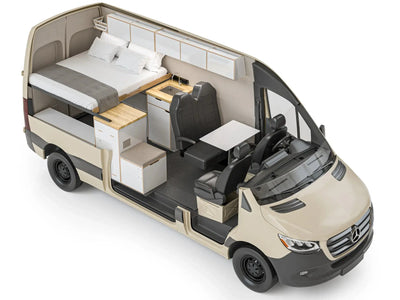
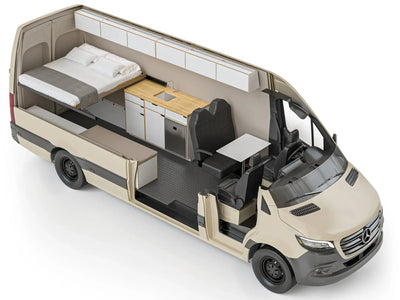
Layout C — Rear bunk + belted mid-row (sleep-first family camping setup)
What it is: Mid-row belted seating kept for daytime safety; rear fixed or fold-flat bunk for sleeping. Best for: parents who camp often and need steady sleeping berths without taking out seats each day.
Note: Bunks put above seats must not block seatbelt function, clash with ISOFIX hardware, or block egress. Whether you’re working with a standard Transit, a ford transit custom isofix setup, or a ford transit connect isofix rear bench, always confirm where the isofix anchor points transit are. Do this before framing or mounting bunks.
Fixed bunks should be mounted to structure with plate backing and gaps checked for headroom. We often suggest doing a mock-up with cardboard to check gaps before cutting or welding.
Layout D — Removable bolted belted seats (flex layout)
What it is: Bolted seats on approved rails that can be taken out to trade seat room for cargo/sleeping area. Best for: active parents switching between people-heavy trips and longer camping.
Pro tip: Use locking bolts and index plates so seat spots stay repeatable and torque values are written down. That helps with checks and keeps mounting angles steady.
Layout E — Child-seat-first layout
What it is: Pair front-facing ISOFIX/LATCH-ready spots right behind the driver for easiest access and best crash protection angles for child seats, plus booster-ready outer seats. Best for: parents prioritizing multiple permanent child seats.
Design note: Locate child seats where ISOFIX can be used or where belt routing is simple; keep heavy storage forward of seat zones for crash-load management. A small design habit we use: plan a little extra side room so installers can angle seats slightly for easier buckling. This lines up with IIHS guidance on child seat anchor usability, which highlights how access and angle affect correct installation rates.
Practical installation guidance and build notes
Measuring anchor spacing and seat rail alignment
Measure seat-rail center-to-center and anchor pitch before ordering seats or ISOFIX kits. Common checkpoints: rail-to-floor distance, rail side-to-side spacing, and enough clearance to avoid clashes with heater ducts or wheel-well changes. Taking these measurements early prevents wasted parts and keeps installers on schedule.
Recommended hardware & torque best practices
Use OEM-grade bolts or equal parts with set bolt grade (often 10.9 for structural anchor bolts) and torque to the manufacturer's spec. Keep a log: bolt spot, grade, and final torque.
This paperwork helps maintain compliance and is useful for future inspections. If you're unsure about a spec, pause and check the OEM manual or your installer — it’s cheaper to ask than to rework main mounts.
Learn more about The Vansmith’s family builds on our Family collection, explore Transit-only build ideas on our Transit conversions collection, and see real build examples in our Past Builds gallery.
Bunk ideas that keep families safe and comfortable
Fixed rear bunks above belted seating vs. fold-flat designs
Fixed bunks give instant sleeping space without daily setup, while fold-flat bunks preserve daytime seating. For families, a mid-row belted set with a removable rear bunk platform is a common compromise. Think about who will be sleeping where — toddlers versus older kids — and match guardrails and mattress thickness to that.
Ventilation, privacy, and child safety features for bunks
Include built-in airflow (12V fan or screened vent), soft headboards to cut bump risk, and secure guard rails where kids sleep above seats. Night lighting and a low, slim ladder keep access safe. A simple removable privacy curtain can make a big change on multi-family trips.
Tradeoffs, costs, and compliance
Typical cost ranges (ballpark): extra belted seats: $200–$300 per seat, with rails and hardware. ISOFIX add-on kits: $300–$850 per seating pair, based on approach and installer labor. Pro install cost changes by region.
Keep room in your budget for inspection or reclassification fees if your conversion changes the vehicle’s seat capacity. In many regions, changes to seating and restraints may trigger additional inspections; you can review general guidance on modified vehicles and seating from organizations like AAA’s child passenger safety resources before you start planning.
Vans & MPVs Known for ISOFIX Points
Ford Tourneo Custom
A very flexible van with seating for up to nine passengers and several ISOFIX mounting points in the second and third rows. It’s ideal for families needing secure child-seat install on longer journeys. The Tourneo Custom balances comfort, space, and practicality for everyday use and group travel.
Volkswagen Multivan
The VW Multivan offers a modern MPV feel with roomy seating, strong safety systems, and the everyday use parents look for. Its flexible inside layout and high safety ratings make it a strong choice for those putting passenger comfort and secure child seat mounts first in a premium vehicle package.
Citroën SpaceTourer / Peugeot Traveller
These closely related people carriers are built for family and work use with room for up to eight or nine seats. Their van-based platforms focus on space and modular setups, and they usually include ISOFIX points on key rear seats for child safety while offering strong load capacity and flexibility.
Mercedes V-Class
A premium MPV with a focus on comfort, tech, and safety. The V-Class is a solid choice for parents seeking luxury and everyday use, with several ISOFIX anchor points built into its seating layout to hold child seats safely and with little effort.
VW Touran (MPV)
Though technically an MPV rather than a van, the VW Touran is often noted for its family-friendly design. It offers several ISOFIX anchor points — sometimes up to three across the rear seats — making it very adaptable for families carrying more than one child seat without cutting into space or everyday use.
Campervans Worth Knowing
CamperKing
CamperKing focuses on VW-based campervans, offering a range of ready-to-go models built at its own shops. These vans blend the everyday use of the VW Transporter platform with lifestyle-ready interiors and support services, making them popular for both road trips and longer exploration.
Redline Campers
Redline Campers builds campervan models such as the Redline Sport GT — known in award categories for small campervans — that combine car-like driving feel with smart inside features. Based on compact van platforms like the Ford Transit/Tourneo or VW Transporter, these campervans blend mobility with comfort.
Measurement checklist and quick reference
| Item | Recommended Minimum |
|---|---|
| Seatback knee room | ~700 mm (practical) |
| Headroom for bunk | Minimum 600–700 mm clearance above mattress |
| Anchor bolt grade | See OEM service manual (10.9 common for structural) |
Conclusion and recommended next steps
Choosing the right ford transit van layout for a family is a tradeoff between seat capacity, safe anchoring for child restraints, and usable living space. Start by writing down how many belted seats you need day-to-day, whether you need fixed bunks, and what OEM anchors your specific Transit has. You can also cross-check your van’s original seating and safety equipment against the specs listed on fueleconomy.gov’s Ford Transit pages to understand how your base vehicle was configured from the factory.
From there, pick a layout path (A–E) that matches that use case and check with a certified installer for anchor hardware and final torqueing. If you want help turning a layout into a finished build, check our Foundation page to learn how we approach family-focused builds.
Ready to scope your build?
Book a consultFAQ
Does the Ford Transit come with ISOFIX anchors from the factory?
Some Transit variants (passenger-focused trims) include ISOFIX anchors on certain second row seats. Availability depends on year, trim, and seat layout. For the latest model-year details, check the specifications and safety sections for your van on Ford’s official Transit Passenger Van pages or in your owner’s manual.
If factory ISOFIX is absent, there are approved add-on ISOFIX kits and seat choices. These use OEM seat rails or strong anchor points. Always check fit with the exact vehicle year and model and talk with a certified installer.
How many belted passengers can a Ford Transit safely carry?
Maximum belted passenger capacity depends on the model (wheelbase and roof), OEM seat layouts, and legal registration. Common passenger Transits are set up for 8–15 occupants; conversions that add or remove seats must maintain properly anchored seat positions and may require inspection or reclassification to remain road-legal.
Can I install bunk beds above belted seats in a Transit?
Yes—fixed or fold-down bunks can be built in above belted seating if they do not clash with seatbacks, seatbelt function, or airbag zones. Bunks must be firmly mounted to the vehicle structure; designs that block emergency exit paths or weaken restraint systems should be avoided. Professional guidance is recommended for structural mounts and compliance.
Are removable belted seats a safe option for families?
Removable bolted seats that use approved seat rails and properly rated anchor points are a flexible solution. Ensure mounting hardware and anchor spots meet maker torque and strength specs; use locking mechanisms to prevent unintentional movement and have installations inspected if unsure.
What are the key safety checks before letting children ride in a converted Transit?
Confirm seatbelts and anchors are maker-rated and correctly torqued. Ensure child seats are set up to ISOFIX or belt-locking standards. Seatbacks and headrests should be present and secure.
Cargo must be kept apart from passenger areas, and emergency exit paths should be clear. Keep paperwork of parts, torque values, and installers for compliance and future inspections.
About the author

Santiago Pere
Chief Design Engineer
Santiago is Chief Design Engineer at The Vansmith. He writes on topics spanning van design, builds, and life on the road.
Read more about Santiago