TL;DR
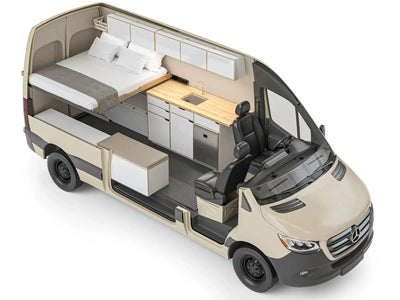
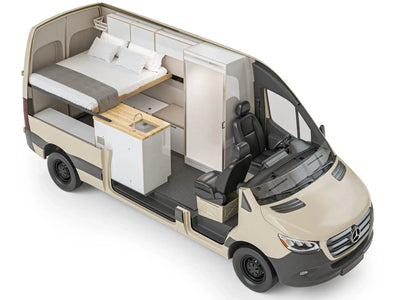
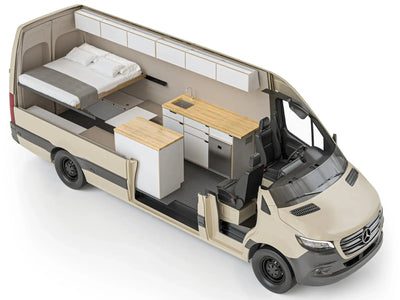
Seat-to-bed systems fall into five main types: rock-and-roll benches (fastest, under 30 seconds, about 72" x 24"), flip-and-fold benches (1 to 2 minutes, about 74" x 48"), slide-and-platform systems (3 to 5 minutes, thicker mattresses), modular platform and insert systems (3 to 5 minutes, the most comfortable sleep surface), and custom coachbuilt folding beds for unique layouts. Rock-and-roll is the standard choice for daily drivers and couples who convert every night; modular platforms and slide-and-platform systems suit people who prioritize mattress comfort over setup speed. Whatever system you choose, any seat used by a rider while driving must keep its rated seatbelt mounts and meet FMVSS 207/210 standards, and any bed system must be fully latched for travel. The Vansmith's Duo Series includes a seat-to-bed configuration starting at $45,000.

Looking for a fixed or sliding platform bed instead? See our Sprinter van bed systems guide for a full breakdown of permanent sleeping solutions. This guide focuses specifically on seat-to-bed systems: benches and seats that do double duty as certified passenger seating during the day and a bed at night.
Convertible seat-to-bed setups remain a staple of Sprinter van builds because they pack sleeping into a compact footprint without giving up floor space to a built-in bed. For solo travelers and couples who put usable living space first, a well-built seat-to-bed system gives you both real seating and a workable night setup in the same square footage. That tradeoff is why builders, from DIYers to professional shops, keep choosing these systems for Sprinter-specific layouts. In our time at Vansmith, a quick, solid conversion that gets you to camp faster is what most clients end up choosing.
The five main seat-to-bed mechanisms
Seat-to-bed systems fall into a few clear groups, each with tradeoffs in weight, conversion speed, comfort, and storage impact. Choose based on how often you convert, your mattress preference, and whether you need the seats cleared for passenger use while driving (NHTSA).
| Mechanism | Best for | Pros | Tradeoffs |
|---|---|---|---|
| Rock-and-roll bench | Daily drivers and weekenders who convert often | Very fast to deploy, compact footprint, simple operation | Thinner cushions, can have seams under your back, limited storage below |
| Flip-and-fold bench | Layouts with multiple passengers | Uses existing seat base, quick flip motion, easy bedding stow | More moving parts and latches, sleep surface may not be perfectly flat |
| Slide-and-platform | Full-time travelers who want thicker mattresses | Very flat sleep surface, supports 4 to 6 inch mattresses, good weight distribution | Heavier hardware, more complex install, needs clear aisle space to extend |
| Modular platform and inserts | Comfort-focused builds where setup time is less critical | Near-home mattress comfort, flexible layouts, solid under-bed storage | Slower to convert, cushions and slats need a dedicated storage spot |
| Custom coachbuilt folding bed | One-off interiors with unique cabinetry or HVAC routing | Tailored fit to your exact Sprinter layout, can integrate storage and systems | Higher design and fabrication cost, requires careful engineering for safety |
Rock-and-roll (rollout) benches
A rock-and-roll bench is the most common seat-to-bed solution in camper vans. The backrest folds flat to create a bed in under 30 seconds, without removing cushions, by popping latches and sliding the seat base forward or folding the backrest flat. Typical dimensions run around 72 by 24 inches, which suits solo travelers and couples who prioritize fast daily conversions and are common in 144-inch Sprinter builds. Strong hinges and multi-point latches matter here, since the bench has to stay firmly latched for travel and stable when used as a bed.
Flip-and-fold benches
Flip-and-fold designs hinge at the rear of the seat base or at a midline in the bench, with the seat base flipping forward before the backrest folds down to create a wider sleeping platform. The locking setup usually pairs the normal seated latches for travel with a backup locking pin or strap for the bed position. Well-built flip systems make bedding storage simple and often need only small cushion adjustments.
Slide-and-platform systems
These use sliding rails or a platform that extends to form the bed surface, supporting thicker bed pads (typically 4 to 6 inches) and producing a flatter sleep surface than most bench systems. What matters most here is the strength of the sliding hardware, how well the platform spreads load to strong anchor points, and clear, secondary latching for both travel and sleeping positions.
Modular platform and insert systems
These rely on a fixed platform with lift-out cushions or slats that stack away for daytime seating. They favor comfort, letting you use 4 to 6 inch slab bed pads or layered foam, but they take longer to convert and need a dedicated storage spot for the cushions when not in use. This is the right tradeoff for builds where near-home bedding comfort matters more than a fast changeover.
Custom coachbuilt folding beds
Coachbuilt Sprinter interiors sometimes need a custom folding setup to work around unique cabinetry or HVAC routing, shaped to the van's specific wheelbase, roof height, and behind-seat obstructions. Custom builds give you the best fit, but they need careful attention to anchor locations and load paths so safety isn't compromised.

Real seat-to-bed systems worth considering
Understanding how these mechanisms work is useful, but the more practical question is which actual system fits your van and how you travel. Compatibility, passenger-seat certification, and installation requirements vary by vehicle, so confirm the exact model and mounting requirements before deciding.
Scopema RIB Convertible Seat Beds
Scopema RIB systems combine belted passenger seating with a convertible sleeping surface, in both fixed and sliding bench configurations. The manufacturer states that its rail-mounted bench systems are approved for both European and North American markets. Unlike a basic DIY bench that just folds flat, a RIB system is designed around both daytime seating and nighttime sleeping, and depending on the configuration, can include integrated seat belts, adjustable seating positions, and a flat sleeping surface. This suits travelers who need real passenger seating and a sleeping area in the same footprint, though it's worth confirming vehicle compatibility, certified mounting requirements, available floor space, and professional installation requirements before committing.
Code 7 Adjustable Bed System
Code 7 takes a different approach: instead of turning a passenger bench into a bed, it uses independently adjustable sleeping platforms that can be raised, lowered, folded vertically, or configured around cargo needs. Current Code 7 systems are offered for Ford Transit and Mercedes-Benz Sprinter applications, and the platforms can be arranged to create sleeping space while preserving room for bikes, motorcycles, or other bulky gear. One side can be repositioned independently, letting the rear area shift between sleeping, lounging, and gear-hauling. That flexibility makes sense for cyclists, skiers, climbers, and anyone whose storage needs change trip to trip, though it's a flexible sleeping and cargo solution rather than a substitute for a certified passenger bench seat.
Flatline Van Co. platform bed systems
Flatline Van Co. offers removable platform-style beds for both Sprinter and Transit applications, using multi-panel sleeping platforms with adjustable mounting positions so you can balance sleeping height against storage underneath. Transit versions use aluminum bed panels with steel mounting rails, while Sprinter systems come in multi-panel configurations with adjustable mounting. This is a strong option when the rear of the van is dedicated mainly to sleeping and gear rather than passenger seating, and it's worth remembering that a platform bed solves a different problem than a seat-to-bed system: if certified passenger seating matters to you, you'd want a seating system actually designed and approved for carrying passengers instead.
How seat-to-bed compares with other van bed types
Most custom vans land on one of four bed types: fixed beds, sliding beds, Murphy beds, or seat-to-bed systems that convert from a bench. Each solves a different problem, and none fits every build equally well.
Fixed beds are simple and fast. They're always ready and usually leave a large garage below, but they take up living space all day. Sliding beds preserve garage storage, recover living space during the day, and can deliver a better sleep surface than most folding systems, which is why they're a favorite for couples and longer trips. Murphy beds free up floor space when stowed, but they ask more from the wall structure and nearby cabinets, and they limit what can stay in place when the bed comes down. Seat-to-bed systems, the focus of this guide, add flexibility in shorter vans by combining seating and sleeping in one footprint, though comfort and setup ease depend heavily on the mechanism and mattress design.
Choose a seat-to-bed system when passenger seating is a priority and the sleeping area needs to occupy the same footprint at night. Choose a sliding or platform bed when you want a dedicated sleeping area with more mattress comfort and don't need the bed to double as certified passenger seating. Before choosing any system, weigh sleeping dimensions, passenger capacity, seatbelt requirements, installation method, mattress comfort, daily setup time, and how much gear you plan to carry. The best van bed is the one that fits how the van actually gets used, not simply the one that folds fastest.
Daily livability
Simple rock-and-roll benches or flip systems can convert in one to three minutes. More complex slide-and-platform or modular insert systems often take five to ten minutes. The faster the change, the more likely you are to actually make the bed every night, so it's worth being honest about your own habits when picking a system.
Mattress thickness trades off against folding ease. For folding or soft setups, 2 to 4 inches of firm foam is common; for slab bed pads used with a platform system, 4 to 6 inches is standard. Firm memory foam or layered hybrid foams combine comfort with easy packing, and the mattress should always be sized to the usable bed length your Sprinter's wheelbase and roof height actually allow.
Bench conversions free up space under the seat for gear, while platform systems more often reserve side or rear bins for cushion storage. Think through where bedding lives during the day, and whether you need roof or outside storage for bulky cold-weather gear, since storage planning ties directly into how quickly you can convert and secure the sleeping area. Insulation and airflow matter too: thicker bed pads hold heat, which helps in cold climates, so plan for roof fans, window covers, and layered bedding to manage moisture and heat across seasons.
Sprinter-specific considerations
Longer wheelbases and high roofs give more usable length for full-length beds and make mattress choice easier. Short-wheelbase or low-roof Sprinters may need creative mattress end treatments or a slightly offset sleep angle. Most buyers choose high-roof options because they prioritize standing room and a full-length bed layout, and it genuinely changes how you live in the van day to day.
OEM seat frames and anchor points are engineered for crash performance, so reuse them where you can. If you convert rider seats, keep any added support or anchor plates the manufacturer lists and follow the bolt torque advice and patterns they specify.
Cabinet work, HVAC ducts, wiring bundles, and fuel-tank access may sit near planned bed mounts, so map these obstructions early in the design phase and route lines so they stay reachable. Avoid placing bolts through wiring channels or thin sheet metal; when in doubt, build a subframe that ties into stronger sections instead.
Safety and regulatory considerations

Safety has to guide any seat-to-bed conversion. When seats are meant for riders while driving, they need cleared anchor and restraint points (NHTSA), and bed systems must be stowed and latched for travel to avoid becoming flying hazards. Our guide on seats, sleepers, and legalities covers this in more depth.
Seatbelt and occupant restraint integrity
If a seat is used by a rider while driving, it has to keep its seatbelt mount and meet NHTSA rider-protection rules. Turning a seat into a bed for sleeping is fine while parked, but any seating meant to carry riders on the road needs cleared mounting points and properly routed belts. Never ride on a surface that was built only for sleeping while the vehicle is moving.
Anchorage, subframes, and load paths
Keep the stock anchor points where you can. If you have to move seat mounts, build a subframe that carries loads to stock strongpoints and avoid cutting frame members (Mercedes-Benz). Use proven bolts and log your bolting patterns. If you weld or change structure, consult a frame welder and write down the changes so future checks and service stay simple. This kind of frame work belongs on the same build-quality checklist as choosing crash-tested gear generally.
Secondary locks and anti-rattle measures
Backup locking hardware cuts the chance of unwanted opening and limits noise on the road. Spring pins, over-center latches, captive bolts, or grippy-lock hardware are simple fixes. Anti-rattle pads, nylon washers, or captive clips improve fit and finish and cut long-term wear on moving parts.
Inspection, testing, and documentation
Inspect latches, hinges, and mount points regularly, especially after off-road use or heavy loading, and test conversion parts cold and after shake testing. Keep a build log noting anchor points, bolt specs, and any frame work: that record helps with insurance, resale, and later service.
Design and build recommendations
Steel offers steady strength and welds easily. Aluminum saves weight but needs closer bolting and thicker sections. Hardwood can look clean for platforms but has to be backed by strong metal anchor points. Match your materials to the loads and weight profile you're actually planning for.
Use the right grade of bolts and lock nuts wherever motion and vibration are expected. When welding, follow proper procedure and have an experienced welder confirm the load paths. If you're bolting into the stock floor, follow the supplier's torque specs and consider threadlocker or safety wire on key hardware.
Prototype with cheaper materials first to check shape and conversion clearances, then load-test the finished system with distributed weight that mimics real riders. If possible, have a shop run dynamic shake testing or sign off on any major anchor changes.
Finding, building, or buying a seat-to-bed system
If you're searching for a folding bed for a Sprinter van, you can choose between DIY conversion kits and professionally installed systems. DIY solutions generally cost less but need careful mounting, reinforcement, and safety verification. Professionally built systems offer tested hardware, cleaner integration, and compliance with passenger seating requirements.
When shopping for used van seats that fold into a bed, inspect frame integrity and weld quality, the locking mechanisms, seat belt mounting points, cushion wear and foam condition, FMVSS compliance documentation, and any signs of previous accident damage. A low price isn't worth it if the structure or anchor points are compromised.
Use cases and decision guide
Daily drivers and long-term van lifers benefit most from quick-change systems and softer bed pads that encourage actually using them every night. Weekend campers can accept a slightly longer setup time if it buys more comfort or storage flexibility.
Solo travelers can often trade some mattress width for more daytime storage. Couples usually put a wider sleep surface first and may prefer platform systems that accept thicker bed pads.
DIYers can build rock-and-roll benches and modular platforms at a lower cost. For any setup that changes anchor points or requires welding into the structure, a professional install is the smarter move, both for crash safety and for keeping a clean record of the changes.
Where The Vansmith fits in
A seat-to-bed system is rarely a standalone product choice. It affects cabinet depth, aisle width, storage access, and the overall feel of the van around it, which is why it's worth planning early rather than bolting on after the fact. That's the same thinking behind The Vansmith's custom design-build work and our process. Our Duo Series includes a custom seat-to-bed configuration starting at $45,000, which makes it one of our more versatile layouts for couples and weekend travelers. If you already know your passenger count and rough layout goals, contact us and we can talk through hardware, safety, and layout options that actually fit how you travel.
Conclusion: choosing the right seat-to-bed approach for your Sprinter
Choosing a seat-to-bed setup comes down to daily habits, comfort expectations, and how much frame work you're willing to take on. If speed and simplicity matter most, rock-and-roll or flip systems make sense. If comfort and mattress thickness matter more, a slide-and-platform or modular platform will serve you better. Preserve stock anchors where you can, plan for backup locks, and keep a written record of any frame changes.
FAQ
Are seat-to-bed conversions safe to use while driving?
Seats turned into beds aren't safe for riders while the vehicle is moving. Any seating used by riders while driving has to keep rated seatbelt mounts and meet rider-protection rules, and it must comply with FMVSS 207 and FMVSS 210 standards. Bed systems need to be firmly latched and stowed for travel, or they create flying and restraint hazards.
What types of mechanisms are most reliable for a Sprinter van folding bed?
Rock-and-roll benches and well-built slide-and-platform systems tend to hold up best because they use strong hinges, multi-point latches, and well-distributed load paths. The right choice depends on your available anchor points, how fast you want the conversion to be, and your mattress thickness preference.
How do I preserve factory seat anchorage when installing a conversion bed?
Reuse stock anchor points and bolting patterns where you can, or build a subframe that moves loads to stock strongpoints. Avoid cutting frame members; if you weld or change them, consult a frame welder and document the changes. When in doubt, use a professional to make sure crash safety isn't compromised.
What mattress thickness works best for folding beds in a Sprinter?
It's a tradeoff between comfort and folding ease. Common useful ranges are 2 to 4 inches for foam that needs to fold or compress, and 4 to 6 inches for slab bed pads used with modular platforms. Firm memory foam or hybrid layered foams usually give the best balance of comfort and easy packing.
How much time should I expect to convert a seat to a bed daily?
Rock-and-roll benches typically convert in under 30 seconds. Flip-fold systems take 1 to 2 minutes. Slide-and-platform or modular insert systems often take 3 to 10 minutes, depending on whether you need to move cushions, stow bedding, or adjust latches.
Can van seats that fold into a bed be used as legal seating while driving?
Yes, but only if the seat and mounting hardware comply with FMVSS 207 and FMVSS 210 standards. Always verify certification before transporting passengers.
Written by Santiago Pere, Chief Design Engineer at The Vansmith.
About the author

Santiago Pere
Chief Design Engineer
Santiago is Chief Design Engineer at The Vansmith. He writes on topics spanning van design, builds, and life on the road.
Read more about Santiago