By Santiago Pere, Chief Design Engineer, February 27, 2026
Long term van travel is easiest when you put steady thermal control, dependable power, and flexible storage that reduces daily friction first. True camper van comfort comes from systems that quietly work every day.
Solid wall and floor layers paired with a safe heating plan, plus airflow for cooling and moisture control, makes the van easy to live in week after week. Add a mattress and seating system tuned for restful sleep and you can stay relaxed long term. Pair those systems with a battery and charging plan sized for a few days off-grid and you cut the routine problems that turn short trips into life on the road.
Introduction: defining comfort for long-term van travel


Comfort in a long-term travel van is not decor. It is systems and layout that cut repeat effort, protect health, and let you live simply for weeks or years at a time. This is the real base of camper van comfort.
That means predictable thermal control, steady power, good sleep surfaces, simple storage, and tough finishes you can clean and fix. In a true four season camper van build, these systems work together so you can travel year-round without chasing perfect weather.
These main needs guide smart choices in weight, cost, and how involved the build is. Many of these tips apply across common platforms like the Sprinter and Ford Transit, which manufacturers rate for payloads that often exceed 3,000 pounds in cargo versions (Ford Transit cargo van specifications). If you are still choosing a platform, it can help to compare options like AWD vs 4x4 cargo vans for your build before you commit.
- Prioritize thermal control first: Good insulation, sealing, and a safe heater keep temperatures stable so you’re not constantly chasing campgrounds or hookups.
- Size power for real usage: Build your electrical system around two to three days off-grid, including lights, fans, devices, and any work or cooking loads.
- Design for easy sleep: Choose a supportive mattress, breathable bedding, and a layout that lets you get in and out of bed without climbing over gear.
- Make storage intuitive: Use dedicated zones for daily items so you’re not unpacking half the van to find one thing, especially on day 30 of a trip.
- Plan for airflow and moisture control: Roof vents, cross-venting windows, and bug screens keep air moving and reduce condensation inside the van.
- Use durable, cleanable finishes: Surfaces that wipe down easily and resist wear keep camper van comfort high even after months on the road.
- Minimize repetitive tasks: Simple systems for water, cooking, and gear access reduce daily friction and make long-term travel feel sustainable.
Thermal comfort and climate control
Thermal comfort shapes where and when you can travel. Wall and floor layers and sealing control the passive thermal shell; a steady heater and vent systems manage active comfort. (National Renewable Energy Laboratory guidance on building envelopes) In a four season camper rig, this thermal shell is what lets you handle both summer heat and winter cold.
For most Vansmith buyers, a high-roof layout and good wall and floor layers let you stand, move, and sleep in comfort in a wider range of weather. You can do this without turning to short trips or constant campground stays. In practice, that means fewer days spent hunting for hookups and more days out on the road in a true all-weather adventure van.
Insulation materials and R-values for vans
Use foam board and wool batts to seal thermal bridges and cut moisture build-up. (Havelock Wool) Focus on steady thermal cover in the ceiling, walls, and floor joints rather than chasing a single R-value number. Tight wall and floor layers, paired with breathable interior finishes, keep the inside closer to outdoor conditions and lower heating and cooling loads.
Heating solutions (diesel heaters, propane, electric) and safety
Diesel heaters offer strong space heating with low vent needs and are a common Vansmith choice for year-round use. Propane and electric options work but need clear plans for vents, fuel storage, and power size.
Install heating systems with safe burn paths, carbon gas checks, and easy access for service. A simple safety checklist prevents shocks on cold mornings, and adding a carbon monoxide alarm follows the kind of guidance promoted by safety agencies like the National Highway Traffic Safety Administration. If you are comparing fuel types, it can help to review a diesel vs gas camper van heater guide before you buy.
Passive cooling, ventilation, and fans (roof vents, cross-venting)
Cooling starts with airflow. Roof vents that pull air through the van, paired with screened windows for cross-breeze and a small fan, maintain comfort without a rooftop AC. Shiny window shades and bug screens improve daytime comfort and privacy while keeping airflow. If you are planning a DIY install, a detailed van roof vent installation guide can help you choose and place the right fan.
Sleep and seating systems for full time van life

Sleep comfort is a must for long-term travel. Choose a medium firm layered foam mattress with airy covers and airflow under the mattress to prevent moisture buildup.
If your layout needs furniture that does more than one job, put mattress comfort over ease; slatted bases or blocky platforms that keep mattress thickness beat thin fold-out cushions over time. A good night's sleep makes every day on the road better.
Choosing a long-term mattress (thickness, support, modular options)
Aim for a mattress thickness and support level that fits your body weight and sleep style. Split mattress systems that can be reset for seating or storage give more options while keeping sleep comfort. Test sleep setups in real weather before locking in a fixed layout.
Seating ergonomics and swivel seat integration
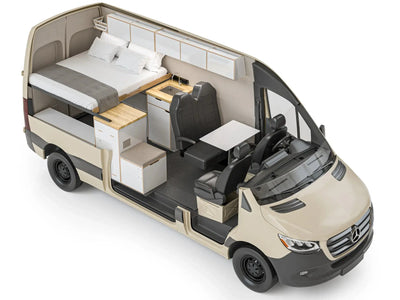
Swivel front seats improve social space and comfort, mainly in a winter-ready camper van where you’re spending more time inside. Ensure seat mounts and swivel bases are put in right to keep driving comfort and restraint system strength. In any four season van conversion, choose seating fabrics that clean fast, resist moisture, and hold up to daily use.
Multi-use furniture vs dedicated bed setups
Fixed beds give better sleep but cut daytime living options. Furniture that does more than one job is tempting for compact vans but needs close design to avoid swaps that hurt sleep comfort. Many couples prefer fixed beds; solo travelers often accept multi-use solutions.
Power, energy management, and appliances
Steady power supports long-term comfort, just like good wall and floor layers and a solid heating plan. Size your battery bank for two to three days of run time under normal use.
Plan solar to refill daily draw, mainly if you’re running a diesel heater on cold nights. The same applies if you’re charging gear while you sleep on a memory foam camper mattress.
A power box sized for peak loads, paired with shore and engine-charging plans, gives working options when weather is up and down. The Vansmith often suggests systems that tie engine charging and shore power so you don’t have one weak link.
Battery capacity, inverter sizing, and solar vs shore power strategy
Guess at daily watt-hour use for fridge, lights, fans, and device charging, then design for two to three days of headroom. Match power box steady and surge ratings to your largest devices.
Solar sizing should reflect normal sun levels for your travel regions and include real-world losses. Offer shore power as a bonus, not a crutch. When you’re estimating alternator charging and fuel use, it can help to reference official efficiency data such as the EPA fuel economy ratings for vans to understand how idling or extended driving affects your overall energy budget. For deeper planning, you can also review a camper van battery comparison of lithium vs AGM to choose the right chemistry.
Efficient refrigeration and cooking options for extended travel
Choose a 12-volt fridge sized to your needs with good wall and door padding and simple temp control. Propane or two-burner electric cooktops are common; electric needs higher power box size but cuts propane handling. Consider countertop workflows that keep cooking simple and cleanup minimal. If you plan to spend long stretches off-grid, looking at the best overlanding fridges and freezers can help you pick an efficient model.
Hot water and heating on demand
Instant propane or electric water heaters cut water storage needs and improve ease of use. If you plan long-term dry camping, put systems first that tie into your power and fuel plan to avoid shocks.
Water, sanitation, and hygiene systems
Water strategy should match trip cadence. Larger freshwater tanks lengthen autonomy but add weight.
Portable or cassette toilets are a simple choice; built-in wet baths add ease at the cost of water, weight, and upkeep. For many Vansmith clients, a compact wet bath is worth the trade when paired with smart low-flow parts. If you are weighing options, an ultimate guide to camper van bathrooms can clarify layouts and fixtures.
Freshwater capacity, filtration, and refill strategies
Install close-by fill points, simple filters, and plan refill stops. Think about carrying a folding backup jug for remote refills. Balance tank size against normal refill timing and payload limits.
Greywater and blackwater solutions (cassette, portable, built-in tanks)
Cassette toilets and small rolling waste setups make dump and service easier. Built-in tanks increase time between dumps but need clear plans for dump points and pump access for upkeep.
Shower options and water-conserving fixtures
Low-flow parts, instant heaters, and outdoor shower setups stretch usable days between refills. For families, an inside shower is often worth it; for solo travelers, an outside shower paired with campsite or gym options often is enough.
Storage, organization, and daily systems
Easy, planned storage cuts daily friction. Set aside bulk storage for out-of-season goods and daily use zones for cooking, clothing, and tools.
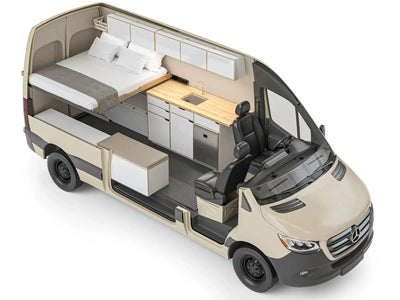
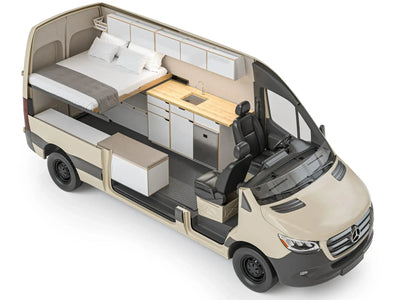
Tall storage and space under the bed use space well and help manage weight spread. Vansmith layouts make heavy use of under-bed and tall pantry setups to keep daily items easy to reach.
Long-term storage strategies (bulk vs daily-access)
Keep heavy, rarely used items low and forward to maintain handling. Use stackable bins and marked zones to make daily habits fast and steady.
Load management and weight distribution
Plan for a max payload and spread gear to keep the ride smooth. Better springs and shocks and tires tuned for your load profile improve comfort and safety over long miles. Industry groups like the RV Industry Association emphasize staying within gross vehicle weight ratings to protect braking performance and stability.
Closet, pantry, and gear storage design patterns
Pull-out drawers, tall pantry stacks, and outside storage boxes keep daily items easy to reach without hurting living space. Think about locking storage for tools and valuables.
Ready to dial in your own long-term camper van comfort? Explore our services or contact us to talk through a build that fits how you really travel, whether you want a four season adventure van or a simple three-season rig.
Privacy, light, and acoustic comfort
Window treatments, shiny shades, and insect screens control light, heat, and privacy. Sound padding and shake damping cut fatigue on long drives and improve sleep comfort. Layer lighting with task and ambient circuits to support work and rest cycles. If you are still deciding how many windows to add, it helps to understand how camper van windows affect light, heat, and privacy over the long term.
Ride quality, chassis, and driving ergonomics
Better springs and shocks, tire choice, and chassis tuning all affect daily fatigue. Comfortable driver seating and a simple, well-placed control layout cut long-day strain and keep your van fun to drive. The Vansmith offers spring, shock, and seat upgrades that target steady comfort on common platforms.
Materials, finishes, and maintainability
Choose tough, low-care surfaces that can be cleaned and fixed. Natural woods like birch and wool work well for look and long life while fitting Vansmith green values. Put first the coats and layers that resist stains and are easy to replace in the field.
Layout strategies for mental health and multi-function living
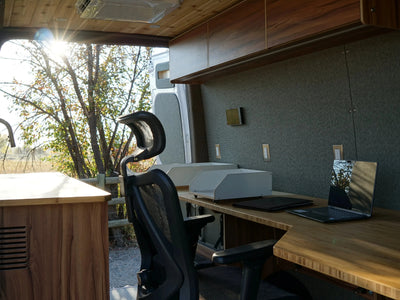
Create distinct zones for work, rest, cooking, and hanging out even in small footprints. Flexible furniture and views that connect inside and outside keep spaces feeling larger and cut cabin fatigue. Vansmith layouts emphasize views and multi-use zones for couples and families.
Budgeting, upgrades, and prioritization for long-term comfort
Put first the systems that cut repeat effort: heating, steady power, good sleep surfaces, and simple water systems. Use a cost-versus-benefit approach to spend where it affects daily life the most. If you are working within a tight budget, a budget camper remodel guide can help you phase upgrades over time.
Plan service plans and a spare parts kit for key systems. Small spends early often prevent big problems later on the road.
FAQ
What are the most important van upgrades for long-term comfort?
Put first steady power, thermal control, a good mattress with airflow, and easy long-term storage. These upgrades cut daily friction and health risks over months and years on the road.
How much insulation does a van need for year-round travel?
Focus on steady thermal cover and sealed junctions rather than a single R-value. Combine foam board with blanket insulation in key areas and address thermal bridges around windows and doors. For a true four season camper van conversion, pay extra attention to doors, floor, and ceiling joints.
Is a built-in bathroom necessary for full-time van life?
No. Many full-time van lifers use portable or campground bathrooms. Built-in wet baths add ease but also weight and complexity. Choose based on water capacity, dump plan, and personal privacy needs.
How do I size batteries and solar for long-term off-grid travel?
Guess at daily energy use, then size a battery bank for two to three days of run time and solar to refill normal daily draw. Include a power box sized for peak loads and more than one charging path like shore and alternator.
What mattress types work best in camper vans for long-term sleep quality?
Medium firm layered or memory foam mattresses with airy covers perform well. Think about split or folding options if bed storage or surfaces that do more than one job are needed, and ensure airflow under the mattress to prevent moisture buildup.
About the author

Santiago Pere
Chief Design Engineer
Santiago is Chief Design Engineer at The Vansmith. He writes on topics spanning van design, builds, and life on the road.
Read more about Santiago