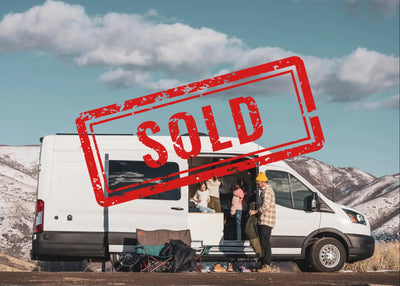
Weight becomes a much bigger factor once you start driving through the Rockies. We’ve seen vans perform well on flat highways and struggle the moment elevation, snow, and steep grades come into play.
If you plan to travel in the mountains, understanding weight and setup is not optional. It directly affects safety, handling, and long-term reliability.
What Makes Rocky Mountain Travel Unique for Camper Vans
Terrain, Weather, and Elevation Challenges
Rocky Mountain travel combines several demanding conditions:
-
Steep climbs and descents
-
Rapid weather changes
-
High-altitude driving
Each of these puts extra stress on both the vehicle and its systems.
Why Standard Camper Vans Struggle
Standard vans are often designed for moderate climates and flatter terrain.
In the mountains, they can face:
-
Reduced engine performance at altitude
-
Cold-weather system failures
-
Limited traction in snow
We’ve worked on many vans that were not prepared for these conditions. Most issues come back to weight, insulation, and system design.
Why You Need a Four-Season Camper Van for the Rockies
Cold Weather Performance
Temperatures can drop quickly, even outside winter.
A four-season setup includes:
-
Proper insulation
-
Reliable heating
-
Protected water systems
Without these, comfort and safety both suffer.
High Altitude Considerations
At higher elevations:
-
Engines lose power
-
Fuel efficiency drops
-
Systems work harder
Heavier vans feel this more. That is why weight balance and overall load matter.
Year-Round Travel Benefits
A well-prepared van allows you to travel:
-
In the snow during winter
-
Through high passes in summer
-
In remote areas year-round
This flexibility is what most mountain travelers are looking for.
Key Features for Rocky Mountain Camper Van Travel
Insulation for Extreme Weather
Insulation helps regulate temperature and prevent condensation.
It keeps heat in during winter and reduces heat gain in summer.
Heating Systems for Cold Nights
Reliable heating is essential.
Diesel or integrated heating systems provide consistent warmth without relying on external power.
Off-Grid Power for Remote Areas
Mountain travel often means no hookups.
You need:
-
High-capacity batteries
-
Solar support
-
Efficient power usage
This allows longer stays without relying on campsites.
Water System Protection in Freezing Conditions
Freezing temperatures can damage water systems.
A good setup includes:
-
Insulated water lines
-
Protected tanks
-
Drain options when needed
We’ve seen frozen systems cause major repairs when not planned properly.
Best Camper Van Setups for Rocky Mountain Travel
Winter-Ready Camper Vans
Designed for cold weather, these vans focus on insulation, heating, and system protection.
They perform well in snow and freezing temperatures.
Off-Grid Adventure Vans
These setups prioritize independence.
They include:
-
Larger power systems
-
Increased storage
-
Flexible layouts for gear
Compact vs Extended Vans for Mountain Roads
Compact vans:
-
Easier to maneuver on narrow roads
-
Better for tight parking
Extended vans:
-
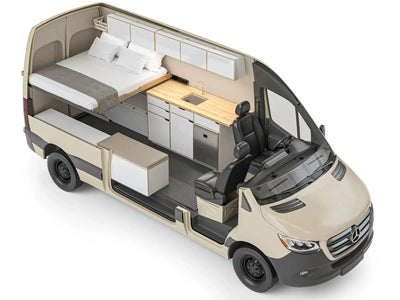
More interior space
-
Better for longer trips
From experience, both work. The right choice depends on how you balance space with driving comfort.
Rocky Mountain Travel: Real-World Use Cases
Winter Camping in Snow
Requires:
-
Strong heating
-
Insulated systems
-
Good traction
Without these, trips can become difficult quickly.
Summer High-Altitude Travel
Even in summer:
-
Nights can be cold
-
The weather can change quickly
Ventilation and insulation still matter.
Remote Camping and Boondocking
Remote areas require:
-
Reliable power
-
Water storage
-
Efficient layouts
These trips highlight the importance of system reliability.
How to Properly Weigh Your Van
Understanding your van’s weight is critical before heading into the mountains.
Front Axle
Check the load on the front axle to ensure proper steering and braking balance.
Rear Axle
Rear axle weight is often higher due to storage and systems.
Avoid overloading this area.
Total Weight
Weigh the fully loaded van, including passengers, gear, and water.
Compare
Compare your total weight to the manufacturer’s limits.
Staying within limits improves safety and performance.
Four Season vs Standard Camper Vans (For Mountain Travel)
Comparison Table
|
Feature |
Four-Season Van |
Standard Van |
|
Insulation |
Full and optimized |
Basic or limited |
|
Heating |
Integrated system |
Minimal or none |
|
Water Protection |
Freeze-resistant |
Exposed systems |
|
Off-Grid Capability |
High |
Limited |
|
Year-Round Use |
Yes |
Mostly seasonal |
What Works Best in the Rockies
Four-season vans consistently perform better in mountain conditions.
They reduce system failures and improve comfort across seasons.
Who Should Choose a Camper Van for Rocky Mountain Travel
Adventure Travelers
If your trips include hiking, skiing, or biking, a mountain-ready van supports those activities better.
Full-Time Van Lifers
Living in the van requires systems that can handle changing conditions year-round.
Weekend Explorers
Even short trips benefit from better insulation and reliable systems, especially in colder months.
Common Mistakes When Traveling the Rockies in a Camper Van
Underestimating Weather Conditions
The weather changes quickly in the mountains. Always plan for colder conditions than expected.
Choosing the Wrong Van Setup
A van designed for mild climates may struggle in mountain environments.
Ignoring Off-Grid Needs
Many mountain locations do not have hookups. Planning for self-sufficiency is essential.
Explore Vans Built for Rocky Mountain Travel
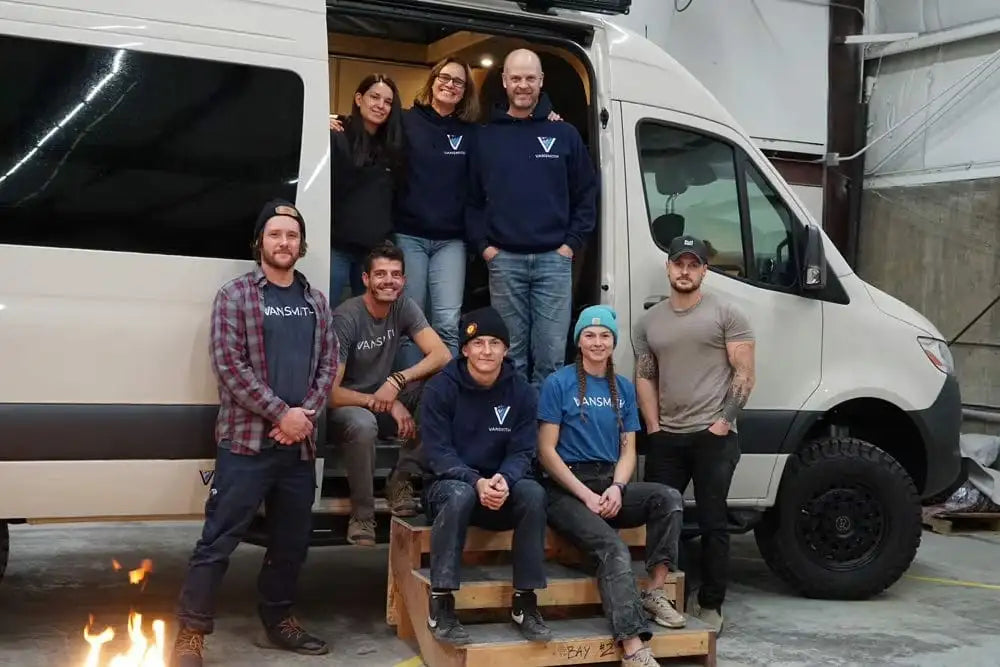
At The Vansmith, we design vans based on real use in Colorado conditions.
Our focus is on:
-
Four-season capability
-
Balanced weight distribution
-
Reliable off-grid systems
Compare Vansmith Vans
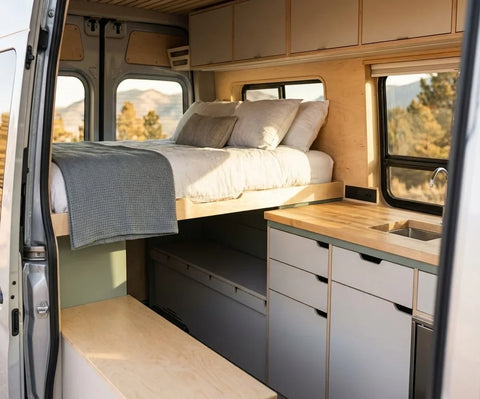
Looking at different layouts helps you understand what fits your travel style best.
Talk to a Vansmith Expert
If you are unsure about weight, layout, or systems, it helps to speak with someone who has seen how these vans perform over time.
FAQs
Can you use a camper van in the Rocky Mountains year-round?
Yes, with a properly equipped four-season setup designed for cold weather and high altitude.
What kind of van is best for mountain travel?
A well-insulated van with reliable heating, balanced weight, and off-grid capability performs best.
How do you stay warm in a camper van in winter?
Use proper insulation, a reliable heating system, and manage airflow to reduce heat loss.