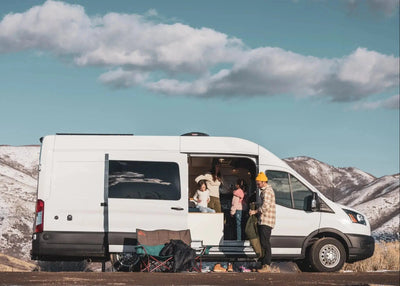
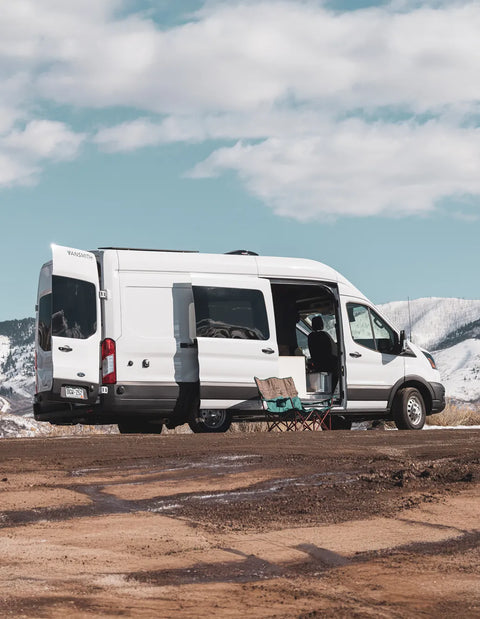
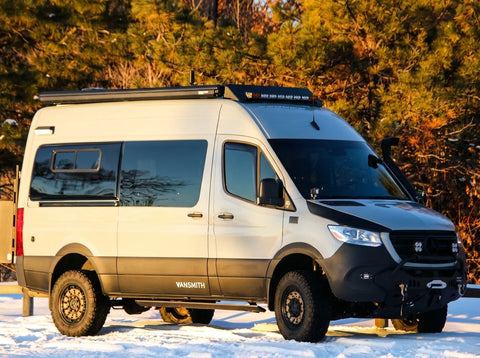
One of the first lessons many van travelers learn is that some of the best campsites in the country are not in paid campgrounds. Over the years, we have spent countless nights on public lands, forest roads, and quiet desert pullouts while traveling through Colorado, Utah, Arizona, and the Pacific Northwest.
If you are wondering where to camp for free, the answer usually starts with understanding public land, local regulations, and how experienced travelers scout safe, legal sites.
What Is Free Camping?
Free camping refers to camping outside paid campgrounds, usually on public land managed by federal, state, or local agencies.
You may also hear it called:
-
Dispersed camping
-
Boondocking
-
Primitive camping
-
Dry camping
Most free camping in the USA involves limited or no amenities. That means no hookups, bathrooms, or reserved campsites.
For many travelers, though, the tradeoff is worth it. You gain privacy, flexibility, and access to quieter places that traditional campgrounds cannot offer.
Where Can You Camp for Free?
The most common answer to where can you camp for free is public land.
Free Camping on BLM Land
Bureau of Land Management land offers some of the best free camping united states travelers can access.
BLM areas are especially popular in:
-
Arizona
-
Utah
-
Nevada
-
Colorado
-
California
Most BLM camping allows dispersed camping for up to 14 days in one area.
For official rules and maps, visit BLM Camping Guidelines.
Free Camping in National Forests
National forests are another major source of free campgrounds that USA travelers rely on.
Many forests allow dispersed camping along designated roads and public access areas.
You can review official dispersed camping guidance through US Forest Service Dispersed Camping Rules.
Free Camping on Public Lands
Public lands include:
-
BLM land
-
National forests
-
Some state lands
-
Certain county-managed lands
Rules vary by region, so checking local regulations matters before setting up camp.
Overnight RV Parking Options
Many RV travelers asking where can I camp in my RV for free also use overnight parking options such as:
-
Walmart locations
-
Truck stops
-
Casino parking lots
-
Rest areas
Policies vary widely, so always ask permission and follow posted rules.
Free Camping Near National Parks
Camping directly inside national parks is rarely free. However, nearby BLM and forest lands often provide excellent alternatives.
In Colorado and the West, some of the best campsites sit just outside park boundaries.
Free Camping on State and County Lands
Some states allow limited dispersed camping on state trust lands or county-managed recreation areas.
Research ahead of time because regulations differ significantly.
Where Can You Legally Camp for Free?
The question is not only where can you go camping for free, but where can you legally camp for free.
Understanding Public Land Rules
Public land does not mean unrestricted land.
Every agency sets rules regarding:
-
Length of stay
-
Campfire use
-
Vehicle access
-
Waste disposal
-
Distance from roads or water
BLM Camping Regulations Explained
Most BLM areas allow up to 14 consecutive days of camping within a 28-day period.
After that, travelers must relocate to another designated area.
National Forest Dispersed Camping Rules
Many forests require camping within specific corridors near forest roads.
Motor Vehicle Use Maps help identify legal camping zones.
You can access official MVUM resources through US Forest Service MVUM Maps.
How Long Can You Stay at Free Campsites
Stay limits commonly range from:
-
7 days
-
14 days
-
21 days
Always verify local restrictions before settling into a longer stay.
Areas Where Free Camping Is Not Allowed
Camping restrictions often apply near:
-
Water sources
-
Trailheads
-
wildlife habitats
-
Developed recreation areas
-
Private property boundaries
Leave No Trace Guidelines for Free Camping
Responsible camping keeps public lands open for future travelers.
Basic Leave No Trace practices include:
-
Pack out all trash
-
Respect quiet hours
-
Avoid damaging vegetation
-
Use existing campsites when possible
-
Follow fire restrictions carefully
How to Find Free Campsites
Learning how to find campsites becomes easier with experience.
Most experienced travelers combine several tools instead of relying on one app alone.
Using Public Land Maps
Public land maps help identify legal camping zones before arrival.
This matters especially in mixed-use areas where private land borders public land closely.
How to Read Motor Vehicle Use Maps (MVUMs)
MVUMs show which roads allow vehicle travel and camping access.
They are not always easy to read at first, but they become one of the most reliable tools for finding legal dispersed camping.
Using Satellite Maps and Google Earth
Satellite imagery helps identify:
-
Flat pullouts
-
Road conditions
-
Tree cover
-
Water crossings
-
Existing campsites
Many travelers asking how to find free campsites eventually rely heavily on satellite maps.
How Experienced Campers Scout Free Camping Areas
After years of road travel, we usually look for:
-
Existing fire rings
-
Turnaround space
-
Cell signal access
-
Safe road conditions
-
Distance from highways
Arriving before dark also makes site scouting much easier.
How to Avoid Crowded or Unsafe Camping Spots
Good signs include:
-
Respectful spacing between camps
-
Clean surroundings
-
Stable ground conditions
Red flags include heavy trash, unsafe road access, or obvious long-term encampments.
How to Find Dispersed Camping
What Is Dispersed Camping?
Dispersed camping means camping outside developed campgrounds on public land.
There are usually no services or marked sites.
Best Areas for Dispersed Camping in the US
Some of the best free camping in the us is concentrated in western states because of large public land access.
Popular regions include:
-
Colorado
-
Utah
-
Arizona
-
Idaho
-
Montana
-
Oregon
For Colorado-specific options, Wilderspot Colorado Free Camping Guide provides useful regional examples.
How to Identify Legal Dispersed Camping Zones
Look for:
-
Forest road markers
-
Existing campsites
-
Public land boundaries
-
Local ranger district guidance
How to Find Remote Campsites Off Forest Roads
Many travelers exploring how to find dispersed camping eventually learn that side roads often provide quieter camping than heavily trafficked main routes.
Road quality matters though. Heavy vans can get stuck surprisingly easily on soft forest roads.
Safety Tips for Dispersed Camping
-
Carry recovery gear
-
Download offline maps
-
Avoid flood-prone washes
-
Monitor weather forecasts
-
Tell someone your route when traveling remotely
Best Apps for Finding Free Camping
Many people asking what is the best camping app really need a combination of tools.
iOverlander
Popular for van life and overlanding.
The Dyrt
Useful for campground reviews and public land options.
Campendium
Strong filtering for RV travelers and cell signal reports.
Gaia GPS
Excellent for navigation and offline mapping.
OnX Offroad
Helpful for land ownership and trail access.
FreeRoam
Useful for solar conditions, public land layers, and campsite research.
Roadtrippers
Good for route planning and trip organization.
Which Camping App Is Best for RV Travelers?
Campendium and iOverlander remain popular for RV travel because they include road conditions, campsite reviews, and size limitations.
Which App Is Best for Boondocking and Van Life?
Most van travelers combine:
-
iOverlander
-
Gaia GPS
-
Satellite maps
That combination usually works better than depending on one source alone.
What Is the Best Camping App?
The answer depends on travel style.
Best Overall Camping App
Gaia GPS offers some of the strongest mapping and offline navigation tools.
Best App for Free Campsites
iOverlander remains one of the most widely used resources for free camping in usa travel.
Best App for RV Camping
Campendium works especially well for larger RV route planning.
Best App for Dispersed Camping
Gaia GPS paired with MVUM maps provides excellent dispersed camping research.
Best Offline Navigation App for Camping
Offline mapping becomes critical in remote areas without service.
Best Camping Apps for Van Life and Overlanding
Most experienced travelers use several apps together rather than relying on one platform.
Free Camping in the USA for RV Travelers
Where Can I Camp in My RV for Free?
Public lands remain the best answer for long-term free RV camping.
Walmart, Truck Stops, and Overnight Parking
Overnight parking is not always considered full camping, but it helps during transit days.
Always check local store policies first.
BLM Boondocking for RVs
BLM boondocking works especially well for self-contained camper vans and RVs.
Best States for Free RV Camping
The strongest public land access exists in:
-
Arizona
-
Utah
-
Colorado
-
Nevada
-
Idaho
How to Find RV-Friendly Free Campsites
When scouting sites, consider:
-
Turnaround space
-
Road width
-
Clearance
-
Mud conditions
-
Solar exposure
Dump Stations and Water Refill Tips
Free camping works best when paired with careful resource management.
Many travelers refill water near:
-
Truck stops
-
Visitor centers
-
Public campgrounds
-
Outdoor stores
Free Camping in the United States by Region
Best Free Camping in the Western US
The western US provides the largest amount of public land camping access.
Free Camping in Arizona
Arizona remains one of the best winter boondocking states because of mild desert weather.
Free Camping in Utah
Utah offers excellent BLM access near national parks and red rock areas.
Free Camping in Colorado
Colorado combines mountain forest roads with extensive public land access.
Free Camping in California
California offers coastal and forest options, though restrictions can vary heavily.
Free Camping in the Pacific Northwest
Oregon and Washington provide excellent forest camping opportunities during summer months.
Free Camping Options in the Eastern US
The eastern US has less public land overall, but national forests still offer dispersed camping in some regions.
How to Find Camping Spots That Are Safe and Legal
Checking Land Ownership Before Camping
Land ownership apps help avoid accidental trespassing.
Understanding Local Restrictions and Fire Bans
Fire bans change frequently during dry seasons.
Always verify restrictions locally before using stoves or campfires.
Finding Campsites With Cell Signal
Many remote workers prioritize signal strength when selecting campsites.
Apps like Campendium often include carrier reports.
Avoiding Private Property and Restricted Areas
Boundary awareness matters, especially near western ranchlands and mixed public access zones.
Choosing Safe Camping Locations for Solo Travelers
Well-traveled public land corridors often feel safer than isolated unknown roads for solo travelers.
Free Camping for Van Life and Overlanding
Best Free Camping Spots for Camper Vans
Camper vans work especially well for dispersed camping because of their size and maneuverability.
Stealth Camping vs Dispersed Camping
Stealth camping usually refers to urban overnight parking. Dispersed camping happens on public land.
Finding Campsites Near Cities
Public lands near cities fill quickly, especially during weekends and summer travel seasons.
Off-Grid Camping Tips for Van Life
Reliable off-grid travel depends on:
-
Solar power
-
Water storage
-
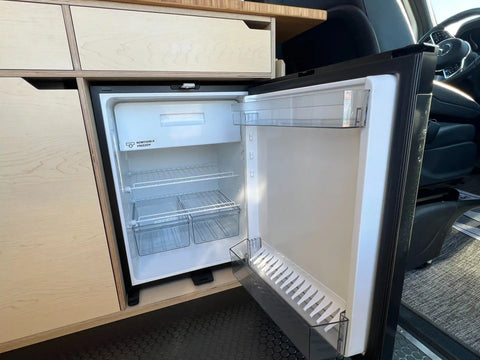
Efficient refrigeration
-
Good insulation
-
Careful battery management
Best Public Lands for Long-Term Travel
Western public lands remain some of the best long-term travel resources in the country.
If you are exploring layouts designed for extended off-grid travel, our Camper Van For Sale In USA resources offer useful starting points.
Essential Tips for Free Camping
Arrive Before Dark
Finding safe campsites becomes much harder at night.
Always Have Backup Camping Locations
Good sites fill quickly during busy seasons.
Carry Offline Maps
Offline navigation matters in remote areas without service.
Pack Out Trash and Waste
Public land access depends on responsible use.
Respect Stay Limits and Quiet Hours
Ignoring stay limits damages relationships between travelers and land managers.
Common Mistakes People Make When Free Camping
Camping on Private Land by Accident
This is one of the most common beginner mistakes.
Ignoring Fire Restrictions
Wildfire risk changes quickly throughout the West.
Getting Stuck on Forest Roads
Heavy vehicles and muddy roads create problems fast.
Depending Only on One Camping App
No app is completely accurate or updated in real time.
Staying Too Close to Water Sources
Many public lands require minimum setbacks from lakes and streams.
Final Thoughts
Learning where can I go camping for free takes time, patience, and good judgment. The best campsites are rarely the easiest to find.
Over the years, we have found that responsible travel matters just as much as good gear. Travelers who respect public lands, follow local rules, and camp thoughtfully help preserve access for everyone else.
For van travelers, free camping becomes much easier when your vehicle is designed around long-term comfort, efficient storage, and reliable off-grid systems.
If you are planning future trips or refining your current setup, you can explore options through Camper van for sale or learn more about thoughtful system planning through Customize Your Van.
Travelers preparing for longer off-grid routes often also benefit from practical Service & Upgrades that improve power systems, storage efficiency, and four-season usability.
Frequently Asked Questions About Free Camping
Where can I camp for free in the USA?
You can camp for free on many BLM lands, national forests, and some state-managed public lands.
Can you camp anywhere on public land?
No. Public lands still have regulations regarding camping zones, stay limits, and vehicle access.
What is dispersed camping?
Dispersed camping means camping outside developed campgrounds on public land.
Is free camping legal in the United States?
Yes, when done in approved public land areas and according to local regulations.
What is the best app for finding free campsites?
Many travelers prefer iOverlander, Campendium, and Gaia GPS together.
Can RVs camp for free on BLM land?
Yes. Many BLM areas allow RV boondocking within designated stay limits.
How long can you stay at a free campsite?
Many public lands allow up to 14 days, though rules vary by area.
Is overnight parking considered camping?
Sometimes. Local rules determine whether overnight parking qualifies as camping.
How do I find safe dispersed camping spots?
Use public land maps, satellite imagery, recent campsite reviews, and arrive before dark whenever possible.