The truck camper vs camper van debate usually starts after someone spends enough weekends loading gear, chasing weather, or trying to make remote travel more comfortable. We have worked with travelers coming from pickup campers, trailers, and DIY rigs who eventually realized that how a vehicle drives matters just as much as where it sleeps.
Both setups can support long road trips and off-grid camping. The better choice depends on how you travel, where you camp, and how often you are on the road.
What Is a Truck Camper?
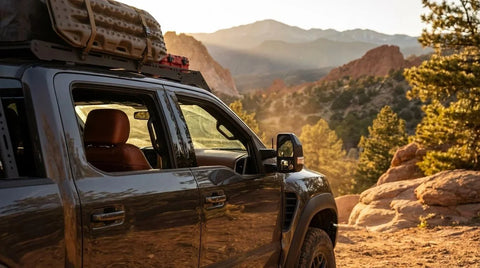
A truck camper is a removable living unit that sits in the bed of a pickup truck. Most include sleeping space, storage, a small kitchen, and sometimes a bathroom.
Truck campers appeal to travelers who want:
-
Strong off-road capability
-
Flexibility between truck and camper use
-
Compact camping setups
-
Access to rough terrain
Many truck campers are paired with heavy-duty pickups designed to carry large payloads.
What Is a Camper Van?
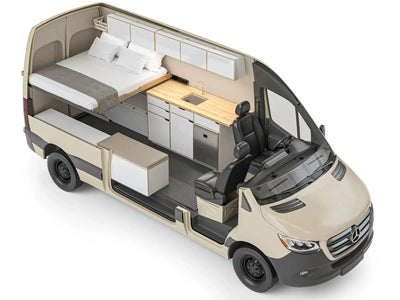
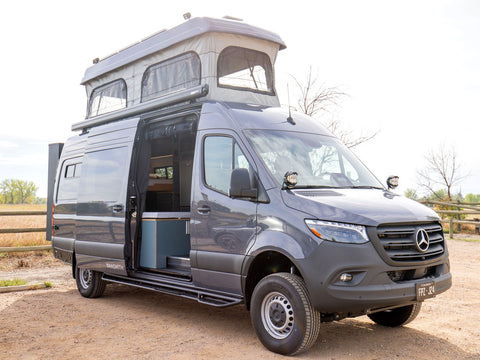
A camper van combines the vehicle and living space into one integrated platform. Unlike larger RVs, camper vans are designed for easier driving, tighter parking, and more efficient travel.
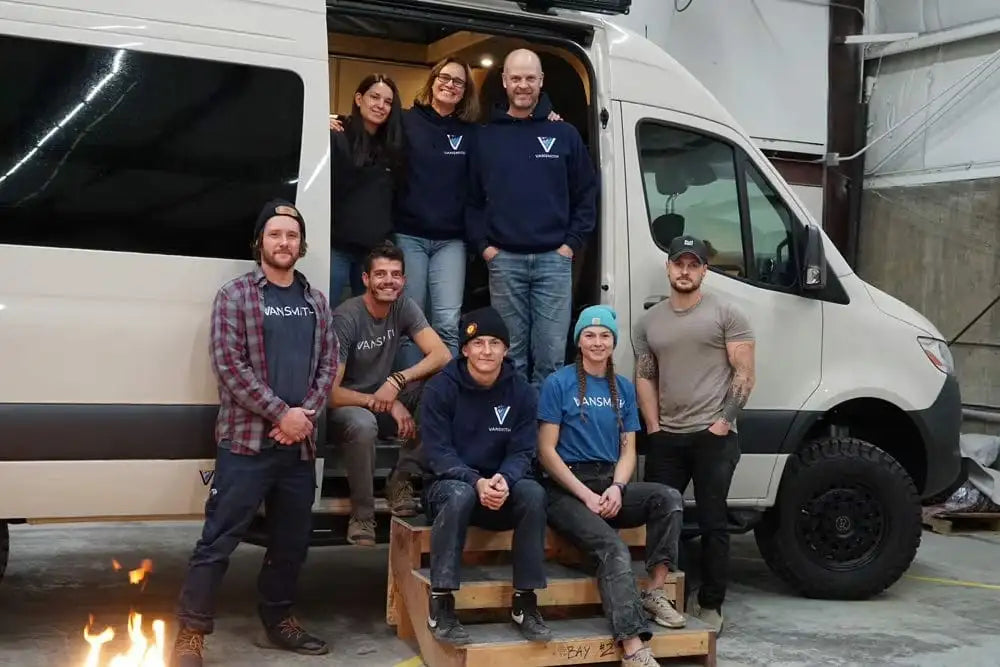
At The Vansmith, we have seen more travelers move toward camper vans because they simplify everyday use. There is less setup, fewer moving parts, and a smoother driving experience overall.
How Camper Vans Differ From Traditional RVs
Traditional RVs prioritize interior space. Camper vans prioritize mobility and efficiency.
That difference changes daily travel in important ways:
-
Easier parking
-
Better fuel economy
-
Faster campsite setup
-
Better handling in cities and mountain roads
For many travelers, especially couples or solo adventurers, that tradeoff feels worthwhile after long trips.
Types of Camper Vans and Van Conversions
The most common camper van platforms include:
-
Mercedes Sprinter
-
Ford Transit
-
Ram ProMaster
Each platform supports different layouts, driving styles, and travel priorities.
Sprinter Van vs Transit vs ProMaster
The sprinter van vs truck camper comparison comes up often because Sprinter vans balance interior height, diesel efficiency, and off-grid capability well.
Transit vans usually offer:
-
Lower maintenance costs
-
Strong service availability
-
Flexible layouts
ProMaster vans provide:
-
Wide interiors
-
Lower floor height
-
Simpler front-wheel-drive systems
Over the years, we have learned that the right platform depends less on trends and more on how people actually travel.
Who Should Choose a Camper Van?
Camper vans work especially well for:
-
Weekend travelers
-
Remote workers
-
Couples
-
Solo travelers
-
Skiers, climbers, and bikers
-
People who drive daily
Travelers who move frequently between destinations often appreciate how simple camper vans feel compared to larger RV setups.
Truck Camper vs Camper Van: Key Differences
Mobility and Driving Experience
One of the biggest differences between a truck camper vs van setup is driving comfort.
Camper vans feel more stable and connected because the living area is integrated into the chassis. Truck campers place significant weight higher above the truck bed, which can affect handling in wind and mountain roads.
After years of Colorado driving conditions, we have found that driver fatigue matters more than many people expect during long trips.
Interior Living Space and Comfort
Truck campers maximize vertical space surprisingly well. However, camper vans often provide a more open and connected interior flow.
Good layouts matter more than square footage alone.
Purpose-driven interiors support:
-
Better movement
-
Easier storage access
-
Cleaner kitchen use
-
Comfortable sleeping arrangements
Storage Capacity and Layout
Truck campers often carry more gear weight. Camper vans usually offer more organized storage integration.
That difference becomes noticeable during long-term travel.
Parking and Maneuverability
Camper vans are generally easier to park in cities, trailheads, grocery lots, and tight campgrounds.
That convenience affects daily travel more than many first-time buyers realize.
Off-Road and Overlanding Capability
Truck campers paired with capable trucks can perform extremely well on rough terrain.
Still, modern AWD camper vans continue improving for backcountry travel. Ground clearance, tire selection, and weight distribution all matter more than vehicle category alone.
Fuel Economy Comparison
Camper vans usually achieve better fuel efficiency than heavy-duty truck camper setups.
That gap becomes significant during long-distance travel.
Daily Driving Convenience
Many travelers eventually prefer camper vans because they transition more naturally between road trips and normal driving.
The integrated layout keeps everything accessible without repeated loading and unloading.
Maintenance and Repair Costs
Truck campers involve two separate systems:
-
Truck maintenance
-
Camper maintenance
Camper vans centralize many systems into one platform, though repair complexity depends on the specific chassis.
Sprinter Van vs Truck Camper
Interior Space Comparison
A high-roof Sprinter van often feels more open because of uninterrupted interior flow.
Truck campers can feel taller inside but more segmented.
Off-Grid Travel Capability
Both platforms can support strong off-grid systems with:
-
Solar
-
Lithium batteries
-
Water storage
-
Heating systems
At The Vansmith, we focus heavily on efficient electrical layouts because reliable off-grid travel depends on thoughtful system planning.
Winter Camping and Insulation
Colorado winters quickly expose weak insulation systems.
Well-designed camper vans often maintain temperature better because insulation and heating can integrate directly into the vehicle structure.
Stealth Camping Advantages
Camper vans usually blend into urban environments more easily than truck campers.
That matters for travelers moving through cities or overnight parking situations.
Which Option Handles Rough Terrain Better?
Truck campers paired with serious off-road trucks still hold an advantage in extreme terrain.
For mixed travel involving highways, towns, and moderate dirt roads, camper vans often strike a more balanced compromise.
Long-Term Travel Comfort Comparison
Long-term comfort usually comes down to workflow:
-
Cooking
-
Sleeping
-
Storage access
-
Workspace layout
-
Climate control
Integrated layouts often feel less tiring during months on the road.
Truck Camper vs Van Conversion
The truck camper vs van conversion comparison usually centers around flexibility and cost.
Truck campers offer removable living systems. Vans provide a fully integrated travel platform.
Cost of Buying and Building
Truck campers can cost less initially if you already own a truck.
Camper vans often require larger upfront investment but may simplify long-term travel logistics.
DIY Conversion vs Ready-to-Go Camper
Some travelers enjoy DIY projects. Others prefer professionally finished systems that are road-tested and service-supported.
We regularly see people underestimate how much daily usability depends on careful layout planning.
Customization Flexibility
Different travelers prioritize different needs:
-
Gear storage
-
Remote work
-
Family sleeping
-
Bike storage
-
Winter camping
Thoughtful layouts support those priorities without overcomplicating the interior.
Power Systems and Solar Setup
Modern camper vans commonly support larger integrated solar systems with clean battery management and efficient charging.
Bathroom and Kitchen Options
Truck campers sometimes fit larger wet baths in compact footprints.
Camper vans usually prioritize flexible open layouts and simpler maintenance access.
Full-Time Living Considerations
For full-time travel, small frustrations compound quickly.
Easy movement, reliable systems, and accessible storage often matter more than maximizing every inch of space.
Camper Van vs Travel Trailer
The camper vs. travel trailer comparison often comes down to towing.
Driving vs Towing Experience
Camper vans remove towing complexity entirely.
Travel trailers allow larger living areas but add setup and towing demands.
Setup Time at Campgrounds
Camper vans are much faster to settle into at the end of a long driving day.
Living Space and Amenities
Travel trailers provide more interior space for families and extended stays.
Fuel Costs and Efficiency
Camper vans usually outperform travel trailers in fuel efficiency.
Parking and Storage Challenges
Trailers require dedicated storage and create parking limitations during travel.
Which Is Better for Families?
Larger families may benefit from trailers or larger RVs with expanded sleeping space.
Which Is Better for Solo Travelers or Couples?
Camper vans often feel more practical for couples and solo travelers who move frequently.
Truck Camper vs Van for Off-Grid Camping
Best Choice for Remote Camping
Both platforms can support remote camping well.
The deciding factors usually include:
-
Terrain
-
Battery capacity
-
Water storage
-
Travel frequency
Water Storage and Battery Capacity
Integrated camper van systems often distribute weight more evenly for long-term off-grid travel.
Solar Power and Generator Setup
Efficient solar charging has become one of the biggest improvements in modern camper van travel over the past decade.
Terrain and Ground Clearance
Truck campers maintain an advantage in highly technical off-road terrain.
Recovery and Emergency Situations
Weight distribution and vehicle familiarity matter heavily during recovery situations in remote areas.
Truck Camper vs Camper Van for Full-Time Living
Comfort for Long-Term Travel
Camper vans often feel easier to live in daily because systems work together more naturally.
Bathroom and Shower Convenience
Both platforms offer bathroom options, though layouts vary significantly.
Workspace and Remote Work Setup
Remote workers usually prioritize:
-
Stable power systems
-
Comfortable seating
-
Reliable climate control
-
Quiet interiors
Pet-Friendly Living
Integrated layouts can make movement easier for pets during long trips.
Climate Control and Seasonal Travel
Well-insulated vans paired with diesel heating systems perform reliably across changing seasons.
Cost Comparison: Truck Camper vs Camper Van
Initial Purchase Cost
Truck campers may cost less upfront if paired with an existing truck.
Conversion and Build Expenses
Professional camper vans generally involve higher initial investment because systems integrate throughout the vehicle.
Insurance Costs
Insurance varies based on platform, modifications, and travel usage.
Maintenance and Repairs
Truck campers involve maintaining two connected systems. Camper vans centralize more systems together.
Fuel and Travel Costs
Camper vans usually provide lower long-term fuel costs.
Long-Term Ownership Value
Well-maintained camper vans often retain value strongly because demand remains high for reliable travel-ready layouts.
Pros and Cons of Truck Campers
Advantages of Truck Campers
-
Strong off-road capability
-
Removable camper flexibility
-
Good payload options
-
Useful for remote terrain
Drawbacks of Truck Campers
-
Taller center of gravity
-
More challenging handling
-
Separate truck and camper systems
-
Harder urban parking
Pros and Cons of Camper Vans
Advantages of Camper Vans
-
Easier driving experience
-
Better maneuverability
-
Faster campsite setup
-
Strong fuel efficiency
-
Better stealth camping capability
Drawbacks of Camper Vans
-
Higher upfront investment
-
Limited interior space compared to larger RVs
-
Less flexibility once layouts are finalized
Which Option Is Better for Different Travel Styles?
Best for Weekend Camping
Camper vans simplify quick weekend departures and short trips.
Best for Full-Time Van Life
Integrated layouts usually support long-term comfort more effectively.
Best for Off-Road Adventures
Truck campers still excel in demanding terrain with properly equipped trucks.
Best for Urban and Stealth Camping
Camper vans remain the better option for cities and discreet overnight travel.
Best for Families
Larger families may prefer trailers or larger RV platforms.
Best for Digital Nomads
Camper vans support remote work especially well because of integrated power systems and flexible interiors.
Final Verdict: Truck Camper vs Camper Van
The right answer in the truck camper vs camper van discussion depends on how you travel, not just where you camp.
Truck campers work well for extreme terrain, removable flexibility, and rugged truck-based travel.
Camper vans offer a smoother daily experience for most travelers. Easier driving, integrated systems, efficient layouts, and simpler setup often make long-term travel less stressful and more enjoyable.
After years of seeing how people actually use their rigs across Colorado and the West, we have found that the best setup is usually the one that removes friction from the trip.
If you are exploring a camper van for sale or comparing layouts for long-term travel, focusing on usability over trends usually leads to better decisions.
You can also explore thoughtful layout planning through Class B Camper Vans for Sale or learn more about long-term ownership support through Service & Upgrades.
For travelers refining layouts and storage systems, our Customize Your Van resources provide additional guidance for different travel styles.
Frequently Asked Questions
Is a truck camper better than a camper van?
It depends on travel style. Truck campers perform well off-road, while camper vans offer easier daily driving and integrated living.
Are camper vans easier to drive than truck campers?
Yes. Most camper vans feel more stable and maneuverable than truck campers.
Which is cheaper: a truck camper or a van conversion?
Truck campers can cost less initially, especially if you already own a truck.
Can you live full-time in a truck camper?
Yes, though interior space and storage limitations become more noticeable over time.
Is a Sprinter van worth it for van life?
For many travelers, yes. Sprinter vans provide strong interior height, off-grid capability, and long-distance comfort.
Which option is better for off-road travel?
Truck campers generally perform better in highly technical terrain.
Are truck campers safer than camper vans?
Safety depends heavily on driving conditions, weight distribution, tires, and driver experience.
What is the best setup for long-term travel?
For many couples and solo travelers, camper vans offer the best balance of comfort, efficiency, and mobility.
About the author

Eugene Smit
CEO
Eugene is the CEO of The Vansmith, based in Boulder, Colorado. He writes across topics related to van builds, ownership, and the camper van industry.
Read more about Eugene