Can You Safely Use Streams and Lakes for Camper Van Water?
Yes, you can use streams and lakes as water sources for a 4x4 camper van, but you should never drink untreated water directly from nature. Safe use requires proper filtration, purification, and freshwater system management to remove bacteria, parasites, viruses, sediment, and other contaminants.
For travelers who enjoy remote camping and extended off-grid adventures, natural water sources can dramatically increase self-sufficiency. However, clear water is not always safe water.
Even pristine mountain streams may contain harmful microorganisms that can cause serious illness.
The key is learning how to collect, filter, purify, and store water safely before adding it to your camper van's freshwater system.
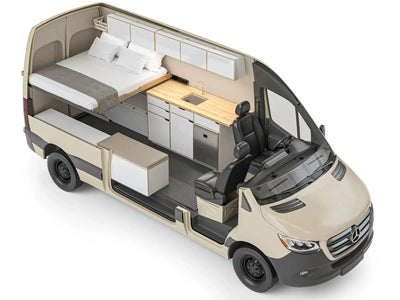
If you're planning extended off-grid travel, a well-equipped 4x4 camper van can provide the storage, filtration, and water management systems needed for longer adventures away from developed campgrounds.
Why Untreated Water Can Be Dangerous
One of the biggest misconceptions among outdoor travelers is that clear water equals clean water.
Unfortunately, harmful contaminants are often invisible.
Common Waterborne Risks
Natural water sources may contain:
Giardia
A parasite that causes giardiasis, leading to severe digestive issues and dehydration.
Cryptosporidium
A microscopic parasite resistant to some treatment methods.
Harmful Bacteria
Examples include:
- E. coli
- Salmonella
- Campylobacter
Viruses
Water near heavily used recreation areas may contain viruses introduced by human activity.
Sediment and Organic Matter
Dirt, sand, leaves, and algae can clog filters and contaminate freshwater systems.
When you're miles from medical assistance, avoiding waterborne illness becomes even more important.
Step 1: Choose the Best Water Source
Not All Water Sources Are Equal
The cleaner your source water, the easier it will be to treat effectively.
Best Water Sources for Camper Van Travelers
Whenever possible, collect water from:
- ✅ Fast-moving streams
- ✅ Higher-elevation sources
- ✅ Areas upstream from campsites
- ✅ Locations away from livestock
- ✅ Clear water with minimal sediment
Water Sources to Avoid
Avoid collecting water from:
- ❌ Stagnant ponds
- ❌ Algae-covered water
- ❌ Agricultural runoff zones
- ❌ Downstream campgrounds
- ❌ Areas with visible contamination
A few extra minutes spent finding a cleaner source can significantly improve water quality and reduce stress on your filtration system.
Step 2: Filter the Water
Why Filtration Matters
Filtration removes:
- Sediment
- Dirt
- Protozoa
- Many bacteria
It also improves taste and helps protect your camper van's plumbing components.
Gravity Water Filters
Gravity systems allow water to pass through a filter without pumping.
Advantages
- Minimal effort
- Excellent for large volumes
- Ideal for groups and families
Limitations
- Slower processing speed
Many travelers using family van conversions appreciate gravity systems because they can produce larger quantities of water with little effort.
Pump Filters
Pump filters are popular among overlanders and backcountry travelers.
Advantages
- Reliable performance
- Effective for remote water collection
- Faster than gravity systems
Limitations
- Requires manual pumping
Squeeze Filters
These lightweight systems are ideal for minimalist adventures.
Advantages
- Compact
- Affordable
- Easy to store
Limitations
- Better suited for smaller quantities
Integrated Camper Van Filtration Systems
Many modern camper vans incorporate onboard filtration systems.
Benefits
- Convenient access to filtered water
- Continuous treatment
- Better taste and odor control
Important Note
Most integrated systems work best as secondary filtration rather than the sole treatment method for untreated wilderness water.
Many premium luxury camper vans include advanced water management systems designed to improve safety and convenience during extended travel.
Step 3: Purify the Water
Why Filtration Alone Isn't Always Enough
Filtration removes many contaminants, but it may not eliminate every pathogen.
For additional protection, purification is often recommended.
Boiling Water
The Most Reliable Backup Method
Boiling remains one of the most effective purification techniques available.
At Sea Level
Boil water for at least:
- 1 minute
Above 6,500 Feet
Boil water for at least:
- 3 minutes
Advantages
- Highly effective
- Kills bacteria, viruses, and parasites
Disadvantages
- Uses fuel
- Requires cooling time
Chemical Water Treatments
Lightweight Emergency Protection
Popular options include:
Chlorine Dioxide Tablets
Effective against many pathogens.
Iodine Treatments
A compact backup solution.
Advantages
- Lightweight
- Easy to carry
- Long shelf life
Disadvantages
- Waiting periods required
- May affect taste
UV Water Purifiers
Fast and Convenient
UV systems use ultraviolet light to neutralize microorganisms.
Benefits
- Fast treatment
- No chemicals
- Minimal taste impact
Limitations
- Requires battery power
- Most effective with clear water
For travelers who rely heavily on off-grid systems, combining filtration and UV purification often provides excellent protection.
Do You Need Both Filtration and Purification?
The Multi-Barrier Approach
Many experienced overlanders use multiple treatment methods.
Lower-Risk Areas
A high-quality filtration system may be sufficient.
High-Use Recreation Areas
Combining filtration and purification provides an extra layer of protection.
This approach is especially valuable during long-term remote travel, where illness can significantly disrupt your trip.
How to Fill Your Camper Van Freshwater Tank Safely
A Simple Water Collection Workflow
Following a consistent process helps protect your entire water system.
Step 1
Collect raw water using portable containers.
Step 2
Filter or purify the water.
Step 3
Transfer treated water into the freshwater tank.
Step 4
Use onboard filtration to improve taste and remove residual odors.
This method prevents untreated water from contaminating your tank.
Many travelers prefer van conversions with showers because larger water systems provide greater flexibility when collecting and storing treated water.
You can also explore shower options and upgrades through The Vansmith's camper van shower collection.
Maintaining Your Camper Van Water System
Regular Maintenance Matters
Even the best filtration system requires maintenance.
Freshwater Tank Sanitization
Sanitize tanks periodically to prevent bacteria buildup.
Replace Filter Cartridges
Follow manufacturer recommendations.
Keep Hoses Clean
Store freshwater hoses separately from utility equipment.
Flush After Storage
If your van sits unused, flush the system before traveling.
Protect Filters From Freezing
Frozen filters can crack internally and lose effectiveness.
Proper maintenance helps extend the life of your water system and improves reliability during remote adventures.
Essential Water Equipment for Off-Grid Travel
Recommended Gear Checklist
Consider carrying:
Water Collection Equipment
- Portable containers
- Collapsible buckets
- Dedicated freshwater hoses
Water Treatment Equipment
- Primary water filter
- Backup purification tablets
- Spare filter elements
Maintenance Supplies
- Tank sanitization kit
- Cleaning supplies
- Replacement components
Redundancy becomes increasingly important when traveling far from services.
Building an Off-Grid Water System for Extended Travel
Long-term boondocking often requires more than just water filtration.
Many travelers combine:
- Freshwater storage
- Solar charging
- Efficient heating
- Off-grid electrical systems
Solar Power
A properly designed camper van solar installation can help support water pumps, UV purifiers, and other off-grid equipment.
Ventilation
A professionally installed roof vent system improves airflow and helps manage humidity when using onboard water systems.
Four-Season Travel
Travelers exploring remote mountain regions may also benefit from camper van heater installations to protect water systems during cold-weather adventures.
For additional reliability during winter travel, consider routine camper van heater service and repair before heading into freezing conditions.
Choosing the Right Camper Van for Off-Grid Water Independence
The best off-grid water systems start with the right camper van platform.
Popular Options Include
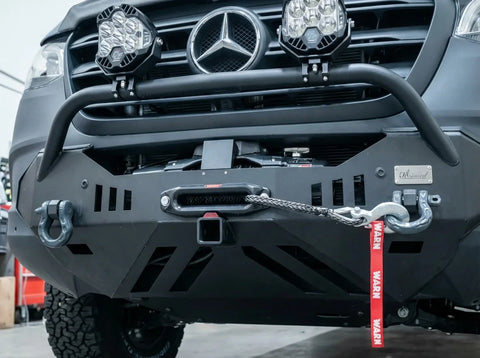
Adventure-Ready 4x4 Vans
Spacious Off-Grid Layouts
Sustainable Travel Solutions
Travelers focused on minimizing environmental impact may appreciate eco-friendly van conversions designed for efficient resource management and extended off-grid use.
Frequently Asked Questions
Can you drink directly from a mountain stream?
No. Even crystal-clear mountain streams can contain harmful bacteria, parasites, and other contaminants.
What is the safest way to treat stream water?
The safest approach is using both filtration and purification before drinking.
Are gravity filters good for camper vans?
Yes. Gravity filters are excellent for processing larger quantities of water with minimal effort.
How often should I sanitize my freshwater tank?
Most camper van owners should sanitize their tanks periodically throughout the year, especially before extended trips.
Can filtered water be stored in a camper van tank?
Yes. Properly treated water can safely be stored in a clean, sanitized freshwater tank.
Final Thoughts
One of the greatest benefits of owning a 4x4 camper van is the ability to explore remote destinations far beyond traditional campgrounds. Using streams and lakes as supplemental water sources can dramatically extend your time off-grid, but only when done safely.
The best strategy is straightforward:
- Choose the cleanest source available.
- Filter thoroughly.
- Purify when necessary.
- Protect your freshwater system from contamination.
With the right equipment, maintenance habits, and treatment process, your camper van can support extended adventures in remote landscapes while providing safe, reliable access to drinking water wherever the road—or trail—takes you.
Ready to build a camper van designed for true off-grid travel? Explore The Vansmith's camper vans for sale in Colorado or browse camper vans available across the USA. If you're planning your purchase, use the RV loan calculator to budget for your next adventure-ready build.