For many travelers, the kitchen quickly becomes one of the most-used areas inside an adventure van or RV. One of the questions we hear most often is whether an induction stove for RV travel is a better choice than cooking with propane. After years of designing adventure vans, supporting owners across Colorado, and spending countless days on the road ourselves, we've found that the answer depends less on the stove itself and more on how you travel.
An induction cooktop offers fast cooking, easier cleanup, and added safety, but it also requires the right electrical system and compatible cookware. In this guide, we'll explain how rv induction cooktops work, their advantages and limitations, important indoor cooking safety rules, and what to look for before choosing one for your next adventure.
Why Choose an Induction Stove for RV Travel?
An induction cooktop for RV kitchens heats cookware through electromagnetic energy instead of producing an open flame. Rather than heating the burner first, the cookware itself becomes the heating element. This approach improves efficiency while keeping the surrounding surface much cooler.
At The Vansmith, we've watched more travelers shift toward electric cooking as battery technology, solar charging, and inverter systems continue to improve. While propane remains a practical option for many people, induction cooking has become an excellent choice for travelers who frequently stay at campgrounds with hookups or have well-planned electrical systems.
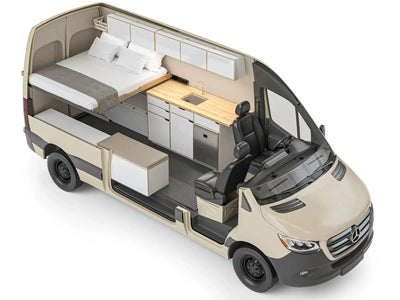
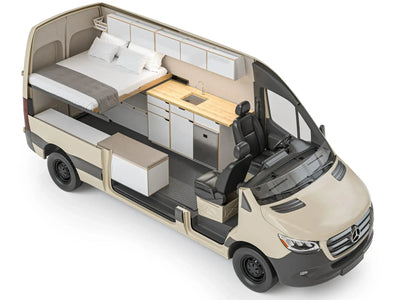
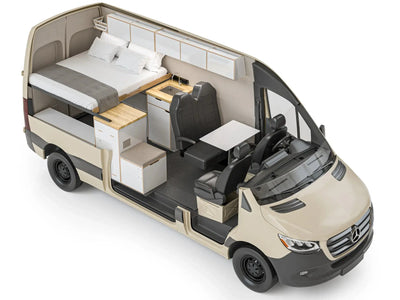
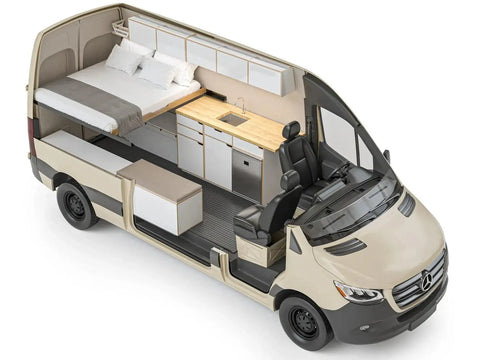
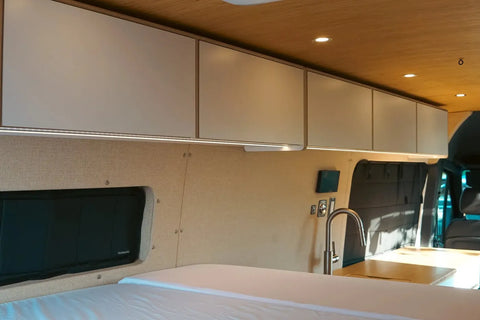
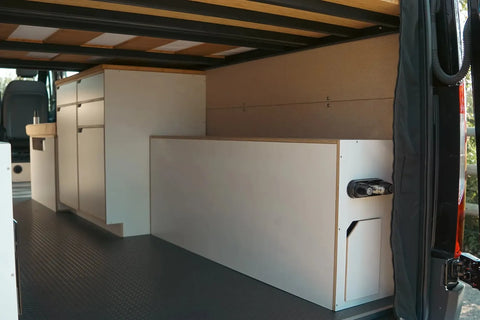
If you're exploring layouts designed for modern travel, our collection of Class B camper vansshowcases practical kitchens, efficient storage, and comfortable living spaces that support everyday cooking.
Travelers comparing different vehicle sizes can also browse our complete selection of camper vans for sale to better understand how kitchen layouts vary across models.
How Does an RV Induction Cooktop Work?
Unlike traditional propane burners, induction cooktops create a magnetic field beneath the cooking surface.
When compatible cookware is placed on the burner:
- The cookware heats directly.
- Very little heat escapes into the surrounding air.
- Water boils much faster.
- Energy loss is reduced.
Because the glass surface only becomes warm from contact with the hot pan, accidental burns are less common than with open-flame cooking.
This efficiency makes many RV induction cooktops attractive for travelers who prepare meals daily.
Benefits of an Induction Stove for RV
Improved Safety
Safety is usually the first advantage owners notice.
Without an exposed flame, there is:
- Lower fire risk
- No propane combustion while cooking
- Less heat inside the RV
- Faster cooling after cooking
For families traveling with children or pets, removing an open flame provides valuable peace of mind.
Many of our family adventure vans are designed around everyday usability, where thoughtful layouts help make cooking safer and more comfortable.
Better Energy Efficiency
Induction transfers most of its energy directly into the cookware instead of heating the surrounding air.
Benefits include:
- Faster boiling
- Reduced cooking time
- Less wasted energy
- More efficient meal preparation
Although induction requires electricity, it often cooks more efficiently than traditional electric burners.
No Propane Waste
Travelers relying on shore power or solar charging often appreciate reducing propane consumption.
An induction stove for RV kitchens lets propane remain available for other systems such as water heaters or furnaces when equipped.
Easier Cleanup
One detail people rarely think about before switching is cleanup.
Food is much less likely to burn onto the glass surface because the cooktop itself never becomes as hot as traditional burners.
A damp microfiber cloth is usually enough to clean the surface after meals.
More Comfortable Cooking
Anyone who has cooked inside an RV during summer understands how quickly interior temperatures rise.
Induction cooking releases much less ambient heat than propane, helping the living area stay more comfortable.
This benefit becomes especially noticeable during long summer trips across the Southwest or while camping at lower elevations.
Top RV Induction Cooktops
Not every traveler needs the same cooking setup. Some prefer a permanently installed appliance, while others want the flexibility of a portable unit.
Here are three well-known options.
Dometic CI-21
The Dometic CI-21 is designed with mobile travel in mind and fits comfortably into many RV kitchens.
Highlights
- Compact footprint
- Responsive temperature adjustments
- Easy-to-clean surface
- Reliable cooking performance
This model works well for travelers who cook regularly while spending time at campgrounds with electrical hookups.
Furrion Greystone (BW-K35)
The Furrion Greystone BW-K35 offers a clean appearance with intuitive controls.
Highlights
- Multiple cooking modes
- Digital touch controls
- Child lock feature
- Compact design
Its size makes it suitable for kitchens where countertop space is limited.
Equator Advanced Appliances PIC 200N
If flexibility is your priority, the Equator PIC 200N is a practical portable induction cooktop for RV travel.
Highlights
- Lightweight
- Portable
- Adjustable temperature settings
- Built-in timer
- Easy storage after cooking
Portable units also create additional counter space because they can be stored when not in use.
Travelers who appreciate flexible interior layouts often enjoy our pop-top camper vans, which provide additional living space while maintaining efficient kitchen designs.
For even greater flexibility, many owners also choose a pop-top roof that opens valuable overhead living space during longer stays.
Pros and Cons of an Induction Stove for RV
Every cooking system involves tradeoffs.
Understanding both the strengths and limitations helps you choose the right option for your travel style.
Pros
Energy Efficient
Induction transfers energy directly into cookware, reducing wasted heat.
Excellent Safety
Without an exposed flame, accidental burns and fire risks are reduced.
Cleaner Kitchen
Glass cooktops wipe clean quickly and resist baked-on food.
Better Counter Flexibility
Portable models can be stored away between meals, creating additional workspace.
Cons
Higher Power Demand
Most induction cooktops operate between 1,200 and 1,800 watts.
Before purchasing one, verify that your:
- Inverter
- Battery bank
- Shore power connection
- Solar charging system
Can comfortably support that electrical demand.
Travelers who spend extended time off-grid often benefit from layouts that prioritize efficient electrical systems. Our eco-friendly adventure vans focus on responsible materials and carefully planned power systems for longer stays away from hookups.
Cookware Compatibility
Only magnetic cookware works with induction.
Fortunately, testing your cookware is simple.
Place a refrigerator magnet on the bottom of the pan.
If the magnet sticks firmly, it will generally work with induction cooking.
Power Considerations Before Choosing an Induction Cooktop
Power planning deserves just as much attention as the cooktop itself.
Consider:
- Battery capacity
- Inverter rating
- Available shore power
- Solar charging capability
- Daily cooking habits
If you frequently prepare multiple meals every day, electrical demand increases quickly.
Larger platforms such as our Ford Transit camper vans often provide additional room for batteries and storage while supporting practical kitchen layouts.
You can also compare other Ford Transit adventure vans to see how different layouts accommodate cooking, storage, and everyday travel.
Can You Use a Camping Stove Indoors?
One question we hear surprisingly often is whether a portable camping stove can replace an indoor cooking system while traveling.
The short answer is no for most situations.
Whether you're wondering can you use a camping stove indoors or can you use camping stove inside an RV, the answer depends on the type of stove. Most traditional propane camping stoves are designed strictly for outdoor use. Operating them inside an enclosed space can create serious safety hazards, even if the windows are open.
If indoor cooking is part of your regular routine, choosing a properly designed kitchen layout makes a noticeable difference. Our collection of luxury camper vans features practical cooking spaces that support everyday travel without sacrificing comfort.
Why Using a Camping Stove Indoors Can Be Dangerous
Portable camping stoves are excellent for outdoor cooking, but enclosed environments create risks that many first-time RV owners underestimate.
Carbon Monoxide (CO)
Carbon monoxide is one of the greatest dangers.
It has:
- No smell
- No color
- No warning signs
Even small amounts can become dangerous inside a sealed RV.
Every adventure van should have a functioning carbon monoxide detector that is tested regularly.
Oxygen Depletion
Burning propane consumes oxygen.
Inside a small RV, oxygen levels can decrease much faster than many people expect.
This is another reason why using a camping stove indoors should generally be avoided unless the appliance is specifically certified for indoor use.
Fire Hazards
Open flames introduce additional risks around:
- Curtains
- Cabinet doors
- Bedding
- Clothing
- Paper towels
- Plastic containers
Even a moment of distraction can allow a small flame to become a serious problem.
Safety Rules for Indoor Cooking
Whether you're using an induction cooktop or another indoor-rated appliance, these habits help keep your cooking area safer.
Ventilation Is Essential
Always open a roof vent or window while cooking.
Good airflow helps remove moisture, cooking odors, and excess heat.
If your van includes a roof fan, operate it throughout meal preparation.
Maintain Clearance Around the Cooktop
Keep towels, paper products, utensils, and food packaging away from the cooking surface.
Giving the appliance adequate space also improves airflow around electronic components.
Place the Cooktop on a Stable Surface
Portable induction units should always sit on:
- Flat countertops
- Non-flammable materials
- Stable surfaces
Avoid placing them on folding tables that may shift during cooking.
Never Leave Cooking Unattended
One of the easiest safety habits is also one of the most important.
Stay nearby while food is cooking.
Even induction appliances require supervision.
Install a Carbon Monoxide Detector
Every RV should include a working CO detector regardless of the cooking system.
Test it regularly and replace batteries as recommended.
Never Use a Cooktop as a Heater
Cooking appliances are designed for preparing food.
Using them to warm the RV increases fire risk and may create dangerous indoor air conditions.
Never Burn Charcoal Indoors
Charcoal grills should never be used inside an RV, camper van, garage, or tent.
They produce extremely high levels of carbon monoxide.
When Is It Safe to Use a Camping Stove Inside?
Emergencies sometimes force difficult decisions.
If severe weather or another emergency leaves no alternative, reduce risk as much as possible.
If you absolutely must use an uncertified camping stove indoors:
- Ventilate continuously.
- Monitor the flame at all times.
- Remove combustible materials.
- Limit cooking time.
This should never become part of your normal camping routine.
Emergency Safety Rules
If emergency indoor cooking cannot be avoided, follow these precautions carefully.
Verify the Fuel Type
Only use the fuel specified by the manufacturer.
Never substitute fuel types.
Ventilate Continuously
Fresh air should circulate throughout the entire cooking process.
Keep roof vents and windows open whenever possible.
Maintain Safe Clearances
Leave adequate space between the stove and nearby walls, cabinets, and fabrics.
Never Leave It Unattended
Even a short distraction can become dangerous.
Stay nearby until the stove has completely cooled.
Monitor Indoor Air
A carbon monoxide detector provides an important layer of protection but should never replace proper ventilation.
Store Fuel Safely
Fuel canisters should remain outside direct sunlight and away from heat sources.
Always follow local campground regulations regarding fuel storage.
Indoor-Safe Alternatives
If cooking inside is important during bad weather, consider appliances specifically designed for indoor operation.
Alcohol or Canned Heat Stoves
Alcohol-based systems produce less soot than many traditional camping stoves.
Even so, ventilation remains important.
These systems work well for simple meals but generally heat more slowly than induction.
Indoor-Rated Butane Stoves
Some butane cooktops are certified for indoor use.
Before purchasing one, verify that it carries the appropriate indoor safety certification.
Never assume every butane stove is safe for indoor operation.
Can I Use an Induction Pot on a Gas Stove?
Yes.
Many travelers ask, Can I use an induction pot on a gas stove, especially if they cook in different environments.
Fortunately, most induction cookware also works well on gas burners because it is commonly made from stainless steel or cast iron.
To help cookware last longer:
- Keep flames beneath the base.
- Avoid flames climbing the sides of the pan.
- Allow cookware to cool naturally.
- Avoid placing a hot pan into cold water immediately after cooking.
Choosing cookware that works on multiple cooking systems offers greater flexibility while traveling.
Choosing the Right RV Kitchen
Cooking habits vary widely between travelers.
Weekend campers often prioritize simplicity, while long-term travelers may spend several hours each day preparing meals.
When comparing layouts, think about:
- Countertop space
- Storage
- Battery capacity
- Ventilation
- Sink size
- Water availability
Travelers who prepare meals frequently often appreciate larger kitchen areas found in our Sprinter camper vans.
For travelers who prioritize maneuverability while maintaining an efficient kitchen, our Transit Short Wheelbase and Transit Long Wheelbase options offer different balances of interior space and drivability.
Supporting Everyday Life on the Road
A great kitchen works alongside the rest of your living space.
For example, having an integrated camper van shower makes cleanup after cooking, hiking, or biking much easier during extended trips.
Travelers looking for complete layouts with integrated bathing facilities can also explore our adventure vans with showers.
If you frequently camp during colder months, a dependable heating system keeps meal preparation comfortable throughout every season. Learn more about our camper van heater installations.
Finding the Right Adventure Van
Every traveler uses their kitchen differently.
Some prioritize weekend camping, while others spend months on the road working remotely or exploring national parks.
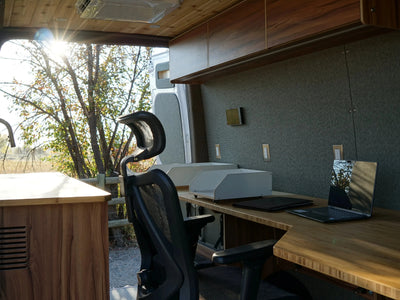
Our mobile work vans combine practical workspaces with comfortable living areas for travelers balancing work and adventure.
If additional seating is important before transitioning into adventure travel, explore our passenger vans for sale.
Travelers throughout the country can also browse our available camper vans across the USA.
If you're shopping closer to home, our Colorado adventure vans reflect more than a decade of designing vehicles for mountain roads, changing weather, and year-round recreation.
Final Thoughts
For many travelers, an induction stove for RV kitchens offers an excellent balance of efficiency, convenience, and safety. It heats quickly, keeps the living space cooler, and eliminates the need for an open flame during everyday cooking.
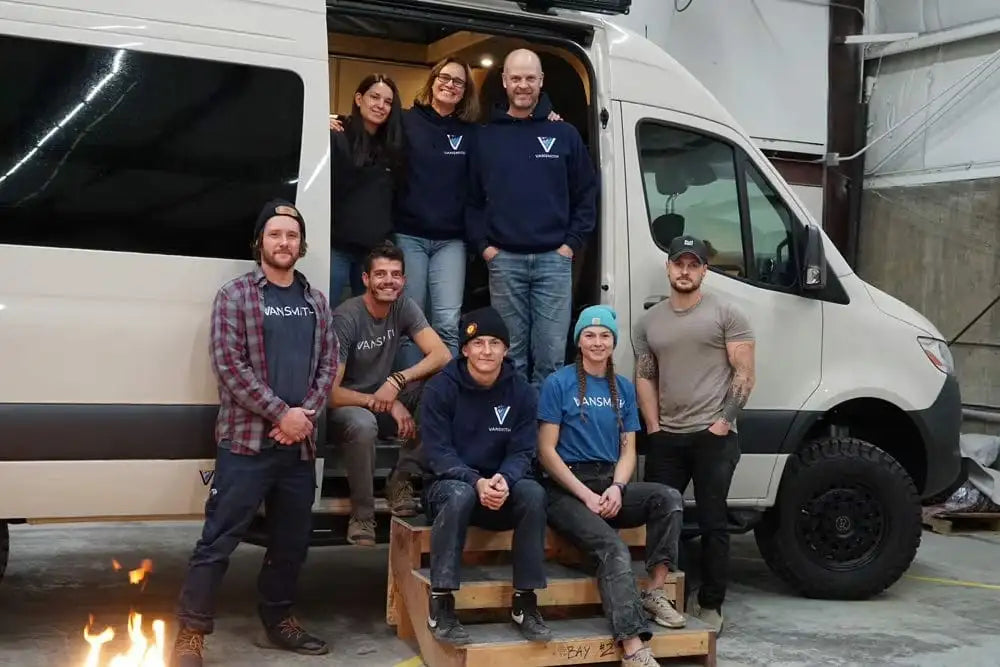
At The Vansmith, we've learned that the best kitchen isn't determined by one appliance. It comes from thoughtful planning, dependable electrical systems, and a layout that supports the way you actually travel, whether you're preparing breakfast before a day on the trail or cooking dinner after hundreds of miles on the road. Practical design and long-term reliability make every trip more enjoyable.
If you're ready to compare layouts that prioritize comfortable everyday living, explore our complete collection of RVs for sale and discover adventure vans designed with real travel experience in mind.
Frequently Asked Questions
Does anyone make a 12V induction cooktop?
True 12V induction cooktops are uncommon because induction cooking requires a significant amount of power. Most rv induction cooktops operate on 120V AC power supplied through an inverter connected to the RV's battery bank. If you spend time off-grid, make sure your electrical system can support the cooktop's wattage before purchasing one.
What is the downside of an induction stove?
The biggest drawbacks are power demand and cookware compatibility. Most induction cooktops require a properly sized inverter and battery bank, and they only work with magnetic cookware such as cast iron or many stainless steel pots and pans. Travelers should also consider how often they cook without shore power.
What is the best stove for an RV?
The best stove depends on how you travel.
If you frequently stay at campgrounds with electrical hookups or have a well-designed battery system, an induction cooktop for RV kitchens provides excellent efficiency, fast cooking, and easier cleanup.
If you spend long periods camping without reliable electrical power, a propane stove may still be the more practical option.
What is the best induction cooktop for camping?
Several models perform well for RV travel, including:
- Dometic CI-21
- Furrion Greystone (BW-K35)
- Equator Advanced Appliances PIC 200N
The best choice depends on your available counter space, cooking habits, electrical capacity, and whether you prefer a portable or permanently installed unit.
How many watts is an RV induction cooktop?
Most portable induction cooktop for RV models operate between 1,200 and 1,800 watts, with approximately 1,800 watts being the most common maximum output. Before using one, verify that your inverter, batteries, and electrical system can safely support the load.
Can you use a camping stove indoors during bad weather?
In most situations, no. Traditional propane camping stoves are designed for outdoor use and can produce dangerous levels of carbon monoxide inside enclosed spaces. If indoor cooking is necessary, choose an appliance specifically rated for indoor use and always maintain proper ventilation.
Can you use a camping stove inside an RV if the windows are open?
Opening windows alone does not make a standard camping stove safe for indoor use. Even with ventilation, propane camping stoves can create carbon monoxide and increase fire risk. Indoor-rated appliances or an induction stove are safer choices for enclosed spaces.
Can I use an induction pot on a gas stove?
Yes. Most induction cookware made from magnetic stainless steel or cast iron also works on gas stoves. Keep the flame beneath the base of the cookware and avoid sudden temperature changes to help extend its lifespan.
About the author

Eugene Smit
CEO
Eugene is the CEO of The Vansmith, based in Boulder, Colorado. He writes across topics related to van builds, ownership, and the camper van industry.
Read more about Eugene