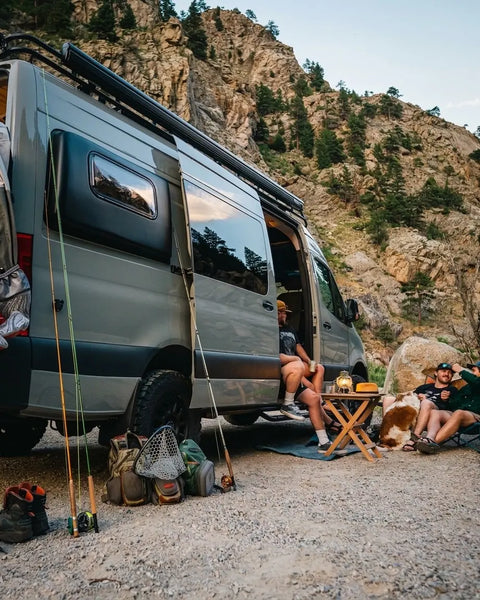
There’s something uniquely rewarding about leaving paved roads behind and setting up camp in a remote location surrounded by nature. Whether you're exploring mountain trails, desert landscapes, dense forests, or hidden backcountry roads, off-road and camping combine adventure, self-sufficiency, and freedom into one unforgettable experience.
For many outdoor enthusiasts, off-grid camping offers an escape from crowded campgrounds, noisy RV parks, and the distractions of everyday life. Instead of hookups and amenities, you rely on your preparation, vehicle, gear, and outdoor skills.
This guide covers everything you need to know about off-road camping, including where to go, essential gear, safety tips, and how to build the perfect adventure-ready camper van setup.
What Is Off-Grid Camping?
Off-grid camping, often called boondocking or dispersed camping, means camping without traditional campground facilities.
Unlike developed campgrounds, off-grid campsites typically do not provide:
-
Electrical hookups
-
Running water
-
Bathrooms
-
Trash services
-
Wi-Fi or cellular connectivity
Instead, campers rely entirely on their own resources.
Why People Love Off-the-Grid Camping
Off-grid camping offers benefits that traditional campgrounds simply can't match.
Greater Privacy
Remote campsites provide peace, quiet, and solitude.
Incredible Scenery
Many dispersed campsites sit near lakes, mountains, rivers, forests, and desert landscapes.
Lower Costs
Most dispersed camping on public lands is free.
True Adventure
Off-grid travel encourages exploration and self-reliance.
For travelers who want the comforts of home while exploring remote locations, a Class B camper van provides an ideal balance between comfort and capability.
What is off-road camping?
While off-grid camping focuses on camping without hookups, off-road camping combines primitive camping with backcountry vehicle travel.
The goal is to access locations that standard vehicles often cannot reach.
Typical Offroad Camping Vehicles
Popular choices include:
-
AWD camper vans
-
Overlanding trucks
-
Modified SUVs
-
Off-road trailers
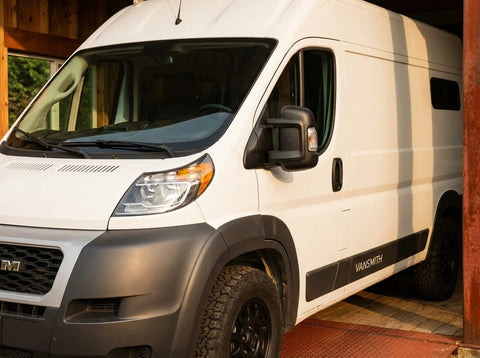
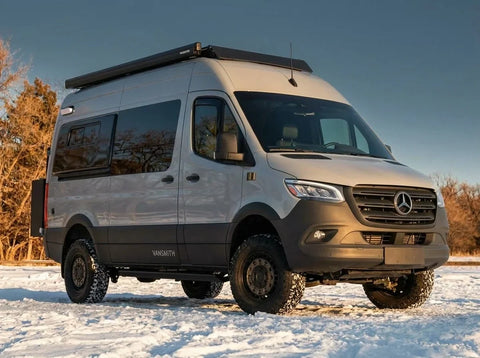
Many adventurers choose a 4x4 camper van because it combines off-road capability with a comfortable living space.
Why Offroad Camping Is Growing
More travelers are looking for experiences beyond crowded campgrounds.
Off-road camping allows you to:
-
Reach remote destinations
-
Explore public lands
-
Stay away from crowds
-
Experience true wilderness
-
Enjoy greater flexibility
Best Places for Off-the-Grid Camping in the United States
One of the biggest advantages of off-grid camping is the abundance of public land available throughout the country.
National Forests
National Forests are among the most popular places for dispersed camping.
Benefits include:
-
Free camping opportunities
-
Extensive road networks
-
Scenic mountain locations
-
Access to hiking and fishing
Popular areas include:
-
Adirondack Park
-
Catskill Mountains
-
Colorado National Forests
-
Black Hills National Forest
Bureau of Land Management (BLM) Lands
Western states offer millions of acres of BLM land where dispersed camping is generally permitted.
Top states include:
These locations are especially popular among camper van travelers.
National Recreation Areas
Areas such as the Delaware Water Gap provide opportunities for primitive camping and outdoor recreation.
Top Offroad Camping Destinations in America
If you're looking to combine adventure driving with camping, these destinations consistently rank among the best.
Moab, Utah
Often considered the capital of off-roading in America.
Highlights include:
-
Red rock landscapes
-
Hundreds of trails
-
Incredibly dispersed camping
Black Bear Pass, Colorado
Known for:
-
High alpine views
-
Challenging terrain
-
Spectacular scenery
Rubicon Trail, California
One of the most famous off-road routes in North America.
Mid-Atlantic Backcountry Discovery Route (MABDR)
Stretching over 1,000 miles through the eastern United States, this route combines scenic backroads with camping opportunities.
Essential Gear for Off-Road and Camping Adventures
Preparation is critical when traveling far from services.
Water Storage and Filtration
Water is your most important resource.
Experts recommend:
-
At least one gallon per person per day
-
Additional water for cooking and cleaning
-
Backup filtration systems
Popular filtration options include portable water filters and gravity-fed purification systems.
Portable Power Systems
Reliable power allows you to stay comfortable and safe.
Common solutions include:
-
Lithium battery systems
-
Portable power stations
-
Solar panels
-
Solar generators
Modern Sprinter van conversions often include integrated solar and lithium systems designed specifically for off-grid travel.
Navigation Equipment
Never rely solely on cell service.
Essential navigation tools include:
-
Offline maps
-
GPS devices
-
Topographical maps
Popular mapping platforms include Gaia GPS, AllTrails, and onX Offroad.
Shelter and Sleeping Systems
Options vary based on vehicle type.
Popular choices include:
-
Rooftop tents
-
Ground tents
-
Camper vans
-
Truck campers
Many travelers prefer a fully equipped camper van for sale because it eliminates setup time and provides greater comfort.
Recovery Gear Every Offroad Camper Needs
Recovery equipment can mean the difference between a minor inconvenience and a major emergency.
Traction Boards
Essential for:
-
Sand
-
Snow
-
Mud
Traction boards provide immediate grip when tires lose traction.
Winch Systems
A winch allows:
-
Self-recovery
-
Vehicle recovery
-
Controlled obstacle navigation
Recovery Straps and Shackles
Every off-road vehicle should carry:
-
Tow straps
-
Recovery ropes
-
Soft shackles
-
D-rings
High-Lift Jacks
Useful for:
-
Tire changes
-
Vehicle recovery
-
Trail repairs
Building the Perfect Offroad Camping Camper Van
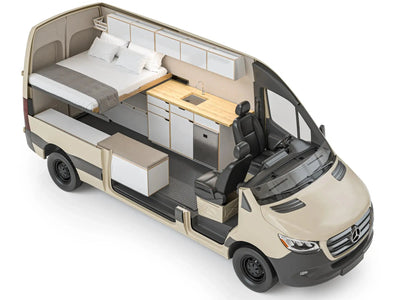
Camper vans have become one of the most popular platforms for off-grid travel.
Why Camper Vans Excel Off-Grid
Benefits include:
-
Comfortable sleeping space
-
Weather protection
-
Integrated kitchens
-
Power systems
-
Water storage
Features to Look For
Solar Power
Solar panels extend your off-grid capability.
Lithium Batteries
Provide reliable power without running a generator.
Water Storage
Larger freshwater tanks allow longer stays.
All-Terrain Tires
Improve traction on dirt roads and rugged terrain.
Travelers looking for adventure-ready builds often explore 4x4 RVs for sale because they combine off-road performance with premium comfort.
Leave No Trace: The Golden Rule of Off-Grid Camping
Protecting public lands is essential.
Follow the 200-Foot Rule
Always camp, cook, wash, and dispose of waste at least 200 feet away from:
-
Water sources
-
Trails
-
Other campsites
Pack Out Everything
Carry out:
-
Trash
-
Food waste
-
Personal items
Leave your campsite cleaner than you found it.
Stay on Designated Roads
Avoid creating new trails or driving off designated routes.
Respect Fire Restrictions
Many public lands implement seasonal fire bans.
Always check local regulations before your trip.
Common Mistakes New Off-Road Campers Make
Relying on Cell Service
Remote areas often have no signal.
Always download maps before leaving.
Bringing Too Little Water
Water shortages can quickly become dangerous.
Carry more than you think you'll need.
Ignoring Weather Conditions
Mountain weather can change rapidly.
Monitor forecasts before departure.
Traveling Without Recovery Gear
Even easy trails can become difficult after rain or snow.
Always carry basic recovery equipment.
Why More Travelers Are Choosing Camper Vans for Off-Grid Camping
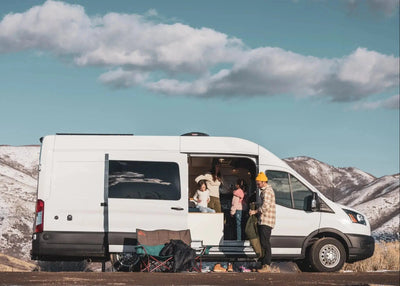
Camper vans offer a unique combination of mobility, comfort, and capability.
Unlike traditional RVs, they can access smaller campsites and more remote destinations.
At The Vansmith, many travelers choose premium adventure vans because they provide:
-
Comfortable sleeping areas
-
Off-grid electrical systems
-
Interior kitchens
-
Water systems
-
Four-season capability
Whether you're exploring mountain passes, national forests, or remote desert landscapes, a well-equipped camper van helps you spend more time enjoying the journey and less time worrying about logistics.
Final Thoughts
Whether you're interested in off-road and camping, planning your first off-the-grid camping trip, or upgrading your vehicle for more serious off-road camping adventures, preparation is the key to success.
With the right vehicle, proper gear, reliable navigation, and a commitment to Leave No Trace principles, you can explore some of the most beautiful and remote destinations in the country.
For travelers seeking comfort without sacrificing adventure, The Vansmith's collection of camper vans offers a practical way to enjoy off-grid freedom while bringing the comforts of home wherever the trail leads.
FAQs
What is off-grid camping?
Off-grid camping involves camping without hookups, electricity, running water, or developed campground facilities. Campers rely entirely on their own supplies and equipment.
What is the difference between off-grid camping and off-road camping?
Off-grid camping refers to camping without amenities, while offroad camping combines camping with travel on unpaved roads and remote terrain.
Where is off-grid camping legal?
Dispersed camping is generally allowed on many National Forest and BLM lands, although regulations vary by location.
How much water do I need for off-grid camping?
A minimum of one gallon per person per day is recommended, plus additional water for cooking and cleaning.
What vehicle is best for off-road camping?
Many travelers prefer 4x4 camper vans, AWD vans, trucks, or SUVs equipped with all-terrain tires and recovery gear.
Is off-grid camping free?
Many dispersed camping areas on National Forest and BLM land are free, although some locations may require permits or have stay limits.