By Eugene Smit, CEO of The Vansmith
Introduction

More people than ever are asking how to start van life and embrace the freedom of the open road. Living in a van you can live in full time is both exciting and challenging, offering flexibility, mobility, and a minimalist lifestyle. At The Vansmith, we’ve spent years helping people figure out how to live in a camper van comfortably while creating spaces that feel like home.
What to Know Before Starting Van Life

Before you figure out how to do van life, it’s important to prepare. Think through daily needs, financial plans, and how you’ll adapt to life in a travel trailer, van, or small camper.
Key points to consider:
-
Budget: Fuel, insurance, and ongoing maintenance add up. According to AAA’s average annual cost of vehicle ownership report, routine maintenance, repairs, and tires alone can cost hundreds of dollars per year, so it’s important to budget realistically.
-
Minimalism: Less space means fewer belongings.
-
Safety: Research legal overnight parking options.
-
Routine: Simple things like laundry and showers take more planning.
How to Choose and Set Up Your Van for Van Life
When picking a van you can live in, focus on size, layout, and durability. Some of the most popular models for a camper build include:
-
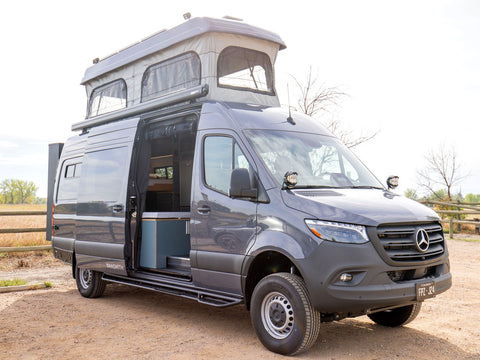
Mercedes-Benz SprinterSprinter van conversions– Reliable, spacious, and adaptable. According to Mercedes‑Benz Sprinter specifications, these vans offer multiple roof heights and wheelbases, which makes them especially popular for custom camper builds.
-
Ford Transit – Widely available, easy to repair across the U.S. Ford notes that certain Transit configurations can achieve fuel economy in the low‑to‑mid 20 MPG range on the highway, depending on engine and drivetrain, which helps keep long-distance travel costs manageable (Ford Transit cargo van specs).
-
Ram ProMaster – Boxy interior with excellent space efficiency.
-
Chevy Express and Ford E-Series – Classic vans at budget-friendly prices.
If you’re not ready for full-time life in a van, you might explore life in a travel trailer or compact camper. Each choice depends on your goals, lifestyle, and how much comfort you need on the road.
How to Live on the Road
Learning how to live on the road takes practice. Start by planning daily essentials:
-
Cooking: Choose between propane stoves, portable grills, or induction burners.
-
Power: Invest in solar panels or a battery system.
-
Water: Set up storage tanks and filtration.
-
Ventilation: Critical for air quality and safe sleeping. The National Highway Traffic Safety Administration (NHTSA) warns that poor ventilation and running engines in enclosed spaces can lead to dangerous carbon monoxide buildup, so designing for airflow is a key safety step.
Community is another important piece of living in a van that people don’t always think about at first. Time alone on the road can be peaceful, but it can also feel isolating if you’re used to coworkers, neighbors, or family nearby. Before you jump in, think about how you’ll stay connected. Many van dwellers build routines around local climbing gyms, coffee shops, or libraries where they can see familiar faces. Online communities, meetups, and van life gatherings are also helpful for sharing tips, finding caravan buddies for certain stretches, and getting honest advice about routes, campsites, and repairs. When your home has wheels, your “neighborhood” changes often, so intentionally building a sense of community will keep the lifestyle sustainable over the long haul.
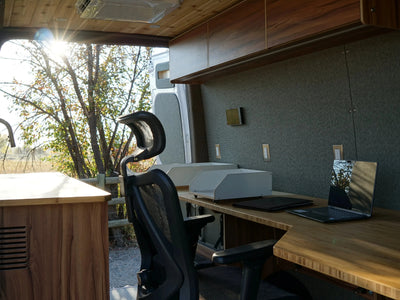
Work and income are also key to making life on the road in a camper realistic beyond a short-term trip. Some people keep a traditional job and work remotely from their van using a reliable hotspot, cell booster, and a simple desk setup. Others piece together seasonal work - guiding, hospitality, campground hosting, or trade work in different towns. A few plan their routes around contract work or craft fairs. Whatever your path, it’s smart to test your work setup before you go full time. Spend a week or two working from your rig close to home and see what breaks down first: your internet connection, your power system, or your focus. Adjusting your layout for a comfortable work seat, adding extra battery capacity, or upgrading your data plan is much easier to do before you’re 500 miles from your usual support network.
Finally, think about long-term comfort and health. Living in a van means your body and mind are dealing with constant change - new sleeping spots, different climates, and shifting routines. Build in habits that keep you grounded: a simple morning routine, regular movement, and a realistic sleep schedule. For example, many full-time van dwellers keep a small bin just for “health essentials” - basic first aid, any prescriptions, a foam roller or yoga mat, and a few pantry staples that make quick, healthy meals possible when you’re tired. Climate control matters too. Insulation, a good roof fan, and a reliable heat source can make the difference between a van that’s fun for weekend trips and one that feels livable year-round. When you design and plan with these details in mind, living in a van stops feeling like a constant compromise and starts feeling like a well-built, mobile home that actually supports your life.
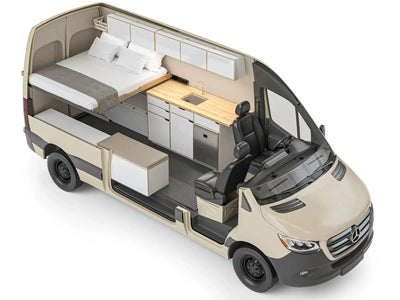
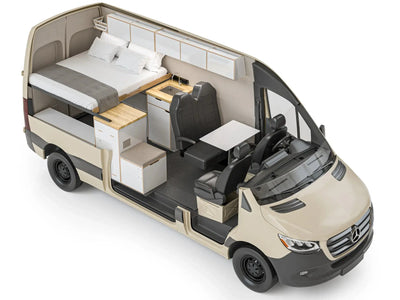
The Vansmith integrates kitchens, heating, and efficient storage so that living on the road feels natural.
Adopting a Minimalist and Frugal Mindset
When figuring out how to live in a van, downsizing is key. A smaller wardrobe, fewer gadgets, and simplified routines will make life easier. Minimalism frees up space for what matters most, memories, experiences, and time outdoors.
The Realities: Pros and Cons of the Lifestyle
Pros
-
Freedom to travel at your own pace
-
Lower living expenses compared to traditional housing
-
Daily connection to nature
Cons
-
Limited space and privacy
-
Regular vehicle maintenance
-
Finding safe overnight parking can be stressful
Legal and Practical Considerations
Many people wonder: is van life legal in the U.S.? Yes, but it depends on local regulations. Research overnight parking laws, campgrounds, and boondocking areas. Always ensure your van has proper ventilation and follows safety standards. For example, the NHTSA’s basic vehicle safety check guidance is a helpful starting point for keeping your rig roadworthy.
For those weighing options, it’s also useful to know how to live in a camper or trailer. While travel trailers provide more space, vans are more versatile for stealth camping and quick mobility. If fuel costs are a concern, you can compare estimated MPG for different vans and tow vehicles using the U.S. Department of Energy’s official fueleconomy.gov fuel economy database.
Final Thoughts
Learning how to start van life is a process that blends preparation, adaptability, and the right vehicle. Whether you’re considering life in a travel trailer or wondering how to do van life in a Sprinter, The Vansmith can guide you. We help you explore responsibly through designs rooted in sustainability, comfort, and passion for the outdoors.
Take the next step and customize your van with layouts designed for full-time living.
FAQs
-
Is van life legal in the U.S.?
Yes, but local rules vary. Always check city and county regulations.
-
Do you need ventilation when sleeping in a van?
Yes. Ventilation prevents condensation and ensures safe airflow.
-
What do you need to know to live in a trailer?
Expect more space than a van, but less mobility. Trailers work well if you plan to stay longer in one location.
-
Can you just live in a van?
Yes, many people do. Choosing the right van you can live in makes all the difference.
-
What is it called when you live in a van?
It’s often called “van life.” Some refer to it as full-time vehicle dwelling.
About the author

Eugene Smit
CEO
Eugene is the CEO of The Vansmith, based in Boulder, Colorado. He writes across topics related to van builds, ownership, and the camper van industry.
Read more about Eugene