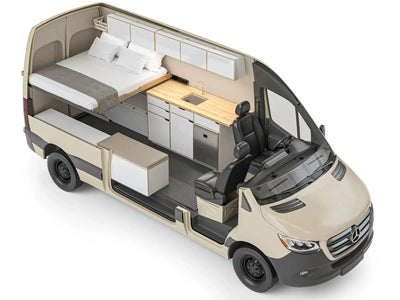
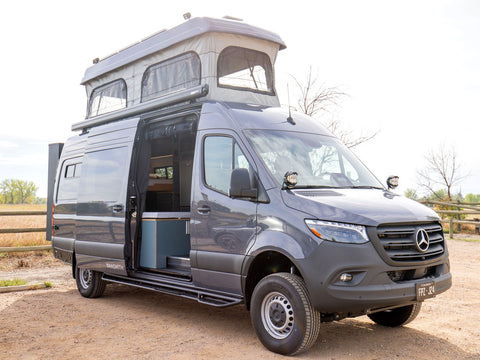
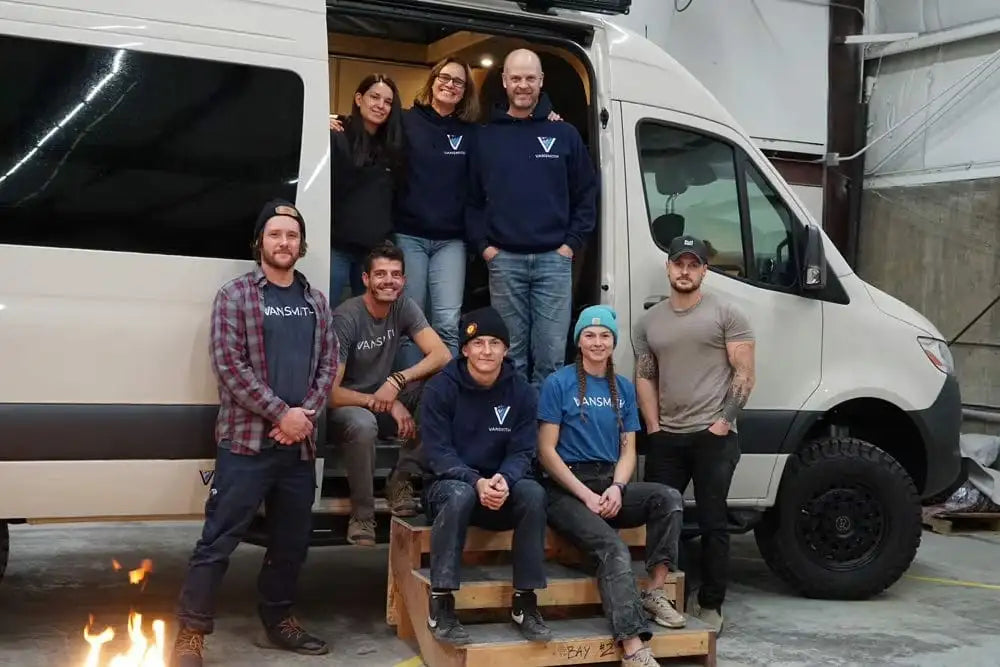
Selling an RV gets easier when the vehicle is ready, the price is realistic, and the paperwork is organized. At The Vansmith, we have spent more than a decade working with adventure vans in Colorado and across the West. One question we hear often is how to sell your RV without creating weeks of unnecessary work. The answer starts with preparation.
How to Sell Your RV: Prepare It First
Before you list the RV, make it easy for a buyer to see its condition. A clean vehicle with clear records and working systems gives buyers fewer reasons to hesitate.
Deep clean
Clean the interior from top to bottom. Vacuum storage areas, wipe cabinets, clean windows, wash upholstery, and remove odors.
Then wash the exterior. Pay attention to wheels, tires, roof areas, seals, compartments, and door tracks.
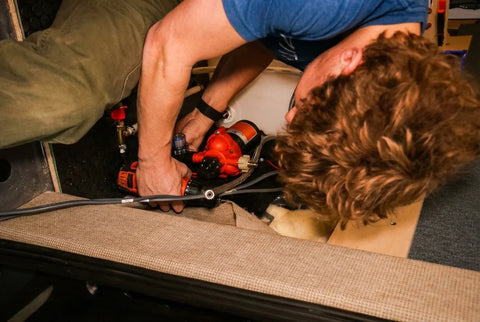
If your RV has received professional work, keep those records together. The Vansmith provides installations and repairs for camper vans, including electrical work, seating, heating, suspension, and other systems.
Fix small problems
Walk through the RV as if you were buying it. Test lights, outlets, appliances, faucets, doors, windows, fans, heaters, and storage hardware.
Fix small issues that affect safety, function, or buyer confidence. Avoid spending heavily on upgrades that are unlikely to increase the sale price.
For example, a worn seat or damaged mounting point may deserve attention before listing. The Vansmith's van seat installation service is one example of the type of work owners may address before putting an adventure van on the market.
Organize papers
Gather registration documents, service invoices, owner's manuals, warranty information, inspection records, and receipts for major repairs.
Maintenance records can make a meaningful difference when selling an RV. They give buyers a clearer picture of how the vehicle has been treated.
If you want to think through the same areas a buyer may inspect, use our Used Sprinter RV Pre-Purchase Checklist as a final review before listing.
Depersonalize
Remove clothing, food, decorations, personal gear, and loose equipment. Keep the interior open so buyers can see storage, sleeping areas, and floor space.
For camper vans, show how the space works without filling every cabinet or compartment.
If your van has a sliding sleeping platform, for example, show it both open and closed. The Vansmith's sliding van bed system is a good example of how useful floor space can affect a buyer's view of a van.
Price and List Your RV
Once the RV is ready, pricing becomes the most important part of selling your RV. A strong listing cannot make an overpriced vehicle move quickly.
Check the value
Compare similar RVs by year, mileage, chassis, condition, service history, equipment, and location.
Do not compare only by model name. Two vans with the same chassis can have very different values because of their systems, materials, maintenance, and interior layout.
Upgrades should also be priced carefully. A new electrical system, heater, or suspension upgrade may improve the vehicle, but owners rarely recover every dollar spent on an improvement.
For a broader look at ownership costs, see our Camper Van Cost of Ownership Guide.
Take good photos
Good photos answer questions before buyers contact you.
Include:
- Front, rear, and both sides
- Tires and exterior condition
- Driver and passenger areas
- Sleeping area
- Kitchen and storage
- Bathroom, if equipped
- Electrical controls
- Appliances
- Engine bay when appropriate
- Any visible damage or wear
Take photos during daylight. Keep the interior clean and turn on lights where they help show the space.
Write a clear ad
Explain what the RV includes, what has been serviced, and what a buyer should know.
Include:
- Year, make, and model
- Mileage
- Chassis
- Engine and drivetrain
- Sleeping capacity
- Major systems
- Recent maintenance
- Known damage
- Title status
- Loan status
- Asking price
- Location
If you are selling an adventure van with specialized work, describe the systems in plain language. A buyer should understand what they are paying for without having to decode technical terms.
Choose a platform
For selling an RV online, consider RV-focused marketplaces, general marketplaces, local classifieds, and enthusiast forums.
RV-specific sites can reach buyers who already understand the category. General platforms may bring more traffic, but they can also bring more casual inquiries.
If you are researching the current market from a buyer's perspective, The Vansmith's camper vans for sale provide a useful reference for comparing vehicle types, equipment, and asking prices.
Complete the Sale
The final stage of how to sell your RV is about protecting both sides of the transaction.
Be honest
Disclose known mechanical problems, water damage, accidents, warning lights, leaks, title issues, and major repairs.
Trying to hide a problem can create disputes after the sale. Clear disclosure helps serious buyers make a decision with realistic expectations.
Stay safe
Meet buyers in a public location when possible. Verify identification before a test drive and confirm appropriate insurance coverage.
Never hand over the vehicle, keys, or title until payment has been verified and the required paperwork is complete.
Settle loans
If you still owe money on the RV, contact your lender before listing it.
Ask for the current payoff amount and confirm how the lien and title will be handled. If the loan balance is higher than the sale price, you will need to cover the difference.
Sell for Cash or Trade-In: Fastest Option
If your priority is speed, a direct cash sale or trade-in can reduce the amount of work involved.
How it works
A dealer or qualified buyer evaluates the RV and provides an offer. If you accept, the buyer handles the transaction according to its process.
A trade-in applies the agreed vehicle value toward another purchase.
Pros and Cons
Pros
- Faster transaction
- Less advertising work
- Fewer buyer inquiries
- Less time arranging showings
Cons
- The offer may be lower than a strong private-sale price
- Less control over the final price
- Dealer offers can vary with inventory needs
This approach can make sense when your main goal is to sell quickly rather than maximize the final price.
Consignment: Easiest Hands-Off Option
Consignment can be useful when you want professional help while retaining ownership until the RV sells.
How it works
The consignment company lists and markets the RV, communicates with buyers, and assists with the transaction. You receive the agreed proceeds after the vehicle sells and applicable fees are deducted.
Pros and Cons
Pros
- Less work for the owner
- Professional listing support
- Access to an established buyer audience
- Useful for higher-value camper vans
Cons
- Consignment fees
- The sale may take time
- Less control over buyer communication
For owners considering how to sell my RV without managing every inquiry, consignment can be a practical middle ground.
Private Sale: Most Profitable Potential
A private sale gives you the most control over pricing and the buyer relationship.
How it works
You prepare the RV, create the listing, answer questions, schedule viewings, negotiate the price, complete the paperwork, and arrange payment.
If you are asking how to sell an RV privately, be ready for detailed questions. Buyers may ask about maintenance, electrical systems, water systems, tires, heating, appliances, and previous repairs.
Pros and Cons
Pros
- Potential for a higher sale price
- Full control over pricing
- Direct communication with buyers
- No dealer trade-in margin
Cons
- More time and effort
- More buyer screening
- Greater responsibility for paperwork
- More exposure to scams
A private sale often works best when the RV is clean, documented, accurately priced, and easy to inspect.
How Selling to a Dealer Works
If you are asking, "Can I sell my camper back to the dealership?", the answer depends on the dealer and vehicle.
Direct Purchase: Cash Offer
Some dealers purchase used RVs directly. They evaluate condition, equipment, market demand, and resale potential before making an offer.
Trade-In
A dealer may accept your current RV toward another vehicle. This can simplify the transaction because the purchase and sale happen together.
Consignment
Some dealers also accept selected RVs on consignment. The dealer handles the listing and sale while you retain ownership until the transaction is complete.
The Vansmith accepts select camper vans for consignment when they meet its quality standards. Its used camper van inventory also shows the type of Sprinter and Transit vehicles it handles.
For sellers with a specialized adventure van, working with a company that understands the vehicle can make the process more straightforward.
Pros and Cons If You Have a Loan
Selling an RV with an outstanding loan requires extra planning.
Pros
- You can still sell the RV
- Your lender can provide a payoff amount
- The title process can be coordinated with the lender
Cons
- Your loan balance may exceed the vehicle's value
- Title transfer can take longer
- Payment arrangements require more care
Contact your lender before listing. Knowing the exact payoff amount lets you set a realistic minimum sale price.
RV Selling Strategy Quick Reference
|
Strategy |
Why It Matters |
Action Steps |
Common Mistakes to Avoid |
|
Best Selling Season |
Buyer demand can affect response time |
List before peak travel planning |
Waiting until demand slows |
|
Honest Disclosure |
Builds buyer trust |
Document known issues |
Hiding damage or repairs |
|
Competitive Pricing |
Helps attract serious buyers |
Compare similar RVs |
Pricing from emotional attachment |
|
Professional Photos |
Shows condition clearly |
Photograph clean, bright spaces |
Using dark or outdated photos |
|
Multi-Platform Advertising |
Reaches more qualified buyers |
Use RV and general marketplaces |
Posting inconsistent details |
|
Secure Payment |
Protects both parties |
Verify funds before transfer |
Accepting questionable payment methods |
Why Selling Your RV Correctly Matters
Avoid leaving money on the table
A rushed sale can result in unnecessary discounts. Preparation gives you a stronger basis for pricing and negotiation.
Attract serious buyers faster
Clear photos, maintenance records, and complete specifications answer many questions before a buyer contacts you.
Build buyer trust
Honest descriptions matter. A buyer who understands the vehicle is more likely to move forward with confidence.
Reduce time on market
Good preparation does not guarantee a fast sale. It removes many common reasons buyers lose interest.
Protect yourself from fraud
Private transactions require caution. Verify payment, ownership documents, identity, and the transaction process before handing over the RV.
When Is the Best Time to Sell Your RV?
Timing depends on your RV, location, and buyer audience. Still, seasonal patterns can influence demand.
Why late winter and early spring work
Late winter and early spring can be strong periods because many buyers begin planning summer travel.
Tax refund season: Some buyers have additional funds available.
Pre-summer planning: Travelers may want an RV ready before warmer weather and school breaks.
RV show excitement: Seasonal events can put buyers into an active shopping mindset.
Lower competition: Listing before the main summer rush may help your vehicle stand out.
Motivated buyers: Early shoppers are often prepared to compare vehicles and make decisions.
Spring and summer selling
Spring and summer usually bring more travel activity. That can increase interest in camper vans and smaller RVs.
The tradeoff is competition. More owners may list during the same period.
Fall selling advantages
Fall can attract buyers looking for better prices or planning their next travel season early. In some regions, competition may also decrease.
Winter selling challenges
Cold weather, snow, and shorter days can make inspections and test drives harder. However, a well-priced RV can still sell during winter.
Geographic considerations
Seasonality varies by region. In Colorado, for example, buyers may be interested in vans that can handle ski trips, mountain roads, climbing weekends, and summer trail access.
That is one reason we pay close attention to how vans perform across changing conditions. Real ownership often reveals more than a specification sheet.
RV Buy-and-Sell Marketplaces
RV-focused marketplaces can put your listing in front of buyers who already understand RV ownership.
Pros
- Targeted audience
- Detailed RV categories
- Buyers familiar with vehicle specifications
- Useful search filters
Cons
- Listing fees may apply
- Strong competition
- Buyers can compare many similar RVs
Non-RV Marketplaces
General platforms can provide broad exposure and work well for popular camper vans.
Pros
- Large audience
- Strong local visibility
- Simple listing process
Cons
- More casual inquiries
- More buyer screening
- Buyers may know less about RV systems
Bonus: RV Forums and Classifieds
RV forums and enthusiast classifieds can be useful for specialized vehicles.
Pros
- Knowledgeable audiences
- Strong interest in specific RV types
- Space for detailed vehicle information
Cons
- Smaller audience
- Community rules vary
- Listings may require more detail
Final Thoughts on How to Sell Your RV
The right selling method depends on what matters most to you. If speed is the priority, a direct purchase or trade-in may make sense. If convenience matters, consider consignment. If maximizing control and potential profit matters most, a private sale may be better.
When selling your RV, the fundamentals remain simple: prepare it carefully, price it honestly, document its history, show it clearly, and protect yourself throughout the transaction.
The same attention to detail that matters when buying an adventure van matters when selling one. At The Vansmith, more than a decade of hands-on experience has shown us that thoughtful design, durable materials, reliable systems, and proper documentation continue to matter long after the first trip.
If you are comparing what a well-equipped camper van looks like in today's market, The Vansmith's RV inventory provides another useful point of reference.
For sellers with specific vehicle types, you can also compare Ford Transit camper vans for sale, Sprinter camper vans for sale, and 4x4 RVs for sale to understand how drivetrain, platform, and equipment affect the market.
FAQs
How do I protect myself when selling an RV?
Verify the buyer's identity, use a secure payment method, confirm funds before transferring ownership, and complete your state's title and bill-of-sale requirements. Meet in a safe location and keep records of the transaction.
What is the easiest way to sell my RV?
A direct dealer sale or consignment is usually easier than a private sale because another party handles much of the marketing and buyer communication. The tradeoff is that convenience may reduce your final proceeds.
Do campers have a good resale value?
Resale value varies by age, mileage, chassis, condition, maintenance history, equipment, and market demand. Well-maintained camper vans with documented service history can remain attractive to buyers.
Where can I sell my camper for cash?
You can approach RV dealers, specialized RV buyers, local dealerships, or private buyers. If speed matters, request several offers and compare the net amount after fees and any outstanding loan balance.
Will The Vansmith buy RVs?
The Vansmith focuses on camper vans and accepts select vans for consignment when they meet its quality standards. The company also maintains used camper van inventory for buyers looking for pre-owned Sprinter and Transit vans.
What is the fastest way to sell an RV?
A direct cash offer or trade-in is generally faster than a private sale because you avoid much of the listing and buyer-screening process. If you want to sell my RV fast through a private listing, price it competitively, use clear photos, provide complete records, and respond quickly to serious buyers.
What should I know before selling an RV with major upgrades?
Keep receipts and service records for major work. Explain what was installed, when it was completed, and who performed the work.
What if my RV is a Sprinter or Ford Transit?
Platform matters when pricing and marketing an adventure van. Buyers often search specifically for Sprinter or Transit models.
About the author

Eugene Smit
CEO
Eugene is the CEO of The Vansmith, based in Boulder, Colorado. He writes across topics related to van builds, ownership, and the camper van industry.
Read more about Eugene