Small motorhomes in 2026 are typically under 23 feet long and built for maneuverability, making them perfect for exploring both the Rockies and city streets. They blend the comforts of a larger RV with the nimble handling of a van, so you can access remote campsites, park almost anywhere, and enjoy efficient travel. Whether you’re looking for a factory model or a custom build, small motorhomes offer smart layouts, modern insulation, and plenty of options for adventure-seeking couples, families, or solo explorers.
What Defines a Small Motorhome in 2026?
 Small motorhomes are usually Class B vans or streamlined Class C models, with most measuring under 23 feet in length and weighing less than 3.5 tonnes, or about 7,700 pounds. This size keeps them agile and easy to drive, even for folks new to RVing. According to Outdoorsy, this compact class is growing in popularity because it balances comfort with city and mountain access-something a lot of larger RVs just can’t do.
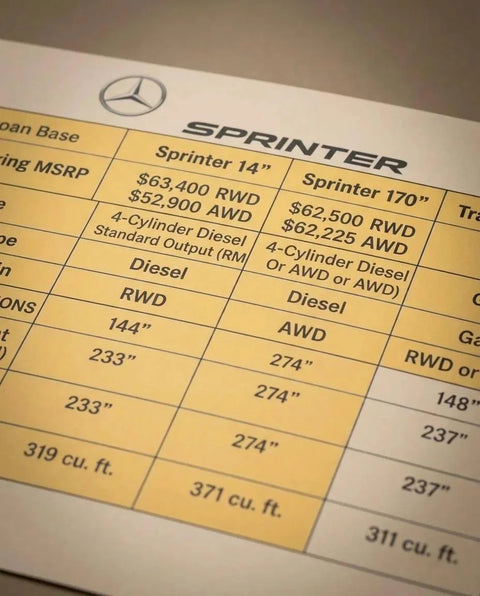
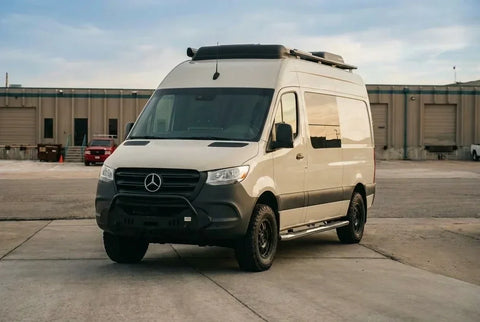
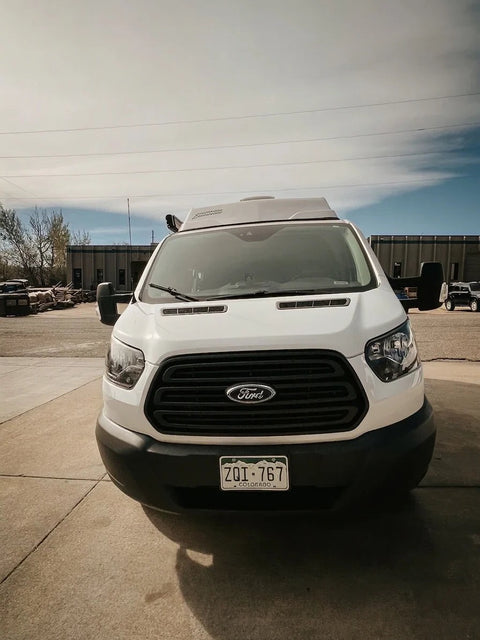
Most small motorhomes are built on proven van chassis, like the Mercedes Sprinter, Ford Transit, or Fiat Ducato. These commercial platforms offer reliability and a smooth drive, which is a big reason why so many custom conversions use them. The typical width runs from 6.7 to 7.2 feet, so you’ll fit down narrow roads and into regular parking spots without breaking a sweat. That’s a big deal if you’re threading through a crowded downtown or pulling up to a trailhead in the Rockies.
Inside, you can usually stand up without ducking, with most models offering between 6'1" and 6'6" of headroom. Despite their size, small motorhomes squeeze in fixed beds, convertible lounges, compact kitchens, and either wet or dry bath setups. Some, like the Atlantis Compact 595, even feature double-floor insulation for better cold-weather comfort. Innovative builds, such as the monocoque fiberglass shells from Wingamm, bring durability and seamless weatherproofing to the table, making them tough enough for any season.
Class B vs. Compact Class C Motorhomes
Class B motorhomes, often called camper vans, keep everything inside the original van body. They’re stealthy and easy to park, with the Mercedes Sprinter and Ford Transit leading the pack. Compact Class C models, like the Wingamm Oasi 540.1 or Bürstner Lineo T, add a bit of coach body for more living space but keep the width tight and the handling sharp. Both types can be driven with a standard license in the US, so there’s no need for special training or extra paperwork-just get in and go.
Dimensions, Weight, and Usability
The variety of sizes within small motorhomes lets you pick the right fit for your adventures. The Wingamm Oasi 540.1 is one of the tiniest at only 17.7 feet long and 6.5 feet wide, making it perfect for tight city parking or twisty mountain roads. On the slightly larger side, the Bürstner Lineo T stretches to 22.9 feet long and 7.1 feet wide, giving you more room to stretch out without losing the ability to park almost anywhere. The Atlantis Camper Compact 595 splits the difference at about 19.5 feet, plus its double-floor design adds insulation and storage for those cold Colorado mornings.
Best Small Motorhomes: 2026 Models & Features
 Among 2026’s standouts, the Wingamm Oasi 540.1 has won a lot of fans for its patented fiberglass monocoque shell. This seamless construction means fewer joints to leak or creak, with better insulation and weather resistance to keep you cozy year-round. The Bürstner Lineo T packs a clever Vario washroom, swivel cab seats, and a flexible lounge into a 7-foot chassis, proving that you don’t have to give up comfort when you downsize.
Looking for more tech and style? Entegra Coach’s Class B lineup brings luxury finishes, advanced gadgets, and everyday usability to the van-sized market. Meanwhile, the Atlantis Compact 595 stands out with a panoramic skylight, AL-KO chassis for stable handling, and even carbon fiber construction options for those who want to shave off every extra pound.
All these models sleep two to four people, using clever layouts like convertible beds and multi-use lounges. Most now come solar-prepped with lithium battery options and fuel-efficient diesel or turbocharged gas engines-perfect for off-grid trips. Space-saving wet baths are the norm, but some, like Bürstner’s Vario washroom, hide away when not in use, opening up the main living area for relaxing or cooking.
Materials and Construction Innovations
Materials matter when you’re chasing comfort and longevity. Both Wingamm and Atlantis use a single-piece fiberglass or carbon fiber shell, which means no seams to leak and better insulation against cold and heat. That’s essential for folks camping at high altitudes or through Colorado winters. The double-floor setups, like you’ll find in the Atlantis 595, add another layer of insulation and tuck extra storage underfoot, making longer trips easier to manage.
Bürstner leans on German engineering for ergonomic interiors and tough, easy-to-clean materials. This is handy for families or couples who put their rigs through real-world adventure-muddy boots, wet gear, and all.
Interior Layouts and Living Comfort
Space is at a premium in small motorhomes, but that’s sparked a lot of smart design. Convertible dinettes, fold-down beds, and swivel cab seats help you shift from breakfast nook to bedroom in a flash. Modular storage means you can bring bikes, skis, or a week’s groceries without feeling cramped.
Large windows and panoramic skylights, like those in the Atlantis 595, make these compact spaces feel open and bright. High-end builds (think Entegra Coach) add solid-surface countertops, premium cabinetry, and slick tech like integrated control panels, so you get both comfort and real adventure capability.
Benefits of Small Motorhomes vs. Larger RVs
 The biggest perk of small motorhomes is how easy they are to drive and park. You can roll into city centers, squeeze down winding mountain roads, or snag a spot at trailhead parking lots where big rigs just can’t go. Fuel economy is another win-most small RVs get 14-18 mpg, while big Class A or C motorhomes often struggle to hit 12 mpg. That means more miles between fill-ups and more money for your next adventure.
Upfront cost is lower too. Most new small motorhomes in 2026 run from $120,000 to $180,000, while larger RVs quickly top $200,000. Insurance, tags, and repairs stick to the lower end as well, thanks to lighter weights and van-based parts. If you like exploring remote or primitive campsites, you’ll appreciate that many spots have size limits, often excluding anything over 25 feet-small motorhomes just fit more places. Plus, they blend in better for stealth camping or quick roadside stops.
Despite their size, the best small motorhomes don’t skimp on essentials. Full kitchens, comfy beds, and real bathrooms are common, especially in well-designed builds. For Colorado and mountain travelers, this compact class means you can chase powder or hit remote trailheads with ease.
Cost of Ownership and Value Retention
Small motorhomes tend to hold their value better than big RVs. There’s strong demand for used compact models, so depreciation is slower, and resale prices stay higher. Upgrades like lithium batteries, solar panels, and premium insulation not only make your trips more comfortable but also boost long-term value.
Routine maintenance is less of a hassle due to the use of standard van parts and a wide network of service centers. That means less downtime and more time on the road. If you’re thinking long-term, a well-maintained small motorhome or custom van build can be a solid investment for years of adventure.
Adventure Readiness and Ease of Use
Small motorhomes are built for adventure. Their tight turning radius and lower profile make them perfect for tackling mountain passes and forest service roads. Many offer traction control and all-wheel-drive options-especially on Sprinter and Transit platforms-so winter camping or muddy trailheads are within reach.
Features like preinstalled roof racks, awning tracks, and modular storage for bikes or skis are becoming standard. For Colorado explorers, these setups are a game-changer, letting you bring all your gear and make the most of every season. If you want even more off-road capability, you can look into suspension upgrades and all-terrain tires to get deeper into the wild.
Buyer Considerations: What to Look for in a Small Motorhome
Picking the right small motorhome starts with sleeping arrangements. Do you need a fixed bed, a convertible dinette, or a pop-top for extra headroom? Make sure the layout fits your travel style, whether you’re a solo explorer, a couple, or a family. For mountain or winter trips, check for solid insulation, double-glazing, and a reliable heating system. Some models use double floors and hidden heating ducts to keep things toasty even in deep winter.
Bathrooms vary-a full wet bath is nice, but modular or hidden solutions save space if you’re okay with a bit less privacy. Off-grid capability matters for many buyers, so look for big batteries, solar prewiring, and enough water tank capacity for your planned trips. Quality cabinetry and durable finishes pay off in the long run, especially if you’re hauling gear, kids, or dogs.
Test drive before you buy. Shorter wheelbases and narrow widths make driving and parking much less stressful. Storage is always at a premium, so look for creative solutions-garage spaces, modular bins, or under-bed drawers-that let you bring everything you need without clutter.
Sustainability and Modern Features
Modern small motorhomes are getting greener every year. Fiberglass or carbon fiber bodies won’t rust and are more energy efficient thanks to improved insulation. Many 2026 models come with lithium battery systems and solar panels-either factory-installed or as an easy dealer upgrade.
Water-saving fixtures, LED lighting, and eco-friendly surfaces are also common, lowering your footprint and making off-grid living more practical. If you’re serious about sustainability, it’s worth asking about recycled or low-VOC materials when you shop or order your custom build.
Platform and Chassis Considerations
The Mercedes Sprinter and Ford Transit continue to be the go-to platforms for small motorhomes and custom van conversions. Their reliability, handling, and service availability make them a safe bet for cross-country trips or deep mountain adventures. Upgrades, like the AL-KO chassis in Atlantis models, add to ride comfort and let you haul more gear or opt for larger water tanks.
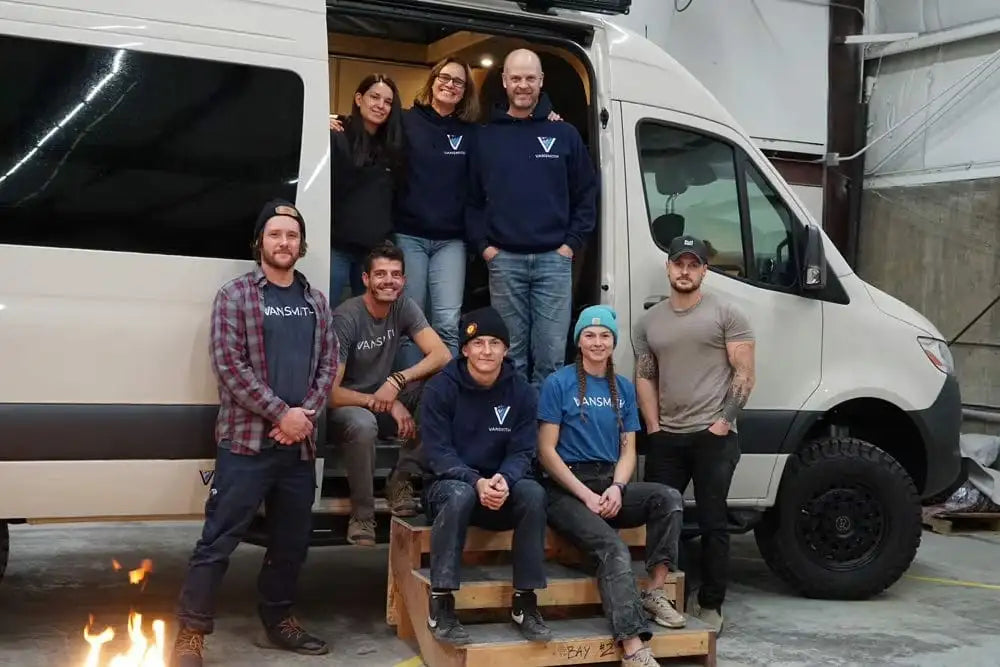
If you want something truly tailored, a custom van conversion-like those from The Vansmith-can match or beat the quality and flexibility of factory-built small RVs. You get to pick your layout, features, and finishes, making it easy to dial in your perfect adventure rig.
How Small Motorhomes Compare to Custom Van Conversions
Custom van conversions open up a world of options that factory motorhomes just can’t touch. You can design a layout for work, play, or family life, picking everything from bed style to kitchen placement. The Vansmith offers Mercedes Sprinter and Ford Transit builds in the same size range as leading European small motorhomes, so you’re not missing out on agility or interior space.
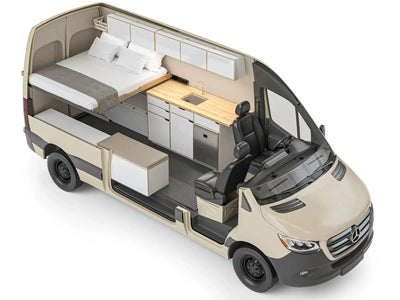
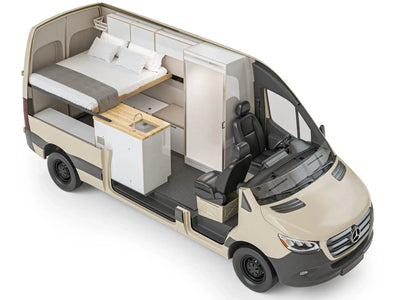
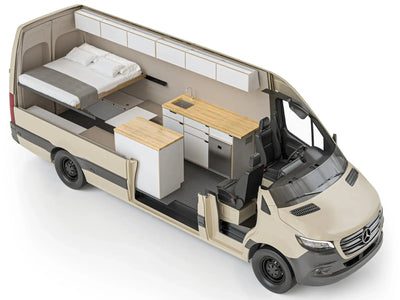
With a custom build, you can add the best insulation, choose eco-friendly cabinetry, and spec out solar or high-output batteries for true off-grid living. Eco-friendly conversion options are available for those who want a lighter footprint. The Vansmith’s modular layouts, like the DUO and Family series, make it easy to configure sleeping, dining, and storage for couples or families. Pop-tops, showers, and custom cabinetry are all on the table-just pick what fits your adventure best.
Another big advantage is support and timeline. Custom builds from a US-based shop like The Vansmith often have shorter lead times and more transparent service compared to importing a European model. Upgrades and repairs-like suspension, heating, or solar-are easier too, since you’re working with local experts who know the terrain and climate.
The Vansmith’s Small Van Conversion Offerings
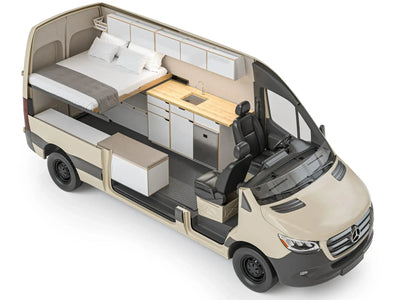
The DUO, DUO S, and Family layouts from The Vansmith are dialed in for compact Sprinter and Transit vans. They maximize every inch of space for sleeping, storage, and daily living. Eco-friendly options bring sustainable materials and efficient appliances into your build, so you’re ready for every season. These thoughtfully designed layouts are worth considering when searching for a camper van for sale.
Buyers can add pop-tops (pop-top options), showers (van showers), upgraded batteries, and custom cabinetry. It’s all about tailoring your rig to fit your own travel style, whether that means weekend escapes or months off the grid.
Real-World Use Cases: Colorado and Beyond
Short-wheelbase vans and small camper vans are a sweet spot for Colorado. They handle mountain passes, tuck into National Forest campgrounds, and fit in downtown Boulder or Denver parking. Many Vansmith customers add winterization, suspension lifts, or all-terrain tires, building a van that’s truly four-season ready (learn more about upgrades).
The Family layouts are built with parents, kids, and pets in mind. Bunks, convertible beds, and modular storage make road trips easy, safe, and fun (see Family XL). Whether your adventure is a quick weekend or a cross-country journey, a custom small motorhome or van conversion can make every trip smoother and more comfortable.
FAQ
What is considered a small motorhome in 2026?
A small motorhome in 2026 is usually a Class B or compact Class C RV under 23 feet in length and weighing less than 3.5 tonnes (about 7,700 lbs). These rigs are designed for easy driving and parking, making them ideal for both city streets and remote campsites. Outdoorsy highlights that their compact size means you get adventure without the stress of maneuvering a huge RV.
Which small motorhome models are best for couples or solo travelers?
Popular options for couples or solo travelers include the Wingamm Oasi 540.1 (17.7 feet), Bürstner Lineo T (22.9 feet), and Entegra Coach Class B vans. All of these offer smart layouts, high-quality materials, and enough amenities to live comfortably on the road.
How do small motorhomes compare in cost to larger RVs?
New small motorhomes in 2026 are typically priced from $120,000 to $180,000, which is much more affordable than larger Class A or C RVs that often exceed $200,000. You’ll also pay less for fuel, insurance, and upkeep since these vehicles are lighter and use many standard van components. Outdoorsy notes that this makes small RVs a good value for long-term ownership.
Are small motorhomes suitable for winter or off-grid camping?
Absolutely. Many small motorhomes feature double-floor insulation, diesel or propane heaters, and come solar/lithium-ready for off-grid living. Wingamm and Entegra Coach both offer models with robust insulation and heating, making them suitable for winter adventures and remote boondocking.
How do custom van conversions compare to factory-built small motorhomes?
Custom van conversions, such as those from The Vansmith, let you choose your own layout, insulation, and features for a truly personalized adventure rig. In many cases, they match or exceed the quality and flexibility of factory-built small motorhomes, especially for buyers who want local support and unique design.