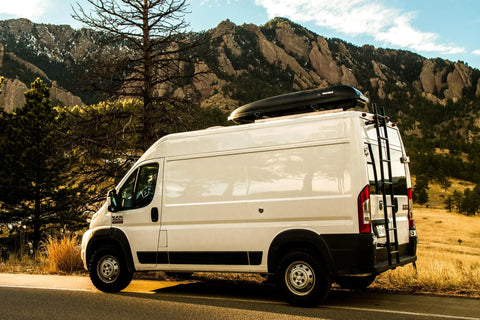
The Ram ProMaster vs Ford Transit debate comes down to a few big numbers: the ProMaster offers up to 463 cubic feet of cargo space and a low 21-inch load floor, while the Transit tops out at 487 cubic feet and boasts an available high roof of 81.5 inches plus AWD for true off-grid travel. Most serious van lifers and pro builders, including The Vansmith, prefer the Ford Transit for its taller roof, advanced tech, and all-terrain flexibility, but the ProMaster’s wide, low cargo area and tight turning radius still make it a favorite for city living or budget builds. Which van fits your adventure depends on your travel, comfort, and build goals.
2026 Ram ProMaster vs Ford Transit: The Essentials
The 2026 Ram ProMaster and 2026 Ford Transit are the two top choices for anyone dreaming of a high-roof cargo van conversion in North America. Both vans are trusted by vanlifers, delivery drivers, and businesses across the country, but they go about things a little differently. The ProMaster comes in three wheelbase options-118, 136, and 159 inches-giving you flexibility in overall length. The Transit offers two-130 and 148 inches-but gives you more choices for roof height, which matters a lot when you want to stand up inside your home on wheels.
One of the biggest differences is drivetrain. Every ProMaster is front-wheel drive (FWD), which means the engine powers the front wheels. This setup helps keep the cargo floor low and flat. The Transit, on the other hand, comes standard with rear-wheel drive (RWD) but is available with all-wheel drive (AWD) across all trims. AWD is a game changer if you want to get off the pavement, head to the mountains, or drive in winter weather. The ProMaster’s 3.6L V6 engine delivers 276 horsepower and 250 lb-ft of torque through a 9-speed automatic. Transit buyers get a 3.5L V6 (275 hp, 262 lb-ft) or an optional 3.5L EcoBoost V6 that cranks out 310 horsepower and a beefy 400 lb-ft of torque.
Looking at cargo space, the ProMaster maxes out at 463 cubic feet while the Transit nudges ahead with 487 cubic feet in the extended high-roof model. Price-wise, the ProMaster starts at about $46,555 for a 2026 model, while the Transit’s base price is a bit higher at $50,075. If you’re thinking about conversion, you’ll care about more than just cubic feet. The ProMaster’s load floor is just 21 inches off the ground-super easy for stepping in and loading up-while the Transit’s is 28 inches. The ProMaster is also the widest in its class at 75 inches, and it’s much easier to park in tight spots thanks to a turning diameter of only 36.3 feet compared to the Transit’s 42.9 feet. Car and Driver, Car and Driver, and Ram Trucks all confirm these core differences.
Side-by-Side Specs and Dimensions
If you’re over six feet tall, standing height matters. The ProMaster’s high roof gives you 76 inches inside, while the Transit high roof stretches to 81.5 inches. Transit also offers more roof choices: low (56.9 inches), medium (72 inches), and high (81.5 inches), so you can really dial in your build. Both vans have enough width between the wheel wells-ProMaster’s 56 inches, Transit’s 54.8-to fit a sheet of 4x8 plywood flat on the floor. For overall van length, the Transit extended is nearly 22 feet long, making it a top pick for big builds or family layouts. The ProMaster 159-inch extended measures about 20 feet.
Payload is another biggie. The ProMaster can haul up to 4,750 pounds, while the Transit tops out at 4,430 pounds, depending on configuration. If you plan to tow a trailer, the Transit takes the win at 7,500 pounds (with the EcoBoost engine), just edging out the ProMaster’s 7,130 pounds. And for city dwellers or those who park in tight trailheads, the ProMaster’s 36.3-foot turning circle is much handier than the Transit’s 42.9 feet. For full specs, check Car and Driver’s ProMaster review and Transit review.
Engine, Drivetrain, and Performance
The ProMaster sticks with its tried-and-true 3.6L Pentastar V6, paired to a smooth 9-speed automatic. FWD helps you get through slick city streets and keeps the cargo floor low. The Transit’s base 3.5L V6 nearly matches the ProMaster in horsepower and torque, but the real star is the available 3.5L EcoBoost. With 310 horses and 400 lb-ft of torque, it’s got plenty of muscle for heavy builds, towing, or mountain passes. The Transit also wins on transmission, offering a newer 10-speed automatic that feels a bit more refined.
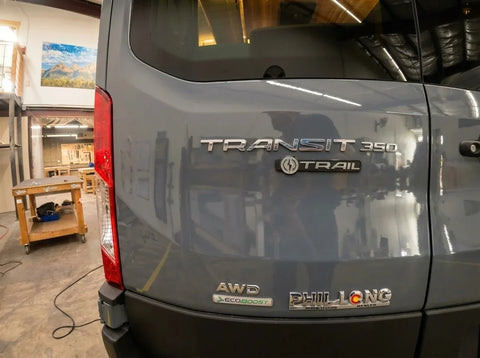
If you want AWD, Transit is your only choice in this matchup. Ford’s intelligent AWD system senses slip and sends power to the wheels that need it, making it perfect for snow, gravel, or rough roads. The ProMaster’s FWD is great for traction on wet pavement and icy driveways, but it can’t match AWD for all-terrain travel. In real-world speed, the ProMaster runs 0-60 mph in about 8.1 seconds, while a Transit with EcoBoost gets there in 6.8 seconds-noticeably quicker when merging or passing. Fuel economy is similar for both, with most owners seeing 15-17 mpg depending on load and driving style. As Jim Schmidt Ford and Ram Trucks highlight, the Transit’s roof height and AWD open up more possibilities for serious adventure builds.
Pros and Cons: Ram ProMaster
 The ProMaster’s biggest strengths are its low, flat cargo floor and wide body. The 21-inch floor height makes it a favorite for people who load and unload gear often or need a van that’s easy to step into. Its 75-inch interior width is the broadest in the segment, giving you more floor space for side-to-side sleeping or roomy layouts. That boxy shape is a real plus for DIYers-straight walls mean easier cabinet installs and more usable space. And let’s not forget the turning radius. At 36.3 feet, it feels a lot more nimble in crowded cities or trailhead parking lots than the longer Transit.
The ProMaster’s drivetrain is simple and reliable, with fewer bells and whistles than the Transit or Sprinter. It’s also the most affordable way to get into a big van, starting under $47,000 for 2026. But the lower price comes with trade-offs. There’s no AWD or 4WD from the factory, so winter drivers and off-roaders will hit the limit fast. The ride quality and cabin comfort lag behind the Transit, and the tech is simpler. Over time, ProMasters tend to lose value more quickly than Transits, especially when it comes to high-end conversions. Salem Ford notes ProMaster’s resale is generally lower.
Best Use Cases for the ProMaster
If your vanlife is mostly city-based-urban stealth camping, delivery driving, or hauling gear for work-the ProMaster’s easy step-in and wide, simple cargo area are big wins. Many DIY builders pick the ProMaster because it’s affordable, boxy, and easy to work with. The low floor means less crouching, and the tight turning circle makes it easy to maneuver in tight spots. If you’re not planning to tackle Colorado backroads or deep snow, this van covers a lot of ground for less money. Car and Driver and Ram Trucks back up these points.
But if you’re dreaming of high country camping, rough dirt roads, or winter mountain adventures, the ProMaster’s FWD and underbody clearance can be limiting. There are fewer aftermarket AWD or 4x4 options, and even those tend to be more expensive and less proven than what Transit or Sprinter offer off the lot. Jim Schmidt Ford agrees it’s less suited for rugged use.
ProMaster Downsides for Adventure Builds
Front-wheel drive is great for flat or paved roads, but it limits traction when you hit mud, deep snow, or rocky trails. Most serious adventure builds now start with AWD or 4WD platforms for good reason-peace of mind, safety, and the ability to reach remote spots. The ProMaster also sits lower to the ground, so it can get hung up on rocks or ruts more easily than its rivals. The interior roof height is fine for most, but taller travelers and those who want overhead cabinets or showers will find it limiting compared to the Transit high roof. When it comes to noise and temperature, ProMaster’s insulation and sound deadening just can’t match what Ford offers in the Transit. Car and Driver sums up these trade-offs well.
Pros and Cons: Ford Transit
 The Ford Transit has become the go-to platform for adventure builds, and it’s easy to see why. The available AWD system (standard on all 2026 models) is a big draw for anyone tackling snow, mountain roads, or backcountry trails. The high-roof Transit gives you a massive 81.5 inches of standing height-tall enough for nearly anyone to walk around comfortably and for adding overhead storage or even a standing shower. Multiple engines are available, from the standard V6 to the powerful EcoBoost V6, which is great for towing or heavy, feature-rich conversions.
Comfort is another Transit strong suit. In 2026, Ford upgraded the cab with better materials, a larger touchscreen, and advanced driver-assist features under the Co-Pilot360® banner. The ride is quieter, smoother, and more car-like than the ProMaster or the Sprinter in many trims. While the Transit is a bit narrower inside (70.2 inches), its extended version runs nearly 22 feet, offering more room for big builds or families. The Transit also comes better insulated from the factory, making it more comfortable in extreme weather and quieter on the road. The higher starting price is offset by stronger resale value, especially for conversions. Car and Driver and Salem Ford confirm these advantages.
Best Use Cases for the Transit
Adventure van builders, mountain explorers, and families who want to travel in comfort all benefit from the Transit’s strengths. Its AWD, high roof, and longer body make it ideal for full-featured builds-think real beds, indoor kitchens, even showers. That’s why shops like The Vansmith focus on Transit and Sprinter platforms for their most ambitious projects. The Transit’s comfort and tech upgrades also make it a great pick for long road trips and family adventures where everyone wants to arrive refreshed.
Professional shops, including The Vansmith, lean toward Transit for its reliability, easy upfit options, and advanced safety features. If you’re looking for a van that’ll hold up to hard use and keep its value for years, Transit is hard to beat.
Transit Downsides and Limitations
No van is perfect, and the Transit has its quirks. The main thing you’ll notice is the larger turning circle-42.9 feet means you’ll do more three-point turns in tight parking lots compared to a ProMaster. The cargo floor is higher too, at 28 inches, so it’s a bit more work to load heavy gear or step inside. The interior is slightly narrower than the ProMaster, which may limit some custom layout ideas. And finally, it costs more up front, especially if you want AWD or the EcoBoost engine. But the payoff is a van that’s more comfortable, more capable, and worth more down the road. Car and Driver and Salem Ford spell out these details.
Conversion Potential: What Matters Most for Vanlife
For vanlife, the details inside the shell matter most. Standing height, cargo volume, wall shape, and roof structure decide how comfortable and flexible your conversion can be. Transit’s high-roof option is best-in-class at 81.5 inches. That extra space means taller folks can stand up straight, overhead cabinets fit easily, and even indoor showers are realistic. AWD is now a must-have for many-if you want to chase snow, camp year-round, or explore off-grid, only the Transit offers AWD right from the factory.
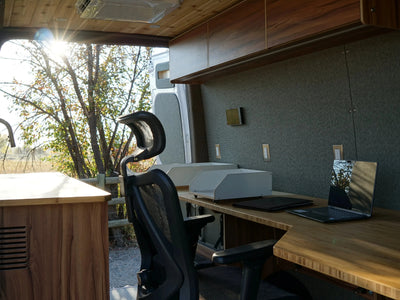
The ProMaster’s boxy shape is a real help for DIYers-straight walls make for simpler cabinetry and layout work. But the Transit wins on insulation, sound, and overall finish, making it a cozier, quieter home on wheels. The Transit extended model also gives you more length for sleeping, storage, or fitting in a family. Both vans can handle a queen-size bed side-to-side with flares, but Transit’s slightly narrower body means you’ll need to plan carefully.
Accessibility is another factor. If easy loading, unloading, or a low step-in is your top concern, the ProMaster’s floor is hard to beat. But for long-term value, comfort, and reliability, Transit edges ahead-especially if you ever plan to sell or trade in your van. Car and Driver and Salem Ford recommend Transit for high-end builds.
Critical Conversion Differences: ProMaster vs Transit
Those few extra inches of roof height in the Transit really do make a difference, letting you add features that are tough to fit in the ProMaster. ProMaster’s wider floor lets you play with storage and seating, but you trade off vertical space. Only the Transit’s AWD opens up four-season, all-terrain travel. And if you want the latest driver aids, infotainment, and comfort features, the Transit leads the way. That’s why most pro shops, including The Vansmith, use Transit and Sprinter as their main build platforms.
Which Van is Best for Your Adventure?
If you’re focused on city life, deliveries, or sticking to a budget, the ProMaster offers a lot for less money. For remote explorers, mountain lovers, or families who need comfort, AWD, and the most conversion potential, the Transit is the clear choice. And for anyone looking to invest in a pro build that’ll last and hold value, Transit’s features and reputation make it the platform of choice for The Vansmith’s custom conversions.
The Vansmith Approach: Why We Recommend the Ford Transit
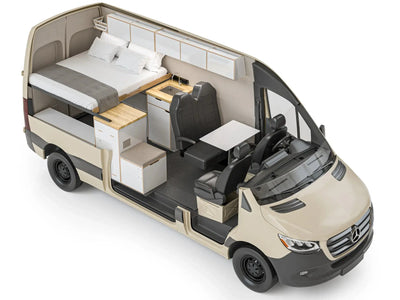
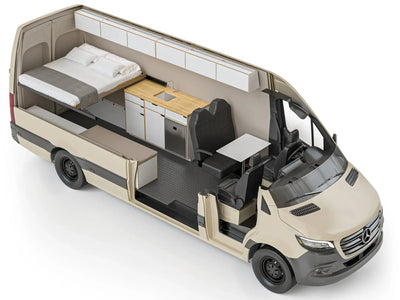
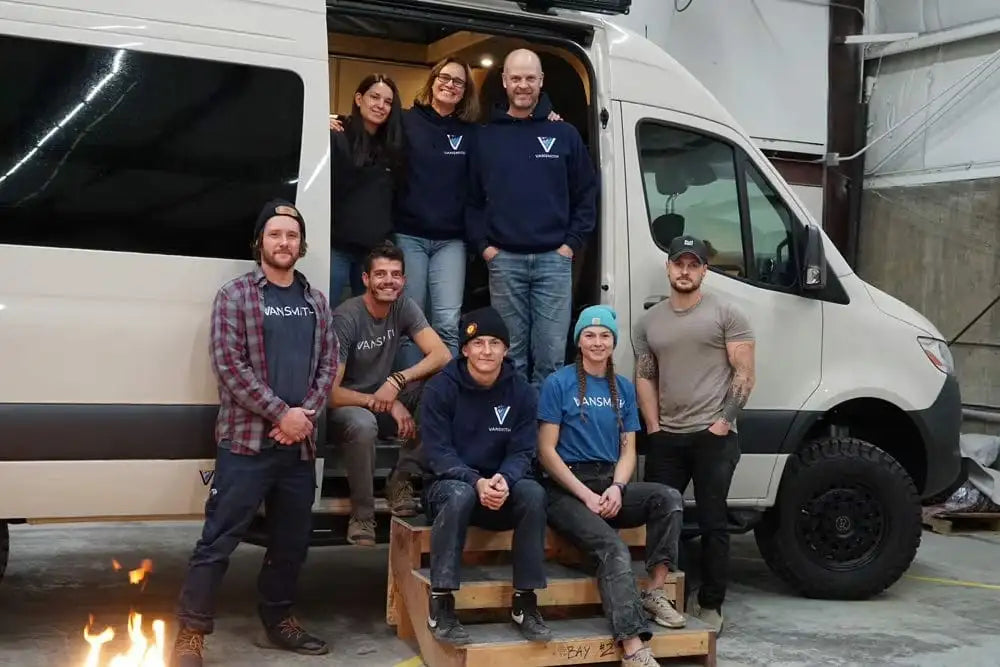
At The Vansmith, we’ve built and lived in dozens of vans, and our experience has led us to focus on the Ford Transit (and Sprinter) for full-featured conversions. The Transit’s factory AWD, advanced safety tech, and high roof support our signature layouts-like the DUO and Family builds-tailored for Colorado’s rugged terrain and all-season adventure. We love the Transit’s reliability, flexibility, and how it lets us craft beautiful, functional spaces for couples, families, and solo explorers alike.
Resale value matters when you’re putting time and money into a premium build. The Transit’s strong reputation means your investment is protected. We offer a full suite of upgrades for Transit vans-suspension, heating, electrical, solar, storage, and more-so your rig is ready for anything. If you already own a ProMaster, we do offer service installs (windows, vents, electrical) but don’t recommend it as a full conversion platform due to its limits for adventure builds. See more about our installations and upgrades for both platforms.
Ready to start your van journey? Contact us to talk through your goals, or browse our available Transit camper vans for sale and see what’s possible.
Choosing Your Platform: The Vansmith’s Pro Tips
Pick your platform based on the features that matter most: roof height, cargo volume, and drivetrain. If you’re planning to tackle mountain passes or snowy trails, AWD and ground clearance are your friends. For the best long-term value and the most options for layout and tech, Transit and Sprinter are the leaders. And remember, a van is a big investment-think about where you want to go and how you’ll use it for years to come.
Explore The Vansmith’s Ford Transit Builds
We offer several Transit-based layouts: the DUO for couples, the Family for bigger crews, and custom setups for whatever adventure you dream up. Every build features our signature craftsmanship-beautiful, durable, and designed for real life. Check out our gallery of past builds or see all Transit van conversions to get inspired. Upgrades like solar, heat, water, and lift kits are all available for the perfect fit. We’re here to help you build the best adventure van for your journey.
FAQ
Which is better for van conversions: Ram ProMaster or Ford Transit?
For most professional, adventure-ready conversions, the Ford Transit is the top pick. It offers AWD, a higher roof, better insulation, and stronger resale value. The ProMaster is more budget-friendly, offers a lower step-in and wider cargo area, but doesn’t have AWD or the same comfort and tech features as the Transit. If you’re planning a premium build, Transit is usually the way to go.
Does the 2026 Ford Transit offer all-wheel drive?
Yes, the 2026 Ford Transit comes with available intelligent AWD on every model. This makes it a standout for all-season and off-road travel, giving it a clear advantage over the FWD-only ProMaster.
What are the key pros and cons of the Ram ProMaster?
The ProMaster’s biggest pros are its wide cargo space (75 inches), lowest-in-class load floor (21 inches), and super tight turning radius (36.3 feet). Its main cons are the lack of AWD, a lower roof than the Transit, and less advanced ride comfort and tech features. These trade-offs make it best for city driving and budget builds, but less ideal for rugged adventures or all-season use.
How does cargo space compare between the ProMaster and Transit?
The 2026 ProMaster offers up to 463 cubic feet of cargo space. The Transit high-roof extended model reaches 487 cubic feet. Both can fit a queen-size bed side-to-side with flares, but the Transit’s higher roof gives you more vertical space for storage, showers, or tall travelers.
Why does The Vansmith recommend the Ford Transit for conversions?
The Vansmith recommends the Transit for its AWD, high roof, advanced safety features, and proven reliability. These factors make it the best platform for Colorado terrain, all-season trips, and high-quality adventure van builds that stand the test of time.
About the author

Eugene Smit
CEO
Eugene is the CEO of The Vansmith, based in Boulder, Colorado. He writes across topics related to van builds, ownership, and the camper van industry.
Read more about Eugene