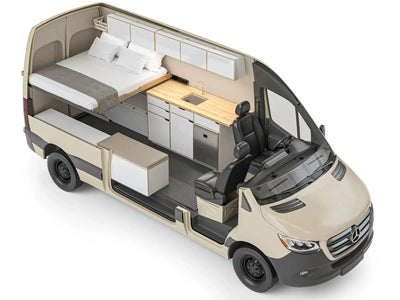
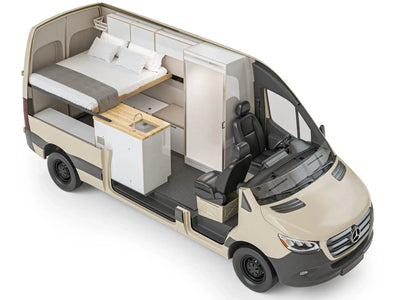
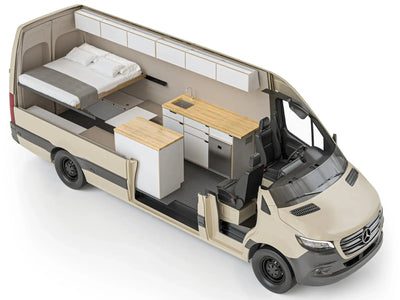
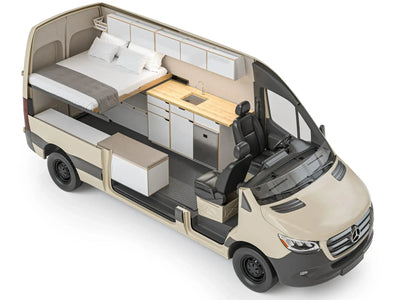
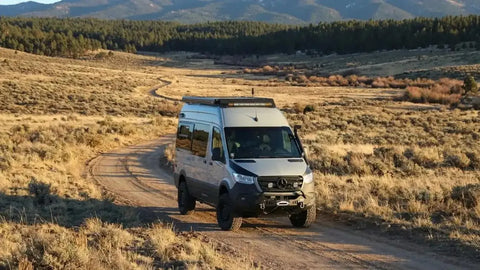
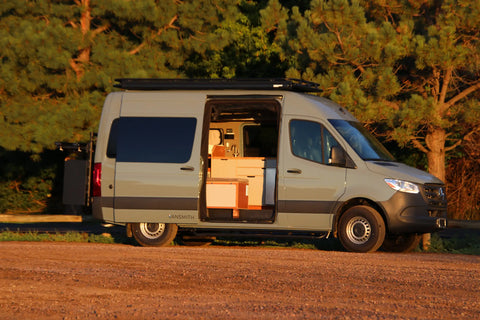
A class B camper is a fully equipped van, usually between 15 and 24 feet long, that blends daily drivability with all-in-one living amenities for true road adventure. With better fuel efficiency, built-in safety, and the ability to park in standard spots, class B campers deliver unmatched mobility and comfort-making them the go-to choice for solo travelers, couples, and small families who want real freedom on the road. These vans are nimble enough for city errands but ready for long trips, off-grid camping, or remote work. If you want a home on wheels that fits daily life as well as big adventures, a class B camper is hard to beat.
What Is a Class B Camper? Official Definition & Chassis Basics
Class B campers, often called camper vans, are built on standard van chassis like the Mercedes-Benz Sprinter, Ford Transit, and Ram ProMaster. According to the RVIA, these are called 'Type B Motorhomes', and they're quite different from the bus-sized Class A or the cab-over Class C RVs.
Most class B campers fall between 15 and 24 feet in length, with heights of about 8 to 10 feet. That makes them much smaller-and easier to handle-than the bigger Class A or C options. This smaller size is a big part of their appeal, allowing you to slip into regular parking spots and cruise through city streets without stress. The most popular platforms for modern conversions are Sprinter and Transit, with ProMaster showing up less often among high-end builders.
One big advantage is that class B campers keep the original van’s front cab, which means you get factory safety features and more car-like driving. According to Consumer Reports, this leads to better handling and a safer ride compared to bulkier RVs. Unlike Class C, you won't find slide-outs or a big over-cab bed; class B units keep a lower, more urban-friendly profile. Still, these vans pack in sleeping, cooking, and sometimes even bathing-all in one streamlined body.
Van Chassis Matters: Sprinter, Transit, and ProMaster Compared
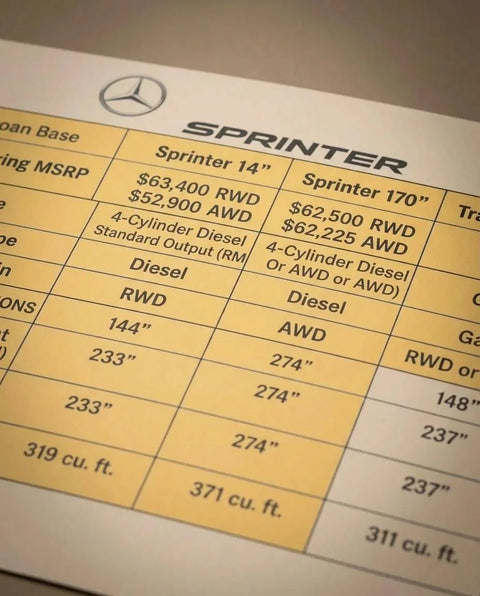
The Mercedes-Benz Sprinter is the top choice for many premium conversions. It comes with high-roof and extended-length options, advanced driver safety, and 4x4 or all-wheel drive (AWD) for those who want to explore beyond paved roads. The Ford Transit gets high marks for a quieter ride, available AWD, and a slightly lower price tag, making it appealing for travelers who want modern tech and comfort without breaking the bank. The Ram ProMaster stands out with front-wheel drive and a lower, wider cargo area-DIYers like it, and it’s common for entry-level builds, though it's less favored by high-end outfitters.
Sprinter and Transit-based builds usually offer better resale value and more support from the aftermarket world than ProMaster vans. Most class B campers seat two to four people and sleep one to three adults, but some clever layouts (like pop-tops or convertible dinettes) can sleep up to four, perfect for families with young kids. At The Vansmith, we focus on Sprinter and Transit platforms because they’re reliable, comfortable, and open up tons of options for customization-whether you’re a solo explorer or a family on the move.
Industry Definitions: What Sets Class B Apart from Class A and C
Class A motorhomes are the giants-think 26 to 45 feet long, with all the comforts of home, but they’re tough to drive and park for most people. Class C RVs are a bit smaller (20 to 33 feet), built on a cutaway truck or van chassis, and known for their over-cab sleeping area and spacious interiors. What makes Class B different? It’s the all-in-one van body, compact size, and agility. You get travel flexibility that the big rigs just can’t match. In most cases, you can park a Class B in a standard spot, slip under many height limits, and blend in for 'stealth' camping in cities or crowded trailheads.
Class B units also have a lower Gross Vehicle Weight Rating (GVWR)-usually 8,500 to 11,000 pounds. That’s a far cry from the 12,000+ pounds of Class C and the up-to-30,000 pounds for Class A behemoths. This smaller size means lower insurance, easier maintenance, and less expensive registration. Many solo travelers, couples, and small families pick Class B because it balances adventure, comfort, and a size that just works for real-world travel.
Key Features & Benefits of Class B Campers
What do you actually get inside a class B camper? Most have a small but mighty kitchen with a fridge, sink, and cooktop. Sleeping setups range from fixed beds to benches that convert into cozy bunks or dinettes. Many layouts can sleep two or three, and a few can stretch to four with a pop-top or bunks. Compared to bigger rigs, fuel efficiency is a game changer-expect 14 to 20 mpg, while Class C averages 7 to 12, and Class A drops as low as 6 to 10 mpg.
Safety is another strong point. The van chassis gives you airbags, ABS brakes, stability control, and modern driver assists that you won’t always find in older or larger RVs. And if you like to get off-grid, many class B builds offer solar panels, lithium batteries, and water tanks that let you camp for days without plugging in. Maneuvering is easy-most drivers feel comfortable behind the wheel without any special training. Want to get off the pavement? Some models offer AWD or 4x4 for dirt roads and mountain access, making them perfect for Colorado adventures.
Interior Layouts and Living Comfort
Design matters a lot when you live in a van. The best class B campers make every inch count. You’ll see benches that double as beds, tables that tuck away, and storage solutions that disappear into sleek cabinetry. Wet baths (combining shower and toilet) are common, though some models use cassette or composting toilets to save space. At The Vansmith, we use high-quality insulation, heating, and ventilation for true four-season comfort, so you can head out any time of year.
Tech is showing up more, too-touch screens, WiFi boosters, and solar monitors are now options in many builds. Interior finishes run from rugged and simple to full-on luxury, with custom cabinets, solid counters, and high-end fixtures. Skylights, windows, and vent fans bring in fresh air and daylight, making the space feel bigger and more inviting. If you want a van that feels like a real home, details like these make all the difference.
On-Board Systems: Power, Water, and Climate
Power and water systems are a big deal in class B campers. Most have fresh water tanks holding 15 to 30 gallons, with 10 to 20 gallons for grey and black water. Solar panels (often 100 to 400 watts) paired with lithium batteries (100 to 400 amp-hours) can keep you off-grid for several days. Heating is handled by diesel or gas units, and The Vansmith installs these systems professionally for safe, efficient warmth all winter.
Roof-mounted vent fans from brands like MaxxAir and Dometic keep air moving and humidity down, while the house electrical runs off 12V DC with inverters for your 120V needs. Hot water usually comes from a compact electric or propane heater, giving you two to four gallons on demand for a quick shower or dishwashing. All these systems are designed to make sure you stay comfortable, wherever you park.
Class B Camper vs. Class C: Which Is Right for You?
 Choosing between a class B and a class C camper comes down to what matters most for your trips. Class C RVs have more space, bigger kitchens, and higher sleeping capacity-up to eight people in some models. But they’re harder to maneuver, need bigger parking spots, and are less welcome in tight or urban areas. Class B vans, by contrast, fit in standard parking, are more stealthy, and use a lot less fuel. That means more freedom to roam and less money spent at the pump.
Class B campers are much easier for daily driving-think errands, city parking, and winding scenic routes. While entry-level Class C models might start at a lower price, the best class B campers hold their value better and tend to offer higher build quality. Insurance and maintenance are both usually cheaper with Class B, reflecting their smaller size and simpler systems. For solo travelers, couples, and small families who want mobility, adventure, and self-sufficiency, a class B camper is often the better fit. Class C is still great for bigger families or anyone who needs more room to spread out.
Use Cases: Who Should Choose a Class B Camper?
If you value flexibility, off-grid capability, and the ability to use your van for both daily driving and adventure, a class B camper is your match. Independent explorers and couples love the freedom to park almost anywhere, hit remote trailheads, or camp in stealth mode in cities or parks. Families with young kids can make it work with pop-tops or bunks, but space will be tighter than in a class C. Remote workers appreciate the mobility, built-in power, and quiet work environments possible in a custom van build.
Class B vans shine for people who want one vehicle for everything-errands, work, and weekends away. They’re especially popular for stealth camping, trailhead access, and travel to places that bigger RVs just can’t reach. If this sounds like your style, check out our family vans and vans for couples to see what’s possible.
Cost, Value, and Ownership Experience
New class B campers start at about $60,000 and can reach $200,000 or more for luxury custom builds with all the bells and whistles-according to Entegra Coach. Class C RVs might start a bit lower ($70,000-$120,000), but their running costs are often higher. Class B vans, especially those built on Sprinter or Transit chassis, hold their value well thanks to high demand among adventure travelers.
Maintenance is simpler and more affordable since most repairs can be done at regular van dealerships. Insurance is cheaper, too, since the risk profile is lower. In our experience, class B owners are some of the happiest in the RV world. They value smart craftsmanship, adventure, and the ability to pick up and go at a moment's notice. If you want a taste of this lifestyle, explore our Transit conversions and Foundation builds.
How to Choose the Best Class B Camper for Your Adventures
Your perfect class B camper starts with a clear sense of how you’ll use it. Are you traveling solo, as a couple, or with kids? Will you be off-grid or mostly at campgrounds? Is this for weekend trips or full-time life on the road? Once you have your travel style nailed down, look at chassis options. Sprinter is best for those who want 4x4/AWD and premium features, while Transit offers a quieter ride and good value. ProMaster can work for entry-level or service builds, but Sprinter and Transit lead for most custom adventures.
Make a list of must-have features-sleeping space, kitchen and bathroom setup, storage, off-grid systems like solar and lithium batteries, and built-in safety tech. Interior build quality matters: solid cabinetry, good insulation, and tough materials will keep your van feeling like new. Don’t forget to research warranty, service support, and parts availability for your chosen chassis or conversion. Budget realistically, factoring in both the upfront price and the ongoing costs of maintenance, insurance, and any upgrades you want.
Custom builds with trusted outfitters like The Vansmith give you the chance to tailor your van to fit your life perfectly-choose your layout, finishes, and systems for a one-of-a-kind home on wheels. For more tips on the process, check out our process and visit our van build blog.
Affordable Class B Campers: What to Expect
If you’re shopping on a budget, expect entry-level class B campers to start around $60,000-$80,000-usually built on ProMaster or basic Transit chassis with simpler interiors. These affordable models may have smaller water tanks, less battery capacity, and fewer tech perks, but they still offer the core essentials for van life. Used class B campers are another way to save, especially if you find one built on a Sprinter or Transit chassis, which tend to hold value well. DIY conversions can cut your entry costs, but they might not match the durability, safety, or resale value of a pro build.
Budget-minded buyers should stick to platforms with strong service and parts networks, and it’s wise to avoid obscure or discontinued van models. For inspiration, browse our DIY blog or consider a used Sprinter conversion to get started.
Why Choose a Vansmith Build: Craftsmanship, Customization, and Value
At The Vansmith, we specialize in Sprinter and Transit-based class B conversions, with layouts designed for couples, families, and solo explorers alike. Our signature features include modular cabinetry, premium insulation, off-grid power systems (solar, lithium batteries, diesel heat), and refined interior finishes-all tested in the wilds of Colorado for year-round adventure.
Each van is built using materials and design choices that hold up to real travel-think snow, dust, rain, and sunshine. We offer a full range of services, upgrades, and long-term support, so your van stays ready for countless journeys. If you’re ready for a van that’s crafted for adventure, comfort, and value, contact us to start your journey or explore our DUO XL and Family XL layouts for inspiration.
FAQ
What is a Class B camper and how is it different from Class C?
A class B camper is a motorhome built on a standard van chassis, such as a Mercedes-Benz Sprinter or Ford Transit. It offers a compact size, easy drive, and full living amenities in one van body. Class C RVs, on the other hand, are larger, built on a cutaway truck or van chassis, and feature an over-cab bed for extra sleeping space. Class B is easier to maneuver, while Class C has more space for bigger families. For more on definitions, see RVIA’s official classifications and this motorhome comparison guide.
How much does a new Class B camper cost?
New class B campers usually range from $60,000 for simple, entry-level builds up to $200,000 or more for luxury conversions with premium features and interiors. The price depends on the chassis, interior build, and the systems you choose. You can see more details in this motorhome shopping guide and recent class comparison article.
Are Class B campers fuel efficient?
Yes, class B campers are among the most fuel-efficient motorhomes available, typically getting 14 to 20 mpg. That’s a big jump over the 7 to 12 mpg you’ll find with most Class C or A RVs. You can read about fuel efficiency in more detail at Consumer Reports.
Can a Class B camper fit a family of four?
Some class B campers can sleep four people, using pop-top roofs, bunk beds, or convertible seating. However, space and storage will be tighter than in a class C RV. For families, look for layouts with a pop-top or bunks, like our Family XL, or learn more in this class comparison.
What are the best features to look for in a Class B camper?
The best class B campers offer quality insulation, efficient heating/cooling, modular storage, off-grid power systems (solar, lithium batteries), and safety features such as airbags and stability control. Choose a layout that matches your travel style and comfort needs. For more tips, check out our detailed guide and this Consumer Reports breakdown.