By Berto — CMO — December 11, 2025
Table of contents
Quick answer: Is van life worth it?

Short version: yes — for some people, under certain conditions. If your main goal is freedom and travel, and you can handle the upfront build or purchase cost, van life can be rewarding. Keep a steady income through remote work, short-term income, or savings.
Plan for upkeep and coverage. These steps can bring big life improvements. But the question “is van life worth it” must start with a real look at Total Cost of Owning (TCO).
The money side determines whether freedom becomes lasting or a financial headache.
One-sentence summaries for different readers
- Digital nomad: Likely worth it if you have consistent remote income and good connectivity planning. Many nomads tell us a good hotspot and a quiet campsite beat a noisy apartment for focus.
- Retiree: Often worth it as a lifestyle choice if you have savings and prefer low-volume travel.
- Weekender: Almost always worth it — smaller vans and lighter setups keep costs low.
- Family: Possible, but more expensive and complex — benefits need to outweigh the higher build and systems cost.
How to use this guide
This guide walks through TCO, sample budgets (low, mid, high), and who fits van life. It covers common errors and fixes, choices tools like a quick checklist and break-even analysis, and useful next steps.
Read the sections that match your schedule (trial, part-time, or full-time). Use the sample numbers as a starting point for your own small calculator.
If you want quick useful action, skim the checklists and the trial-run advice first. Then dive into the budget forms for numbers.
Understanding the true cost: Total Cost of Ownership (TCO) for van life

Main keyword: is van life worth it — the money answer depends on TCO, not just a dreamy rent comparison. TCO mixes upfront purchase/build costs with ongoing running and chance costs over your target period (1, 3, or 5 years). Think of TCO as the full story: buy, upkeep, and the hidden bits you only notice after a long road season.
Upfront costs: buying a van vs converting vs buying a converted van
Typical ranges (2025 averages):
- Used compact van (unconverted): $15,000–$35,000
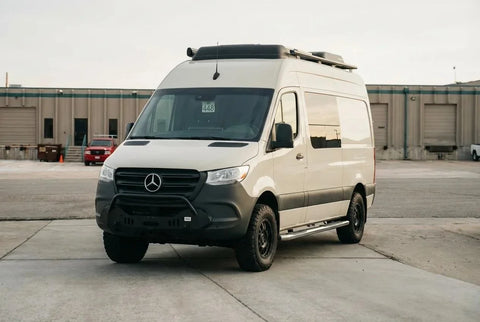
- New Sprinter/Transit base vehicle: $45,000–$75,000+ (Mercedes-Benz)
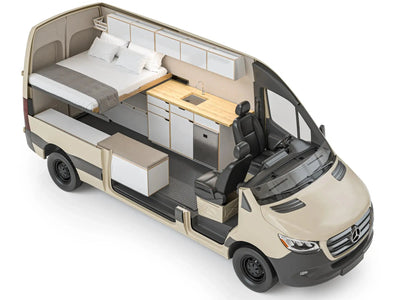
- Professional conversion: $30,000–$120,000 depending on systems and finishes
- Turnkey converted vans for couples by reputable builders: $80,000–$160,000
Choice note: If you want proven reliability and fewer mechanical surprises, a well-built Sprinter or Transit often gives better long-term value. That’s where The Vansmith’s design and build know-how matters. See our process overview for how we focus on strength in each build: Our Process.
One-time conversion and outfitting costs
Core conversion line items and typical cost bands:
- Insulation & vapor control: $1,000–$5,000
- Electrical (solar, inverter, batteries): $3,000–$20,000 (Renogy)
- Plumbing & water systems: $500–$4,000
- Cabinetry & beds: $3,000–$20,000
- Heating & ventilation: $1,000–$6,000
- Appliances & kitchen: $500–$8,000
Sample data point: a mid-range couple’s build with basic solar and lithium power usually falls in the $40k–$70k build range.
Recurring costs
Must-include monthly expenses:
- Fuel: $150–$800 (highly variable by travel style)
- Insurance & registration: $100–$400
- Maintenance & repairs: $50–$200 recommended savings per month
- Campsite fees & memberships (Hipcamp, RV parks, memberships): $0–$500
- Phone/data: $40–$150
Tip: Join networks and local builder and fitter groups for checked service and parts. If you’re on a Sprinter or Transit, keep a service plan and trusted shop list.
The Vansmith offers focused work like heater installs, service, and suspension upgrades to cut down on surprise downtime—big factors in controlling van life monthly expenses. A quick story: one client avoided a long delay and unexpected campervan conversion cost by calling a trusted shop before a cross-country run.
Small planning moves like that pay off.
Hidden and opportunity costs
Don’t forget:
- Depreciation and resale uncertainty
- Foregone housing equity if you sell a home
- Healthcare access and potential higher premiums
- Seasonal relocation costs (storage, winterizing, or shipping)
Example TCO scenarios
Real-world scenario snapshot (first-year TCO):
- Compact van, part-time (weekender): Purchase $20k, conversion $5k, first-year TCO ~$10k–$15k (low recurring costs).
- Mid-range couple, full-time: Purchase $50k, conversion $45k, first-year TCO ~$35k–$55k (includes stockpile of maintenance and contingencies).
- Family, off-grid capable: Purchase $70k, conversion $80k–$120k, first-year TCO $60k–$100k or more.
Budget templates: realistic monthly and annual cost ranges

Low-budget (part-time/weekender) — line-item example
- Monthly average: $600–$1,200
- Key assumptions: Low mileage, minimal campsite fees, basic conversion
Mid-budget (seasonal/up to 9 months)
- Monthly average: $1,200–$2,500
- Assumptions: Moderate travel, modest solar, some paid campgrounds
High-budget (full-time, family, off-grid capable)
- Monthly average: $2,500+
- Assumptions: Larger build, higher fuel and maintenance, occasional professional service
Adjust: Change fuel and campsite lines based on your route. For instance, long highway miles can raise fuel costs by 20–40% versus local off-roading. This is worth thinking about whether you're taking on the van life or planning a DIY camper van conversion.
Who van life is a good fit for — and who it isn’t
Personality and lifestyle indicators that predict success
- Enjoy minimalist living and adaptable spaces
- Are comfortable with occasional uncertainty and quick problem-solving
- Value experiences over possessions and can tolerate smaller personal zones
Work and income considerations
Steady income is key. Remote work, short-term jobs, or a large savings cushion are common helpers. If you rely on local full-time jobs, van life can be tougher unless you plan a mixed approach.
Health, family, and pet considerations
Families and those with health needs can do van life, but the build and systems must be planned with care for safety and comfort. The Vansmith’s family layouts and “Vans for Families” range show common setups that focus on space and strength: Vans for Families.
Geography and climate
Van life is easier in mild weather; winters add needs for extra lining, heating, and water protection. If you plan long seasons in snow or extreme cold, factor in diesel heaters, winter tires, and stronger systems.
Common mistakes to avoid (and how to fix them)
Underestimating maintenance and mechanical readiness
Fix: Have a repair checklist before long trips, keep a backup fund (3–6 months of costs), and build ties with local shops along your routes.
Overbuilding vs underbuilding — right-sizing your spend
Fix: Focus on reliability and systems you’ll really use. Start with basics (lining, steady heat, enough power) and add luxury extras later. Use a phased build approach or a base build — see our Foundation builds page for starting points: Foundation builds.
Ignoring legal/insurance/tax implications
Fix: Check car type, coverage for living-in-car cases, and address/tax effects. Consult an expert if you plan to change residence or sell a main home to go full-time.
Poor route and planning habits
Fix: Plan fuel stops, service windows, and rest days. Driving too much raises both fuel and wear costs.
Social and mental-health pitfalls
Fix: Build ties with local meetups or online groups, schedule frequent social contact, and create a routine inside your van for work and downtime.
Decision tools: how to decide if van life is worth it for you
Quick decision checklist (10 questions)
- Do you have reliable income or savings to cover 3–6 months of emergencies?
- Can you live with reduced square footage and less privacy?
- Are you comfortable doing basic vehicle maintenance or paying for it?
- Do you value mobility over owning a stable home base?
- Is your health situation compatible with mobile living?
- Can you handle seasonal weather extremes or plan alternate locations?
- Do you prefer to start small (rent, trial) before committing?
- Have you factored in insurance, registration, and tax implications?
- Do you have a plan for mail, packages, and voting/residency?
- Can you find a builder or service provider you trust (or commit to learning)?
Break-even example
Simple balance case: if your build + buy cost (after selling) is $50,000, and you expect to save $1,000/month versus city rent, you’d get that cost back in about 50 months (4+ years). Shorter periods favor renting or trying first.
Trial runs and phased approaches
Try this: rent a van for a month, or take a month-long trip in a borrowed or rental van. For longer-term certainty, phase the build: start with a basic layout and add systems over time. See the Sprinter and Transit choices to match your needs: Sprinter Vans Conversion and Transit Vans Conversion.
Practical next steps if you choose to try van life
Prioritizing upgrades
- Buy for reliability first (brakes, tires, suspension).
- Invest in power and climate control (solar + reliable heater).
- Delay luxury finishes until you’ve tested how you live in the van.
Budgeting and emergency fund recommendations
Keep a backup fund equal to 3–6 months of living costs and set aside a repair fund of $50–$200/month based on car age. If you have a family or older car, lean toward the higher side.
Resources
Helpful hubs and help: the Vansmith blog index for deeper reading (All Blogs), local meetups, and agents who focus on travel lifestyles. Also, checked fitting shops for heaters, shocks, and solar.
The Vansmith offers many of these options right from heater installs to shock upgrades. Contact us on our Contact page to talk details.
Ready to scope your build?
Book a consultFAQs
How much does van life cost per month?
Usual monthly costs vary a lot: $600–$1,200 for low-cost part-time users, $1,200–$2,500 for mid-range full-time users, and $2,500+ for families or off-grid systems. Exact totals depend on fuel, coverage, campsite fees, and living choices.
What is the total cost of owning a van for full-time living?
TCO for the first year often runs $20,000–$60,000 with van purchase/build and running costs; later yearly costs often drop to $10,000–$30,000 based on travel level and upkeep.
Can van life save you money compared to renting an apartment?
It can, mainly in high-rent areas, but savings depend on upfront build costs, how long you stay mobile, and hidden costs (healthcare, taxes). A balance check over your target period (e.g., 3–5 years) helps find out whether it’s saving money.
What are the biggest financial mistakes people make with van life?
Common errors: skipping repair checks and backup funds, building costly systems you don’t use, overlooking coverage and registration changes, and failing to budget for changes in costs throughout the year.
How should I budget for maintenance and repairs?
Set aside a repair fund of at least $50–$200/month, based on car age and reliability. Carry a backup fund equal to 3–6 months of living costs before starting full-time van life.
Is van life safe for families or people with health needs?
It can be, but it needs extra planning: larger car builds, climate control, access to health care, and schooling plans. Costs and challenges rise a lot for families and those with health needs.
Conclusion: balancing money, freedom, and risk
Is van life worth it? For people who focus on travel, value moments over space, and plan around TCO, the answer is often yes.
For others — mainly those who would sell key housing value, lack a steady income, or can’t handle higher repair costs — it may not be the right choice right now.
The best approach is simple: try before you commit, build in stages, and focus on reliability over looks early on.
When you’re ready to explore van choices suited to how you plan to live, The Vansmith can help. Whether you’re a weekend explorer or a family planning full-time life on the road, we can design a layout that combines strength, comfort, and long-term value.
Learn about our layouts and current stock to find the right platform: Sprinter Camper Vans For Sale. And keep in mind — small tests, like a weekend trip or a month-long rental, are the fastest, least costly way to learn whether the way of life fits you.