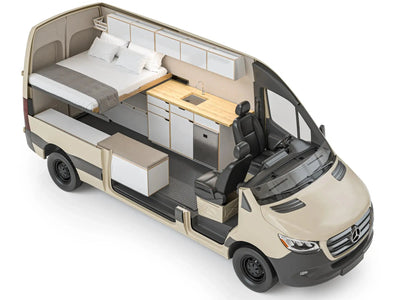
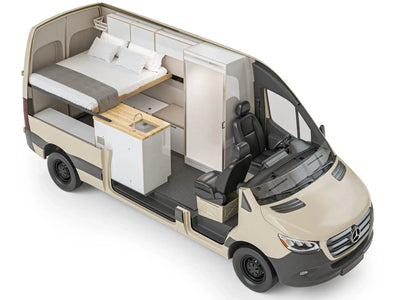
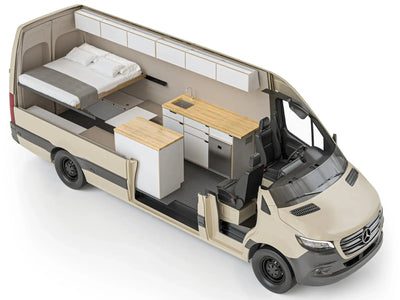
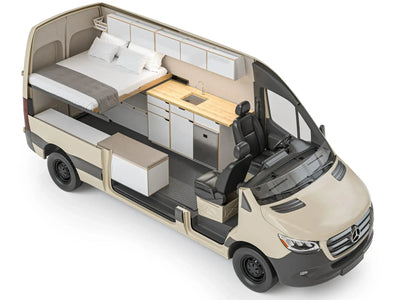
Start with how you travel and who travels with you


This van build guide helps you match van choice to travel style by looking at various camper classes and RV-style categories. Choosing the right van or adventure rig begins with clear goals. Are you a solo traveler who values easy access to remote trails, or a couple looking for a cozy, year-round home on wheels?
Families have varied needs again. Define your travel style first, and the rest turns into a set of useful tradeoffs.
For instance, one of our clients chose a shorter van after a weekend of tight wilderness parking showed them they wanted easier access to trailheads.
Thin
If you spend most weekends at trailheads and on short road trips, a shorter wheelbase may be attractive. For those planning weeks-long tours, long winters, or wanting an interior shower, it's key to focus on space and systems size.
Looking at various camper classes can help you grasp these needs better. We suggest visiting The Vansmith model pages and group hubs for layout ideas.
See how design choices map to real builds such as DUO, DUO XL, and Family.
s such as DUO, DUO XL, and Family.Choose your chassis: Sprinter or Transit

Mercedes Sprinter and Ford Transit are the two most common platforms we build on. Each has strengths. Sprinters offer high roof options, reliability, and great upfit fit. According to Mercedes-Benz commercial van specifications, Sprinter cargo vans are available in multiple roof heights and wheelbases that work well for camper conversions and different motorhome classes.
Transits are often slightly more budget-friendly and easy to find. Ford Transit cargo van models offer several roof and length combinations, and Ford notes that the high-roof versions provide up to around 81.5 inches of interior standing height in some configurations, which can be helpful for taller travelers. If you want a mobile office option, check our Sprinter vs Transit writeups and the mobile office guide for how each platform works as a workspace.
A quick tip is to think about local service support before committing to a chassis. Organizations like AAA recommend planning around service access and roadside assistance when you expect to drive long distances in a converted van.
While both Sprinters and Transits are great choices, we bias toward Sprinters. They are more tried and tested in the outdoor travel space and have a long track record with common upfits.
That said, if you are 6 feet 3 inches tall or taller, a Transit can give you roughly an extra inch of usable inside height in some setups. This can matter for standing comfort. If you are shorter, either platform will likely work well.
If you are taller, be aware that standing room can be tight in both platforms based on roof and layout choices.
Common practical considerations
- Interior height and roof choice. Roughly 90 percent of our customers choose high roof for the freedom it gives inside the van. Mid roof buyers often add a pop-top later if they want more standing room.
- Wheelbase and length. Longer wheelbases give storage and layout flexibility but make tight urban driving and parking harder. Consider where you will spend most nights, and how often you expect to park in tight or urban spaces.
- Service network and parts. Sprinter and Transit both have good service networks but check local dealer support before you buy.
Decide on your systems and comfort level
Systems include heating, power, water, and cooking. Think in terms of how self-sufficient you want to be off-grid. If you plan year-round travel, focus on good insulation, a dependable heater setup, and battery size.
For power, size your solar and battery setup around real daily energy use in standard units and our battery guides. According to EPA and fueleconomy.gov guidance for RVs and larger vehicles, understanding your typical driving patterns and energy needs is key to planning fuel and power use for extended trips.
If you want easy comfort with little learning curve, lean toward proven systems and expert setup.
Many clients tell us that planning systems around a few real days of freedom makes sizing much easier.
Bathroom and shower choices
Showers add ease but also weight and plumbing difficulty. If a shower matters, plan for water size and winter prep. See our posts on vans with showers and the complete guide to bathroom choices for tradeoffs and layout samples.
Layout and living ergonomics
Layout drives daily comfort. Decide where you want to sit, cook, sleep, and store gear. Think about foldable bed systems or fixed beds based on how often you have guests or need daytime seating.
Look through our layout hubs and build guides to compare options such as the DUO family of layouts and Family builds for group trips. A small change in seat position can make mornings feel much more easygoing, so test layouts when you can.
Storage and modularity
Good storage design keeps gear easy to reach without crowding living space. Focus on long item storage, fixed gear cupboards, and flexible furniture that can change with your life.
If you expect to grow into your van, choose systems that are easy to change. We often suggest mocking up a simple cardboard version of key cupboards to see how gear fits before finalizing sizes.
Budget, timeline, and build path
Decide early whether you will do a DIY build, use a base build, or choose custom work. Each path affects cost and schedule.
Our guide on base builds explains a budget-friendly way to get expert results faster. If you plan DIY, read our DIY guides for real time and tool needs.
Test drive and inspect
When you choose a van, test drive with a loaded weight that is about your planned setup when you can. Check roof height clearance for parking and drive-thrus. The National Highway Traffic Safety Administration (NHTSA) recommends paying attention to handling, braking, and visibility when evaluating any vehicle for safety, which is especially important once a van is fully built out.
Check doors, step access, and whether the van will work for your daily parking and campsite choices. It helps to bring a friend and your usual gear for a trial run when you can.
Internal references to help you decide
For deeper reading, see our posts Mercedes-Benz Sprinter Van Sizes, Height & Features and Sprinter vs Transit: Which Makes a Better Mobile Office? For layout ideas and useful build timelines, our How to Convert a Campervan and Van Layout Ideas for Solo Travelers, Couples, and Families pieces are helpful guides when comparing different camper van types and road-trip rigs.
Final thought: choose with how you want to live, not just where you want to go
Good design begins with honest questions about how you use a van. Most of our clients choose high roof for the comfort and long-term ease it gives.
If you want help turning travel goals into a build plan, our model pages and build guides are a useful next step. The Vansmith approach is to design for strength, function, and quality work so your van supports travel for years to come.
If you want a quick starting point, book a short design call and we can sketch a layout together.
Ready to plan your build? Book a design call with The Vansmith.
Ready to start your van build journey? Explore our services to find the perfect layout for your luxury Sprinter van, or browse our current available camper vans for sale if you prefer a ready-to-drive build.
Frequently Asked Questions
How do I choose the best layout for my luxury Sprinter van?
Start by setting your travel style and goals. Think about who will travel with you and how you plan to use the van, whether for short trips or long-term living. This will guide your layout choices. It can help to compare different build types in our camper van conversion packages to see which layout fits your needs and which camper class or RV category feels right.
What are the benefits of a high roof in a Sprinter van?
A high roof gives more inside space and freedom to move, which is why about 90% of our clients choose this option. It allows for more easy standing room and extra storage options.
Should I choose a Sprinter or Transit for my van conversion?
Both Sprinter and Transit have their strengths. Sprinters are known for high roof options and dependability, while Transits are more budget-friendly and offer slightly more inside height for taller people.
What factors should I consider for long trips in a van?
For long trips, focus on space and systems size, such as heating, power, and water. If you plan to travel year-round, concentrate on good insulation and dependable power systems for comfort and freedom. You can also look at our 4-season camper van builds to see how we design for winter and shoulder-season travel across different adventure-van classes.
Is a shorter wheelbase better for van conversions?
A shorter wheelbase can be helpful for those who often park in tight spaces or enjoy quick access to remote trails. But, it may limit inside space and storage options. If you want to see how different lengths feel in real life, explore our completed projects in the Vansmith van build gallery.