By Santiago Pere, Chief Design Engineer, December 15, 2025
Introduction — why “largest” needs definition

“Largest” is a useful shorthand, but it hides three separate sizes. These change what you can actually expect from a Class B campervan: outside length/height, usable inside space (headroom and layout), and GVWR/payload. According to the RV Industry Association, Class B motorhomes are built on van chassis and are typically the smallest RV class by exterior dimensions, which makes these tradeoffs especially important to understand if you’re hunting for the largest Class B motorhome or an oversized camper van.
Before chasing the longest van or the tallest roof, you need to decide which of those matters most for how you plan to live and travel. I often tell clients to pick the measure that matches their trip style first. That choice makes every other option clearer.
What readers mean by “largest” (length vs. usable interior vs. GVWR)
When people say “largest” they often mean one of three things. Outside length and roof height affect parking, handling, and campsite access.
Usable inside space — set by ceiling height, width, and a layout’s effectiveness — affects daily comfort more than raw outside sizes. GVWR and payload show how much people, gear, and systems you can safely carry. The National Highway Traffic Safety Administration notes that exceeding GVWR can negatively affect handling, braking, and overall safety, so it’s not just a comfort metric.
A heavy build can make a large van feel smaller in practice. In other words: outward size doesn't always equal livable space, even in a max-size Class B rig.
| Measurement | Impact on Livability | Considerations |
|---|---|---|
| Exterior Length | Affects parking and maneuverability | Longer vans may struggle in tight spaces |
| Roof Height | Influences interior headroom | Higher roofs improve comfort but may limit access to some areas |
| Usable Interior Volume | Determines day-to-day comfort | Efficient layouts maximize space |
| GVWR/Payload | Limits how much you can carry | Consider weight of passengers and gear |
Typical size limits for Class B chassis and real-world consequences
Most Class B builds sit on Sprinter or Transit platforms (and sometimes ProMaster for service-focused builds) (MotorTrend) and share the same inside width and frame limits. For example, the Mercedes-Benz Sprinter and Ford Transit cargo van spec sheets show interior widths around 70–75 inches between walls, which is why so many Class B layouts converge on similar bed and aisle dimensions, even in the biggest Class B RV configurations.
That means true home-size bathrooms, large sofas, or full-width queen beds are rare without tradeoffs. In short: chassis limits put a ceiling on how “big” a Class B can feel. On a test drive you’ll quickly notice how layout choices reveal those limits.
How Class B size affects livability and sleeping four

Interior volume, ceiling height, and width constraints
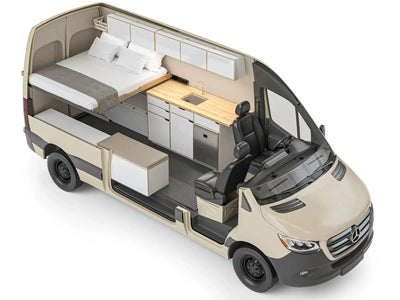
Usable width (about 70–75 inches inside), headroom, and furniture size decide whether four people can sleep and move easily. Taller roofs and smart upright options (pop-tops, high roof) often improve comfort more than a longer wheelbase, even in a stretched Class B camper.
A small change like choosing a high roof instead of extra length can often pay bigger comfort rewards.
GVWR and payload considerations when adding beds and bathroom components
Extras like a fixed rear bed, pop-top, heavier tanks, or extra batteries add weight fast. Check GVWR and subtract guessed passenger weight, water, and gear to get a real payload. The AAA guidance on vehicle payload recommends including people, pets, and all cargo in your calculations to stay within the manufacturer’s limits.
Many vans need better springs or chassis options to easily carry four adults plus systems. It’s a simple math, but one many buyers skip until they’re loaded for a trip.
Layouts that realistically sleep four

Rear fixed bed + front convertible dinette/sofa — pros and cons
Pros: A fixed rear mattress gives steady comfort for two, and a front fold-out offers a second sleeping area without nightly mattress setup.
Cons: Front changes often squeeze into smaller or shorter sleeping areas; storage under fold-outs can be tight. In practice, this layout is a trusty choice for couples who sometimes host guests.
Pop-top / cab-over sleeping plus rear bed — pros and cons
Pros: A pop-top or over-cab adds a cozy, extra second bed while keeping the main-floor layout.
Cons: Adds weight, lift-system difficulty, heat and noise issues, and a higher outside profile that affects parking and stealth. Many families value the clear divide this option gives, especially on longer trips in a class B RV or a luxury camper van.
Twin rear beds + convertible middle seating — pros and cons
Pros: Two singles can double as daytime benches and combine into a larger sleeping surface when needed.
Cons: Needs exact width planning and may give up aisle space or bathroom size. This layout can feel very adaptable when done with exact sizes.
Bunk systems and vertical sleeping (when they work)
Bunks are a compact, effective way to add two extra beds — mainly for kids or smaller adults. They work best in high-roof vans where payload and headroom allow stacked beds without hurting airflow or exit.
Anecdotally, we’ve seen bunked vans become instant favorites for families with younger kids.
Dimension targets for comfortable sleep (bed lengths, widths, aisle space)
Useful targets include bed lengths of at least 72 inches, with 80 inches better for adult comfort. Aim for widths of 48–60 inches for decent two-person sleep in builds. Ensure 18–24 inches of aisle space when beds are set up to keep nighttime movement easy.
Use these as quick filters when comparing floorplans in any large Class B camper or compact RV.
Bathrooms in small campers — what's possible in a Class B
Wet bath vs. separate shower and toilet vs. cassette/portable toilets
Wet baths (shower and toilet together) are the most space-saving option and the most common choice for Class B vans wanting a usable shower. Cassette or portable toilets save space and weight but need user-emptying tasks.
Separate home-style showers and toilets are often not practical in a true Class B without major trade-offs to sleeping or storage space. For many owners, cassette toilets plus a small wet bath hit the best balance.
Water tanks, pumps, heaters, ventilation and drain management
Smaller tanks limit back-to-back shower use; tankless water heaters cut tank size needs while giving instant hot water. Good pumps, proper venting (roof fan), and smart greywater routing are key to keep a wet bath usable and to manage moisture in a tight space. EPA water-use estimates for efficient showerheads (EPA WaterSense statistics) can help you size tanks realistically for how many people will be showering in the van.
A well-vented wet bath makes a surprising difference in daily comfort.
Layouts that preserve a usable bathroom while sleeping four
Good four-person layouts tuck a small wet bath mid-van, pair a wet bath with a pop-top bed, or place the wet bath in a corner to keep conversion paths. The trick is cutting the bathroom size while keeping access and airflow.
Real-world builds often rely on careful door and fixture placement to keep circulation smooth.
Space-saving systems and furniture that make four feasible
Convertible furniture, removable modules, and stowable tables
Pull-out platforms, removable parts, folding benches, and multi-use tables let daytime space stay open while giving simple night setups. Modular pieces let you rearrange for cargo, kids, or long trips.
Try to prioritize components that are simple to change day-to-day.
Storage strategies for four people (closets, under-bed, overhead)
Design storage around shared zones: drawers under the bed sized for adult gear, set clothing lockers, and secure top cabinets. Use packing cubes and modular organizers to keep living areas tidy when four people share a small space.
Small habits—like a nightly tidy routine—help keep a compact van livable for more people.
Recommended mechanical systems (tankless water heater, compact furnace, cassette toilets)
Tankless water heaters and good diesel or propane heaters save space and improve use. Cassette toilets are a small, easy-to-care-for option that lets you keep a small wet bath for showers without using more floor area for a full plumbing setup.
Measurement and buying checklist
What dimensions and specs to verify before buying (bed dims, clearance, payload)
Check bed length and width, standing headroom at key points, aisle space with beds set up, GVWR vs real loaded weight, and tank sizes. Confirm roof height for parking and the van’s rated payload after normal gear and people are added. Manufacturer spec sheets from platforms like the Ram ProMaster cargo van list GVWR and payload ratings that you can compare directly against your build plan.
These checks save time and disappointment later.
Test-drive/inspection checklist (bed comfort, bathroom usability, storage, payload)
On review, lie down on every sleeping surface, try nightly changes, test the shower and toilet fit, open all storage, and ask for a weighed build guess or VIN-based payload check.
Ask about springs and chassis options if you plan to carry four often. Bring a tape measure and a checklist — you’ll thank yourself.
Ready to find the biggest Class B campervan that fits your life? Explore our services to start your journey, or browse our custom camper van conversion packages to see which layouts and chassis sizes match your needs.
Parking, clearance, and legal considerations for taller vans and pop-tops
Taller roofs and pop-tops need clear thought for garage access, ferries, bridges, and campsite rules. Pop-tops also change wind action and stealth; check clearance and handling before you commit.
A quick route map of places you visit often can reveal clearance issues early.
Short comparison guide — who should choose a “largest” Class B vs. upgrade
When to buy a large Class B, when to choose a Class B+ or small Class C
Choose a large Class B if you want easy driving with smart layouts and can accept small bathrooms and payload tradeoffs. Move up to a Class B+ or small Class C if you need a lasting full-size bathroom, bigger fixed living spaces, or much higher payload without constant tradeoffs.
Think of the Class B as a packable, nimble solution; step up when you need a more residential feel.
Cost and maintenance tradeoffs
More complex systems (pop-tops, larger tanks, heavier changes) increase starting cost and long-term upkeep. Simpler, well-done layouts usually give better real-world dependability and less time fixing problems on the road.
Conclusion — practical recommendations and next steps
Start by naming which “largest” matters most for your travel: outside size, usable inside space, or payload. If sleeping four is key, focus on a fixed rear mattress plus a separate second bed. Think about a pop-top or trusty build, and choose a small wet-bath or cassette toilet plan to keep floorplan flexibility in your Class B camper.
Before purchase, confirm bed sizes, aisle spaces, and payload checks. For layout ideas and deeper system help, look at guides like Van Layout Ideas for Solo Travelers, Couples, and Families. Also, check The Complete Guide to Camper Vans with Showers, and Beds in Vans: Murphy, Slide-Out, or Lift? Pros & Cons. Van Conversion with Shower: Real Layouts That Work also gives examples and tradeoffs. These internal guides match the choices above and show our approach to crafted, strong builds for everything from compact vans to the largest Class B motorhome setups.
And if you can, test the layout in person — it’s the fastest way to know if a plan will work for your group. When you’re ready, you can contact The Vansmith team to talk through chassis size, sleeping needs, and budget, or explore our van conversion services for custom builds and upgrades.
FAQ
What does “largest” mean for a Class B motorhome?
It can mean total outside length, highest usable inside space (headroom and floorplan), or max payload/GVWR. Which measure matters depends on needs: ease of driving/parking (length/height), inside comfort (usable space), or how much gear/people you can carry (GVWR). Shoppers comparing the largest Class B motorhome to smaller camper vans should decide which of these matters most first.
Can a Class B motorhome truly sleep four people comfortably?
Yes, but only with careful layout choices. Common fixes are a rear fixed bed plus a front fold-out seating area, or a pop-top/roof bed paired with a rear bed. Comfort depends on bed sizes, headroom (for pop-tops), and open aisle and storage space.
Will a Class B with a bathroom reduce sleeping capacity or comfort?
A bathroom takes up important floorplan space, so most Class Bs that sleep four use small wet-baths, cassette toilets, or smartly placed mid/rear bathrooms to keep sleeping areas. Expect tradeoffs in shower size and storage.
What bathroom types are realistic in small campers with bathrooms?
Wet baths (shower/toilet together), cassette toilets, and very small split showers are possible. Full home-style bathrooms with large showers or separate tubs are usually not doable in a true Class B. If you’re unsure which setup fits your travel style, our van build consultation service can help you weigh the options.
What measurements should I check to ensure four people will fit?
Check bed width and length, change sizes for dinette/sofa beds, aisle space, ceiling height for pop-top beds, and storage space per person. Also verify payload ability to carry four people plus gear. Families planning longer trips can also review our family camper van builds for examples of layouts that prioritize sleeping four in both compact and large Class B rigs.
About the author

Santiago Pere
Chief Design Engineer
Santiago is Chief Design Engineer at The Vansmith. He writes on topics spanning van design, builds, and life on the road.
Read more about Santiago