TL;DR
Choose a high roof if you want standing height all the time, simpler insulated surfaces, and the most comfortable year-round living: about 90 percent of Vansmith buyers go this route. Choose a pop-top camper if stealth, a lower closed height, and a lighter build matter more, and your use is mostly seasonal or weekend travel. Pop-tops typically add 100 to 350 pounds and run $5,000 to $12,000 fitted; high roofs typically add 300 to 1,200 pounds and run $8,000 to $25,000 or more. High roofs handle winter and full-time living better since they can be fully insulated and sealed; pop-tops rely on fabric walls that trade some warmth for a lower profile and less fixed weight. Either way, check your actual payload and total vehicle height (including racks, vents, and solar) before you decide.

Quick summary: which roof fits which traveler?
If your main focus is year-round comfort, home-like warmth, and the easiest cabinet and layout work, a high roof is the stronger choice. About 90 percent of Vansmith buyers choose high roof for those perks. According to the RV Industry Association, many RV shoppers similarly prioritize interior comfort and standing height when choosing a rig.
If your main needs are stealth, lower closed height, and a lighter load with extra sleeping space for weekend or seasonal use, a pop-top camper is a smart choice. This article walks through the tradeoffs so you can match roof type to how you actually use your van.
One-paragraph decision guide
Choose a high roof if you want lasting standing height, simple insulated surfaces, and the most comfortable year-round living. Choose a pop-top camper if you need a lower profile for stealth and parking, want a lighter overall build, and plan mostly seasonal or weekend travel or occasional overnights in a compact van for two.
What are pop-top and high-roof conversions?
Definitions and typical van models
A pop-top camper is a roof module with a raising section that creates standing headroom when open and a sleeping platform in the lifted area. Pop-top systems are common on Sprinter and Transit conversions and are part of Vansmith's Pop-Tops lineup.
A high-roof build, often called a high-top, permanently raises the roof line so the inside has standing height at all times. High roofs are the standard for many Sprinter camper vans. The factory high-roof Mercedes-Benz Sprinter offers interior standing height of about 79 inches, according to Mercedes-Benz specifications.
How each roof is installed and constructed
Pop-top setups attach a lift system and a folding roof shell with fabric or insulated panels. They keep the van low when closed and add moving parts.
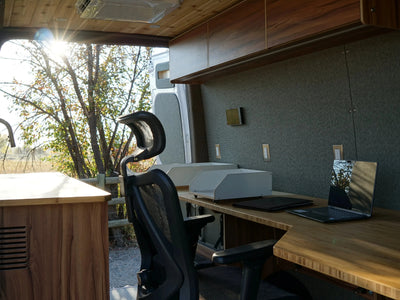
High-roof builds involve swapping or raising the roof frame with a solid, insulated top that is sealed and finished like the rest of the inside. High roofs add fixed height and weight but make insulation and cabinetry work easier.
Headroom and living comfort
Standing height: pop-top when open vs. high-roof always
With a pop-top camper you usually get full standing height only when the top is raised. That raised height is comparable to a high roof for headroom, but it isn't always there. A high roof gives standing room all the time, which makes daily tasks easier and layouts more adaptable.
Implications for layout, cabinets, and movement
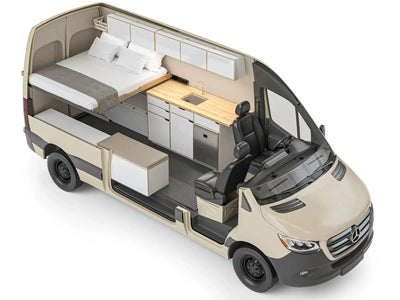
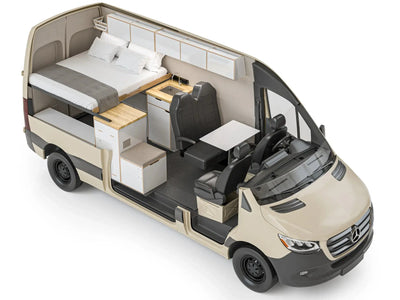
High roofs let you build full-height cupboards and walk-through layouts with no tradeoffs. Pop-top builds often need lower upper storage or creative storage ideas so the ceiling can clear the folded top when closed. If you plan a lot of interior cabinetry, shelving, or a fixed shower, a high roof cuts down on design tradeoffs.
Sleeping arrangements and flexibility
Pop-top sleeping: roof bed sizes, mattress types, seasonality
Pop-top beds are great for occasional and seasonal sleeping. Mattress thickness is often limited by the pop-top shape, and fabric walls mean warmth and moisture are concerns in cold weather. Many couples and weekend travelers find pop-top beds comfortable for months at a time, but they are less ideal for full-time cold-weather living.
High-roof sleeping: fixed beds, convertible layouts, loft options
High roofs make fixed beds, loft beds, and multi-area sleeping setups easier to build and more comfortable year-round. If you plan to live in your van long term, or travel in winter, a high roof is the stronger choice for sleeping comfort and interior finishes.

Center of gravity, weight, and vehicle handling
How added height and roof structure affect center of gravity
Any added roof area raises the van's center of gravity to some degree. A pop-top camper usually adds less fixed weight high above the van because much of the structure folds down when closed, which can be reassuring in a two-person camper that's already fully loaded with gear. High roofs add fixed weight at roof level and so tend to raise the center of gravity more than a pop-top.
Estimated weight ranges and impact on payload
Normal pop-top setups often add around 100 to 350 pounds based on materials and hardware. High-roof builds usually add 300 to 1,200 pounds based on whether it is a lightweight high-top or a full structural roof raise. Always compare these additions with the base vehicle's gross vehicle weight rating and payload numbers from the manufacturer, such as the specs listed on Ford Transit cargo van specification sheets.
That extra weight cuts payload and should be thought about when planning water, batteries, and other systems. Always check van payload and account for people and gear.
Crosswind, highway stability, and driving experience
Aerodynamics and profile: susceptibility to crosswinds
A higher profile raises risk to crosswinds. Drivers of high-roof vans should be aware of higher wind effects on open roads. The National Highway Traffic Safety Administration notes that taller vehicles with higher centers of gravity are generally more susceptible to rollover in extreme maneuvers or strong side winds.
Pop-top campers keep a lower closed profile which helps with stealth and cuts crosswind surface area when the top is down. In either case, safe driving, careful speed choice, and weight balance are the best ways to handle it.
Speed, fuel economy, and recommended driving practices
Higher roofs often cut fuel efficiency at highway speeds because of more frontal area. Lower your cruising speed in strong winds, keep a safe distance, and shift heavier loads low and in the middle to improve handling. Consider suspension upgrades if you regularly add roof height and weight.
Stealth, parking, and legal height limits
Overnight stealth camping and garage access
If parking in city areas, garages, or driveways matters, pop-top campers often win because they keep the closed height lower. High roofs limit stealth options and may prevent entry to some garages or low clearances.
Legal height restrictions and practical tips
Measure final vehicle height with roof racks, vents, and solar panels before you park under a clearance. Local parking rules, garage doors, and toll height sensors require knowing your total height in feet and inches. Factor in roof accessories when planning for city use.
Insulation, weatherproofing, and year-round use
Thermal performance: pop-top fabric vs. insulated high-roof
High roofs can be fully lined and sealed like the rest of the inside, which creates a true cabin feel in cold weather. Pop-top campers usually rely on fabric or thin walls in the lifted area, which lowers R-value and raises moisture risk. For cold-weather comfort and good heating, a high roof is the better choice.
Condensation, seals, and winter comfort strategies
If you choose a pop-top camper but want better winter results, invest in better-lined pop-top panels, good airflow, and a dependable heating system. Our winter prep services help make pop-top use more comfortable in colder months.
Build complexity, maintenance, and reliability
Moving parts, lifts, and fabric wear in pop-tops
Pop-tops bring in moving parts that need regular checks and upkeep: lift hardware, seals, zippers, and canvas or poly fabric. Well-built pop-tops are dependable, but plan for a fabric swap every few years based on wear and use.
High-roof structural modifications and potential leaks
High roofs remove moving parts but need careful building work and sealing. Expert installs cut leak risk and make future upkeep easier. We do high-roof support and sealing work to help ensure long-term dependability.
Costs: purchase, conversion, and lifetime maintenance
Typical cost bands for pop-top builds vs. high-roof conversions
Pop-top setups usually range from about $5,000 to $12,000 fitted based on the top model and finish level. High-roof builds vary more widely, from roughly $8,000 to $25,000 or more, based on whether it is a made high-top, a roof raise, or a factory-style swap. Exact pricing depends on van model, finish, and the systems you add.
Resale value and long-term maintenance costs
High roofs tend to add resale value for buyers who value comfort and full-time living. Pop-top campers can also be appealing for buyers who want stealth and lower closed height. Factor upkeep cycles for pop-top fabric and lift hardware when figuring out long-term cost.
Use-case scenarios and recommended choices
Urban and stealth users
If you spend a lot of time in cities, need driveway or street parking, and value a low profile, a pop-top camper is a strong fit. It keeps the closed height lower and reduces notice when parked overnight, which is ideal if you want a discreet setup.
Full-time vanlifers and cold-weather travelers
For full-time living, long cold trips, and the easiest inside finishing, most Vansmith buyers choose high roof. It gives steady living space and better warmth, which make long-term comfort and layout flexibility much easier to achieve.
Overlanding and payload-sensitive builds
If payload and off-road toughness are key, weigh the exact weight tradeoffs closely. Some adventurers prefer pop-top campers to cut fixed rooftop weight, while others accept a high roof and strengthen suspension and handling as needed.
Ready to start your van journey? Explore our services to find the perfect high roof build or pop-top camper for your trips, or connect with our team to talk through your specific needs for a road-trip rig for two.
Decision checklist: questions to ask before you choose
- How often will I sleep in the van and in what seasons?
- Do I need guaranteed standing height at all times?
- How important is stealth parking and garage access?
- What is my van payload after accounting for people, water, batteries, and gear?
- Am I willing to plan for pop-top maintenance or prefer fewer moving parts?
Practical tips for buyers and installers
Inspecting used pop-tops and high-roofs
Check pop-top camper vans for zipper, fabric, drain, and lift hardware wear. For high roofs, inspect seams and interior finishes, and look for signs of past leaks. Verify the ceiling liner and insulation condition, and ask for records of any previous building work.
Upgrades to mitigate weaknesses
Think about warmth boosts, wind fairings, and suspension changes for high-roof vans. For pop-top campers, install better pop-top panels, improved seals, and dependable heating. We offer heater installs, suspension boosts, and winter prep to support either choice.
Frequently asked questions
Does a pop-top add less weight and lower center of gravity than a high-roof?
Yes: usually a pop-top adds less fixed weight and sits lower when closed, which cuts the upward center of gravity rise compared with a fixed high-roof. Exact difference depends on materials and setup. Pop-top setups usually add about 100 to 350 pounds while high-roof builds usually add more.
Which roof type is better for winter camping and insulation?
High roofs usually do better than pop-tops in winter because they can be fully lined and sealed. Pop-tops use fabric walls that have lower warmth value and higher moisture risk unless improved with lined panels and careful airflow.
Are pop-tops reliable long term and what maintenance do they need?
Pop-tops are dependable when well cared for. Expect regular checks of lift systems, fabric or poly panels, zippers, seals, and drainage. Fabric swap times vary with wear but active upkeep extends service life.
How much more will a high-roof conversion cost compared with a pop-top?
Costs vary by van model and finish level. Aftermarket pop-top setups usually range from $5,000 to $12,000 fitted while high-roof builds often range from $8,000 to $25,000 or more. Factory high-tops and custom building work are at the higher end.
Can a pop-top be used as a permanent bed?
Many people use pop-tops for long-term sleeping. Comfort and warmth depend on mattress thickness, airflow, and weather. Pop-tops are best for mild or warm-weather living unless specially improved for year-round use.
Will a high-roof make driving in crosswinds significantly more dangerous?
A higher profile raises risk to crosswinds and side gusts. Safe driving, lower speeds in strong winds, and proper weight balance reduce most risks. Suspension and handling upgrades help too.
Conclusion and recommended next steps
Both roof types have clear benefits. For most Vansmith buyers who want the most comfortable, year-round van, a high roof is the right choice.
If stealth, lower closed height, and lighter fixed weight are top needs and your use is for certain times or part-time, a pop-top camper is a great option.
If you are unsure, start with the questions in the checklist above and think about a meeting to review your needs and payload for your ideal setup.
Want to see samples and options? Check Vansmith's Pop-Tops lineup or look at our Sprinter conversion cost breakdown. Read how pop-top campers enhance your van life experience to see how roof choices affect layout and systems, and browse our van conversion gallery for real-world examples.
Written by Santiago Pere, Chief Design Engineer at The Vansmith.
About the author

Santiago Pere
Chief Design Engineer
Santiago is Chief Design Engineer at The Vansmith. He writes on topics spanning van design, builds, and life on the road.
Read more about Santiago