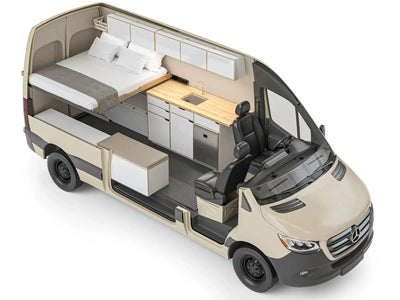
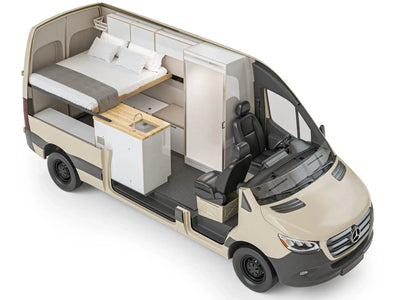
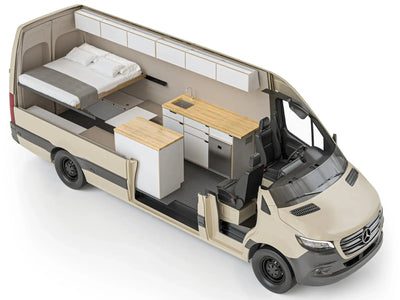
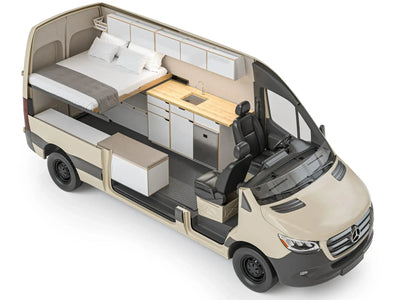
The camper van timeline usually starts months before you ever get the keys, and for many first-time buyers, research alone takes one to six months. That catches a lot of people off guard. A van may be in stock, but there can still be financing, insurance, prep, inspection, and walkthrough steps before pickup. If you want the shortest path, flexibility helps. If you want a more tailored fit, expect more time and more decisions.
Why the camper van timeline is longer than most buyers expect
Most people picture buying a van like buying a car. You find one, sign, and drive off. But RVIA describes the RV purchase as a staged journey, and that framing fits camper vans well.
In plain terms, there are usually three phases. First comes research and decision-making. Then comes the transaction and prep work. Last comes pickup and orientation, which is often its own scheduled step.
At The Vansmith, our build clock starts once design choices are finalized. From there, standard or pre-built models usually take 8 to 10 weeks. Tailored models usually take 12 to 16 weeks, and full custom builds can take up to 20 weeks. In spring and summer, backlog can add more time.
That gap between "I bought it" and "I took it home" is real. Go RVing notes that after you narrow your choice, there are still dealer prep items, accessory installs, and orientation steps before handoff. Winnebago also points buyers toward budgeting, financing, insurance, paperwork, and delivery scheduling, which can stretch the timeline even after you've picked the van.
At The Vansmith, we see this same pattern all the time. Buyers who understand the phases tend to make calmer, better choices. If you're still sorting layouts, it helps to browse van build ideas or look through our process early, before a trip date starts breathing down your neck.
The research phase often takes longer than the handoff
This part surprises people most. According to RVIA's Path to Purchase research, most first-time RV buyers spend one to six months researching before they buy. So if you're hoping to leave for a big trip next week, the real delay may have started long before inventory ever became the issue.
RVIA also talks about buyers moving through awareness, consideration, and purchase stages. That matters because a lot of timeline drag comes from uncertainty, not just stock levels. If you don't yet know your must-haves, you'll naturally spend more time sorting tradeoffs.
Go RVing starts its own purchase guidance with finding the right RV type and floorplan first. Camper van shoppers do the same thing. They compare sleeping space, off-grid power, family needs, and whether a finished van or a more tailored path makes more sense.
We've found that clarity is the real speed boost. A buyer who already knows they want a couple's layout can move fast by starting with vans for couples or a layout like the DUO XL. A family sorting bunks, storage, and kid-friendly flow may need more time, and that's normal.
So yes, the answer to "how long does it take to get into a camper van?" starts before a deposit. Research is part of the real path. It counts, even if no money has changed hands yet.
Signing papers does not mean same-day pickup
Even if the van is available, the handoff may not be instant. Go RVing's dealership guide lays out negotiation, financing, and closing, then a separate wait before pickup. That alone resets a lot of buyer expectations.
Dealer prep can include accessory installs and pre-delivery inspection. Those steps happen after the sale is agreed on. Then the final walkthrough and orientation still need time on the calendar, which means pickup day is more than a quick key handoff.
Winnebago's purchase prep guidance also includes insurance, final paperwork, and setting a delivery date. None of those steps are huge on their own. Stack them together, though, and they can add a few days or more.
That's why an in-stock van can still have a short wait built in. Availability shortens the path, but it doesn't erase the final prep stage. If you're trying to move quickly, it's smart to keep your travel date separate from your purchase date.
Fastest path vs slowest path: pre built vans, in-transit units, and custom timing
There isn't one universal answer here. The fastest route is usually finding a van that's already in stock and already close to what you need. The slowest route is usually waiting for a very exact mix of layout, features, location, and model-year timing.
Winnebago's inventory search is useful because it separates dealer inventory from units that are in transit. That gives buyers a simple framework. Some vans are on the ground now, some are already moving through the pipeline, and some simply are not there yet.
A middle path often comes from widening your search area. If you only look at one local market, your choices shrink fast. If you search more broadly, the timeline may improve because there are more vans to choose from.
This is really a trade-off between speed and specificity. The more flexible you are on exact features and geography, the faster you can usually get into a van. If you want a very tailored fit, the timeline tends to grow because more choices have to line up.
That same trade-off shows up at The Vansmith. Some shoppers start with Sprinter conversions or Transit conversions to see what's already close to their needs. Others know they want a more intentional path and begin with customize your van.
What makes pre built vans the quickest option
Pre built vans are usually the quickest option because the base product already exists. You're not waiting for the van concept to come together from scratch. Your main job is finding a good fit and moving through the purchase steps.
That said, "available now" can be a little misleading. It often means you can secure the van now. It does not always mean you can drive away that same afternoon.
Go RVing makes that clear with its prep guidance. Pre-delivery inspection, accessory installation, and orientation still have to happen, even for a finished unit. So the quick path is still a process, just a shorter one.
Buyers who are willing to travel farther often cut time here. A larger search radius can open up more inventory, which beats waiting on one dealer's next arrival. If speed is your top goal, starting with ready-to-go paths and reaching out through The Vansmith contact page can help you line up the right next step faster.
Why a more tailored van build process usually takes longer
A tailored van build process usually takes longer for a simple reason. More decisions create more timeline. RVIA's path-to-purchase framing supports that idea well, because each added requirement stretches the consideration stage.
At The Vansmith, tailored models usually take 12 to 16 weeks once design choices are finalized. Full custom builds can take up to 20 weeks. Peak-season backlog can extend those timelines.
Go RVing's note about post-sale accessory installation is a helpful comparison. If adding a few items after purchase takes time, a more customized path naturally adds even more planning and sequencing. That's true even when no one is giving a single universal build duration number.
For camper van buyers, the big variables are usually sleeping setup, power needs, and family use. A couple may want a clean, simple layout. A family may need a very different flow, which is why pages like family van conversions and the Family XL layout can sharpen the conversation fast.
In our experience, the added time can be worth it when fit matters more than speed. A tailored van tends to serve you better over the long run, especially if your trips are frequent or your needs are specific. That kind of expectation-setting is more honest than tossing out a made-up wait number.
The hidden steps that add days or weeks after you choose a van
Once you've chosen a van, it can feel like the hard part is over. Often, it isn't. Go RVing points to dealer prep, accessory installation, pre-delivery inspection, and walkthrough as post-choice steps that still need to happen.
It also plainly mentions downtime between purchase and delivery. That's one of the clearest reminders that possession is often delayed for normal reasons. A short wait here is not always a red flag. It's often just part of getting the van ready.
Winnebago adds financing, insurance, and final paperwork to the mix. If those pieces are not ready, they can slow the process before prep is even fully underway. That's why it's smart to think in terms of phases, not just one purchase day.
For trip planning, keep your departure date separate from your buy date. Leave margin. A little space here can save a lot of stress later.
Financing, insurance, and paperwork delays
Winnebago's purchase-prep guidance includes financing, trade details, insurance, final contract review, and delivery-date coordination. None of that is glamorous. All of it affects timing.
If your budget is still fuzzy, your lender is not lined up, or your insurance is not ready, delays can stack up fast. The van may be identified already, but the deal still can't move cleanly to pickup.
Go RVing places negotiation, financing, and closing before the wait for delivery. That order matters. Admin delays can pile up before prep even starts, which means a buyer can lose time without realizing why.
One thing a lot of buyers overlook is how much prep on their side helps. Pre-approval and insurance readiness can compress the timeline because they remove bottlenecks after shopping. If you know you're serious, handling those pieces early is one of the easiest wins.
Pre-delivery inspection and orientation matter
Pre-delivery inspection matters because the van should be checked before handoff, not rushed out the door. Go RVing treats that step as part of getting a new RV ready. That's a good thing.
The walkthrough matters too. Go RVing's pickup guidance frames it as a real orientation, where buyers learn systems and verify that things work. For camper vans, that can include power, water, climate, and other daily-use systems.
If dealer-installed items are part of the deal, those may need to be finished before the inspection and walkthrough happen. So pickup day often has a sequence behind it. It's not just signatures and a wave goodbye.
We tend to see better first trips when buyers leave a little margin after pickup. That gives you time to absorb the orientation and ask final questions. A careful handoff is part of a good ownership experience, not wasted time.
Seasonality, model years, and why timing your purchase changes the timeline
Time of year can change the path more than people think. RVIA says the recommended model-year introduction window runs from June 1 through June 30. That gives buyers a real seasonal marker to plan around.
If you want the newest model year, you may wait for fresh arrivals. If value matters more, outgoing inventory may look better. Same market, different strategy.
Buyers who start shopping near that changeover often face a different mix of stock and timing than buyers shopping mid-cycle. Inventory can be in stock, in transit, or missing locally, and that changes what a fast path looks like. For summer travel, waiting for a specific model-year window can also squeeze the time left for prep and shakeout before your trip.
This is also where your priorities need to be honest. Are you trying to leave this season, get the newest badge, or hold out for exact features? Your answer changes the camper van timeline more than most people expect.
When waiting makes sense and when it does not
Waiting makes sense if you care a lot about the new model year. RVIA's June window gives a rough guide for when those transitions tend to show up. If that's your non-negotiable, the wait can be reasonable.
Waiting can also make sense if current inventory is a poor fit. Forcing a van that misses your core needs can create a long-term compromise, and most buyers feel that every trip after.
On the other hand, waiting usually makes less sense if you have a fixed travel date and can accept a well-matched in-stock or in-transit van. In that case, speed comes from using what's available, not from holding out for perfect. It's a strategy question more than anything else.
At The Vansmith, that strategy often starts with being clear about what you won't compromise on. If standing room and comfort matter, high roof is the clear favorite. About 90% of our customers choose high roof, and many mid-roof buyers later add one of our pop-tops, which is worth thinking about early.
How to shorten your custom camper van wait time without rushing the decision
If you want to shorten the total timeline, the biggest win is usually better clarity up front. RVIA's one-to-six-month research window shows that pre-purchase decision time is often the longest phase. The clearer you are, the faster everything else tends to move.
Widening your search radius helps too. Inventory tools show that more geography can mean more in-stock and in-transit options. That can be the difference between buying now and waiting for one local match.
Then there is the prep side. Financing readiness, insurance planning, and paperwork prep can cut avoidable delay after you choose a van. Go RVing also shows that PDI, accessory work, and walkthrough are normal closing steps, so it's best to plan for them early instead of treating them like surprises.
The short version is simple. Speed comes from preparation and flexibility, not from skipping steps. If you want the quickest route, start with what is available now. If you want a more intentional fit, start the design conversation early through The Vansmith custom build page or review Foundation builds to narrow your path.
A realistic best-case, typical, and slow-case framework
Best case is pretty straightforward. You already know what you want, you find an in-stock van quickly, your financing and insurance are ready, and you only wait for normal prep and walkthrough. That is the shortest clean path supported by the industry sources.
Typical case is more common. You spend part of RVIA's one-to-six-month research window narrowing your options, then secure an available or in-transit unit, then wait through closing and delivery prep. That's not slow. It's just normal.
Slow case tends to happen when a buyer researches for months, shops very narrowly by location or exact spec, waits around a model-year transition, and still has to finish financing, prep, and orientation before pickup. Each choice makes sense on its own. Together, they stretch the path.
We think this scenario approach is the most honest way to set expectations. It answers the real question without pretending there is one universal number for every buyer. That fits The Vansmith's craftsmanship-first mindset, and it gives you a better planning tool than hype ever will.
FAQ
How long does it usually take to get into a camper van?
For many first-time buyers, the full timeline starts with research, and RVIA says that phase alone often takes one to six months. After that, even an available van may still need financing, paperwork, pre-delivery inspection, and a walkthrough before pickup. At The Vansmith, build time starts once design choices are finalized, with 8 to 10 weeks for standard or pre-built models, 12 to 16 weeks for tailored models, and up to 20 weeks for full custom builds. Peak-season backlog can add more time.
Are pre built vans faster than a custom camper van wait time?
Usually, yes. A pre built van is often the fastest route because the unit already exists, and buyers may be able to secure either an in-stock or in-transit option. At The Vansmith, standard or pre-built models usually take 8 to 10 weeks once design choices are finalized, while tailored models usually take 12 to 16 weeks and full custom builds can take up to 20 weeks.
Can I buy an in-stock camper van and drive it home the same day?
Sometimes, but you shouldn't count on it. Go RVing says there is often downtime between purchase and delivery for prep, accessory work, inspection, and the final walkthrough. So even a ready unit may still need a short handoff window.
What slows down the van build process after I choose a van?
The biggest delays after selection are usually financing, insurance, final paperwork, prep work, and orientation. Winnebago includes financing and delivery-date coordination in its purchase workflow, and Go RVing notes that prep and walkthrough happen after the deal is made. At The Vansmith, backlog can also add time, especially during spring and summer.
Does the time of year affect camper van availability?
Yes. RVIA says the recommended model-year introduction window is June 1 through June 30, so buyers near that transition may be choosing between waiting for newer units or buying outgoing inventory. At The Vansmith, spring and summer are also peak build seasons, so backlog can extend timelines during those months.