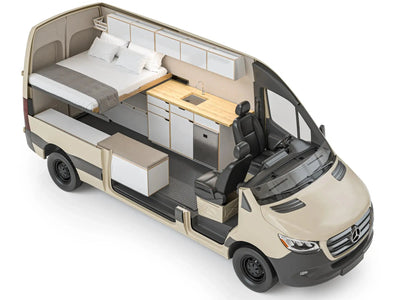
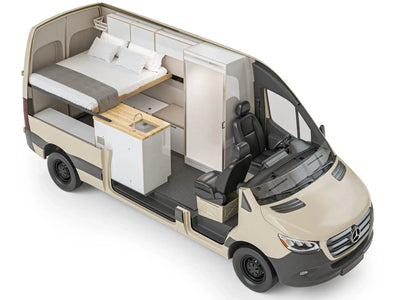
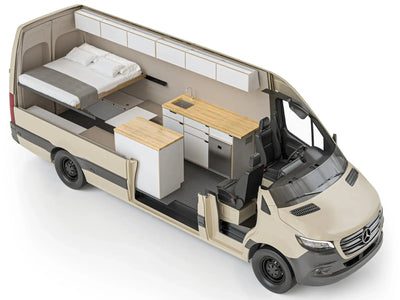
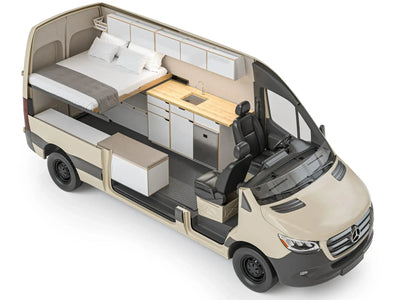
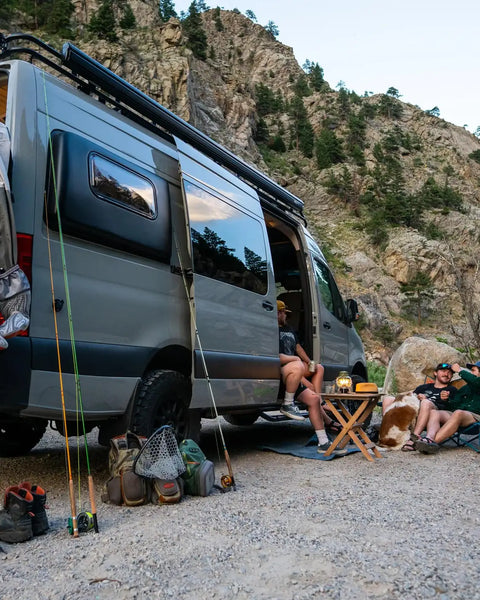
The best way to build Mercedes vans for van life is to start with the right Sprinter model-like the high-roof long wheelbase, which offers about 14 feet of interior length and 79 inches of standing height. Choosing the right base impacts everything from layout to comfort and storage. Mercedes-Benz offers advanced features, flexible upfitting tools, and modular design options that make custom conversions easier and safer. With careful planning and pro guidance, your Sprinter can turn into a home ready for all your adventures.
Choosing the Right Mercedes Sprinter Base for Your Build
 Mercedes-Benz gives you a lot of choices for your 2026 Sprinter build. There are Cargo, Crew, Passenger, Passenger Select, Cab Chassis, and even the eSprinter electric van. Each one starts you off in a different direction, depending on what you want out of your van life setup. If you want a blank slate, the Cargo van is the top pick. Crew and Passenger vans come with factory seating and more finished interiors, which can be handy or may need to be removed for a full build.
Sprinter wheelbases range from the compact (nearly 18 feet) for tight city streets, to the standard (about 20 feet), long (almost 23 feet), and extra-long (over 24 feet). These choices affect not just your interior space, but also how easy your van will be to drive and park. The longer models let you fit more-think bigger beds, full kitchen setups, or even a bathroom-but they can be tricky in crowded areas. If you’re planning on a family build with lots of gear, the extra space is a real plus.
Roof height might be the single most important factor for comfort. The standard roof gives you about 66 inches inside, but the high roof jumps up to 79 inches, and the super-high roof almost reaches 87 inches. Most people-over 90% of our customers-go high roof for that reason. It’s just easier to move around, build cabinets, and stay comfortable year-round. The extra height is especially valuable if you plan to add insulation or run wiring and plumbing above the ceiling panels.
Payload and cargo volume are big factors too. For the 2026 Sprinter, cargo space runs from 318 cubic feet all the way to 600 cubic feet. Payload can hit up to 12,125 pounds on select models, but you’ll need to factor in your build, gear, and passengers. If you’re thinking green, the eSprinter brings up to 113 kWh of battery and a range of about 310 miles. It’s ideal for city or regional trips, but you’ll want to plan for charging stops. Mercedes also offers factory AWD with torque-on-demand, making off-grid and winter travel much safer for adventurers.
Passenger and Passenger Select models come with climate control, finished walls, and seating for up to 15 people. These are turnkey for big families, but if you want a full custom camper, you might need to demo some of those features first. The Cab Chassis is another option for special builds like mobile offices or workshops-less common for van life, but worth a look if your plans are a little different. For a closer look at Sprinter options, check out our collection of Sprinter conversions and the official Mercedes-Benz Sprinter lineup.
Sprinter Model Comparison: Cargo vs. Crew vs. Passenger
Cargo vans are all about flexibility. You get a wide-open space inside, which means you can build your van exactly the way you want-beds, kitchens, storage, or even a mobile office. Crew vans add a second row of seats, mixing passenger and cargo uses. This is great for families or adventure teams who want to bring friends or gear along for the ride.
Passenger and Passenger Select vans are loaded with up to 15 factory seats, climate control, and finished interiors. These are perfect if you need to move a lot of people, but they also mean more demo work if you’re converting to a full camper. The Cab Chassis is built for specialized projects, like box trucks or mobile shops, and it’s less common for van life builds. The eSprinter platform is modular, with rear-wheel drive and selectable battery sizes, but keep in mind the payload is lower compared to diesel models.
When you’re deciding which model to start with, think about how many people (and pets) you’ll travel with, how much storage you need, what kind of roads you’ll drive, and whether you want to stand up inside. For more in-depth tips on picking the right base, visit our van build process page and Mercedes-Benz’s Sprinter model guide.
Key Dimensions and Layout Planning for Custom Builds
The high-roof, long wheelbase (LWB) Sprinter is a favorite for full-featured camper builds, offering about 14 feet of interior length and 79 inches of standing room. Super-high roof models go up to 87 inches tall, a game-changer for taller van lifers or anyone wanting big overhead cabinets. If you need lots of space for a full kitchen, big bed, and separate bathroom, the extra-long wheelbase is the way to go-just be ready for a little more challenge parking in cities.
Pay close attention to floor width. Between the wheel wells, you have about 53 inches, with an overall cargo width of 70 inches. This matters a lot for planning beds, benches, and cabinetry. Mercedes builds in reinforced tie-downs and mounting points, which make it safer and easier to bolt down heavy stuff like batteries or water tanks.
Weight is always a concern. Gross vehicle weight ratings (GVWR) range from 6,614 to 12,125 pounds. Your finished van, plus people and gear, must stay under this limit for safety and good handling. Layout planning should also include space for insulation, wall and ceiling build-out, and big system runs like water lines or solar wiring. For more layout inspiration, check out the DUO XL layout and our Family van builds. If you want more technical detail, the Mercedes-Benz Upfitter Portal is packed with up-to-date specs and planning tools.
Essential Mercedes Sprinter Features for Van Conversion Success
 The 2026 Sprinter is packed with features that make van life safer and more comfortable right out of the gate. Advanced driver assists-like Active Brake Assist, Blind Spot Assist, and a 360° camera-are now standard, helping you drive safer whether you’re on highways or dirt roads. The MBUX infotainment system, with its crisp 10.25-inch touchscreen, brings navigation, voice control, and phone integration into one place, making trip planning and entertainment simple.
Factory rear heating and climate control (especially on Passenger models) can be kept or upgraded during your build for true year-round comfort. Optional roof rails and mounting points make it easy to add racks, solar panels, or even pop-tops without cutting into your van’s structure. LED exterior lighting and area lights brighten up your campsite and keep you safer at night. Mercedes also offers beefy alternator options, including secondary alternators, so you can run major off-grid electrical systems like lithium battery banks without worry.
The floor matters too. Sprinters come with reinforced flooring options-wood or composite-that give you a rock-solid base for cabinetry and heavy appliances. These factory touches save you time and money on the build, and help keep everything sturdy for years. For more about Sprinter features, visit the vans for couples page and see the latest info at Mercedes-Benz Vans USA.
Advanced Safety and Tech Integration
Modern Sprinters are loaded with tech to make van life easier and safer. The Digital Interior Mirror gives you a full-width rear camera view, which is a lifesaver when your windows are blocked by cabinets or gear. Adaptive Cruise Control and Lane Keeping Assist help make long drives less tiring and more secure.
Mercedes makes it easy to integrate your own tech too. Factory pre-wiring for speakers, cameras, and outlets lets you add custom audio or power upgrades without tearing into the van’s wiring. You’ll find multiple USB-C and 12V outlets in both the cab and cargo area-perfect for charging laptops, phones, or running van systems. Wireless Apple CarPlay and Android Auto come standard, so you can stay connected and entertained everywhere you go.
For more ideas on integrating tech and safety, check out our custom design process and the Upfitter Portal for technical options.
Leveraging Factory and VanSolution Upfit Packages
One of the best ways to speed up your build is to use Mercedes-Benz’s VanSolution factory upfit packages. These options bring pre-installed shelving, storage, and cargo management so you don’t have to start from scratch. In the U.S., VanSolution builds are installed at the Vehicle Processing Center in South Carolina, which means your Sprinter can arrive ready for finishing or immediate adventure.
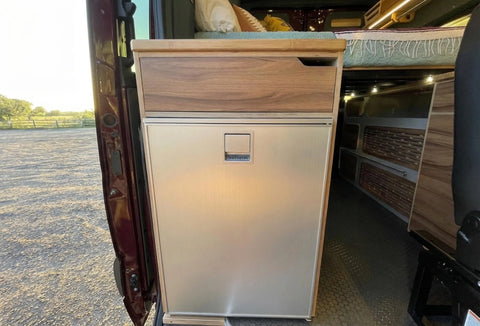
Factory upfit packages include shelving, refrigeration, HVAC-ready builds, and modular storage-all designed to work perfectly with the Sprinter’s structure and wiring. These packages meet Mercedes-Benz quality and safety standards, and come with full warranty support for both the van and the upfit elements. Using VanSolution can shave weeks or even months off your build time compared to doing everything custom from the ground up.
For specific upfit examples, visit the DIY blog, or check the VanSolution U.S. program for details on factory-installed solutions.
Technical Planning: Upfitting, Weight, and Safety Standards
 Building a Sprinter van is as much about planning as it is about style. The Mercedes-Benz Upfitter Portal gives you access to 2D drawings, weight charts, and technical handbooks, so you can upfit your van safely and efficiently. Mercedes recommends working with their eXpertUpfitter network for complex builds, especially if you’ll be anchoring heavy items or tapping into the van’s electrical system. This is how you keep your warranty and make sure everything works together long-term.
Every major element-batteries, water tanks, cabinetry-needs to be securely anchored using factory mounting points. This keeps everything in place, even in a crash. Never exceed the van’s GVWR or axle ratings, and always put your heaviest items low and between the axles for better handling. The Upfitter Portal also offers guides on routing electrical, water, and HVAC lines so you won’t accidentally cut into critical wires or safety structures. For a look at how we follow these standards, see our process page.
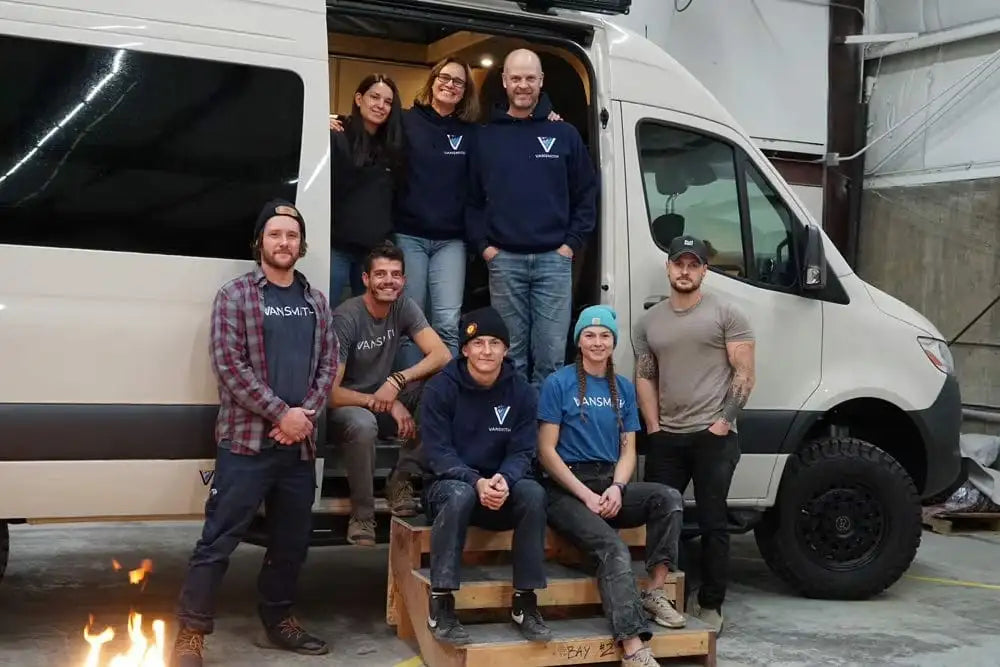
Using Mercedes-approved parts and install techniques protects your van’s warranty and helps with resale value down the road. The Vansmith’s builds always follow Mercedes-Benz upfitting standards, so you get reliability that lasts. For more info, check the Foundation builds page and browse the Upfitter Portal for full technical resources.
Accessing and Using the Upfitter Portal
The Upfitter Portal is a goldmine for both pro builders and hands-on DIYers. You can download CAD drawings, wiring diagrams, and 3D models for every current Sprinter layout. There are also technical bulletins and change notices for each model year, so your build will always match the latest specs.
This portal helps verify every part and system you plan to install-whether it’s a new seat, lithium battery, or water heater-fits the 2026 Sprinter exactly. That means fewer surprises, better safety, and a more professional finish. For more details on using the portal, visit Mercedes-Benz Upfitting.
Safety, Warranty, and Compliance Best Practices
Mercedes-Benz has strict guidelines for upfits, covering everything from crash safety to fire resistance. Always use approved mounting points and hardware-cutting corners can weaken the van’s structure and void your warranty. At The Vansmith, every conversion goes through a full compliance and safety review, matching factory specs and documentation.
These best practices aren’t just about following rules-they keep you and your passengers safe, protect your investment, and make your van easier to sell down the line. For questions on compliance and warranty, contact us or review the Vansmith process.
Expert Tips for Customizing Your Mercedes Van for Van Life
Four-season comfort starts with insulation and climate control-especially in high-roof Sprinters, where you can fit thicker insulation without losing headroom. Modular cabinetry and convertible furniture, like those in our DUO XL and Family XL layouts, let you adapt your space for sleeping, working, and relaxing.
Use those factory roof rails and reinforced points for solar panels, awnings, and roof racks to avoid drilling into your van’s shell. Plan electrical upgrades-like lithium batteries, big inverters, and solar-using the factory alternator and pre-wiring for reliability. For rugged adventures, suspension and tire upgrades are worth it; Sprinters work well with lift kits and all-terrain tires.
Details matter for real van life. Add vent fans, bug nets, and winterization systems to stay comfy and bug-free in any season. Working with pros like The Vansmith means every system, from electrical to heating, will play nice with Mercedes factory gear. For more upgrade ideas and service options, see our installations page and our van build blog.
Maximizing Storage and Versatility
Smart storage is everything in a Sprinter build. Under-bed "garage" space is a staple in most custom layouts-plenty of room for bikes, big gear, or water tanks. Overhead cabinets and multi-use benches use that high-roof space, keeping your living area open and organized. Factory shelving from VanSolution can be paired with custom cabinetry for hybrid adventure/work builds.
If you’re building for a family, look into our Family van conversions for clever storage tricks. For solo travelers or couples, our vans for couples collection has ideas on compact, flexible setups. Check out Mercedes’ VanSolution packages for even more storage solutions.
Integrating Adventure-Ready Upgrades
Adventure builds are all about flexibility. Roof racks, ladders, awnings, and exterior lighting boost your outdoor setup and make camping more fun. Swivel seats, secondary alternators, and Starlink or WeBoost internet systems turn your van into a real mobile office for remote work.
Every upgrade needs to be planned with weight and balance in mind. Keep heavy gear low and centered for safe handling. For pro installs of these upgrades, see our installation services. For technical guides, Mercedes’ Upfitting Portal is a great resource for safe, reliable add-ons.
FAQ
What is the best Mercedes Sprinter model for van life conversions?
For most van life builds, the high-roof long wheelbase (LWB) Cargo Sprinter is the top pick. It gives you up to 79 inches of standing room, about 14 feet of interior length, and a blank cargo area that’s ready for a full custom build. This setup fits beds, kitchens, and storage without compromise, and it’s still pretty easy to drive. Source
How much weight can a customized 2026 Mercedes Sprinter carry after conversion?
Depending on the model, a 2026 Sprinter can handle payloads from roughly 3,000 pounds (standard GVWR) to around 6,000 pounds (max GVWR). You’ll need to subtract the weight of your build and gear from the van’s listed GVWR to stay safe and legal. Source
What are VanSolution upfit packages and how do they help build a Mercedes van?
VanSolution packages are factory upfit options-like shelving, storage, and utility modules-installed at the Mercedes factory or U.S. Vehicle Processing Center. They help you skip lots of aftermarket work, meet Mercedes-Benz quality standards, and often cut weeks off your build timeline. Source
Can I add solar panels and off-grid electrical systems to a Mercedes Sprinter build?
Absolutely. The 2026 Sprinter is great for solar, inverters, and lithium battery upgrades, especially if you use the factory roof rails and reinforced wiring points. Professional install is key for safe, reliable integration with the van's electronics. Source
What safety features come standard in the 2026 Mercedes Sprinter for van conversions?
The 2026 Sprinter comes with Active Brake Assist, Blind Spot Assist, a 360° camera, and the Digital Interior Mirror as standard. These features boost safety for both daily driving and off-grid travel, giving you peace of mind wherever you roam. Source