Living in a camper is one of the most common questions we hear from people standing in our shop or calling after a few months on the road. People want to know how it really works day to day. Living in a camper full-time is less about the rig and more about how you plan, adapt, and design your habits around small space and changing weather.
Pros of Living in a Camper Full Time

Freedom and Travel
The biggest draw of living in a camper trailer or van is freedom to move. You wake up in a new place when you want to.
After years of building vans for mountain travel, we have seen how flexible layouts support climbing weekends, ski days, and long drives between trailheads. Freedom only works when your setup is steady and simple to use.
Less Space, Less Stuff
Living in a camper forces clear choices. Storage limits help people keep what they use and let go of the rest.
Many people tell us this is the hardest step and later the most worth it. Smaller spaces also mean faster cleanup and fewer things pulling your attention.
Adventure Built In
When your home is also your rig, trips turn into normal life. Morning coffee can be outside a desert wall or next to a snowy trailhead. That access is why many families choose to live in camper setups that support all seasons.
Cons and Real Challenges

Space and Privacy
Limited space affects relationships. This is especially true for family living in camper setups.
Without clear zones, small issues grow quickly. Good layouts matter more over time than clever add-ons.
Logistics and Maintenance
All parts in a camper move, shake, and wear out. We design systems knowing they will need service. Owners who learn basic repairs feel more sure of themselves and travel farther.
Resource Management
Water, power, and heat are daily things to think about. Living in a camper full-time means learning restraint. Long showers and sloppy power use end trips early.
Weather and Depreciation
Cold, heat, humidity, and road salt are real. Weather planning is not optional.
Rigs also lose value, mainly when driven year-round. Regular work slows that curve. (Kelley Blue Book)
Key Considerations Before You Start Living in a Camper
Legalities and Domicile
Living in a camper is legal in the United States, but parking at night is set by local rules. You also need a legal home base for taxes, coverage, and voting. Many people use a mail service tied to that state. Federal and state agencies note that your domicile affects where you register your vehicle and how you maintain insurance and licensing (USA.gov guidance on moving and residency).
Lifestyle Fit
Ask how you handle uncertainty. Weather changes plans.
Repairs take time. Living in a camper rewards patience and flexibility more than speed.
Getting Started With Living in a Camper Full Time
Try It Out First
Before committing, rent or borrow a camper. A few weeks will reveal habits you did not expect. This step saves money and stress later.
Downsize Early
Downsize ruthlessly before you move in. Storage solutions help, but fewer items always work better.
Connect With Community
Other full-time travelers share real tips for living in a camper, mainly if you’re in an extended wheelbase van or extended high roof van and dealing with extra length and height. Campgrounds, climbing gyms, and online groups are good places to learn what works long-term for these larger rigs.
Preparation and Planning
Set a Real Budget
Include fuel, coverage, upkeep, food, camping fees, and a repair buffer. A calm budget makes travel choices easier.
Secure Income and Connectivity
Remote work needs stable power and internet. Many people misjudge this. Cell boosters and backup plans matter more than speed.
Choose the Right Camper
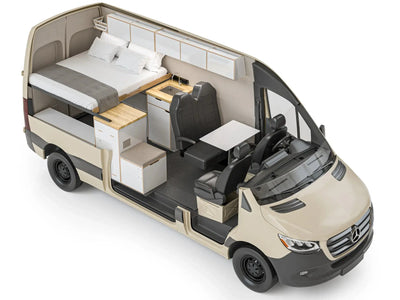
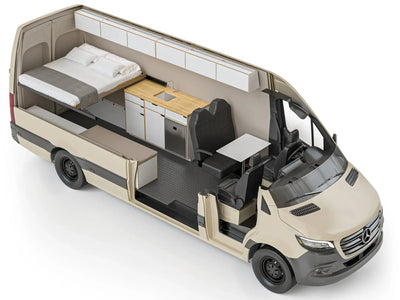
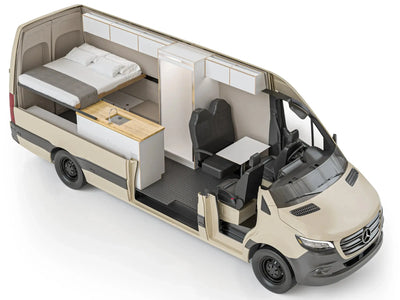
How to live in a camper full-time depends on layout and build strength. Vans built for families need sleeping flex, safe seating, and storage that stays secure on rough roads. Clear, simple design supports daily life better than big open spaces. For example, extended cargo vans like the Ford Transit, Ram ProMaster, and Mercedes-Benz Sprinter offer different roof heights, wheelbases, and payload ratings that affect how much you can safely carry and build out (Ford Transit cargo van specs, Mercedes-Benz Sprinter panel van overview). If you want a professional build on one of these platforms, you can explore our custom camper van design and build services to match layout and systems to your full-time needs.
Living in a camper sounds simple at first. Then the practical questions show up. Where do you park? How do you manage power and water? What does daily life actually feel like?
We’ve worked with people at every stage, from short trips to living in a camper full-time. The difference between enjoying it and struggling usually comes down to preparation and realistic expectations.
What Is It Like Living in a Camper Full Time?
Full-time travel changes your daily rhythm.
You wake up closer to nature. You move more intentionally. At the same time, small tasks like water, power, and parking become part of your routine.
For many, living in a camper full-time brings:
-
Flexibility in location
-
Simpler living
-
More time outdoors
But it also requires structure. Without it, small issues build up quickly.
How to Live in a Camper (Step-by-Step Guide)
If you are planning to live in a camper, these steps help create a stable foundation.
Choose the Right Camper
Your vehicle shapes everything.
Trailer vs RV vs Van
-
Camper trailer: More space, less mobility
-
Motorhome (RV): Integrated living, larger footprint
-
Camper van: Compact, easier to drive and park
From experience, people who value movement and flexibility tend to prefer vans over time.
Downsize Your Belongings
A minimalist approach is necessary.
Focus on:
-
Multi-use items
-
Essentials only
-
Storage efficiency
Less clutter makes daily life easier.
Plan Your Income Source
Before you commit to living in a camper full-time, secure your finances.
Options include:
-
Remote work
-
Freelancing
-
Savings or passive income
Financial clarity removes a lot of stress.
Set Up Utilities
You need reliable systems for:
-
Water
-
Electricity
-
Waste
Simple, efficient setups are easier to maintain over time.
Test Before Going Full-Time
Start with short trips.
This helps you:
-
Identify gaps in your setup
-
Adjust routines
-
Understand what you actually need
Skipping this step often leads to frustration later.
The "Golden Rules" of Travel
These are patterns we’ve seen work consistently.
The 3-3-3 Rule
-
Drive no more than 300 miles per day
-
Arrive by 3 PM
-
Stay at least 3 nights
This reduces fatigue and improves overall experience.
Arrival Deadline
Getting to your spot early avoids stress.
Late arrivals often lead to poor parking choices.
Pace Yourself
Slower travel leads to:
-
Lower costs
-
Better experiences
-
Less burnout
Tips for Living in a Camper Full Time
These small habits make a big difference.
-
Travel slowly to save money
-
Stay organized in small spaces
-
Manage water and power carefully
-
Plan routes and parking in advance
-
Build a daily routine
Consistency matters more than perfection.
Cost of Living in a Camper
Costs vary based on lifestyle, but key categories remain the same.
-
Campsites and parking: Free to premium rates
-
Fuel: Depends on travel frequency
-
Maintenance: Ongoing and unpredictable
-
Insurance: Fixed monthly cost
The biggest factor is how often you move.
Family Living in a Camper (Is It Possible?)
Yes, but it requires planning.
Space Management
Efficient layouts are critical.
Everyone needs defined areas, even in small spaces.
Kids and Schooling
Options include:
-
Remote learning
-
Homeschooling
-
Travel-based education
Daily Routines
Structure becomes more important with families.
Meals, work, and rest need consistency.
Pros and Challenges
Pros
-
Strong family bonding
-
Flexible lifestyle
Challenges
-
Limited space
-
Constant organization
Where Can You Park and Live in a Camper?
This is one of the most common concerns.
-
Campgrounds
-
Free parking (some retail locations, truck stops, public land)
-
Long-term RV parks
Always check local rules before staying overnight.
Utilities for Camper Living
Reliable systems make daily life smoother.
Water Systems
-
Fresh water storage
-
Refill planning
Electricity
-
Solar setups
-
Shore power hookups
Waste Disposal
-
Dump stations
-
Portable systems
Internet and Work While Living in a Camper
Connectivity is essential for most people.
-
Mobile hotspots
-
Starlink or similar satellite options
-
Public Wi-Fi, when available
Remote work options include:
-
Digital marketing
-
Freelancing
-
Content creation
Pros and Cons of Living in a Camper
Pros
-
Freedom and flexibility
-
Lower cost in many cases
-
Travel-focused lifestyle
Cons
-
Limited space
-
Ongoing maintenance
-
Less predictability
Common Challenges (Reality Check)
It is not always easy.
-
Weather conditions can disrupt plans
-
Finding parking takes effort
-
Repairs happen at inconvenient times
-
Privacy can be limited
Understanding this upfront helps you prepare better.
Our Experience Living in a Camper
We’ve seen this across different types of travel.
Real-Life Scenario
Short trips feel easy. Longer travel highlights small inefficiencies in layout and systems.
Mistakes and Lessons
-
Overpacking creates clutter
-
Poor power planning leads to stress
-
Ignoring maintenance causes bigger issues later
What We Would Do Differently
-
Keep systems simple
-
Focus on efficient layouts
-
Plan for long-term use, not just short trips
This reflects something we’ve learned over time: thoughtful design supports daily life more than extra features.
Checklist Before You Start Living in a Camper
-
Choose the right vehicle
-
Plan your budget
-
Gather essential gear
-
Organize legal documents
Preparation reduces uncertainty.
Essential Utilities and Maintenance
Moisture Management
Ventilation is key.
Moisture builds up quickly in small spaces.
Waste Management
Have a clear disposal routine.
Avoid letting systems overflow.
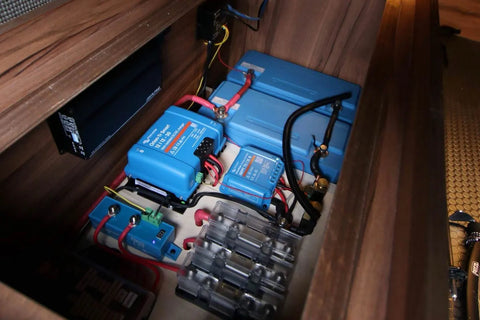
Power Protection
Protect your electrical system.
Use proper wiring and monitoring tools.
Temperature Control
Insulation and airflow matter.
They affect comfort in both hot and cold conditions.
Organization and Space Saving
The "One In, One Out" Rule
If you add something, remove something.
Vertical Storage
Use walls and vertical space efficiently.
Kitchen Hacks
-
Compact tools
-
Multi-use cookware
Conserve Water
-
Shorter usage cycles
-
Efficient fixtures
Safety and Logistics
Emergency Prep
Keep basic supplies ready.
RV-Specific GPS
Helps avoid restricted roads and low clearances.
Establish a Domicile
Needed for legal and mailing purposes.
Repair Fund
Always keep a backup budget.
Unexpected repairs are part of the process.
Final Thoughts
Living in a camper is not just about travel. It is about building a lifestyle that supports freedom, flexibility, and the way you actually want to spend your time on the road.
From what we’ve seen, the people who enjoy camper living the most are the ones who prepare carefully, stay realistic about their needs, and choose layouts that match their daily routines. That could mean investing in practical storage, planning an efficient kitchen setup, or choosing the right bathroom system for long-term comfort.
For many travelers, exploring different camper van conversion packages helps simplify the process and avoid costly mistakes early on. Others prefer starting with proven layouts and fully built camper vans for sale that are already designed for full-time living.
If you are still planning your ideal setup, browsing a real-world camper van build gallery can help you understand how different layouts function in everyday life and what features matter most for your style of travel.
For hands-on builders, modular DIY camper van kits can simplify the conversion process while still allowing flexibility and customization. And for upgrades, maintenance, or professional help later on, dedicated camper van installations and repairs can make long-term camper living much easier to manage.
At the end of the day, successful camper living usually comes down to one thing: creating a setup that feels sustainable, comfortable, and easy to live with long-term.
Frequently Asked Questions
Is living in a camper full-time legal in the United States?
Yes, but overnight parking rules vary by city and state.
How much does it cost to live full-time in a camper?
Costs vary widely based on travel pace, fuel use, and campground choices.
What is the best camper for full-time living?
The best option supports your climate, travel style, and maintenance ability. Many people start by looking at proven van conversion models and then adjusting details like bed style, storage, and power to fit their family or solo setup.
How do you get mail while living in a camper?
Most full timers use a mail forwarding service tied to their legal domicile.