One of the most common questions we hear is simple and useful: Does camper insurance cover water damage? It usually comes up after a storm, a winter freeze, or the first sign of a leak. After more than a decade building, fixing, and backing vans in real Colorado weather, we have seen where insurance helps and where it does not.
When does RV insurance cover water damage?


In most cases, water damage is paid for only when it comes from a sudden, accidental event. That usually falls under full coverage. If the damage is a surprise and not tied to wear or neglect, there is a good chance your policy responds.
This is where many owners get confused. They assume all water damage counts the same.
It does not. The cause matters more than the result.
An adjuster will always ask how the water got in, not just what it damaged. Guidance from organizations like the Insurance Information Institute generally supports this focus on cause when it comes to comprehensive auto and RV coverage.
Will RV insurance cover water damage under comprehensive coverage?
If you carry full coverage, does RV insurance cover water damage from certain events? Yes, often it does.
Covered scenarios we see most often
Storms
Heavy rain, hail, or wind can force water past seals or vents. If a storm causes the leak, most plans respond. For example, FEMA’s flood and storm guidance highlights how sudden weather events are treated differently from long-term exposure.
Burst pipes
Freezing temps are a fact in Colorado. If a pipe bursts fast (Weather.gov) and floods the van, insurance often covers the damage.
Other accidents
Collisions, fallen branches, or road debris that allow water inside are commonly covered.
In these situations, many owners ask whether RV insurance covers water damage fully. The answer depends on your out-of-pocket amount and limits, but the event itself is often valid.
When water damage is usually not covered
This is where expectations and reality often diverge.
Typically excluded situations
Slow leaks
If water enters over time through aging seals or poor caulking, insurance companies usually deny the claim. Many owners ask does camper insurance cover leaks like this. In most cases, it does not.
Mold
Mold is almost always excluded. Even when water damage is covered, mold remediation often is not. The EPA’s guidance on mold and moisture underlines how quickly mold can develop after a leak, which is why insurers treat it as a separate, often excluded issue.
Lack of maintenance
Worn roof seams, ignored window seals, or unchecked moisture issues are seen as avoidable. That falls under owner duty.
This is also true for trailers. Does travel trailer insurance cover water damage from slow leaks? Usually no.
Does RV insurance cover flooding?
Flooding is one of the clearer lines in RV insurance.
If flood water harms your RV and you carry full coverage, RV insurance covers water damage from flooding in many cases, whether you’re running a simple ford transit interior or a full transit conversion interior. This includes flash floods and rising water from storms that soak floors, walls, and built-ins. According to FEMA’s flood insurance resources, flood damage is treated differently from standard water leaks, which is why it’s important to know how your policy defines a “flood.”
But damage from repeat soaking or parking in known flood zones can make claims harder. Records and timing matter here.
Is mold damage covered by RV insurance?
Mold is one of the most annoying results of water getting in. Sadly, it is rarely paid for.
Even when the first water event is okayed, mold cleanup is often left out or capped at a low amount. This is why early find matters so much.
One of the most missed parts of RV insurance water damage claims is records. When you first notice a leak or water stain, take clear photos of everything: the source (or guessed source), the damage area, and any standing water. Note the date, place, and what was going on at the time (heavy rain, freeze, driving through a storm, etc.).
If you’re in Colorado or a different cold state, keep records of winter work, heater use, and any repairs you’ve done on plumbing or seals. This kind of paper trail helps show that the event was sudden and not planned, not the result of long-term neglect.
When you file a claim, the claim handler will rely on your photos, receipts, and timeline to decide whether your RV insurance water damage is paid for.
It also helps to see how your RV is listed on your policy. Some vans are covered as RVs, some as camper vans, and some as work rigs. The way your rig is labeled can affect how RV insurance water damage is handled.
For example, if you’ve done a DIY build and never told your insurance company about the conversion, they may only value the base van. They won’t count the cabinets, plumbing, or wiring you added. On the other hand, if your build is logged with photos and bills, and your policy shows the higher value, you stand a better chance of getting fair coverage. That becomes especially important when water harms your interior living space or transit cabin.
Before you ever need to file a claim, it’s worth calling your agent to walk through how your exact van and build are listed. Resources from groups like AAA on auto and RV coverage basics can also help you understand typical policy language before you talk with your agent.
Preventive steps matter too, both for your wallet and for your claim. Insurance companies expect basic care: checking roof seams once or twice a year, checking window and vent seals, and draining or winterizing plumbing before hard freezes. In Colorado, we suggest a fall checklist and a spring checklist for every van, ideally paired with a professional camper van winterization service if you store your rig in freezing temps.
If you skip those and end up with slow, hidden leaks, your RV insurance water damage claim will likely be denied. But if you can show that you’ve been doing your share - regular checks, timely repairs, and smart storage - then when a true accident happens, you’re in a stronger spot.
Insurance is there for the unknown. Your job is to handle the likely stuff before it turns into a bigger problem.
From a builder’s view, we focus a lot on airflow, material choices, and drainage paths. That care cuts long-term moisture risk and supports green living through smart systems inside the transit cabin and the rest of your camper layout.
What to do if you have water damage
Steps we recommend
Check your policy
Look for comprehensive coverage details. Pay attention to exclusions related to maintenance.
Consider riders
Some insurance companies offer add-ons for higher limits or certain risks. These can be helpful based on how and where you travel.
If you’re dealing with RV insurance water damage questions or want to build a van that’s better protected from leaks in the first place, contact us to talk through your options, from layout choices to materials and even van conversion financing if you’re planning a new build.
Document everything
Photos, videos, and written timelines help. Document the cause, not just the damage.
Act quickly
Drying and mitigation reduce further loss. Waiting can weaken a claim.
If you are using an RV calculator to guess repair costs, link it inside here so readers can see likely out-of-pocket risk.
How to file a water damage insurance claim
Filing a claim is usually straightforward if the cause is clear.
-
Contact your insurer immediately
-
Provide documentation of the event
-
Prevent further damage
-
Schedule inspection and repair estimates
We often help owners prepare real repair scopes based on how vans are actually built. That know-how avoids shocks during claims and can guide whether you move ahead with a fresh custom van conversion or shop our available camper vans for sale instead of repairing a heavily damaged rig.
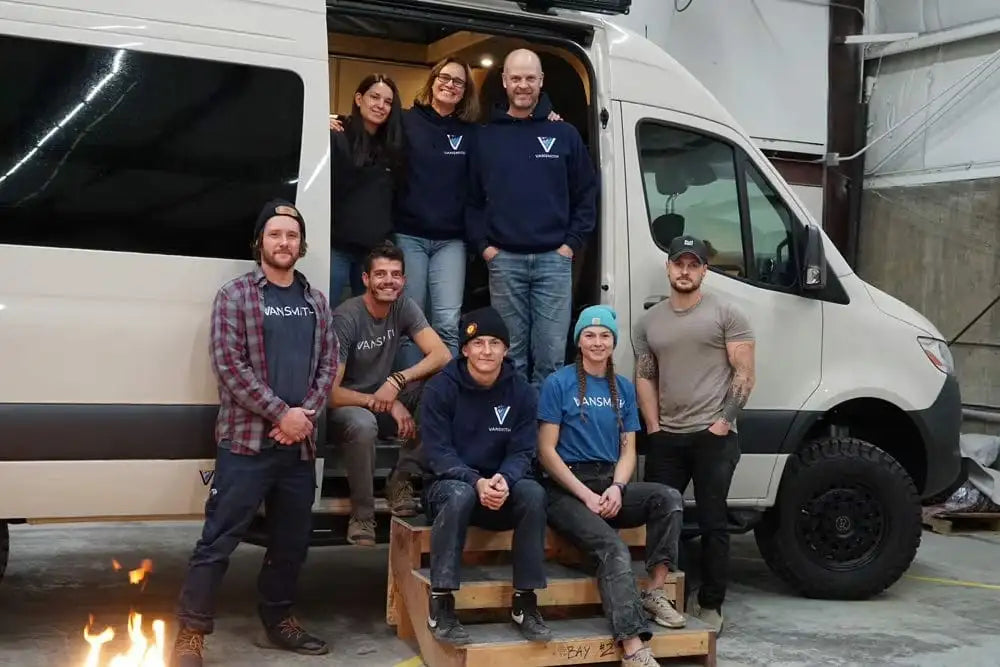
Final perspective from The Vansmith
After years of building, fixing, and living in these vans, we see insurance as a safety net, not a care plan. Good design, steady checks, and smart materials cut risk long before a claim is needed.
That approach reflects how we build at The Vansmith. Custom layouts, care to detail, and long-term support matter when you are miles from home and the weather turns. If you’re just starting to explore options, browsing our camper van conversion models can help you see how different floor plans handle plumbing, ventilation, and storage to reduce future water issues in your transit interior, cargo area, and living quarters.
FAQs
Will insurance pay out for water damage?
Yes, if the damage comes from a sudden, paid event. Long-term leaks and neglect often result in denial.
What type of water damage is not covered by insurance?
Slow leaks, mold, moisture issues, and damage caused by lack of care are often left out.
Why would insurance deny a water damage claim?
Denials usually stem from evidence of wear, delayed reporting, or unclear cause.
What qualifies as water damage?
Any damage caused by water getting in, like soaked insulation, warped panels, or harmed wiring systems. Pay depends on how that water got in. If you’re unsure whether to repair or replace, you can compare likely repair costs against the price of a new build using our RV loan calculator and by checking current pricing on our in-stock camper vans.
About the author

Santiago Pere
Chief Design Engineer
Santiago is Chief Design Engineer at The Vansmith. He writes on topics spanning van design, builds, and life on the road.
Read more about Santiago