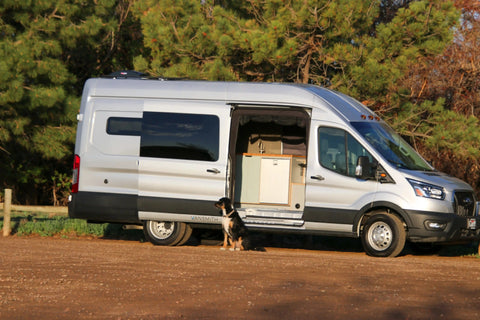
Choosing the Easiest RV to drive can shape your entire trip. For van folks, travelers, and first-time RV drivers, trust behind the wheel matters. After years on mountain roads, desert highways, and city streets, one option still stands out.
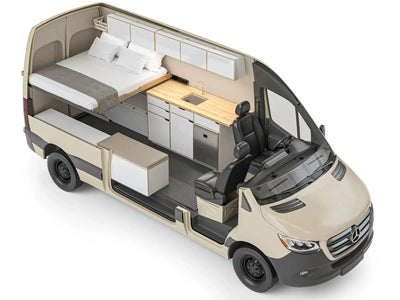
Class B RVs, also known as camper vans, give a driving feel that is easy, steady, and stress-free.
The Winner: Class B (Camper Vans)

When talking about the Easiest RV to drive, Class B camper vans often top the list. Their size, handling, and daily use make them a clear pick for new and long-time travelers alike.
Size
Class B camper vans are the smallest powered RVs on the road. (RVIA) Their compact length makes tight roads and narrow camp spots easier to drive through.
Because of this, they feel approachable even if you are transitioning from a regular vehicle.
Maneuverability
Great turning radius is a major reason camper vans are seen as the Easiest RV to drive. Whether you are winding through a mountain pass or going into a trailhead lot, these vans respond smoothly.
This quick response supports our belief in smart designs that bring comfort to your journey, where ease cuts down on fatigue.
Technology
Modern camper vans often include advanced driver-assist features such as:
-
Backup cameras
-
Blind-spot monitoring
-
Lane guidance
These systems support confident driving without overwhelming the experience.
Compact and Nimble
Their narrow profile cuts stress in traffic and city areas. Parallel parking and fuel stops feel normal rather than scary.
Van-Like Driving
Class B RVs drive like large vans, not buses. Steering response, braking distance, and speed remain easy to expect.
That familiarity is why many people searching for the Easiest RV to drive start here.
Great for Beginners
For new RV drivers, fewer blind spots and a lower height mean better views and quicker learning curves.
Ideal for Solo Travelers or Couples
Camper vans support smart layouts without excess space to manage. Less length means less stress.
Fits in Regular Parking Spaces
One of the biggest perks is daily ease of use. Grocery stores, trailheads, and downtown parking are easy to reach.
Popular Models
While brands vary, most top Class B RVs share the same driving perks: compact size, even weight, and smart inside layouts.
The Runner-Up: Small Class C (The “Cabs”)

Small Class C motorhomes come next when ranking the Easiest RV to Drive.
Why They Are Easier
-
Shorter length than large motorhomes
-
Familiar truck-style cab
-
Higher seating position improves road visibility
They feel stable on highways but require more attention when parking.
Pro Tip
If you choose a Class C, keep it under 25 feet. Shorter lengths improve handling and reduce fatigue.
What to Avoid If You Are Nervous

Not every RV suits first-time drivers.
Compact Class A (Under 30 Feet)
Although still doable, Class A RVs sit higher and feel wider. Wind sway and long braking space can add stress.
Long Travel Trailers
Trailers require towing skills, backing-up practice, and constant watch on swing clearance. They are not ideal if ease is your main goal.
Quick Comparison Table
|
Feature |
Class B (Camper Van) |
Small Class C |
Class A |
|
Driving Feel Test drives are one of the most missed steps in choosing the easiest camper van to drive. If you can, drive the van on the types of roads you’ll really use: a bit of highway, a few tight turns, maybe a grocery store parking lot. Pay close attention to how it feels merging into traffic, backing into a space, and making a U-turn. Notice views out the windshield and side windows, how easy it is to check mirrors, and whether you feel in control when braking. A van that feels calm and steady in these daily moments will feel a lot better when you’re tired at the end of a long travel day. Weight and load also play a big role in how a camper handles. Two vans with the same body can drive very differently based on how they’re built out and loaded. Look for a build that keeps heavy items low and in the middle - water tanks, batteries, and gear storage all affect how steady it feels. The easiest camper van to drive often has an even layout, good suspension parts, and tires rated for the actual weight of the build. Ask about total weight, payload limit, and how the van acts in crosswinds or on rough roads. Honest answers here tell you more than a glossy brochure ever will. Last, think about where you plan to travel most. If you’ll spend a lot of time in cities, put a shorter wheelbase first, tight turning radius, and good views at busy crossings. If mountain passes and forest roads are your thing, look for strong engine power, steady braking on descents, and traction add-ons like all-wheel drive or simple drive modes. Matching your routes to your rig is what truly makes a van the easiest camper van to drive for your style of adventure. It should work not just on paper but mile after mile on the road. |
Van-like and intuitive |
Truck-like |
Bus-style |
|
Parking |
Fits most spaces |
Needs planning |
Limited options |
|
Visibility |
Excellent |
Good Ready to find the easiest camper van to drive for your next build? Contact us to talk through chassis options and layouts that match how - and where - you really drive. |
Moderate |
|
Fuel Economy |
Best |
Moderate |
Lowest |
Class B camper vans remain the Easiest RV to drive across all categories.
Why Ease Matters on the Road
Driving comfort clearly affects fun. When the rig feels steady, you stay calm and locked in on the journey.
This lines up with our core idea of solid build quality, made to roam farther. Well-balanced vans support longer days behind the wheel without burnout.
Quick Tips for Easy Driving
Start With a Rental
Test real-world handling before committing. Experience highways, parking lots, and backroads.
Practice in Open Areas
Spend time learning turning radius, braking distance, and mirror use.
Use Driver-Assist Technology
Leverage built-in systems for confidence, especially when backing up or merging.
These habits reinforce why camper vans remain the Easiest RV to Drive for most travelers.
Why Camper Vans Fit the Colorado Lifestyle
From Boulder canyons to alpine passes, state roads demand control and quick response. Camper vans shine here.
Their balance supports climbing trips, bike weekends, ski missions, and trailhead access. Smaller size means less impact and better fuel use, showing our focus on green choices in every van.
Final Thoughts
If you are searching for the Easiest RV to drive, Class B camper vans always come through. Their van-like handling, compact size, and simple design make travel easy and fun.
For people who value trust, flex, and careful build work, camper vans offer a smarter way to explore.
Frequently Asked Questions
What is the easiest RV to drive for beginners?
The easiest RV to drive for new drivers is a Class B motorhome, also called a camper van. It drives like a large van, has better views, and is easier to park than larger RVs.
Are Class B motorhomes easier to drive than Class C RVs?
Yes, Class B RVs are easier to drive than Class C RVs. Their smaller size, tighter turning radius, and van-like handling make them easier to control in cities, on highways, and in campgrounds.
Why are camper vans considered the easiest RV to drive?
Camper vans are seen as the easiest RVs to drive because they are compact, lightweight, and built on a standard van chassis. This results in smoother steering, easier braking, and less stress for new drivers.
Is a Class B RV easier to park than other RVs?
Yes, a Class B RV is much easier to park than most other RV types. Many camper vans fit in standard parking spaces, which is not doable with Class A or larger Class C motorhomes.
What size RV is easiest to handle on highways?
A Class B camper van is the easiest RV to handle on highways. It is less hit by wind, picks up speed smoothly, and maintains stable control at highway speeds.
About the author

Eugene Smit
CEO
Eugene is the CEO of The Vansmith, based in Boulder, Colorado. He writes across topics related to van builds, ownership, and the camper van industry.
Read more about Eugene