By Santiago Pere, February 9, 2026
Introduction, what we mean by Class B and custom conversions

When people say "Class B" they mean factory-built camper vans that start life as people or cargo vans. They are then finished by an RV maker into a fully built RV. "Custom conversions" means custom van builds where a solo builder outfits a cargo van chassis to a buyer’s plans, often a Mercedes Sprinter or Ford Transit (Mercedes Sprinter).
This guide looks at class b camper vans and pro-built vans. Both paths get you on the road; the choice comes down to tradeoffs in ease of use, layout options, cost, and long-term service.
Quick snapshot: class b vs conversion - who wins what (at-a-glance comparison)

Class B tends to win for turnkey use, built-in systems, and dealer-backed guarantees. Custom conversions tend to win for space use, custom layouts, and the power to spec larger off-grid systems.
Most Vansmith clients choose high-roof platforms and, when budget and space matter, they favor conversions that make the most of usable volume. The story here leans toward steady support for well-done custom builds when personal touches and off-grid strength are priorities.
| Factor | Factory Class B Camper Vans | Custom Conversion Vans |
|---|---|---|
| Upfront Cost | Higher purchase price for turnkey build, dealer network, and bundled warranties. | Cost scales with your spec; can match or beat Class B value when you prioritize what you actually use. |
| Layout & Space | Fixed floorplans designed to fit a template; limited ability to change bed, kitchen, or storage locations. | Layout tailored to your gear, hobbies, and height; better use of high-roof and extended-length chassis. |
| Off-Grid Capability | Often modest battery and water capacity; upgrades may be constrained by factory wiring and space. | Can be designed around larger solar, battery banks, and tanks from day one for serious boondocking. |
| Service & Warranties | Single manufacturer and dealer network; clear RV warranty structure and support. | Chassis serviced at OEM dealers; house systems supported by your builder and individual component warranties. |
| Long-Term Flexibility | Harder to reconfigure without major surgery; resale buyers expect stock layouts. | Easier to modify or upgrade systems over time; design can evolve with how you travel. |
Cost comparison

New purchase price: factory Class B vs professional conversion
Factory-made Class B rigs often cost more for the ease of a ready-to-go product, dealer sales channels, and bundled warranties. For many buyers that extra cost is a few thousand to tens of thousands of dollars, based on chassis, trim, and options. Pro conversions can offer similar or better usable features for the same or lower price if you choose a trusted builder and clearly define specs up front.
Long-term costs: fuel, maintenance, and insurance
Chassis care is much the same across both options when built on common platforms like Sprinter or Transit (Ford). A Class B often makes service easier because dealer networks and RV guarantees cover many systems, which can reduce headache and surprise bills.
Custom conversions may need more care with forms and builder guarantees for add-on systems; still, a well-tracked conversion can have steady long-term costs. Insurance and fuel economy depend mostly on chassis and weight (EPA estimates), not whether the interior was factory or custom built. According to EPA fuel economy guidance for RVs, added weight, roof accessories, and higher frontal area can significantly reduce miles per gallon compared with an unloaded van.
Space, layout, and living ergonomics
Standard Class B layouts and limitations
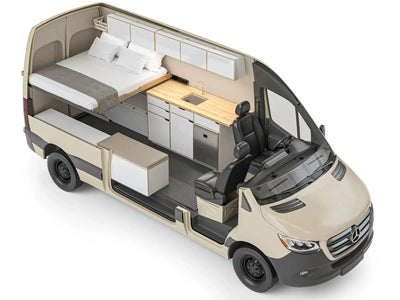
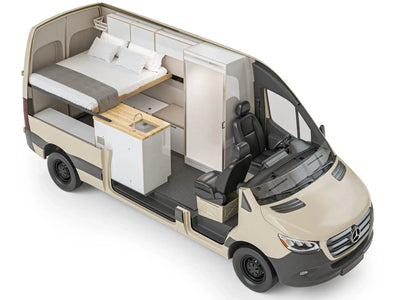
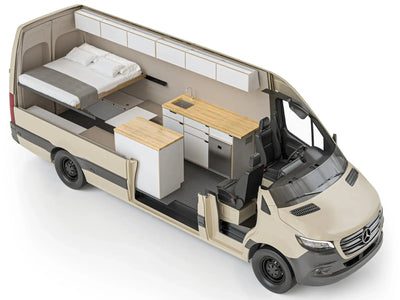
Class B layouts put small, built-in systems first that fit within a maker’s template. That makes them easy to use and the same across models, but it also limits bold layout choices and the amount of truly usable inside space. Taller or longer Sprinter-based conversions, by contrast, let builders push cabinets, storage, and living areas farther into the vehicle’s footprint.
How conversions maximize usable space (examples on Sprinter chassis)
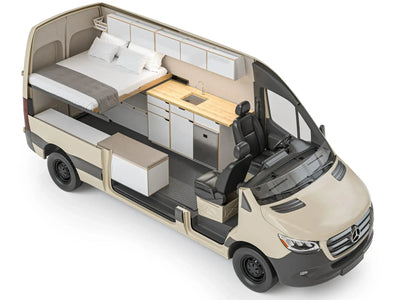
Custom conversions on Sprinter and Transit platforms often reclaim dead space with smart cabinets, pull-out kitchens, and longer bed options. Builders can choose high roofs, different insulation setups, and flexible furniture so the inside feels more open and useful than the usual factory layout. For practical examples and layout inspiration, readers frequently consult posts like "How to Convert a Campervan" and the Vansmith layout guides.
Build quality, systems, and warranties
Integrated systems & dealer support in Class B motorhomes
Class B rigs are attractive because power, plumbing, HVAC, and van systems are put in and tested by the maker, and many dealers offer simple, single-stop service. When you look at class b vs conversion van options, that turnkey ease is a big part of the draw, especially if you’re already comparing rv financing rates or checking campervan loan rates and want something that feels ready on day one.
It cuts down setup time and the learning curve for owners who don’t want to sort out details the way you might with a custom campervan vs class b motorhome. Guarantees often cover parts and labor in clearly set ways.
Builder variability and inspecting custom conversions
Build quality varies more with custom conversions because every builder has different standards and ways of working. That’s why buyer due care is key: request wiring diagrams, insulation specs, material lists, and photos of sub-assemblies. The Vansmith approach centers on documented craftsmanship, materials like birch and sustainable finishes, solid electrical layouts, and clear warranties so buyers know what they’re purchasing.
Performance, drivability, and chassis choices
Sprinter vs Transit vs ProMaster as platforms
Sprinter and Transit are the main platforms we suggest and build on. Sprinter often offers taller roof options and a premium driving feel. Transit brings sharp pricing and strong dealer support (Ford Transit cargo van details).
The Ram ProMaster is fine in some cases but less often our core focus. Platform choice affects driving feel, service access, and inside space. For example, Ram’s official ProMaster specs highlight its front-wheel-drive layout and boxy cargo area, which can be an advantage for certain conversion styles.
Fuel economy and handling trade-offs
Weight and airflow - more than whether a van is factory-built or custom - drive fuel use and handling. Heavy build-outs and rooftop systems reduce mpg. For buyers who care most about range and nimble driving, lighter builds and tuned roof gear are smart choices. According to Edmunds and similar automotive guides, added weight and accessories can noticeably impact both fuel economy and braking distances in RVs and camper vans.
Systems: plumbing, electrical, insulation, heating/AC
What comes standard in Class B rigs
Factory Class B rigs often include tested plumbing runs, built-in HVAC, and bundled wiring sized for a certain way of travel. Turnkey use and tested system-to-system fit is a real plus for many buyers who want low friction ownership.
Upgrades commonly found on custom builds (solar, water, off-grid)
Custom builds let you size systems to match clear off-grid goals: larger battery banks, thicker insulation, bigger fresh and grey tanks, and more solar power. For customers planning long boondocking stretches, those custom systems often make a conversion the better long-term value despite a higher starting setup cost.
Maintenance, serviceability and resale
Dealer network and certified service for Class B
Class B buyers often cite peace of mind: dealer service, bundled guarantees, and a more standard handoff make upkeep simpler. If you travel a lot and prefer steady, known service stops, that ease can be the key factor. Organizations like AAA note that following chassis and coach maintenance schedules is critical for long-term reliability and resale value.
Finding parts / service and documenting builder work for conversions
Custom conversions require a stronger paper trail. Record wiring, parts, and materials so future owners and service techs can track down issues. Good builders provide diagrams and parts lists; doing this keeps resale value and cuts long-term friction.
Who should choose a Class B vs a custom conversion? - use-case buyer profiles
Weekend warriors / occasional travelers
If you want an easy purchase that’s ready for the road and backed by dealer networks, a Class B is attractive. It’s built for ease and short trips without much systems learning.
Full-time vanlifers and long-term travelers
People living in their vans full-time often put usable space, tough materials, and larger off-grid systems first. A custom conversion often gives more control over layout, insulation, and power - key long-term gains for full-timers.
Remote/off-grid and overlanding-focused users
If long-term off-grid use is a main goal, conversions often win because they allow larger batteries, more solar, and much more water storage. For drivers pushing remote boundaries we suggest choosing materials, insulation, and systems with long life and easy service in mind. Safety agencies such as the National Highway Traffic Safety Administration also recommend checking weight ratings and tire pressures carefully before extended trips, especially in heavily loaded RVs and camper vans.
Checklist: questions to ask dealers and builders
Warranty, materials, insulation R-value, water plumbing specs, electrical schematics
Ask for: written guarantees, material lists, insulation specs, plumbing line diagrams, and a full wiring diagram. Confirm who services what - chassis versus coach systems - and request references or past builds. The best builders and dealers will provide clear answers and forms up front.
Real-world examples and cost scenarios (3 side-by-side builds)
Modest budget: minimal conversion vs entry-level Class B
On a tight budget, a modest pro conversion can often beat a base Class B in usable features. The key is putting core systems that matter to you first and avoiding extra add-ons that increase weight without real use.
Ready to talk through whether a Class B or custom build van is right for you? Contact us to ask questions or get a quote on a build that fits how you really travel.
Mid-range: popular custom conversion vs comparably equipped Class B
Mid-range buyers often find conversions give more custom work per dollar: larger bed layouts, built-in storage, and better use of tall space. Class B options at this level remain attractive for those who value dealer support and a shorter learning curve.
High-end: premium conversion vs high-spec Class B
At the high end, both paths can produce standout rigs. High-spec Class B models are refined and turnkey, while premium custom builds can be better in comfort and off-grid strength if crafted to high standards.
Conclusion and decision flow, how to choose for your priorities
Choose a Class B if you want a turn-key setup, dealer-backed support, and low systems learning. Choose a custom conversion if your main needs are custom layouts, larger usable space, and bigger off-grid systems.
If you’re unsure, use a simple choice flow. Put ease of service and ease of use first, then choose Class B. Put custom work and off-grid strength first, then choose a well-tracked custom conversion.
If you need a clear next step, explore guides like "Sprinter Van Conversion Costs for Every Budget" and the Vansmith layout guides. Use the Sprinter Camper Vans For Sale list to compare real builds and tracked projects, or browse DUO camper van layouts and FAMILY camper van floor plans to see how different designs fit your travel style.
FAQ
Is a Class B camper van better value than a professional conversion?
It depends on what matters most. Class B vans offer turnkey use, bundled guarantees, and dealer support but often cost more up-front per square foot. Pro conversions can give more usable space and custom features for the same or lower price if you pick a trusted builder and factor in possible service trade-offs.
How much more does a Class B cost compared to a custom conversion?
Price gaps vary widely by chassis and gear. Expect factory Class B rigs to carry a premium for brand, warranty, and built-in features. That premium is often a few thousand to tens of thousands USD more than an equally set up custom conversion, based on options and builder labor. Many buyers also compare rv loan rates, camper financing options, and broader motorhome interest rates to see how those price gaps play out in monthly payments.
Are Sprinter camper vans better than Class B motorhomes?
Sprinter is a common chassis for both Class B makers and custom builders. Sprinter-based Class B rigs offer factory-level fit and dealer networks, while Sprinter conversions give builders a taller, longer platform to dial in interiors. Neither is always better; the right choice depends on layout needs, service needs, and how different rv financing options and camper loan rates affect your total budget.
Which option is easier to maintain and service?
Factory Class B rigs often make service easier via known dealer and warranty channels. Custom conversions require checking builders for forms and may need special parts or labor repairs, although chassis-level upkeep is close if built on widely backed platforms.
Can custom conversions match the off-grid capability of Class B rigs?
Yes - many custom conversions beat factory Class B off-grid strength by adding larger solar arrays, bigger water tanks, better insulation, and custom systems. Reaching this setup needs planning and may mean higher up-front cost, which is why some owners look closely at campervan loan rates, rv financing terms, and overall recreational vehicle loan offers before committing to a bigger electrical or water system.
Explore build options or book a call and browse our camper van build gallery for real-world examples of Class B alternatives.
About the author

Santiago Pere
Chief Design Engineer
Santiago is Chief Design Engineer at The Vansmith. He writes on topics spanning van design, builds, and life on the road.
Read more about Santiago