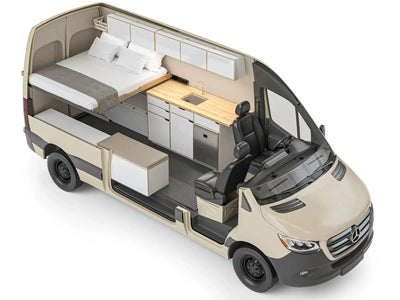
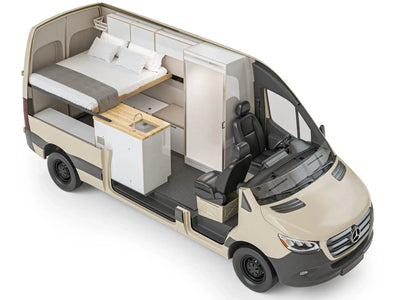
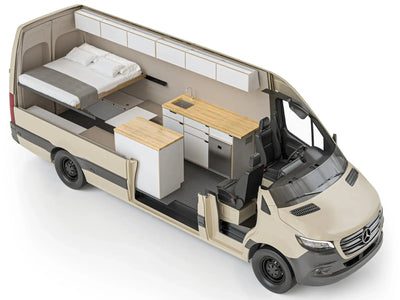
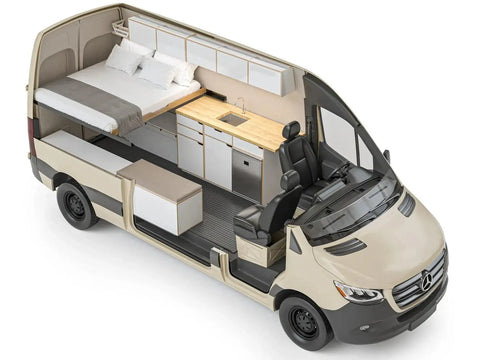
Diesel RVs and rigs are travel rigs run by diesel motors, known for strength, good mileage, and long-term dependability. In the first miles behind the wheel, you feel the change. These rigs are built for long highway days, steep mountain passes, and long trips where power and comfort matter most.
For travelers who value confidence on the road, diesel platforms stand apart.
At The Vansmith in Boulder, Colorado, we work with travelers who value thoughtful engineering and durable systems. Diesel travel fits well with that mindset. It rewards patience, planning, and a love for the long road.
What Are Diesel Motorhomes and RVs
Diesel motorhomes use diesel engines instead of gasoline engines. They are often found in larger motorhomes and are designed for higher load capacity and long-distance travel.
In many cases, diesel engines are paired with heavier chassis and stronger suspension systems.
How Diesel Engines Work in RVs
Diesel engines operate differently from gas engines.
They:
-
Use compression instead of spark plugs to ignite fuel
-
Produce more torque at lower speeds
-
Handle heavy loads more efficiently
This is why diesel RVs feel stronger on climbs and when towing.
Key Differences Between Diesel and Gas RVs
The main differences come down to how they perform under load and over time.
-
Diesel: More torque, longer lifespan, higher upfront cost
-
Gas: Lower cost, simpler maintenance, lighter setup
From experience, the gap becomes more noticeable on long trips and mountain terrain.
Diesel RV vs Gas RV
Key Aspects of Diesel Motorhomes
Performance
Diesel RVs offer:
-
Strong pulling power
-
Better performance on hills
-
More stable highway driving
Construction
Most diesel RVs are built on heavier-duty platforms.
This results in:
-
Better structural strength
-
Higher weight capacity
-
Improved ride stability
Top Brands
Well-known diesel motorhome manufacturers include:
-
Winnebago
-
Tiffin Motorhomes
-
Newmar
These brands focus on durability and long-distance travel capability.
Luxury & Features
Diesel motorhomes often include:
-
Higher-end interiors
-
Advanced suspension systems
-
Larger storage areas
They are typically positioned as premium options.
Key Benefits of Diesel RVs
Superior Power and Towing
Diesel engines generate more torque, which helps when:
-
Climbing steep grades
-
Towing trailers or equipment
Better Fuel Efficiency and Range
Diesel engines tend to be more fuel-efficient over long distances.
They also:
-
Offer longer driving range
-
Perform better under load
Comfortable Ride and Low Noise
Many diesel RVs provide:
-
Smoother ride quality
-
Lower engine noise at cruising speeds
This improves comfort on long drives.
Durability and Longevity
Diesel engines are built for long-term use.
They often:
-
Last significantly longer than gas engines
-
Handle higher mileage without major issues
Higher Resale Value
Due to durability and demand, diesel RVs often retain value better over time.
Increased Storage Space
Diesel RVs typically include:
-
Larger storage compartments
-
Better weight distribution
Fast Fueling
Diesel pumps at truck stops allow:
-
Faster refueling
-
Easier access for large vehicles
Diesel RV Cost Breakdown
Purchase Price Range
Diesel RVs generally cost more upfront than gas RVs.
Prices vary widely depending on:
-
Size
-
Features
-
Brand
Fuel Costs and Mileage
Diesel fuel can be more expensive, but:
-
Better mileage often balances the cost
-
Efficiency improves on long trips
Maintenance and Insurance Costs
Diesel RVs:
-
May have higher maintenance costs
-
Require specialized servicing
However, they often need fewer major repairs over time if maintained properly.
Diesel vs Gas RV: Quick Comparison
|
Feature |
Diesel RV |
Gas RV |
|
Power |
High torque, strong towing |
Moderate power |
|
Fuel Efficiency |
Better for long trips |
Lower efficiency |
|
Cost |
Higher upfront |
Lower upfront |
|
Maintenance |
Specialized, less frequent major issues |
Simpler, more frequent |
|
Lifespan |
Longer |
Shorter |
|
Ride Quality |
Smoother |
Basic |
Why Choose Diesel?

Choosing diesel is about purpose. It supports people who go farther, stay out longer, and value long-lasting parts. Below are the core reasons diesel platforms remain popular with seasoned RVers who are weighing diesel vs gas motorhomes, gas vs diesel RVs, and diesel vs gas campers for serious travel.
Performance and Torque
Diesel motors give high torque at low RPMs (Mercedes-Benz Sprinter specifications). That means steady power when climbing hills, passing on highways, or towing gear.
In mountain areas like Colorado, this power gives peace of mind. The engine works well without strain, even under load.
Fuel Economy on Long Trips
While diesel fuel prices can vary, diesel motors often travel farther on each tank during highway driving. According to EPA fuel economy estimates for Mercedes-Benz Sprinter vans, many diesel configurations achieve higher highway MPG than comparable gas models, especially under steady cruising. Over long miles, that savings adds up. Fewer fuel stops also mean a calmer travel rhythm, which many vanlifers value on long routes across the country.
Longevity and Engine Life
Diesel motors are built for hard use (MotorTrend comparisons of diesel vs. gas engines). With proper care, they often outlast gas motors by a wide margin. This long service life appeals to people planning years of road time rather than short weekend trips.
Comfort and Quiet Ride
Many diesel RVs place the engine at the rear. This layout cuts noise in the living area. The result is a quieter ride and a more easygoing drive, especially on long days behind the wheel.
Long-Term Value
Diesel RVs tend to hold value well. Their strength, power, and good name support stronger resale numbers than many gas rigs.
Types of Diesel RVs

Not all diesel rigs serve the same purpose. Knowing the main types helps match the rig to your travel style and compare gas vs diesel motorhomes in a more detailed way.
Class A Diesel Pushers
Class A diesel pushers are large, comfort-focused RVs with engines in the back. They offer great highway control, plenty of storage, and roomy interiors. These are often chosen by full-time RVers or travelers planning long seasonal journeys.
Super C Diesel Motorhomes
Super C rigs sit on strong truck frames with diesel power. They combine strong towing power with more familiar driving feel. Many outdoor fans like their tough feel and easy-to-work-on parts.
Diesel Sprinter Vans and Class C RVs
Some Class C motorhomes use diesel platforms like the Sprinter. These offer a balance between good mileage, easy handling, and inside comfort. They suit people who want diesel perks without stepping into the largest RV classes. If you are exploring compact diesel rigs, it is worth comparing them with other small motorhome options and buyer’s guides to see how they stack up for your travel style.
Fifth Wheel Trailers
Fifth wheels are pull-behind RVs often paired with diesel trucks. They provide home-like layouts and strong steadiness when moving. This option works well for people who prefer keeping driving and living spaces separate.
Travel Trailers
While less common with diesel-only branding, many travel trailers are towed by diesel rigs. The diesel edge comes from the tow rig rather than the trailer itself.
Key Considerations Before Choosing Diesel
Diesel RVs offer clear perks, yet they are not for all. A few real-world factors deserve a close look, especially if you are deciding between a diesel coach and a gas-powered motorhome.
Cost
Diesel rigs often carry a higher purchase price. That reflects engine design, chassis strength, and total life span. Buyers often view this as a long-term buy rather than a short-term expense.
Maintenance
Diesel upkeep differs from gas systems. Service gaps may be longer, yet parts and labor can cost more. Access to skilled service centers is key, especially for people who travel often.
Travel Style
Diesel shines on long trips and long stays. If your trips are short or rare, some perks may go unused. An honest look at travel habits helps guide the choice.
Diesel RV vs Gas RV – Quick Comparison
|
Feature |
Diesel RV |
Gas RV |
|
Cost |
Higher upfront |
Lower upfront |
|
Torque and Power |
Strong at low RPM |
Moderate |
|
Towing |
Excellent |
Limited |
|
Maintenance Cost |
Higher |
Lower |
|
Fuel Efficiency |
Better on highways |
Better for short trips |
|
Quiet Ride |
Very quiet |
Louder engine noise |
Who Is a Diesel Motorhome Best For?
Diesel motorhomes and RVs suit travelers who value reliability and distance. They work well for:
-
Full-time or extended travelers
-
Mountain and high-altitude driving
-
Heavy towing needs
-
Long highway routes
-
Buyers focused on long-term ownership
At The Vansmith, we often see diesel demand from outdoor athletes. Climbers, skiers, and cyclists value solid systems and calm driving days between trailheads. Some travel in a larger Mercedes Sprinter passenger van. Others prefer a more small Mercedes Metris passenger van that’s easier to drive in tight mountain towns.
Ready to hit the road with a diesel-powered trip? Contact our van conversion team to start your journey with a Mercedes passenger camper, whether you’re dreaming of a custom Mercedes passenger RV or a nimble Mercedes-Benz people mover conversion. You can also browse our latest van conversion gallery if you are still deciding which platform fits your diesel build or comparing gas vs diesel motorhomes for your next rig.
Tips If You Are Shopping
Before committing, take time to evaluate the details.
-
Review service records carefully
-
Test drive on hills and highways
-
Check storage access and weight ratings
-
Confirm the availability of diesel service along your routes
-
Consider how often you plan to travel each year
These steps reduce surprises and help match expectations with reality. Resources like the RV Industry Association and AAA road trip safety guidance can also help you plan routes, maintenance, and safe driving habits for longer diesel RV journeys. As you narrow down rigs, it can also help to compare them with small RV motorhome layouts and features to see whether a compact diesel build might meet your needs with less bulk.
Popular Diesel Class A Motorhomes
Several models have earned strong reputations over time.
Newmar Dutch Star
Known for refined interiors and smooth handling. A solid choice for long-term travel comfort.
Tiffin Allegro Bus
Praised for ride quality and owner support networks. Many full-time RVers favor this platform.
Winnebago Forza
Offers diesel performance with approachable layouts and strong brand support.
Foretravel Realm
A premium option focused on durability and road stability. Often chosen by experienced travelers.
Maintenance and Ongoing Costs
Understanding ongoing care supports better ownership experiences.
Oil Changes
Diesel oil changes often happen less often than gas engines. When due, they can cost more due to oil volume and filters.
DEF (Diesel Exhaust Fluid)
Most modern diesel rigs require DEF. It is easy to find and simple to refill, yet it adds a small ongoing cost. According to the U.S. Environmental Protection Agency’s overview of selective catalytic reduction and DEF, this fluid is a key part of reducing NOx emissions in modern diesel vehicles.
Resale Value
Diesel RVs typically hold value well. Buyers often seek used diesel platforms because of engine life.
A Vansmith Perspective on Diesel Travel
At The Vansmith, our Colorado roots shape how we think about travel. We value solid systems, smart layouts, and materials chosen with care.
Diesel travel reflects the same ideas. It supports long journeys, cuts stress on hard roads, and rewards people who plan with care.
Our team believes in fresh designs that bring comfort to your journey. We also stand behind top-notch craft meant to roam further. These values connect with diesel owners who see the road as a long-term partner, not a quick escape. If you are drawn to efficient, modern interiors, you may also want to explore our approach to custom van interiors for diesel platforms.
Frequently Asked Questions About Diesel Motorhomes and RVs
What makes diesel motorhomes and RVs different from gas RVs?
Diesel RVs use diesel motors that give higher torque, better power on hills, and longer motor life. They are often quieter on the road and use fuel better for long trips than gas RVs.
Are diesel motorhomes better for mountain driving?
Yes. Diesel motors perform well at higher elevations and provide steady power on steep grades. This makes diesel RVs a strong choice for mountain regions like Colorado and the western United States.
Do diesel RVs get better fuel mileage?
Diesel RVs often achieve better fuel mileage during highway driving and long trips. While fuel costs can be higher, fewer fuel stops and longer driving range are common perks.
Are diesel motorhomes more expensive to maintain?
Maintenance costs for diesel RVs are often higher than those for gas RVs. However, service gaps are often longer, and the motors are built for long use, which can balance costs over time.
How long do diesel RV engines typically last?
With proper care, diesel motors can last much longer than gas motors. Many diesel RVs remain solid well beyond 200,000 miles, making them a strong pick for long-term use.
Are diesel RVs worth it?
They can be worth it for long-term use, frequent travel, and heavy loads, especially if you are comparing diesel vs gas motorhomes for full-time living or looking at a broader gas vs diesel motorhome comparison for family travel.
How long do diesel RV engines last?
Diesel engines often last significantly longer than gas engines when properly maintained.
Are diesel RVs better for long trips?
Yes, they perform better on long-distance travel due to efficiency and durability.
Are diesel RVs good for beginners?
They can be, but higher cost and size may make gas RVs easier for first-time users.
What is the average cost of a diesel RV?
Costs vary widely, but diesel RVs are generally more expensive than gas models due to their build and features. When you compare diesel vs gas campers, gas vs diesel motorhomes, or small motorhome setups, the diesel options usually carry a premium. If you want a more tailored alternative to a large coach, you can also explore custom camper van conversion options and compare the long-term fit.
About the author

Eugene Smit
CEO
Eugene is the CEO of The Vansmith, based in Boulder, Colorado. He writes across topics related to van builds, ownership, and the camper van industry.
Read more about Eugene