Why are camper vans often more costly than other cars? It is a question many new van travelers ask when they first explore life on the road. The answer lies in the rare mix of design, build grade, safety, and lifestyle value packed into a single platform.
At The Vansmith, we see each van as a moving basecamp, shaped by purpose, durability, and care.
Why are campervans generally more expensive than other vehicles?

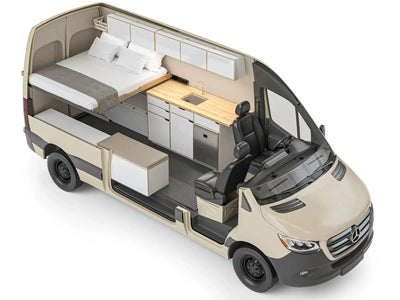
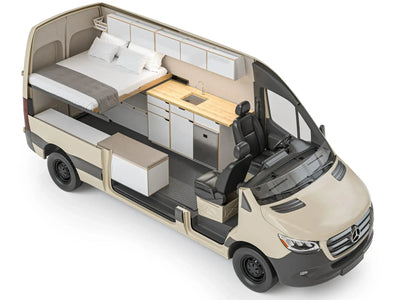
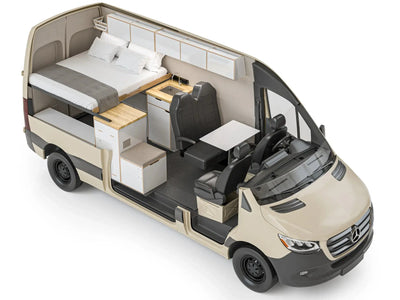
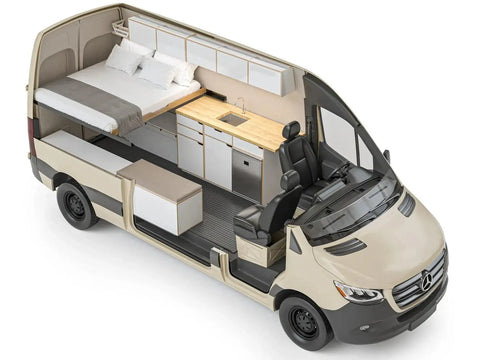
At first glance, a camper van may look like a simple van with a bed and cupboards. In real life, sleeper vans for sale bring two worlds together, combining everyday comfort with the freedom to travel.
It must perform like a reliable car and function like a compact home. That dual role drives cost.
At The Vansmith, our team puts focus on fresh designs that bring comfort to your journey and strong build quality made to roam further. Every detail must survive shaking, weather, and daily use while still feeling warm and welcoming after a long day outside.
Because of this balance, campervans sit in a category of their own.
Dual purpose: vehicle and living space

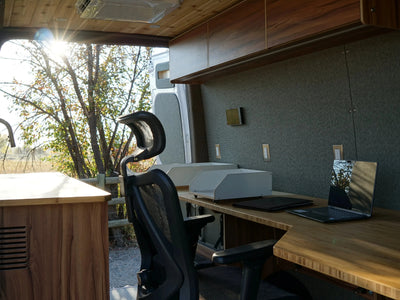
A campervan is not only transportation. It is also a kitchen, bedroom, workspace, and shelter.
This dual purpose adds layers of planning, parts, and labor. Each system must fit as one without changing driving safety or how it drives. Weight, balance, and airflow matter as much as layout.
As a result, the price reflects both automotive and residential standards in one platform.
Heavy-duty base vehicles

Most camper vans start with work-grade platforms built for high mileage and heavy loads (Mercedes-Benz).
These vans include:
-
Reinforced frames
-
Larger brakes and suspension
-
More powerful drivetrains
Such bases cost more than normal cars. They also last longer and perform better on mountain roads, desert highways, and winter passes. In Colorado, that reliability matters.
Specialized craftsmanship and hand-assembled interiors
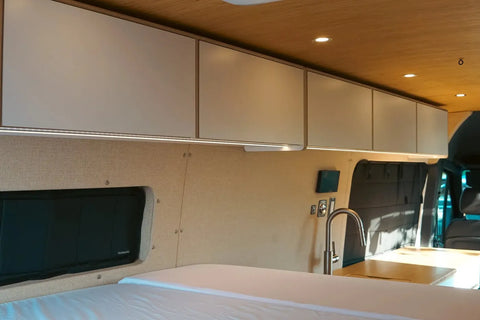
Unlike big-batch cars, camper vans rely on hand-built inside spaces. Skilled workers shape storage boxes, fit wiring, seal plumbing, and secure every panel.
At The Vansmith, we follow the idea of strong build grade made to roam further. Our builders focus on tight fits, quiet rides, and long service life. That level of care takes time and training.
Hand labor remains one of the largest cost drivers in the industry.
Expensive components and compact systems
Campervans rely on miniaturized systems that perform like full-size household equipment.
Key systems and estimated costs
|
Component |
Cost Range (Estimated) |
Why it is expensive |
|---|---|---|
|
Electrical system |
$3,000 to $10,000 |
High-capacity batteries, inverters, solar control, and safety protection |
|
Climate control |
$2,000 to $8,000 |
Heaters, air conditioning, ducting, and fuel integration |
|
Plumbing |
$1,500 to $6,000 |
Pumps, tanks, filtration, and freeze protection |
|
Insulation |
$1,000 to $4,000 |
Thermal control, sound reduction, and moisture barriers |
These systems must run quietly and resist shaking. They also have to meet strict safety standards (RVIA), just like camper van seats and swivel seats for van layouts that are built to stay secure on the move. Compact design that can handle this kind of use often costs more than alike home gear.
Low production means higher cost
Passenger cars are produced in the millions. Campervans are made in small numbers.
Low production leads to:
-
Higher material prices
-
Limited supplier options
-
More manual assembly
Safety and rules also play a quiet but big role in camper van cost. Unlike a bare cargo van, a done camper must account for crash safety, fire risk, and electric hazards in a small, closed space. That means using listed parts, proper fusing and wire sizing, secure mounting for heavy items like battery packs and water tanks, and air flow for propane or diesel systems.
Trusted builders spend time testing layouts, making how parts connect better, and staying current with changing rules and best habits. Cutting corners here can shave dollars off the build, but it can also create real risks on the road or off-grid. When you see a higher price from a shop that puts safety first, you are often paying for design work and know-how you cannot see at first glance.
Another factor in camper van cost is the push for off-grid skill. Many modern van travelers want to camp without hookups for days or weeks at a time. That needs larger power banks, stronger alt charging, solar arrays, low-use gear, and smart power management.
A simple weekend warrior setup might get by with a small power pack and low solar. A full-time rig could need lithium power packs, a strong power unit, and 400+ watts of solar. That power lets you easily run a fridge, lights, fans, laptops, and at times high-draw tools.
Each step up in power adds cost in both parts and install time. The more freedom you want from campgrounds and shore power, the more you can expect your camper van budget to grow.
Finally, custom work and build choices have a direct impact on camper van cost. Two vans with the same floor plan can land at very other price points based on finish and add-ons. Solid wood cabinet work, premium wall and floor fill, high-end fabrics, and custom metal work all add strength and a specific feel, but they also require more labor and higher material budgets.
Even small choices - like picking a compost toilet over a cassette, or a diesel heater over a small plug-in unit - change both upfront cost and long-term care. At The Vansmith, we walk clients through these trade-offs so the final build matches how they really travel. A well-planned van is not about spending the most; it is about putting money into the systems and parts that will earn their keep mile after mile.
Because scale is small, savings from tools remain small. Each van turns into a unique project rather than a shop output.
Certification, safety, and regulations
Every system inside a campervan must meet transportation and housing standards.
This includes:
-
Crash safety
-
Fire protection
-
Ventilation rules
-
Electrical certification
Testing and compliance add cost, yet they protect travelers on long routes and remote nights. At The Vansmith, safety and long life guide every choice.
Strong demand and lifestyle value
Van life has grown into a global movement. Demand now exceeds supply in many regions.
People choose campervans for:
-
Freedom to travel slowly
-
Access to remote landscapes
-
A simpler daily rhythm
Ready to see your own camper van cost and options? Reach out to our team to get a quote or explore our services for a build that fits how you really travel.
That way of life value shapes price. Buyers are not only buying a rig. They are putting money into time, skill, and freedom.
Hand-assembled vs mass-produced
Mass-made RVs rely on standard parts and fast build work. Camper vans often rely on hand-built inside spaces shaped for long-term use.
This approach supports:
-
Stronger joints
-
Cleaner wiring
-
Better noise control
At The Vansmith, we pair fresh designs that bring comfort to your journey with steady build grade. The goal is a van that feels solid after years of travel, not only on the first trip.
Sustainability adds long-term value
Sustainable materials often cost more at the start. They also perform better over time.
Our vans feature:
-
Bamboo and birch panels
-
Wool insulation
-
Energy-efficient systems
This shows our promise to green building in every van. Smart choices protect the outdoors we love while creating healthier inside spaces.
Key cost drivers to remember
Several factors shape final pricing:
-
Commercial-grade base vehicles
-
Skilled hand labor
-
Compact household systems
-
Safety and certification
-
Low production volume
-
Sustainable materials
Each layer adds value, performance, and longevity.
Final thoughts
Why are camper vans often more costly than other cars? Because they unite design, build grade, safety, and way of life in one platform. For travelers ready to take the next step, our hand-picked selection of camper vans for sale shows how thoughtful design and long-lasting systems come as one in real-world builds.
At The Vansmith, our family team blends fresh designs, strong build grade, and personal care and support. We believe vans should serve real journeys, real weather, and real people. The result is a moving home shaped by purpose, passion, and care, ready for roads across Colorado and beyond.
Frequently Asked Questions
Why are campervans more expensive than regular cars?
Camper vans combine two roles in one: they have to perform like a steady rig and work like a compact home. That means you’re paying for both car-grade power and house-level comfort and systems in a single platform.
What factors influence overall campervan cost?
Camper van cost is driven by the heavy base rig, hand-built inside spaces, and compact systems like power, plumbing, climate control, and wall and floor fill. Each of these has to be set up to handle constant motion, weather, and daily use while staying safe and comfortable.
Why do campervans use more expensive base vehicles?
Most camper vans start with work-grade platforms built for high mileage and heavy loads, like Mercedes cargo vans. These come with stronger frames, larger brakes and springs, and stronger drive parts, which cost more up front but last longer and perform better in tough spots.
How does craftsmanship affect the price of a campervan?
Unlike mass-made cars, camper vans rely on skilled builders to hand-build cabinets, wiring, plumbing, and inside panels. That level of labor, clean fit, and focus on quiet, long-lasting performance is one of the biggest cost drivers.
Why are campervan systems like electrical and plumbing so costly?
Camper van systems are small versions of home gear that have to run quietly, handle constant shake, and meet strict safety standards. High-cap power packs, power units, heaters, pumps, tanks, and wall and floor fill all add up, especially when they’re built to work reliably off-grid.
About the author

Eugene Smit
CEO
Eugene is the CEO of The Vansmith, based in Boulder, Colorado. He writes across topics related to van builds, ownership, and the camper van industry.
Read more about Eugene