Introduction
Finding the class B RV with the best gas mileage is one of the smartest ways to stretch your trips without adding more fuel stops. For van folks, road trippers, and DIY builders, fuel use means more time on the road and less impact on the places you love. At The Vansmith in Boulder, Colorado, we care deeply about simple design, earth-friendly choices, and vans that roam further with purpose.
Top Performers and Class B RV Types

Not all Class B RVs are created equal when it comes to fuel use. Size, engine type, and layout all matter. Below are the standout options for drivers searching for the Class B RV with best gas mileage, broken down by platform and real-world results.
The Fuel Efficiency Champion: Diesel Sprinter Vans

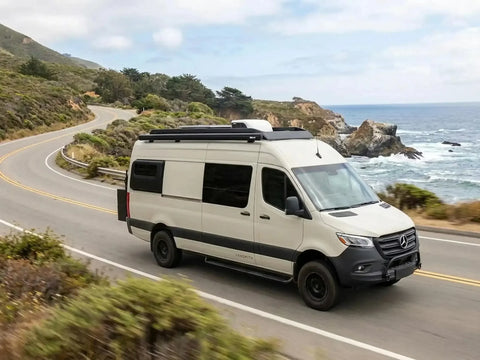
Diesel Sprinter vans often lead the pack. They are known for long highway range and strong torque at lower RPMs. (Mercedes-Benz Sprinter overview)
Average MPG
- 18–22 mpg on highways
- 16–18 mpg combined
Top Models
- Mercedes-Benz Sprinter 2500 High Roof
-
Sprinter-based touring vans with streamlined layouts
Diesel Sprinters shine for long trips. Their fuel use pairs well with smart layouts that balance comfort and function. This reflects our belief that smart designs bring comfort to your journey, even far from paved roads.
Mini-T Campervan (Ford Transit Connect)

If compact travel is your goal, this platform delivers impressive numbers. According to EPA fuel economy estimates for the Ford Transit Connect, properly equipped models can reach mid-20s mpg on the highway, which makes them a strong base for a fuel-efficient camper build.
Average MPG
-
22–25 mpg combined
Top Models
- Ford Transit Connect Mini-T Campervan
- Compact touring vans with lightweight interiors
These compact camper vans are easy to drive and park. They work well for solo travelers or couples who value simple setups. Less weight means less fuel use, which supports careful travel and a lighter impact on the planet.
Winnebago Travato (Ram ProMaster)
The Travato is a popular choice thanks to its efficient gas engine and smart interior flow. Built on the Ram ProMaster chassis, it benefits from the same front-wheel-drive layout and V6 powertrain found in the base van (Ram ProMaster specifications).
Average MPG
-
18–21 mpg combined
Top Models
- Winnebago Travato 59G
- Winnebago Travato 59K
Front-wheel drive helps cut power loss. The low floor also keeps weight in the middle, which boosts mileage. Many travelers compare this layout to a ford transit connect camper rig or a purpose-built transit connect micro camper when they’re hunting for the class B RV with the best gas mileage that still feels spacious.
Ford Transit-Based Class B RVs
Ford Transit platforms strike a strong balance between power and efficiency. The latest Transit vans offer multiple EcoBoost and naturally aspirated engine options paired with a 10-speed automatic transmission (Ford Transit powertrain details), which helps keep RPMs low at cruising speeds.
Average MPG
-
16–20 mpg combined
Top Models
When you compare platforms, it helps to think beyond the window sticker MPG and look at how you’ll really use the van. A diesel Sprinter that gets 20 mpg on the highway might beat a gas rig that looks close on paper if you’re hauling gear into the mountains every weekend. On the other hand, a lighter, lower roof build on a gas platform can beat a tall, fully loaded diesel in city driving. Roof racks, big tires, and heavy inside builds all eat into fuel use.
At The Vansmith, we often suggest starting with the smallest, lightest chassis that still fits your needs, then planning your layout and systems to keep weight under control. Simple moves - like using lighter cabinet materials, sizing your water tanks to what you really need, and skipping extra gear you don’t need - can easily save 1–2 mpg over the life of the van.
Ford Transit builds deserve a closer look here, especially if you’re eyeing transit awd for year-round travel. The AWD system on the modern Transit is always ready, which means it only sends power to all four wheels when traction is needed. In normal use, it acts more like a two-wheel drive van, helping protect fuel use.
Pair that with the EcoBoost engine you can get and a 10-speed gearbox, and you get a platform that can climb snowy passes and washboard forest roads. You can do it without a huge hit at the pump. In our experience, a well-built Transit AWD camper van, kept fairly light and running stock or near-stock tire sizes, can stay in the 16–18 mpg combined range. That holds true even with mountain driving and mixed backroad use.
Real-world driving habits matter just as much as the platform you choose. Keeping speeds around 60–65 mph instead of pushing 75 can add a few miles per gallon, especially in tall, high-roof vans. According to EPA fuel-efficient driving guidance, slower steady speeds, gentle acceleration, and proper tire inflation can improve fuel economy by up to 10–15 percent in many vehicles.
If you’re running a transit awd or any other Class B, think about how often you idle for heating or cooling. Think about whether a better electric system, diesel heater, or air flow setup could cut that time. Over thousands of miles, these small choices add up, letting you travel farther on the same budget and tread a little lighter on the places you explore.
- Ford Transit AWD touring vans
- Transit-based adventure vans with moderate roof height
EcoBoost motors and newer gearboxes help these vans perform well in mixed driving. Their flexibility suits mountain passes, desert highways, and coastal roads alike.
Ram ProMaster-Based Class B RVs
ProMaster vans remain a solid choice for fuel-conscious travelers.
Average MPG
-
17–21 mpg combined
Top Models
- Touring vans on the ProMaster 1500 or 2500 chassis
- Compact ProMaster layouts focused on efficiency
Front-wheel drive boosts traction while keeping fuel use fair. These vans are often lighter than rear-wheel drive options, which helps mileage.
Diesel Class B RV Options
Diesel engines still hold an edge for long-range efficiency.
Average MPG
- 18–22 mpg
- Sometimes higher on steady highway routes
Top Models
- Diesel Sprinter touring vans
- European-inspired diesel Class B layouts
Diesel options last longer and sip fuel at cruising speeds. That toughness aligns with our value of top-notch build quality, made to roam further, where every detail is meant to handle years of travel.
Factors Influencing MPG in Class B RVs
Fuel use depends on more than the badge on the hood. Knowing these factors helps you choose well.
Chassis
Various platforms send power to the wheels in their own ways. Front-wheel drive and newer gearboxes often boost fuel use, mainly in heavy traffic driving.
Vehicle Size and Weight
Shorter wheel lengths, lower roofs, and lighter parts reduce drag and fuel use. Thoughtful layouts matter more than sheer size.
Driving Habits
Smooth takeoffs, steady speeds, and proper tire pressure can improve mileage by 10–15 percent. Even the class b rv with best gas mileage gains from mindful driving.
General MPG Range for Class B RVs
Most Class B RVs fall into a realistic range:
- 15–18 mpg: Larger gas-powered vans
- 18–21 mpg: Efficient gas or lighter layouts
- 20–25 mpg: Compact or diesel-focused options
While numbers vary, Class B RVs remain the best on fuel among RVs with engines. They offer freedom without the fuel demands of larger rigs. As industry data from RVIA shows, smaller motorized RVs typically deliver better fuel economy than Class A coaches or heavy towable setups.
Why Fuel Efficiency Fits the Vansmith Philosophy
At The Vansmith, we believe vans should support how you travel. Fuel-smart platforms pair well with earth-friendly parts and low-draw systems. That approach reflects our promise to tread lighter in every van, so you can explore with care while staying comfortable.
Our Colorado roots mean we test ideas on real roads, from alpine passes to desert highways. We focus on proven layouts, tough build quality, and one-on-one support, so your van feels right from day one and years down the road. If you're comparing RVs for sale, our experience helps you choose a setup designed for real-world travel.
Final Thoughts
Choosing the class B RV for sale with the best gas mileage is about more than saving money at the pump. It is about traveling farther, lighter, and with purpose. Whether you prefer a diesel Sprinter, a compact Transit Connect camper, or a well-rounded ProMaster, the right choice opens the door to longer journeys and deeper trips, and you can also explore the best fuel mileage RVs to find the most efficient options.
Frequently Asked Questions
What is the most fuel-efficient Class B RV platform?
Diesel Sprinter vans are often the most fuel-efficient Class B RV platform, with around 18–22 mpg on the highway and 16–18 mpg combined. Their strong low-end torque and long highway range make them ideal for long-distance travel.
How fuel-efficient is a Mini-T Campervan on a Ford Transit Connect?
The Mini-T Campervan on a Ford Transit Connect typically gets about 22–25 mpg combined. Its compact size and lightweight interior help keep fuel use low while still offering a simple, functional camping setup.
What kind of gas mileage does a Winnebago Travato get?
The Winnebago Travato, built on the Ram ProMaster platform, usually sees 18–21 mpg combined. Its front-wheel drive and low floor help reduce power loss and keep weight centered, which supports better fuel economy.
Is a diesel Sprinter better on fuel than a gas Class B RV?
In many real-world cases, a diesel Sprinter that gets around 20 mpg on the highway can outperform a similar gas Class B RV, especially when hauling gear or driving in the mountains. However, a lighter gas van with a lower roof and simpler build can sometimes beat a tall, fully loaded diesel in city driving.
How does a Ford Transit AWD Class B RV compare for fuel efficiency?
Ford Transit-based Class B RVs generally return about 16–20 mpg combined, depending on build and driving style. Transit AWD gives you better traction and capability while still offering a solid balance between power and fuel use, especially if you keep the build light and simple.
About the author

Eugene Smit
CEO
Eugene is the CEO of The Vansmith, based in Boulder, Colorado. He writes across topics related to van builds, ownership, and the camper van industry.
Read more about Eugene