Mt Whitney permits are required year-round, and the main numbers to know are 100 day-use spots, 60 overnight Mt Whitney Trail spots, and 25 Trail Crest exit spots per day. Which permit works for you comes down to one thing: are you doing a one-day summit push, a classic overnight from Whitney Portal, or a longer Sierra trip that exits over Whitney? That choice shapes your lottery strategy, your backup plan, and even how you set up your food, ride, and sleep plan. Get the permit first, then build the trip around it.
How the Mt Whitney permits system actually works

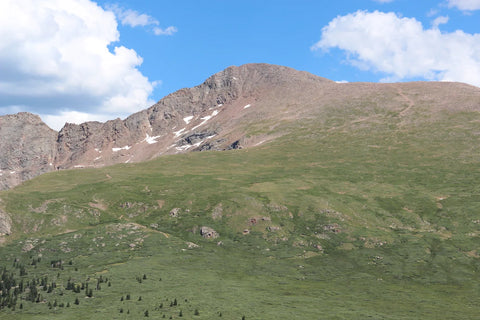
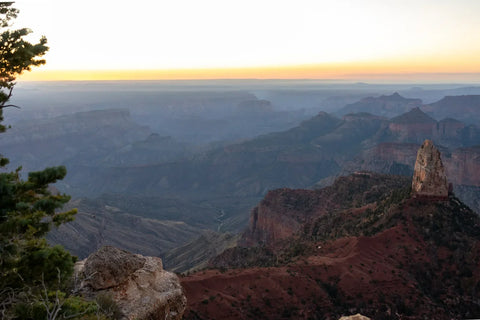
The photo above shows the Trail Crest sign at about 13,600 feet, the point the Trail Crest Exit permit is named for.
A wilderness permit is required for Mt. Whitney all year, not just in the heart of summer. The live Mt. Whitney permit page on Recreation.gov makes that clear, and it matters for anyone eyeing a shoulder-season trip.
Most hikers only look at one path, then get stuck. In practice, the system has a few different permit buckets, and each one creates a different kind of trip. That's why the real question is not just how to get a Whitney permit. It's which permit matches what you actually want to do.
The two main permit types most people mean when they say Mount Whitney permits are Mt. Whitney Zone Day Use and Overnight - Mt Whitney Trail. Those two cover the standard Whitney Portal start, but they do not work the same way. One is a same-day up-and-back. The other is built for a multi-day trip.
There is also a separate Mt Whitney - Trail Crest Exit category. The Inyo quota table shows that this is for hikers who enter from another trail and exit via Whitney Portal. So if your goal is simply to stand on Whitney, and not strictly to start at Whitney Portal, you may have more room to work with.
Demand is higher than quota, which is why the main Whitney trail permits go through a lottery instead of a simple first-come booking. The Van build blog often talks about planning around fixed limits, and Whitney is a good example. A little flexibility goes a long way.
One more thing catches people off guard. There is no reservation waiting list. If you miss the first draw, you are not sitting in an official standby line. You need to watch unclaimed dates, cancellations, and alternate routes yourself.
The three permit categories that shape your trip
Mt. Whitney Zone Day Use permits cover any route in the Whitney Zone that you complete in one calendar day. That means the trip starts and ends within the same day. No camp on route. No stretching it into the next morning.
Overnight - Mt Whitney Trail permits are for multi-day trips that start on the main Whitney Trail from Whitney Portal. If you want the classic backpacking version of Whitney, this is the clean fit. It gives you room to stage the climb instead of doing the whole thing in one push.
Mt Whitney - Trail Crest Exit works differently. The quota is 25 people per day, and you reserve it with another entry trail rather than as a standard Whitney Portal start. That makes it a different planning path from the start, not a backup button you press at the last second.
If your goal is to start and finish at Whitney Portal, you are competing for either day use or overnight main-trail quota. If your goal is just to reach the summit as part of a bigger Sierra route, an alternate entry plus Trail Crest exit can widen your options. That's an important split, and a lot of first-timers miss it.
The permit category also decides if you can build a through-hike or point-to-point trip. Day-use permits cannot be used to pass through or exit Mt. Whitney on a multi-day trip. So when people talk about Mount Whitney trail permits, they are often mixing together permits that work in very different ways.
Why the system feels competitive
The daily quota for Mt. Whitney Zone Day Use is 100 people. The daily quota for Overnight - Mt Whitney Trail is 60 people. Those are the core numbers driving the whole process.
Once you see the fixed supply, the competition makes more sense. Popular summer Saturdays do not get extra space. They still cap out at 100 day hikers and 60 overnight hikers on the main trail.
Both Recreation.gov's lottery overview and Outside's permit guide repeat that same 100 and 60 framework. That consistency is useful. It tells you the scarcity is real, not internet rumor.
If you insist on one exact weekend, your paths shrink fast. A weekday, a broader date range, or a different permit bucket gives the system more ways to fit you in. That's the whole game.
Whitney permit lottery dates, deadlines, and what affects your odds
The live Whitney page lists March 15 for lottery results, April 21 for the claim deadline, and April 22 for unclaimed dates to open. Those are not soft milestones. Miss one, and your strategy changes right away.
The broader Recreation.gov lottery explainer is helpful here because it explains the basic idea. Limited inventory gets spread among applicants through a lottery when demand is higher than supply. Simple enough.
For Whitney, the safest way to talk about odds is to focus on quota pressure and flexibility. The sources here do not give a current Whitney-specific odds dashboard. So we would not invent one, and you should be skeptical of anyone who does.
Date flexibility matters because the quota is fixed by day, while demand moves around with weekends, holidays, and season. Permit-type flexibility matters too, because day use, overnight main trail, and Trail Crest exit come from different buckets. That's often the difference between a dead end and a workable plan.
Current lottery timeline hikers should follow
March 15 is the first date to circle. That is when hikers should check results on Recreation.gov. If you applied, do not assume you will get an email and remember later. Look on the date.
If you are selected, you need to claim the permit by April 21. Miss that deadline, and you can lose it. That sounds obvious, but every year people treat claim dates like suggestions and then scramble.
April 22 is the first big backup date. Any unclaimed lottery dates open then, and because there is no reservation waitlist, that day acts like the first real second chance after the draw. If you did not win, you should already be ready for that switch.
Use the live Recreation.gov page as the final word for current timing. Static brochures are great for learning the system, but the live permit page is what you should trust for active season dates. We say that plainly because timing mistakes are avoidable.
How to think about Whitney permit lottery odds
The Whitney permit lottery works like any other limited-entry lottery on Recreation.gov. If more people apply than there are permits, the system selects from the pool instead of rewarding the fastest click. That means your best lever is not speed. It is flexibility.
The most concrete numbers you have are still the quotas: 100 day-use permits and 60 overnight permits per day on the main trail. Those numbers do not rise just because a summer weekend is popular. So peak dates will usually feel tighter.
Larger groups can also be harder to place on a competitive date. A fixed daily quota has to fit the whole party size. If you need four spots on one exact Saturday, that is a taller ask than one or two hikers with a wider range.
In our view, the smart play is simple: accept more than one date and more than one trip structure. Get the permit first, then build the trip around it. That is more useful than chasing fake odds numbers that no official source has posted.
Day use vs overnight Mt Whitney Trail permits: which should you choose?

The photo above shows dawn over Lone Pine Lake, a common stop on the Mount Whitney Trail. (Photo: NASA / Lauren Hughes)
A Day Use Permit is valid from midnight to midnight on one calendar day. It cannot be used on consecutive days, and it cannot be combined with another permit to pass through or exit Whitney on a longer trip. So it is strict, but it is also clear.
An Overnight - Mt Whitney Trail permit is built for a multi-day trip on the classic trail from Whitney Portal. It may also exit elsewhere, including the John Muir Trail. That opens up a very different kind of itinerary.
The overnight quota is smaller: 60 per day versus 100 per day for day use. That alone can shape your strategy if your only goal is the summit and you are fit for a one-day push. Fewer overnight spots means you should not assume overnight is easier.
If what you really want is the backpacking feel, overnight is the natural fit. If what you want is the summit in one clean effort, day use is cleaner. We'd take that side plainly, because romance about a trip style can lead people to apply for the wrong permit.
When a day-use Whitney permit makes more sense
Day use is the cleaner option for hikers who want one summit attempt and do not need to camp on route. The permit is good from midnight to midnight, so you can start very early without needing separate overnight coverage. For strong hikers, that simplicity is a real plus.
The day-use quota is also larger at 100 per day. That does not make it easy, but it does mean there are more daily spaces than the overnight main-trail bucket. If your goal is summit and return, this is often the most direct ask.
REI's beginner-friendly Whitney guide frames the route as tightly quota-managed, and that is part of why day use appeals to many hikers. You are asking for one day, one objective, one permit. Clean and simple.
Still, it is not a workaround for an overnight plan. If you want to split the climb across more than one calendar day, or descend on a longer through-route, a day-use permit is the wrong tool. That line is firm.
When an overnight Whitney permit is the better call
An overnight permit is for a multi-day trip beginning on the Mt Whitney Trail from Whitney Portal. That gives you more pacing room, because you can spend nights on route instead of compressing the whole effort into one day. For many hikers, that changes the feel of the trip.
It also matters if you want to link Whitney into a broader Sierra route. Recreation.gov notes that overnight permits may exit elsewhere, including the John Muir Trail. So if your trip is bigger than a summit day, overnight starts to make more sense.
The catch is the smaller quota. There are only 60 overnight permits per day on the main trail. So no, you should not assume this permit is easier to get just because it sounds more involved.
Outside's guide is useful context here because it places Whitney inside bigger backpacking plans, including overnight trips that exit over Whitney. Pick based on trip style, not fantasy. If you want camp-based pacing, overnight is the right ask.
What to do if you do not draw a Mount Whitney permit

The photo above shows the Alabama Hills near Lone Pine, public land at the base of the Sierra where you can hike and explore without a Whitney permit. (Photo: Bureau of Land Management)
If you do not draw in the main lottery, your first move is to watch for unclaimed dates on April 22. That is the first official second chance. It is not a side note. It is part of the normal strategy.
There is no reservation waiting list, so you will not be called up automatically. You need to monitor availability yourself. For a lot of hikers, that means staying flexible with work days, drive plans, and where they camp while watching for openings.
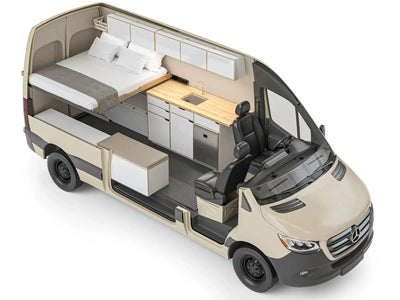
Walk-in permits are available starting at 11 a.m., according to the Forest Service brochure. That can matter if you are already in the area and can move fast. A van basecamp helps with that kind of last-minute pivot, which is one reason some hikers build Sierra trips around a flexible rig instead of fixed lodging. If you are still sorting that setup, our Foundation builds page shows the kind of simple basecamp layout many road-trippers start from.
No-show and print deadlines matter too, because unused permits may drop back into inventory. Backup planning is not a last-ditch move on Whitney. It is part of the plan from day one.
Walk-up permits, cancellations, and no-show timing
The Forest Service brochure says walk-in permits are available starting at 11 a.m. That gives you one more path, but it is not a promise. Think of it as an opening to watch, not a sure thing.
For Whitney Day Use, permits must be printed by noon the day before entry or they may be canceled as no-shows. For Whitney Overnight, permits must be printed by 10 a.m. on the entry date or they may be canceled. Those are the timing windows that can create last-minute movement.
If you are already in the Eastern Sierra, those deadlines matter a lot. A flexible traveler can keep checking Recreation.gov and be ready to move. If you are mapping out that kind of road-based trip, our DIY blog and our process page both speak to how people set up vans for simple, mobile travel days.
We would not overpromise walk-up success. The sources confirm the mechanics, not the odds. So the practical move is to keep checking for returned inventory and stay ready to pivot.
Backup routes if the standard Whitney Portal permit never opens
The clearest official alternate path is Mt Whitney - Trail Crest Exit. The Inyo quota table lists it at 25 people per day, and it must be booked with another entry trail. That makes it a real option for hikers who want Whitney in a longer trip.
This matters because not drawing Whitney Portal does not always mean not hiking Whitney. If you are willing to build a point-to-point Sierra route, alternate entry plus Whitney exit can be more realistic than waiting for the perfect main-trail permit.
Outside supports that broader planning view, and the SEKI Superintendent's Compendium is worth checking if your route interacts with nearby managed terrain. Group and camping rules can shape where you stop and how you space the trip. That is easy to overlook.
If you travel with a partner or family, this is where vehicle setup starts to matter too. Some people want a simple two-person basecamp, while others need room for kids and gear. You can see those different use cases on our vans for couples and family vans pages.
How to build your trip around the permit you get
If you get a day-use permit, build a one-day summit attempt. If you get an overnight Mt Whitney Trail permit, build a multi-day trip from Whitney Portal. If you get an alternate entry plus Trail Crest exit, build a point-to-point or longer backpacking route. The permit you hold decides the shape of the trip.
That means transportation, food carry, and pacing should come after the permit is confirmed, not before. People lock in the dream version first, then try to force the permit to match.
For van travelers, Whitney often works best when the vehicle is a flexible Eastern Sierra basecamp while you watch permit changes and weather windows. A simple high-roof rig makes that easier. If that is the stage you are in, our Sprinter conversions, Transit conversions, and pop-tops pages are a good place to compare basecamp styles.
One opinion from us: we'd skip overplanning before you know your permit type. Most people do too much route dreaming too early, then have to unwind it all. Let the permit define the itinerary.
If you get a day-use permit
A day-use permit gives you one legal hiking window: one calendar day, midnight to midnight. You cannot stack consecutive day-use permits to create a pseudo-overnight plan. That shortcut does not work.
You also cannot combine a day-use permit with another permit to pass through or exit Mt. Whitney on a longer trip. So the best use is an out-and-back summit day. One permit, one day, one summit attempt.
Because the quota is 100 per day, day use can be the most straightforward ask for hikers whose only goal is the summit. It is the simplest legal itinerary, and sometimes simple wins.
If you get an overnight or alternate-entry Whitney permit
An overnight Mt Whitney Trail permit supports a multi-day itinerary on the classic route from Whitney Portal. It can also exit elsewhere, including the John Muir Trail, which matters if your Whitney day is part of a longer Sierra trip. That opens more route design space.
A Trail Crest exit permit is capped at 25 per day and must be paired with another entry trail. So it is not a substitute for a Whitney Portal start. It is a different trip design from the ground up.
If your route touches the broader Whitney management area or nearby SEKI terrain, the park compendium may shape where and how you camp. And if the trip you end up with changes your drive plan, shuttle plan, or sleep setup, you can always customize your van or contact us to talk through a better Sierra basecamp. The same rule still holds: get the permit first, then build the trip around it.
FAQ
Do you need Mt Whitney permits year-round?
Yes. Recreation.gov states that a wilderness permit is required year-round for Mt. Whitney, not only during the main summer quota season. So even if you are planning a shoulder-season or off-season trip, you still need the correct permit.
What is the difference between Mount Whitney trail permits for day use and overnight trips?
A Mt. Whitney Zone Day Use permit is valid for one calendar day, from midnight to midnight. It cannot be used on consecutive days or combined with another permit to pass through or exit Whitney. An Overnight - Mt Whitney Trail permit is for a multi-day trip on the main trail and may exit elsewhere, including the John Muir Trail.
When do Whitney permit lottery results come out?
The live Mt. Whitney permit page says lottery results are posted March 15. If you are selected, you must claim by April 21. Any unclaimed dates open on April 22, which makes that one of the most important backup dates of the season.
What are the quotas for Mount Whitney permits?
The Inyo National Forest quota table lists 100 permits per day for Mt. Whitney Zone Day Use and 60 permits per day for Overnight - Mt Whitney Trail. It also lists 25 per day for Mt Whitney - Trail Crest Exit. That last category is used with another entry trail, not as a standard Whitney Portal start.
Are there walk-up Mount Whitney permits if you do not win the lottery?
Yes, but they are not guaranteed. The Forest Service brochure says walk-in permits are available starting at 11 a.m., and there is no reservation waiting list. Your best shot is to stay flexible, watch for unclaimed dates, and keep checking for canceled or no-show inventory.
What should you do if you do not draw a Whitney permit?
Start by checking unclaimed lottery dates when they open on April 22. After that, monitor Recreation.gov for cancellations and no-shows. If your goal is to include Whitney in a longer backpacking trip, consider an alternate Inyo entry permit paired with a Mt Whitney - Trail Crest Exit permit.
About the author

Electra Chronis
Head of Marketing
Electra leads marketing at The Vansmith. She writes across van life, camping and travel, from planning a trip to choosing and building the van that gets you there.
Read more about Electra