The easiest 14er in Colorado for most true beginners is Mount Sherman at 5.25 miles round trip with 2,100 feet of gain. Which peak is actually easiest for you comes down to what matters most: shortest hike, simplest road access, or the clearest legal place to sleep the night before. That split matters more than people think. A mountain can be easy on paper and still feel stressful if the road is rough, parking is managed, or you're starting from low elevation with no acclimation.
How to choose the easiest 14er in Colorado

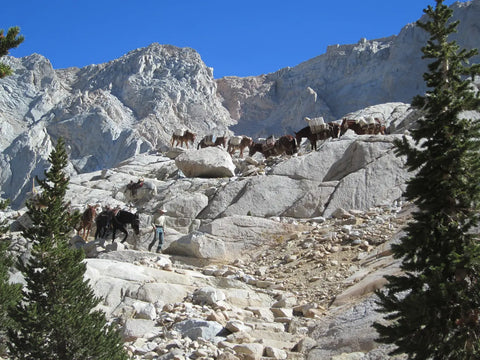
The photo above shows the rocky East Ridge near the summit of Quandary Peak, a Class 1 route with a lot of steady elevation gain.
If you look at beginner-focused roundups on 14ers.com, the same names keep showing up: Mount Sherman, Mount Bierstadt, Grays Peak, Quandary Peak, Handies Peak, and Mount Elbert. That's useful because it narrows the field fast. You don't need to sort through all of Colorado's 14ers for a first summit.
The cleanest way to define an easy 14er is by standard-route facts. Think round-trip mileage, total elevation gain, route-finding, and whether the route stays Class 1 or easy Class 2 terrain, as shown in the 14ers.com difficulty table. Those numbers tell you a lot more than a vague label like beginner-friendly.
Stats alone don't settle it, though. Mount Sherman has the shortest line in this group at 5.25 miles and 2,100 feet of gain, while Mount Elbert jumps to 9.75 miles and 4,500 feet. That's a huge spread. Van travelers usually sort these peaks by three filters first: shortest hike, easiest trailhead access, or the clearest legal sleep option nearby.
That's why the easiest 14er in Colorado isn't one mountain for everyone. It's the one that best fits your fitness, your acclimation, and your logistics. If you're building out trip plans around a road-based adventure rig, having a reliable overnight setup matters almost as much as the trail itself, which is why readers often end up on our van build blog or start thinking through a more dialed setup on Customize your van.
What “easy” actually means on a 14er
Easy is a relative word here. Grays Peak is still 7.5 miles with 3,000 feet of gain, and Quandary is 6.75 miles with about 3,450 feet of gain on the difficulty list. Those are solid mountain days, even before altitude gets involved.
Mount Bierstadt's standard route is rated Class 2 on 14ers.com and listed at 7.25 miles and 2,850 feet of gain. So yes, it is approachable. No, it is not short in the way a casual day hike is short.
Even the easiest beginner peaks still top 14,000 feet. So easy never means low altitude. It means non-technical terrain and friendlier stats than the harder 14ers.
The Colorado Mountain Club makes the same point from a planning angle. Preparation, pacing, and weather awareness matter a lot. For most first-timers, under 3,000 feet of gain feels much friendlier than 4,000-plus, and a clear worn route is often better than a shorter route with messy junctions or braided social trails.
The decision filters that matter most to beginners
If your top goal is the shortest commonly recommended beginner 14er, Sherman is the clear pick. At 5.25 miles round trip and 2,100 feet of gain, it checks the cleanest box for pure efficiency. That's why it lands near the top of so many easy 14ers Colorado lists.
If your top goal is official nearby camping, Bierstadt and Elbert stand out. Recreation.gov clearly lists campgrounds in both approach corridors, which gives you a much more solid night-before plan. For many first-timers, that alone lowers stress more than saving a mile on trail.
If you want a classic Front Range beginner 14er, Grays and Quandary are obvious names. But this is where trail difficulty and logistics difficulty split apart. A mountain can be easy to hike and still be annoying to access.
A conservative first-14er filter is simple: under 8 miles round trip, around 3,000 feet of gain or less, straightforward route-finding, and a paved or commonly passable approach. If your night-before setup is still fuzzy, it may help to think about the kind of van layout that makes these early starts easier, like our DUO XL layout for couples or the roomier Family XL layout for bigger crews.
Ranked list: the easiest 14ers in Colorado for beginners

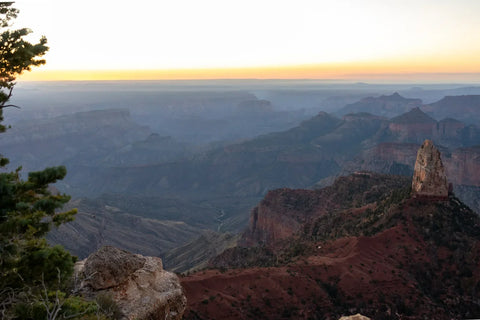
The photo above shows the high alpine ridges near Handies and Redcloud Peaks in the San Juan Mountains, where Handies is one of the easier summits. (Photo: Bob Wick / Bureau of Land Management)
For this ranking, the backbone is the 14ers.com difficulty table because it gives route-specific mileage and gain. That's better than broad labels. It lets you compare the actual day in front of you.
This list covers six peaks that show up again and again on beginner lists: Mount Sherman, Mount Bierstadt, Grays Peak, Quandary Peak, Handies Peak, and Mount Elbert. The order here is practical, not absolute. We're balancing route stats with access and overnight ease, because that's how beginners usually experience the day.
One note on Handies. Its stats are excellent, but it sits deep in the San Juans, far from Denver, and the American Basin trailhead road can require a high-clearance AWD or 4WD vehicle. So it belongs on the list, with that access caveat.
| Peak | Round trip / gain | Access note | Sleep confidence |
|---|---|---|---|
| Mount Sherman | 5.25 miles / 2,100 ft | Road usually fine for many SUVs and good-clearance vehicles | Verify locally |
| Mount Bierstadt | 7.25 miles / 2,850 ft | Moderate hike, simpler overnight corridor | High, official campgrounds nearby |
| Grays Peak | 7.5 miles / 3,000 ft | Classic route, rougher road to upper trailhead | Medium, dispersed notes only |
| Quandary Peak | 6.75 miles / about 3,330-3,450 ft | Great route, managed parking matters | Low, no clear trailhead sleep source here |
| Handies Peak | 5.75 miles / 2,500 ft | Strong stats, remote San Juan access | Verify locally |
| Mount Elbert | 9.75 miles / 4,500 ft | Straightforward route, much bigger day | High, official campground nearby |
Top picks for shortest and simplest first summits
Mount Sherman is still the cleanest answer if you want the shortest and lowest-gain first summit. Its Southwest Ridge route is listed at 5.25 miles round trip with 2,100 feet of gain. That's hard to beat for a true beginner.
The Mount Sherman route page adds an important real-world note. The road to the upper gate is usually fine for many SUVs and good-clearance vehicles, and in dry conditions hikers can often drive higher. That can cut the hiking distance even more.
Bierstadt is longer at 7.25 miles and 2,850 feet of gain, but it has a different kind of advantage. Guanella Pass has official campground options nearby, which makes the whole trip feel calmer. Most hikers want the shortest route. Or they think they do, until they picture arriving at 10:30 p.m. and still hunting for a legal place to sleep.
Grays Peak sits at 7.5 miles and 3,000 feet of gain, so it stays in range for fit beginners. Easy on paper and easy in real life are not always the same thing.
Classic beginner 14ers with more access complexity
Quandary Peak earns its reputation. The Forest Service describes Trail #47 as 3.1 miles one way, starting around 10,850 feet and ending at 14,265 feet, for roughly 3,330 feet of gain. And 14ers.com's Quandary page still calls the East Ridge one of the best beginner 14er hikes in Colorado.
But access matters more now than older easy-14er lists suggest. The Forest Service notes managed or restricted parking on Blue Lakes Road, McCullough Gulch Road, and Highway 9. So even if the trail itself is straightforward, your morning can get complicated fast.
Grays has a similar split. The hike is classic, but the Grays Peak route page notes a rougher road and recommends good clearance. If you're driving a low-clearance daily driver, a slightly longer hike with easier parking can be the smarter first call.
This comes up a lot with vans too. A longer-wheelbase rig may handle a trailhead very differently than a compact SUV. That's one reason readers planning more mountain-road travel often compare platform sizes on our Sprinter conversions and Transit conversions pages before they commit to a build.
Beginner-friendly but bigger days
Mount Elbert belongs on any beginner shortlist, but with a clear warning label. Its Northeast Ridge standard route is 9.75 miles round trip with 4,500 feet of gain. That's non-technical, yes, but it is a much bigger day than Sherman, Bierstadt, Grays, or Quandary.
The 14ers.com easiest 14ers page lists Elbert in its "a bit more difficult/longer" group: the Class 1 route is straightforward, but at 9.75 miles and 4,500 feet it is a much bigger day. Just don't mistake straightforward for short.
Handies Peak has much lighter stats at 5.75 miles round trip and 2,500 feet of gain. On pure numbers, it sits near the easy end of the group. The catch is access: 14ers.com notes the long drive and that the American Basin road may require a high-clearance AWD or 4WD vehicle.
Our take is pretty simple. Sherman or Bierstadt are the safest first picks. Grays or Quandary make good next-step options. Elbert is a beginner 14er if you already know you can handle a long uphill day.
Mileage, elevation gain, and road access compared
The nice thing about this topic is that the key route stats are easy to compare. Sherman is 5.25 miles with 2,100 feet of gain. Handies is 5.75 miles with 2,500 feet. Quandary is 6.75 miles with about 3,330 to 3,450 feet, depending on whether you use the Forest Service sheet or 14ers.com formatting.
Bierstadt lands at 7.25 miles and 2,850 feet of gain. Grays is 7.5 miles and 3,000 feet. Elbert is the clear outlier at 9.75 miles and 4,500 feet.
For most beginners, every extra 1,000 feet of gain changes the day more than a small mileage gap does. Going from 2,100 feet to 3,000 feet is noticeable. Going from 3,000 feet to 4,500 feet is a major jump.
That's why a beginner 14er should be picked with numbers in context. Fame doesn't help your legs on the last mile. A shorter successful day usually does more for your confidence.
Road conditions and vehicle considerations
Grays deserves a road warning. Its route page says the road to the upper trailhead is rougher and recommends good clearance. That's worth taking seriously if you're in a sedan or a heavily loaded van.
The same Grays page mentions restrooms and a few dispersed camping spots near the parking area. That's useful field guidance. It is not the same thing as a clear official overnight authorization.
Sherman's route page is a little friendlier on access. It says the road is usually fine for many SUVs and good-clearance vehicles, and dry conditions often let people drive higher. That access edge is part of why Sherman keeps winning the beginner vote.
Quandary flips the problem. The road guidance is less about roughness and more about managed access. For van travelers, rough roads and tight lots can matter as much as trail stats, especially if you're in a longer rig or arriving late. If that's your style of trip, it can help to look at Foundation builds or our build process to think through what kind of setup actually makes these trailhead starts easier.
How to use the numbers to pick your peak
If your fitness is still a question mark, stay in the 5- to 7-mile range with roughly 2,100 to 2,850 feet of gain. That points you toward Sherman, Handies, and Bierstadt. Those are the most forgiving stats in this group.
If you're already comfortable on long 13ers or steep lower-altitude hikes, Grays or Quandary can make sense as a first 14er. You still need to plan for access and altitude. The Colorado Mountain Club is very clear on that.
Elbert is best framed as the easiest route on Colorado's highest peak, not the easiest beginner 14er overall. If two peaks look similar on mileage, choose the one with less gain and simpler access unless the location really tips the scale. That's usually the better first summit.
One thing a lot of hikers overlook is how much a poor night of sleep changes the next day. That's a strong argument for choosing the mountain that fits your current condition, not your social feed.
Where you can legally sleep near Colorado's easiest 14ers
This is the part that gets fuzzy online, so it's worth being precise. Official campground listings are verified overnight options. Route-page notes about dispersed camping are useful, but they are not the same thing.
For Bierstadt, you have two clear Recreation.gov options in the corridor: Guanella Pass Campground and Clear Lake Campground. For Elbert, Elbert Creek Campground is the cleanest official option.
Grays is less clear. 14ers.com notes a few dispersed spots near the parking area, but that should be treated as field guidance, not a blanket legal guarantee. Quandary is also less clear for sleeping because the Forest Service source gives strong parking guidance without clearly authorizing trailhead overnight stays.
For readers in vans or trucks, a backup sleep plan matters. Developed campgrounds near beginner 14ers can fill fast in peak season. That is one place where a comfortable van setup really helps, whether you're traveling as a couple in one of our vans for couples or planning a bigger crew in our family vans.
Best verified overnight options for Bierstadt and Elbert
Guanella Pass Campground is one of the strongest overnight picks for a beginner 14er. It sits right in the Bierstadt access corridor and is bookable through Recreation.gov. It is also listed at about 10,900 feet, which can help you start acclimating before summit day.
Clear Lake Campground gives Bierstadt hikers a backup on the same road corridor. It's listed as first-come, first-served and sits about four miles south of Georgetown. Having that second option matters on busy weekends.
Elbert Creek Campground is just as useful on the Elbert side. It has 17 first-come, first-served sites at 10,000 feet near the Mount Elbert and Mount Massive trailheads. That's a very practical setup for people who want a legal overnight stop and a shorter morning drive.
For first-timers, an official campground usually beats an uncertain pullout. It cuts down guesswork around overnight parking, bathrooms, and your start time.
What to say carefully about trailhead sleeping
Grays is the best example of why wording matters. The route page mentions dispersed camping spots near the parking area. That is not the same as an official campground listing with explicit overnight rules.
Quandary needs the same caution. The Forest Service warns about parking restrictions on nearby roads, so you should not assume you can just sleep in a roadside pullout. That may be the easiest way to ruin an early start before the hike even begins.
Sherman also needs a careful read. Sherman's route and road are well documented, but there is no equally clear official campground or trailhead-sleeping rule. So the honest answer is simple: verify locally.
That caution matters even more for van travelers. Overnight parking rules are often stricter than daytime parking rules. Planning-wise, this is one more reason Bierstadt and Elbert can be easier for beginners than their trail stats alone suggest. If you're trying to sort out a road-trip setup that makes these trips smoother, our DIY blog and contact page are good next stops.
Altitude acclimation and first-14er planning tips
The Colorado Mountain Club stresses that a 14er is not just a low-mileage fitness test. It takes preparation, weather awareness, and realistic planning. That's true even on the easiest routes in this guide.
All of these peaks top 14,000 feet, and several trailheads or nearby campgrounds start around 10,000 to 10,900 feet. Quandary's trail starts around 10,850 feet and climbs to 14,265 feet. That's a lot of time spent high, even on a route that looks short on paper.
An overnight at a high campground like Guanella Pass or Elbert Creek can help some hikers ease into summit day. It can also save you from a long pre-dawn drive. For most beginners, arriving the day before, sleeping high if legally possible, and choosing a shorter route is the best acclimation move.
And if you're already feeling altitude symptoms at camp or the trailhead, take that seriously. The easiest 14er in Colorado that day may be the one you skip. Hard truth, but a useful one.
Acclimation strategy for a beginner 14er
Sleeping near the trailhead does two jobs at once. It gives you a much earlier start, and it gets you at least some exposure to 10,000-plus-foot elevation before the climb. That can make summit morning feel less abrupt.
Quandary is a good reminder that mileage can fool you. Even though it can look manageable on paper, a route that starts around 10,850 feet and tops out at 14,265 feet still keeps you in thin air for hours.
If you're coming from low elevation and you're not sure how you'll feel, Sherman or Bierstadt is usually a better first call than Elbert. The stats are less punishing. The planning can be cleaner too.
In practice, fatigue from poor sleep, a long dark drive, and altitude stacks up fast. For van travelers, the best setup is often a legal overnight stop, an early breakfast, and a route short enough that a turnaround still feels like a good day outside.
The safest beginner mindset
The Colorado Mountain Club is right to frame 14ers as serious mountain outings. That helps push back on the common mistake of treating a beginner route like a casual walk. Even the easiest options here run from 5.25 to 9.75 miles and 2,100 to 4,500 feet of gain.
Logistics can unravel the day before the hike really starts. Parking management at Quandary and rough-road cautions at Grays prove that. A beginner who turns around because of weather, fatigue, or altitude is making a good call.
If you want the most realistic first summit, start with Sherman or Bierstadt. Move to Grays or Quandary next. Save Elbert for the day when a long non-technical climb sounds fun instead of intimidating.
FAQ
What is the easiest 14er in Colorado for a true beginner?
By pure standard-route stats, Mount Sherman is the strongest candidate. 14ers.com lists its Southwest Ridge at 5.25 miles round trip with 2,100 feet of gain. For some beginners, though, Mount Bierstadt may feel easier overall because official nearby camping on Guanella Pass makes the night-before logistics much simpler.
Which easy 14ers in Colorado have the shortest hikes?
On 14ers.com, Mount Sherman is listed at 5.25 miles round trip, Handies Peak at 5.75 miles, and Quandary Peak at 6.75 miles. But mileage is only part of the story. Quandary also gains about 3,330 to 3,450 feet, so it is a tougher day than Sherman despite the modest distance.
Can you sleep at a 14er trailhead the night before?
Sometimes, but you should not assume trailhead sleeping is legal everywhere. The clearest official overnight options are official campgrounds near Mount Bierstadt and Mount Elbert. Grays has route-page notes about dispersed camping, and Quandary has parking restrictions without a clear trailhead overnight authorization.
Is Quandary Peak a good beginner 14er?
Yes. Quandary is widely seen as a beginner-friendly 14er because its East Ridge is one of Colorado's best-known first 14er hikes. The catch is access. The Forest Service notes managed parking restrictions on Blue Lakes Road, McCullough Gulch Road, and Highway 9, so logistics matter more than older guides suggest.
Do I need altitude acclimation for a beginner 14er?
Yes. Even the easiest beginner peaks still top 14,000 feet, and trailheads or nearby campgrounds in this guide sit around 10,000 to 10,900 feet. Sleeping near the trailhead the night before can help with timing and some acclimation, but it does not make altitude irrelevant.
About the author

Carin Smit
President
Carin is President of The Vansmith. She writes on a range of topics tied to the business, from vans and builds to the broader vanlife world.
Read more about Carin