The photo at the top shows the cliffs of Wheeler Peak, at 13,063 feet the highest point in the park, rising above a boulder field. (Photo: NPS / Tae Kim)
Great Basin National Park is best planned around one key fact: its main sights split between Lehman Caves and the 12-mile Wheeler Peak Scenic Drive. Where your trip lands depends on road status, cave tour timing, and which campground you choose. That shapes everything from whether you can reach the bristlecones to how rushed your day feels. In a park this remote, sleeping in or near the park often makes the whole visit work better.
How to plan a Great Basin National Park visit around access
Great Basin National Park looks simple on a map, but the visit rarely works like one tight sightseeing loop. The big draw is the split between the lower Lehman Caves area and the higher stops along Wheeler Peak Scenic Drive. The official park brochure lays that out clearly, and it matters more here than in many parks.
The paved scenic road is the spine of the trip. Recreation.gov describes Wheeler Peak Scenic Drive as a 12-mile paved road that climbs toward overlooks, trailheads, campgrounds, and the bristlecone grove. Once you see that layout, your itinerary gets easier to build.
Road access is the first filter. The NPS conditions page notes that Wheeler Peak Scenic Drive closes in winter and may also close after snowfall. So before you pick hikes, campgrounds, or even a cave tour day, check whether the upper mountain is actually reachable.
That remote feel is part of why people like this park. National Geographic points out that Great Basin is one of the least-visited national parks. If you want quiet trails, dark skies, and fewer crowds, that's a real plus.
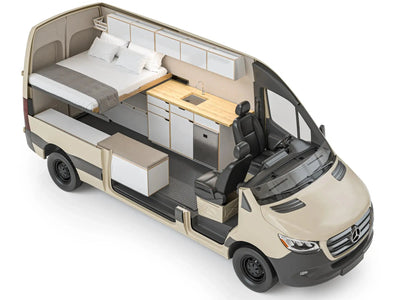
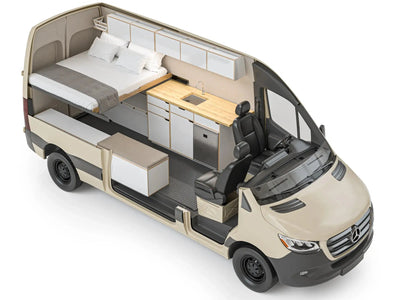
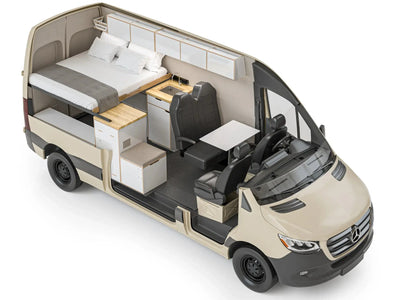
Great Basin rewards sleeping close. A self-contained van gives you easier early starts, less backtracking, and more freedom if weather shifts or cave tour times move. If you're still thinking through layout and off-grid needs for trips like this, our customize your van page is a good place to start.
Seasonality and road status matter more here than in many parks
The National Park Service is pretty direct about checking current status for Wheeler Peak Scenic Drive. This is not a year-round access road, and shoulder season can fool people who expect summer-style access. Spring and late fall can look open down low while the upper road stays shut.
The same weather patterns often affect campgrounds too. The NPS conditions page also tracks closures at Wheeler Peak Campground, Baker Creek, Upper Lehman Creek, and Grey Cliffs. That means your sleeping plan and your sightseeing plan are tied together.
Travel Nevada frames Wheeler Peak Scenic Drive as the main route to the high-country scenery, bristlecones, and camping. We think that's the right way to look at it. Check the road first.
If the scenic drive is closed, the lower park matters more. Lehman Caves and the visitor center become the anchors of a shorter visit, and that can still make for a worthwhile stop. For shoulder-season van trips, onboard heat and insulated sleeping space make cold nights much easier to handle. That's one reason so many people look hard at Sprinter conversions for remote mountain travel.
The best trip flow depends on where you sleep
Camp choice shapes your whole day here. The campgrounds along or near Wheeler Peak Scenic Drive work best for sunrise starts, alpine walks, and bristlecone access. If your dream day starts high on the mountain, camp high on the mountain.
Lower Lehman Creek and Upper Lehman Creek sit closer to the middle section of the corridor. Wheeler Peak Campground, by contrast, is near the end of the scenic drive and closest to the upper trailheads and bristlecone area. Recreation.gov calls out that location directly, and it explains why hikers like it so much.
Staying outside the park can still work, but you lose flexibility. First-light hiking, dark-sky viewing, and quick same-day changes all get harder when you have a longer drive in and out. For couples planning this kind of trip often, our vans for couples collection shows the kind of layouts that make remote park overnights feel simple.
Plan for the drive between camp and trailhead, because it is easy to underestimate on remote park trips. Great Basin really rewards a camp-first strategy more than a commute-in strategy.
Wheeler Peak, the bristlecones, and the scenic drive: which stops are worth prioritizing

The photo above shows a weathered bristlecone pine in the Wheeler Peak grove, with the peak behind it. The grove is reached by trail from the end of Wheeler Peak Scenic Drive. (Photo: NPS)
Wheeler Peak is the park's signature mountain, but you do not need to summit it to get the best high-country feel. The scenic drive and upper trail areas already put you in the alpine zone, and the bristlecone grove is one of the main reasons to go up there. For many first visits, that corridor gives the highest return on time.
The park brochure names the Wheeler Peak bristlecone pine grove as a distinct destination reached from the scenic drive. Recreation.gov also ties Wheeler Peak Campground to access for the grove. That's a strong hint that the upper road is where many first-time visitors should focus.
Travel Nevada groups Wheeler Peak, ancient bristlecones, and dark skies as the park's core high-country experience. National Geographic also points readers toward short-hike options near the bristlecone area. So if your time is tight, we'd focus on overlooks, the grove, and one alpine walk rather than trying to touch every trail.
From a van-travel angle, this is exactly the kind of day where your rig helps. Layers, hot drinks, and a solid lunch waiting back at camp change how a high-elevation afternoon feels. If you like simple, ready-to-go layouts for trips like this, the DUO XL layout is worth a look.
Wheeler Peak for hikers vs scenic visitors
National Geographic treats Wheeler Peak as a major draw, but not the only one. That's useful, because it keeps the park from feeling summit-or-bust. Scenic visitors can still reach dramatic mountain terrain without committing to a full peak day.
The upper end of Wheeler Peak Scenic Drive is built for access to trailheads and mountain scenery. So even if you skip the summit, you still get into the part of the park that feels most alpine.
If you're deciding on a full Wheeler Peak day, think about elevation, weather, and daylight. Also think about whether you want to fit in Lehman Caves that same day. When you can, split them into separate days.
A high-country day usually beats a rushed summit-and-cave combo. The scenic-drive-and-bristlecone plan still leaves energy for stargazing. If your goal is the classic Great Basin experience, the upper scenic drive usually gives a better reward-to-effort ratio.
Why the bristlecone grove is a must-do
The official brochure does not treat the bristlecone grove like a side stop. It names it as a real destination. That matters, because it tells you this is one of the park's defining places, not just a quick pullout.
Travel Nevada also describes the trees as ancient, placing them right alongside caves and dark skies in the park's identity. For many visitors, this is the memory that sticks.
National Geographic includes the bristlecone area among the short-hike highlights. That makes it a smart pick for mixed hiking abilities or for travelers who want a high-elevation experience without a huge mileage day.
Because the grove sits in the high country, access depends on the same road conditions as the rest of the scenic drive. For photographers, the area pairs especially well with golden-hour light and a nearby campsite. If you're traveling with kids and want a layout built around easy transitions from trail to dinner to bed, our family vans page shows what that looks like.
Lehman Caves tours: how to get tickets and fit them into your day

The photo above shows the dense stalactites, stalagmites, and columns inside Lehman Caves, which you can only see on a ranger-led tour. (Photo: Dexter Perkins, CC0)
Lehman Caves is one of the park's signature stops. Travel Nevada and National Geographic both list it right alongside Wheeler Peak and the bristlecones. So for a first visit, it makes sense to treat the cave as a headline attraction, not an optional extra.
The timing piece matters here. The park's Current Projects page says Lehman Caves tours can be reserved on Recreation.gov up to 30 days in advance, with same-day walk-up tickets sold at the Lehman Caves Visitor Center starting at 8 a.m. when staffing allows. Walk-up tours are not guaranteed and tickets are card only. Since cave access and operations can change, the NPS conditions page is still worth checking before you go.
Because cave tours run on a set schedule, they often work best as the fixed-time anchor of the day. Scenic-drive stops are easier to move around. In practice, that means many visitors do better with cave tour first, mountain stops second.
For van travelers, that rhythm usually feels smoother. You handle the timed piece in the morning, then head uphill for overlooks, a walk, and camp setup later. If you're building a van around this kind of park use, our Foundation builds page shows a practical starting point.
What visitors need to know before arriving
The most current cave details may show up on the Current Projects page, not just on broad overview pages. That's easy to miss. We would check both the cave updates and the conditions page before leaving home.
Walk-up spots are limited and not guaranteed, so reserving ahead on Recreation.gov matters, especially on busy travel dates or if you want a certain tour slot. If the cave is your non-negotiable stop, don't leave that timing to chance.
Lehman Caves sits near the lower park entrance area. That makes it easier to pair with Lower Lehman or Upper Lehman camping than with a same-morning drive down from Wheeler Peak Campground. If cave touring is the top goal, sleeping lower the night before is often the smoother move.
Families usually do better when the cave is the centerpiece and the rest of the day stays flexible. A long hike right after the tour can turn the day into a grind. If you want more trip-planning ideas for builds and travel rhythm, our van build blog has more on how people actually use these rigs.
How to pair Lehman Caves with scenic-drive stops
The park layout makes this pairing pretty clean. You can tour Lehman Caves, then continue uphill on Wheeler Peak Scenic Drive for overlooks, bristlecones, and campground check-in. Since the road is paved and linear, it works well as an afternoon continuation.
There is one main exception. If weather looks shaky later in the day, driving the scenic road first may be smarter, but only if you've already figured out cave ticket timing. That tradeoff is why checking road and cave status before arrival matters so much.
Still, trying to do Lehman Caves, Wheeler Peak, and dark skies all in one day can feel rushed. A slower pace usually wins here.
Two nights is the sweet spot. One day covers caves and lower-park orientation. The next day handles the upper scenic drive, bristlecones, and stargazing.
Great Basin camping: which campground fits your trip

The park map above shows the layout of Upper Lehman Creek Campground along Wheeler Peak Scenic Drive, with its site numbers, restrooms, and campground rules. (Map: NPS)
For in-park camping, the NPS campground page is the best place to compare Lower Lehman Creek, Upper Lehman Creek, and Wheeler Peak Campground. Those three choices line up with three different trip styles. Once you know your morning priority, the choice gets easier.
If Wheeler Peak, alpine trailheads, and the bristlecones are your focus, Wheeler Peak Campground is the strategic pick. Recreation.gov places it at the end of the scenic drive, which puts you closest to the high country. That's hard to beat for an early trail start.
If you want a more balanced trip, Lower Lehman Creek and Upper Lehman Creek sit in a more central spot along the main corridor. They make cave access easier while still keeping the scenic drive within reach. Travel Nevada also leans into camping along the scenic drive as one of the best ways to enjoy the park's scenery and night skies.
Campground choice here is less about amenities and more about position. Lower camp helps with cave timing. Upper camp helps with hiking and bristlecones. If your van is self-contained, you can pick the campground for location instead of infrastructure, and that's a real advantage.
Lower Lehman vs Upper Lehman vs Wheeler Peak Campground
The brochure and campground pages place Lower Lehman and Upper Lehman along the route into the scenic-drive corridor. Wheeler Peak Campground sits farther up the mountain. So the three options are really three different launch points.
Wheeler Peak Campground is best for hikers and for travelers who want immediate access to the upper-elevation attractions. Lower Lehman Creek makes the most sense if you want to stay close to Lehman Caves and the visitor center. Upper Lehman Creek lands in the middle and can be a nice compromise.
The right pick comes down to what you want first thing in the morning. Cave tour check-in, scenic-drive photos, or a trailhead start all point to different camp choices. Adventure couples often like upper camps for quieter evenings and easier stargazing, while families often prefer lower camps for simpler logistics.
If you're still sorting out what kind of rig fits your travel style, our Transit conversions page is useful for comparing layouts built around couples or family travel. Interior flow matters a lot on cold, high-elevation nights.
Booking and closure realities
All Great Basin campgrounds require reservations through Recreation.gov, and vehicles over 24 feet are not allowed on Wheeler Peak Scenic Drive beyond Upper Lehman Creek Campground, which rules out Wheeler Peak Campground for longer rigs. The NPS campground page helps with the bigger picture, because it shows how each campground fits into the park's road system. Use both.
The conditions page is also essential because campground status can change with season and weather. You should not assume the highest campground is open just because lower campgrounds are accessible. Great Basin does not work that way.
In a van, a backup plan matters. If an upper campground closes, being able to sleep comfortably lower down can save the trip. Remote parks punish late planning more than busy gateway parks do, because the fallback may be a much longer daily drive, not just a different block of town.
If you're mapping out a build for this kind of flexible travel, our process page explains how people think through systems, storage, and sleeping setup before the first trip. Those choices show their value fast in places like this.
Dark skies, one-day vs two-day trips, and the best Great Basin strategy for van travelers

The photo above shows a bristlecone pine under the night sky, one of the reasons to stay a second night: Great Basin is one of the darkest places in the lower 48. (Photo: NPS)
Travel Nevada puts dark skies right alongside caves and mountain scenery as one of the park's core draws. National Geographic's take on Great Basin as a remote, lightly visited park backs that up. This is the kind of place where evening camp time is part of the trip, not just downtime between hikes.
A one-day visit usually forces a choice. You can build a cave-centered day or a high-country-centered day, but trying to fully do both often feels rushed. A two-day plan works better for most people because it gives you one scheduled attraction, Lehman Caves, and one flexible scenic day built around Wheeler Peak Scenic Drive.
Camping along the scenic drive puts you in a much better spot for sunset and post-dark stargazing than driving in from outside the park. That is where a capable camper van changes the whole feel of the trip. You can stay for stars, skip a long night drive, and wake up already in position for the next stop.
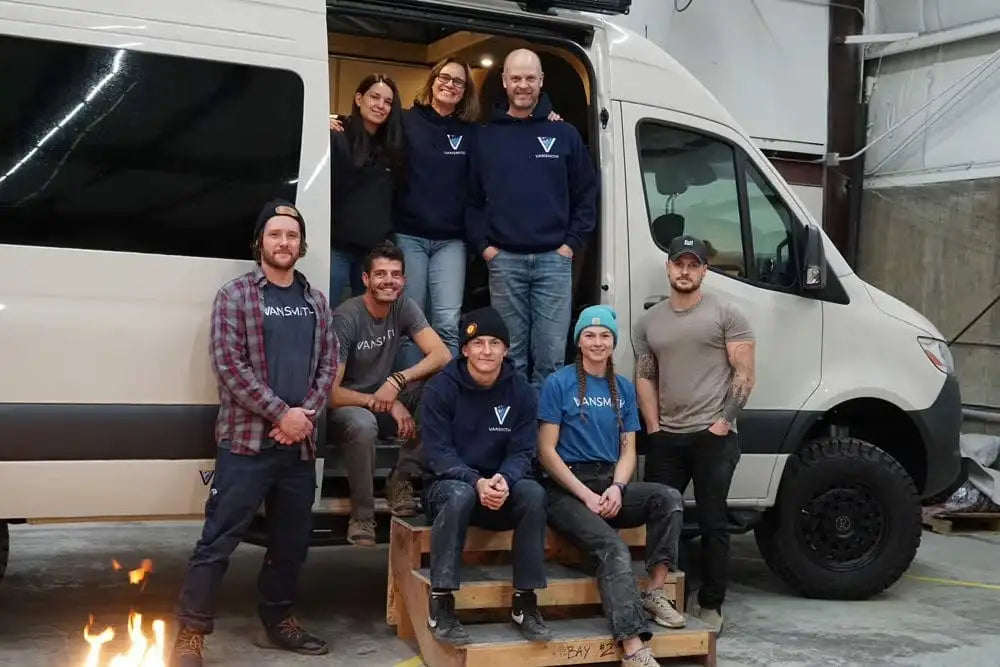
The Vansmith builds Sprinter and Transit camper vans for couples and families. Ready-built Bivy models take about 8 to 10 weeks, and tailored builds about 12 to 16 weeks. If you want to talk through a remote-travel setup, you can contact us or browse our DIY blog for more planning ideas.
Best strategy for a one-day visit
If you only have one day, start with road status. If Wheeler Peak Scenic Drive is open, you can combine a cave tour with a partial upper-mountain outing. If it is closed, keep the day focused on lower-park experiences and don't fight the conditions.
For most one-day visitors, the best mix is Lehman Caves plus part of the scenic drive, not a major hike. You get variety without turning the day into a sprint.
If afternoon weather looks shaky and your cave tour is already booked for later, flip the order and drive the scenic road first. That protects the most weather-sensitive part of the day. The biggest mistake is underestimating how long you'll want at overlooks, in the cave area, and just sitting with the quiet.
Van travelers can make a one-day visit feel much less rushed by arriving the night before and sleeping nearby or in the park. That small change buys you time where it counts.
Why two days is the better call for most visitors
Two days gives you room to separate fixed-time cave touring from weather-dependent high-country exploring. That alone makes the trip feel calmer. You stop forcing the park into one long day and start using its layout to your advantage.
A practical two-day structure is simple. Use day one for the lower park and Lehman Caves. Use day two for Wheeler Peak Scenic Drive, the bristlecones, and dark-sky viewing.
Travel Nevada's emphasis on camping, scenic driving, and stargazing supports staying overnight rather than treating Great Basin as a pass-through stop. National Geographic's quieter, less-crowded framing points the same way.
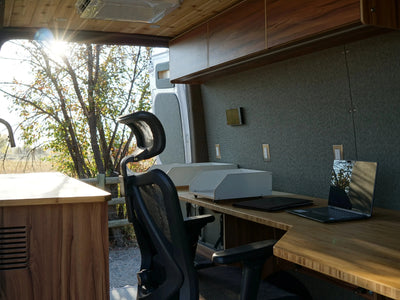
Remote parks like this are where insulated sleeping space, organized gear storage, and dependable off-grid systems stop feeling optional and start feeling useful. That's true whether you're looking at one of our Sprinter builds, a Transit setup, or a family layout like the Family XL. The less time you spend reshuffling gear, the more time you get in the places you came to see.
FAQ
What are the top things to do in Great Basin National Park?
The signature experiences are Lehman Caves, Wheeler Peak Scenic Drive, the Wheeler Peak bristlecone pine grove, alpine hiking near Wheeler Peak, and dark-sky viewing. Official park materials group those stops together, and Travel Nevada does too. If you only have a short visit, those are the places to build around.
Is Wheeler Peak Scenic Drive always open?
No. The National Park Service says Wheeler Peak Scenic Drive closes in winter and can also close after snowfall. The same conditions can affect nearby campgrounds, so check the park's alerts and conditions page before you lock in your plan.
How do I get Lehman Caves tour tickets?
Reserve on Recreation.gov up to 30 days ahead. The park also sells same-day walk-up tickets at the Lehman Caves Visitor Center starting at 8 a.m. when staffing allows, but they are not guaranteed and are card only. Since cave operations can change, it is smart to check the conditions page too. If the cave is your top priority, arrive early.
Which Great Basin camping area is best for hiking Wheeler Peak and seeing the bristlecones?
Wheeler Peak Campground is the best in-park choice if your focus is upper-elevation hiking and access to the bristlecone grove. Recreation.gov places it at the end of the 12-mile scenic drive, which keeps you closest to the high-country part of the park. That saves time in the morning and makes sunset easier too.
Can you visit Great Basin National Park in one day?
Yes, but most people will need to choose between a cave-focused day and a high-country-focused day if they want to avoid rushing. A strong one-day plan is usually Lehman Caves plus a partial drive up Wheeler Peak Scenic Drive. Two days is better if you want caves, bristlecones, and dark skies without cramming it all together.
About the author

Electra Chronis
Head of Marketing
Electra leads marketing at The Vansmith. She writes across van life, camping and travel, from planning a trip to choosing and building the van that gets you there.
Read more about Electra