The photo at the top shows the Davidson River on a summer morning where it runs past Davidson River Campground in Pisgah National Forest. (Photo: USDA / Lance Cheung)
Davidson River Campground near Brevard, NC, is a year-round Pisgah basecamp with eight loops, hot showers, flush toilets, and quick access to major stops along U.S. 276. Which site works for you comes down to your setup size, how much privacy you want, and whether your trip leans more toward fishing, family camping, or short waterfall outings. That mix is why loop choice matters here more than it does at smaller forest campgrounds. For many campers, the best site is simply the one that fits well.
Why Davidson River Campground in Brevard, NC, stands out

The photo above shows a camper out for an early-morning run on one of the shaded campground loop roads, a good picture of the quiet, wooded feel of the place in summer. (Photo: USDA / Lance Cheung)
Davidson River Campground sits in Pisgah National Forest near Brevard, and the official listing shows it open year-round. That alone makes it more flexible than many mountain campgrounds that shut down in colder months. If you like shoulder-season trips, that matters right away.
The campground has eight loops, which gives it a bigger and more structured feel than a small creekside campground with a single road. Because of that, loop choice is a real planning step, not an afterthought. You are not just booking Davidson River. You are booking a specific part of it.
Official amenities are a big part of the appeal. Recreation.gov lists hot showers, flush toilets, picnic tables, tent pads, lantern posts, and fire rings or grills, while the Pisgah Ranger District Recreation Directory also confirms showers, flush toilets, a dump station, and year-round camping. If you want bathhouses and a little more comfort, this is one of the more developed campgrounds in the district.
Location is the other big draw. The official district map places the campground close to Looking Glass Falls, Sliding Rock, Pink Beds, and the state fish hatchery area. That makes Davidson River a strong weekend base, because you can stack a lot into a short trip without long daily drives.
For van travelers, campgrounds like this tend to reward compact, self-contained setups. Loop roads, driveway limits, and the shape of each site often matter more than the broad campground description.
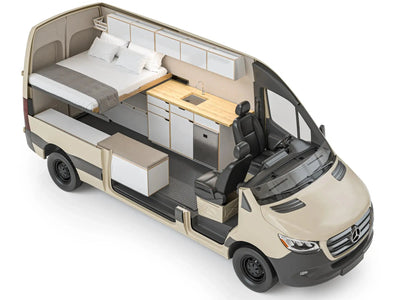
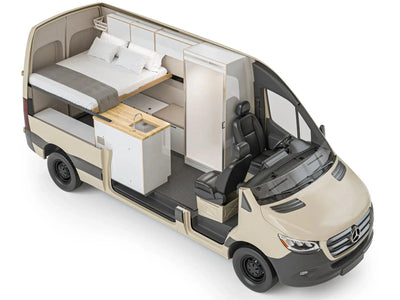
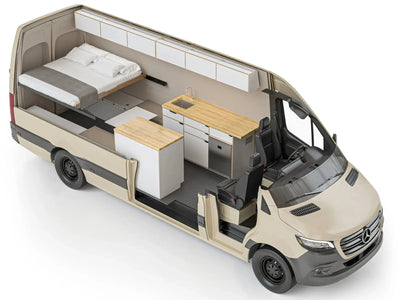
If you're comparing van layouts for trips like this, it helps to look at real storage and sleep setups before you book a vehicle around a dream itinerary. Our Sprinter conversions and Transit conversions show the kinds of compact, road-ready builds that fit developed campgrounds well.
Who this campground fits best
Davidson River is a strong fit for campers who want a developed basecamp, not a remote backcountry feel. You get easy access to hiking, roadside waterfalls, and a campground with real facilities. That lowers the workload of a multiday stay.
Families and first-time Pisgah visitors often do well here because showers and flush toilets remove a lot of friction. A muddy kid, a rainy afternoon, or a cold morning feels much easier with a bathhouse nearby. For group travel, that can be the difference between fun and a long weekend that drags.
Anglers also have a built-in advantage, because the campground sits on the Davidson River corridor, a well-known trout destination in western North Carolina. Before you fish, check the North Carolina Wildlife Resources Commission for the current river classification and rules for the stretch you plan to use.
Waterfall-focused travelers are in a sweet spot too. Visit North Carolina's Pisgah overview highlights the same nearby marquee stops that make this campground so popular. You can also use Davidson River as a base for official trails like Pink Beds Loop and Moore Cove Trail without burning half the day in the van.
This campground is less ideal if your whole goal is seclusion. It is popular, developed, and close to headline attractions along a major scenic route. For a lot of van owners, that trade is worth it.
If you travel with kids, our family van conversions give a good sense of how people handle wet gear, food, and sleep space on trips just like this. Couples planning a Blue Ridge road trip can also get ideas from our vans for couples collection.
What to know before you commit
It also means demand is not just a summer issue.
The official listing covers check-in, check-out, quiet hours, and vehicle limits, so site choice is about more than scenery. A site can look great in photos and still be wrong for your setup.
The Forest Service directory notes that some sites are reservable through Recreation.gov, and seasonal first-come availability can also matter. That means you should separate the broad campground idea from the actual inventory you can book. Convenience is a huge reason people choose Davidson River, and it is also why reservations matter.
The district map helps explain the popularity. So many major attractions sit close together that the campground works especially well for short weekend stays.
For camper van travelers, this is a good reminder that campground usability often beats sheer van size. Shorter wheelbase vans usually have the easiest time with mixed site inventory. If you're still planning your build, our custom camper van page and our process page can help you think through how you actually travel.
Loop-by-loop: how to choose the right Davidson River campsite

The photo above shows a tent and pickup set up on a site along one of the loop roads. Picture your own rig in a spot like this when you compare loops for driveway length and shade. (Photo: USDA / Lance Cheung)
The official campsite pages on Recreation.gov are the best way to compare Davidson River loop options. They identify loop names such as Appletree, Poplar, Dogwood, Riverbend, and Roadside, and they show details that the main campground page cannot cover. If you want the real picture, start with the individual site pages.
Those pages often list max RV length, trailer length, driveway length, and whether the site is back-in or pull-through. That matters far more than a generic line that says a campground fits RVs. A van, trailer, or truck camper can all read the same summary and still need very different site shapes.
Some site descriptions also include notes like bathhouse nearby, water spigot across the road, or generator restrictions. Those small details are often what make one site feel easy and another feel annoying by day two. Site photos help too, especially for tree cover, backing room, and pad layout.
Because inventory is mixed, treat Davidson River as a site-by-site booking campground. Don't assume every loop works equally well for tents, vans, trailers, or larger rigs. Roadside and river-adjacent names can hint at tradeoffs, but the exact site page tells the truth.
For van travelers, the best sites are often not the longest ones. Many campers want the biggest site until they see what it costs in privacy and easy leveling. Flat entry, door swing room, and bathhouse access usually matter more.
If you're thinking through compact layouts for campground-heavy travel, our Foundation builds and DUO XL layout show how simple, efficient interiors can make quick overnight stops much easier.
Best loops for tents, vans, and larger rigs
Recreation.gov site pages provide the max vehicle or equipment length for individual sites, and that should be your first filter. For RVs, trailers, and extended camper vans, this is the detail that keeps booking mistakes from happening. A nice loop name does not help if the driveway is too short.
Back-in versus pull-through status matters a lot too. On a quiet weekday, a back-in site may feel easy enough. On a busy arrival day in a wooded loop, that same site can feel very different.
Tent campers should pay close attention to tent pad details, not just vehicle fit. A site can work well for a van or trailer and still feel awkward for tents. That is especially true when the usable camp area is split between the driveway and the pad.
Some sites are better for larger rigs because their listed driveway or equipment lengths are more generous than nearby sites in the same loop. Smaller self-contained vehicles usually gain access to more workable inventory because they can fit shorter driveways and tighter back-ins. That's one reason 144-inch Sprinter and standard-length Transit owners often have an easier time in older forest campgrounds.
If you are booking late, stay flexible on loop preference. Filter for fit first, then look at the loop. A less-hyped site that fits your gear is usually better than forcing a popular loop that turns arrival into work.
Bathhouse, generator, and quiet-stay tradeoffs
Several site pages include notes such as bathhouse nearby or water spigot across the road. Those comments can be more useful than the broad amenity list on the main campground page. For families, tent campers, or anyone without a full onboard bathroom, that convenience adds up fast.
Generator restrictions can also vary by loop or site, and some pages note that no generators are allowed on a loop. That makes the individual listing essential reading. If you rely on onboard power, a quiet loop may be a much better match anyway.
Sites near loop roads or utility points often trade ease for less privacy. Light sleepers should pay attention to that, especially in a popular campground. Official photos can reveal whether a site feels tucked into trees, open to the road, or close to shared-use spots.
A well-designed van with enough battery, ventilation, and heat lets you choose the quieter site instead of chasing one near every shared facility. If you want ideas for power and comfort upgrades, our van build blog and DIY blog cover the kinds of systems that make short campground stays easier.
Reservations, fees, and the best booking strategy
Recreation.gov is the official booking platform for Davidson River Campground, and it is the first place to check availability, operating status, and site rules. The listing notes that peak dates are limited and best reserved ahead, while some winter availability may be first-come, first-served. So yes, spontaneity can work here, but not always in the season you want.
Site-by-site pricing and status can shift, and that is what you need at booking time.
Because Davidson River is year-round and close to major attractions, demand is not limited to summer. Spring, fall color, and waterfall season can all be competitive. If you need a specific site type, your booking window matters more than you may expect.
The practical question is often not can I get a site. It is can I get a site that fits my equipment length and camping style. For road-trip travelers, booking developed campgrounds early is usually what keeps the trip smooth instead of forcing a last-minute compromise.
When to reserve Davidson River camping
Official guidance says peak dates are limited and best reserved ahead, so spring, summer, and fall weekends deserve early planning. That is especially true if your trip lines up with waterfall season or a holiday weekend. People come here for more than fishing.
Winter can offer some first-come, first-served availability, which is useful if you are flexible on loop and site type. Shoulder seasons can be a smart middle ground, because the campground stays open while nearby hikes and roadside waterfall stops are still easy to reach. For van travelers, this is also when good insulation and reliable heat matter most.
If you need a longer driveway, pull-through access, or a specific generator policy, reserve earlier than a tent camper with more options. The more filters you add, the faster inventory narrows.
If you need help building a van for shoulder-season travel, our contact page is the best place to start a real conversation.
What the official fees and rules mean in practice
The Forest Service directory lists Davidson River with a minimum fee, but the live Recreation.gov listing is where you should check current pricing. It is also the main source for cancellation terms, occupancy limits, and temporary updates. Old screenshots are not enough here.
Vehicle limits matter more than some groups expect. A site may sleep your group just fine, but separate arrival vehicles can still create a problem if the listing has strict limits. This is easy to overlook when everyone is focused on the campsite photo.
Check-in and check-out windows can shape your first and last day. It helps to plan an arrival day around nearby roadside stops instead of assuming you can roll straight into camp. Looking Glass Falls or a short stop at the fish hatchery area makes more sense than sitting around waiting for site access.
A site that looks affordable can still be wrong if your rig length, trailer setup, or generator use does not match the details. Self-contained vans often gain flexibility here because they can use smaller, simpler sites comfortably. That is one reason compact vans travel so well through developed forest campgrounds.
Fly fishing the Davidson River from camp

The photo above shows an angler fly fishing the Davidson River right by the campground, which is why so many people book here as a fishing basecamp. (Photo: USDA / Lance Cheung)
The NC Wildlife Resources Commission is the official source for trout regulations, trout-water classifications, and license details for the Davidson River. Anglers should not assume the same rules apply to every section. Different stretches can fall under different trout-water management.
That means checking maps and regulations before the trip is essential. Legal methods, harvest rules, and seasonal restrictions can vary by water classification. If you build your whole trip around fishing one stretch, you want that answer before you book camp.
The district map helps with physical orientation, especially if you are pairing fishing with nearby public recreation landmarks. Davidson River Campground works well for anglers because it is developed, central, and comfortable. You can fish in the morning, head back to camp, and still fit in a short hike or waterfall stop later.
For van-based anglers, one of the biggest perks is simple camp rhythm. Fish early. Come back for lunch, dry layers, or a gear swap. Head back out without tearing down your whole setup.
Regulations and licenses to check first
North Carolina fishing rules and trout-water classifications are maintained by NCWRC, and that should be your final authority before any trip. This is where you confirm whether your chosen stretch is hatchery supported, delayed harvest, or managed another way.
License and trout-privilege needs should also be checked before arrival. Do not rely on old blog posts or local hearsay for this part. Seasonal and section-specific restrictions can change what is allowed on the water.
If fishing is the anchor of the trip, regulation checks should happen before campsite booking. That way your camp location lines up with the legal water you intend to fish. Sorting it out after you arrive usually makes the trip harder than it needs to be.
How to build a fishing-focused campground stay
A campground base on the Davidson corridor lets you fish in short windows instead of turning every outing into an all-day drive. That is a big advantage if weather shifts or if other people in your group want a different pace. You can split the day without splitting the trip.
Because Davidson River Campground has showers and flush toilets, it is a comfortable option for multiday fishing stays. Wet waders, muddy shoes, and cold mornings are easier to deal with when camp has real facilities. Families often appreciate that even more than the anglers do.
The nearby fish hatchery and wildlife education area can round out the trip if not everyone is fishing. Easy trails in the area also make it simple to split the day between anglers and non-anglers. If you are carrying rods, waders, coolers, and extra gear, pick your site carefully because cramped sites feel small in a hurry.
Shoulder-season fishing trips can be especially appealing because the campground stays open year-round. For that kind of travel, we would prioritize vans with organized exterior-access storage, durable flooring, and dependable heat. Wet gear has a way of taking over a small space if the van is not laid out well.
Waterfalls and trails near Davidson River Campground

The photo above shows Looking Glass Falls in fall, right beside U.S. 276 a short drive up the road from the campground. (Photo: U.S. National Archives, Forest Heritage Scenic Byway)
The official district map places Davidson River Campground near Looking Glass Falls, Moore Cove Falls, Sliding Rock, Pink Beds, and the Pisgah Center for Wildlife Education and State Fish Hatchery. That cluster is one of the campground's biggest strengths. You can build a full weekend without driving all over Pisgah.
VisitNC's Land of Waterfalls page notes that the broader Brevard area has more than 250 cascades. That gives you a sense of the wider region, even if you only hit the closest headline stops. The easy-access concentration near U.S. 276 is what gives Davidson River a real edge over more remote Pisgah campgrounds.
For van travelers, this area rewards simple camp setup. You can leave camp for a two-hour waterfall stop and come back without rebuilding your whole day. That kind of rhythm is a big reason compact, organized vans feel so nice on trips like this.
Best easy hikes from camp
Pink Beds Loop is listed by the Forest Service as about 5.0 miles and easy. That makes it a solid half-day walk for campers who want more trail time without jumping to a hard mountain route. It is long enough to feel like a real outing, but still approachable.
Moore Cove Trail is listed at about 0.7 miles and easy, with Moore Cove Falls at the end. That is a much quicker stop, and it fits well on an arrival day or a waterfall-heavy itinerary. Families and mixed-ability groups usually appreciate having both options nearby.
The district map helps connect these hikes to the campground and road network along U.S. 276. Because both are official Forest Service trail options, the mileage and difficulty are more dependable than crowd-sourced estimates. For van trips built around a campground like this, easy trail access is a big part of the appeal.
Waterfall stops worth adding to your itinerary

The photo above shows Sliding Rock, the natural water slide farther up U.S. 276, on a busy summer day. (Photo: USDA)
Looking Glass Falls is one of the signature roadside waterfall stops in the Pisgah area, and it shows up on both the official map and VisitNC's Pisgah overview. It is the kind of stop that works for almost any traveler, even on a short weekend. You do not need a huge time block to enjoy it.
Sliding Rock is another major nearby stop shown on the official map and featured by VisitNC. Moore Cove Falls pairs well with it if you want one short walk mixed into a driving day. That gives you a nice balance between roadside access and a little trail time.
Brevard's identity as the Land of Waterfalls means you have many more options if you want to extend the trip. Still, the close concentration near U.S. 276 is the real win for weekend campers. Families often find these short-access attractions easier than long mountain hikes every day.
A van with good bug screens, ventilation, and quick lunch access makes waterfall hopping much easier between stops. If that sounds like your style of travel, our Family XL layout is worth a look for family trips, and many couples lean toward simpler two-person layouts that keep lunch, layers, and wet shoes easy to manage.
FAQ
Is Davidson River Campground in Brevard, NC, open year-round?
Yes. Recreation.gov lists Davidson River Campground as open year-round, and the Pisgah Ranger District Recreation Directory also identifies it as a year-round campground. That makes it one of the more flexible Pisgah National Forest camping options for shoulder-season and winter trips. If you like quieter travel windows, that is a real advantage.
How many loops does Davidson River Campground have?
The official Recreation.gov listing says Davidson River Campground has eight loops. That matters because loop and site choice affect generator rules, bathhouse access, and whether a site fits a tent, camper van, trailer, or larger RV. At this campground, the loop is part of the decision, not just the backdrop.
When should I reserve Davidson River camping?
Recreation.gov says peak dates are limited and best reserved ahead, while some winter inventory may be first-come, first-served. If you need a site with specific length limits, pull-through access, or generator rules, book as early as possible because those filters shrink your options fast. Flexible campers can wait longer, but equipment-specific campers usually should not.
Can you fish the Davidson River from the campground area?
Yes, but you need to verify the exact trout-water classification and current regulations for the section you plan to fish. The NC Wildlife Resources Commission is the official source for trout regulations, licenses, trout privileges, and seasonal or section-specific restrictions on the Davidson River. Check that first, then build the rest of your trip around it.
What are the best nearby hikes and waterfalls from Davidson River Campground?
For easy hikes, the Forest Service lists Pink Beds Loop at about 5.0 miles and easy, and Moore Cove Trail at about 0.7 miles and easy. Nearby headline stops include Looking Glass Falls and Sliding Rock, both shown on the official Pisgah Ranger District map and highlighted by VisitNC. That mix is a big reason so many campers use Davidson River as a weekend basecamp.
About the author

Carin Smit
President
Carin is President of The Vansmith. She writes on a range of topics tied to the business, from vans and builds to the broader vanlife world.
Read more about Carin