The photo at the top shows a roped mountaineer on skis skirting a deep crevasse in Denali National Park, the kind of glacier terrain that separates alpinism from hiking. (Photo: NPS)
Alpinism and mountaineering are forms of mountain travel that mix hiking, snow travel, rope systems, and hazard judgment, not just fitness or summit drive. Where you land inside that broad answer depends on one thing: whether your objective adds steep snow, glacier travel, or technical rope work. Once those pieces show up, the day changes fast. You need movement skills, gear that fits the terrain, and enough judgment to turn around before a small problem grows into a big one.
What alpinism and mountaineering actually mean

The photo above shows a rope team climbing toward the 11,000-foot camp on Denali's Kahiltna Glacier. Glacier travel on a rope is one of the clearest lines between mountaineering and ordinary hiking. (Photo: NPS / Ken Hill)
REI's mountaineering basics guidance treats mountaineering as a blend of off-trail hiking, snow travel, glacier travel, and sometimes rock climbing. That matters because alpinism and mountaineering are not one clean sport with one clean skill set. A single route can ask you to hike in trail shoes at dawn, kick steps by midmorning, and manage a rope later the same day.
That overlap is what confuses most beginners. You might look at a peak and think it is just a harder hike, then find exposed snow, short rock steps, or a glacier crossing waiting above the trail.
American Alpine Institute's Alpinism 1 course shows what the sport includes at the beginner level: rope work, glacier travel, crevasse rescue, self-arrest, crampon technique, belaying, and rappelling. That list helps draw a clear line. If the mountain asks for technical systems and judgment because of terrain, weather, or objective hazards, you are in alpinism, not just hiking uphill.
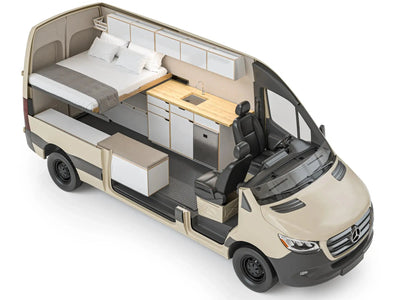
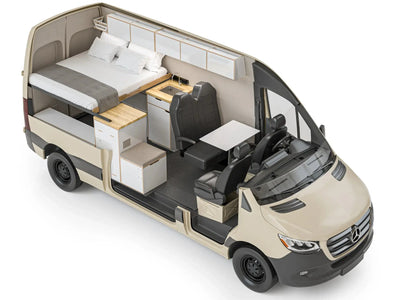
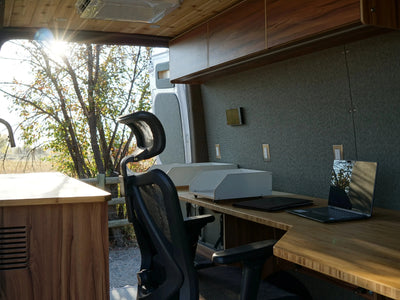
The safety side matters as much as the movement side. The National Park Service climbing safety page puts route knowledge, gear checks, communication, weather tracking, and self-rescue planning right at the center. That's a useful frame for van travelers too. If you're using a Sprinter as a basecamp, a look at our Sprinter conversions shows why so many mountain users build around storage, heat, and sleep before early starts.
How it differs from hiking
Ordinary hiking usually stays on a trail and leans hard on endurance. Mountaineering often leaves the trail, crosses snowfields, moves through exposed terrain, and forces you to find your own line. You are not just following signs anymore.
REI calls out snow travel, glacier skills, and ice-axe use as the point where a mountain day becomes something else. Olympic National Park adds loose rock, unstable snow, severe weather, and hard navigation to the mix on alpine routes. Those are normal hazards there, not rare surprises.
On glaciated peaks like Mount Olympus, the Park Service notes that glacier and crevasse-rescue skills are part of the job. A strong hiker may feel fit enough for the climb and still be missing the key systems.
Retreat is different too. On a trail, turning around is often simple. On an alpine route, you may still need to descend steep snow, manage a rope, or solve a complex way down, which is why judgment matters so much. If your van trips are moving from trailheads to bigger mountain goals, our van build blog covers the kind of setup choices that make those transitions smoother.
How it differs from rock climbing
Rock climbing can focus on one pitch, one wall, and one movement problem. Alpine climbing adds the whole day around that climbing: the long approach, the weather, the descent, and the shifting mix of snow, ice, and loose rock. The hardest move on the route may not be what decides the outcome.
Black Diamond's alpine gear overview makes that point well. Pack choice, traction, approach systems, and shelter can matter just as much as the rack. Efficiency often beats pure climbing strength in the mountains.
AAI includes basic rock skills inside a broader alpine curriculum, which shows how broad the curriculum is. Belaying and rappelling still matter, but they are only pieces of the larger system. A gym climber may already know those parts and still be brand new to snow travel, glacier systems, weather calls, and routefinding.
The Park Service also warns climbers not to assume fixed gear is maintained or inspected. That matters more in alpine terrain, where you cannot count on a tidy crag setup. If your trips start with nights at the trailhead, our Transit conversions show why simple sleep and gear access can matter as much as any summit plan.
The core skills every beginner needs first

The photo above shows a climber on a rope inside a crevasse on Mount Rainier. Rope work and crevasse rescue are why formal instruction matters before your first glaciated climb. (Photo: NPS / Anna Stifter)
Across REI and AAI, the same beginner skills keep coming up: snow travel, crampon technique, ice-axe use, self-arrest, rope basics, glacier travel, and crevasse-rescue fundamentals. That repeat is helpful because it separates true basics from gear-shop noise. Mountaineering basics are pretty clear once you look past the hype.
Fitness alone does not cover this ground. You can be strong, fast, and very used to suffering on steep hikes, yet still be unready for a glaciated peak. The NPS safety guidance keeps pushing the same idea: know the route, stay within your ability, and plan for self-rescue instead of hoping someone else solves the problem.
For many beginners, the first real choice is not which summit to chase. It is whether to take a course before trying steep snow or glacier terrain. That is the smarter fork in the road.
Movement skills on snow and ice
REI treats ice-axe use and snow travel as early skills because they affect balance and fall consequences right away. A slip on firm snow is not a small mistake. It can speed up fast.
Self-arrest is a standard beginner skill because it gives you a response when that slip starts to run away. AAI teaches self-arrest and cramponing together for a reason: how you move and how you stop are linked.
Crampon technique matters more than many beginners expect. Poor footwork can snag clothing, trip you up, or cost traction on firm snow. Most people need controlled practice before summit day, because this is not the kind of skill you want to improvise at sunrise on a steep slope.
Snow skills grow in importance as routes shift from dry summer trails to spring snowfields and glaciated terrain. That progression is worth respecting. If you're sorting gear storage and wet boot management for those shoulder-season trips, our custom van page gives a sense of how people build for real mountain use.
Rope systems, glacier travel, and rescue basics
Glacier travel changes the whole picture because crevasse risk enters the day. That is why rope-team travel and crevasse rescue sit inside beginner alpinism courses, not advanced-only ones. Once you step onto glaciated terrain, rope systems become part of normal travel.
REI names glacier travel and crevasse rescue as threshold skills for glaciated peaks. AAI adds belaying, rappelling, knots, and hardware familiarity to the beginner roadmap. Carrying rope gear without knowing how to use it is not being prepared. It is just carrying weight.
Communication and gear checks matter more when people are tied together. The NPS stresses both before a climb, and that makes sense. A simple knot mistake or poor command can ripple through the whole team.
A realistic progression is to learn these systems in a course, then practice them before trusting them in remote terrain.
Judgment, navigation, and weather awareness
Judgment is the quiet skill that sits behind all the others. The NPS emphasizes knowing the route, checking weather, planning for emergencies, and making sure your team can communicate clearly. Those steps sound simple, but they shape the whole day.
Olympic National Park lists severe weather and navigation challenges as normal alpine hazards. REI also frames mountaineering as mentally demanding because conditions can change all day long. You are always reassessing, not just moving upward.
Turn-around times matter for the same reason. Summit success means very little if weather, darkness, or softening snow turn the descent into the hardest part.
Routefinding in mountaineering also goes beyond picking the right trail junction. You may need to choose the safest line through snowfields, around rock bands, or across glacier features. That judgment layer is why even seasoned hikers often benefit from formal instruction before stepping into alpine climbing.
Gear for alpine climbing and mountaineering basics

The photo above is a 1969 NPS image of climbing rangers preparing for a search and rescue at Camp Muir, about 10,000 feet up Mount Rainier. The era-specific gear has changed, but the core categories have not: a pack, an ice axe, warm layers, and glacier travel equipment all still come along on a climb like this. (Photo: NPS)
Alpine gear works best when you think in systems. Black Diamond's guidance centers on balance: bring as little as possible, but not so little that you give up traction, protection, or emergency margin. That is one of the clearest ideas in all of alpine gear planning.
Compared with hiking, mountaineering adds specialized tools like crampons, an ice axe, a helmet, rope gear, and sometimes glacier rescue gear. Compared with cragging, it often puts more weight on footwear, pack design, layers, and emergency or overnight systems. The route decides the kit.
The NPS also reminds climbers to inspect gear before every climb and not assume fixed anchors are maintained. That is a useful brake on beginner shopping lists. A full glacier kit is not a universal checklist, and a light summer walk-up does not need the same setup as a glaciated Cascade route.
The non-negotiable personal gear categories
A helmet belongs on the essentials list because the NPS explicitly recommends helmet use for safe climbing practice. That call makes sense on loose alpine terrain, where rock and ice can come from above as easily as from your own movement.
For snow routes, an ice axe and crampons move from optional to essential. REI treats them as core mountaineering tools because they support travel and self-arrest. Layering matters too, since alpine days can swing from hard uphill effort to wind and cold in very little time.
Boot and traction compatibility is easy to overlook. Your footwear has to match the crampon system and the route's conditions, or the whole setup gets shaky. Navigation and emergency items deserve the same respect, since poor visibility or an off-route descent can change the day quickly.
Condition-based packing is the right frame. A dry walk-up peak and a glaciated route are different sports in some ways. If your home base is a couple's van set up for early starts and wet gear, our vans for couples page shows the kind of layouts people use for this style of travel.
What changes when the route gets technical
Once the route adds technical rock, Black Diamond points to alpine draws, light cams, nuts, and belay or rappel gear as common tools. AAI includes belaying and rappelling in intro alpinism for the same reason. Even beginner routes can demand short technical sections or controlled descents.
Rope gear grows in importance on glaciers because teams may need to travel roped and respond to a crevasse fall. Pack design, approach shoes or boots, and shelter systems also matter more in alpine terrain, where the approach and descent can be as serious as the climb itself.
A standard rock rack is often too heavy or too narrow for alpine use, where low weight and versatility matter more. Technical gear only helps if you have practiced with it. Rescue tools can create false confidence when training is missing.
How to train for alpinism and mountaineering
Training for alpinism and mountaineering starts with a plain question from REI: what does your chosen objective actually demand? Once you know that, your prep gets much clearer. Endurance, strength, and pack-carry specificity matter more than generic gym fitness.
Training hikes should mimic summit-day duration, pack weight, and elevation gain as closely as you can manage. That helps you test pacing, food, layers, and foot care before the real climb. It also shows whether you can still make good decisions late in the day.
REI is also blunt that fitness does not replace technical skill. You can be fit enough to grind through a climb and still be unready to manage snow, rope, or rescue problems.
Build sport-specific endurance
REI recommends cross-training that matches long mountain movement, not just short hard workouts. Summit days often run much longer than a normal hike, especially once technical terrain slows the pace. Endurance needs to reflect that reality.
Training hikes are especially useful because they build fitness and teach pacing under real conditions. They also expose small issues early, like hot spots, bad fueling, or a pack that rides poorly. Those lessons are cheap in training and expensive on the mountain.
Gym climbers often underestimate the aerobic side. Hikers often underestimate how much technical terrain slows everything down. Objective-based training keeps both groups honest, because you train for the route you want rather than a vague idea of being in shape.
Add strength and pack-carry practice
Strength work matters because carrying a pack over uneven terrain taxes your legs and core in a different way than flat cardio. REI points to pack-carry specificity for good reason. Mountaineering loads usually include layers, traction, food, water, and often technical gear.
Repeated uphill days with a pack help expose fit issues early. Shoulder pain, pacing mistakes, and heel rub all show up fast when the load gets real. That kind of practice is a clean bridge from hiking fitness to mountaineering readiness.
Downhill training matters too, since many alpine descents happen when you are most tired. Strength work is most useful when it supports movement economy on climbs and descents, not when it chases big lifting numbers for their own sake.
Pair fitness with formal instruction
REI recommends guided trips or classes when technical skills are part of the objective. AAI's beginner pathway backs that up with a clear progression through knots, hardware, self-arrest, glacier travel, and rescue. Formal instruction is often the safest on-ramp.
This matters most before glaciated peaks, where rope systems and rescue skills are part of normal travel. The NPS safety guidance supports the same conservative approach by stressing ability matching and emergency prep.
For most beginners, a course shortens the learning curve and cuts down on bad habits with crampons, ice axes, and rope systems. If your van is your mobile basecamp for classes and training weekends, our DIY blog has ideas that help you think through gear-heavy use without overcomplicating the setup.
Beginner-friendly U.S. objectives and how to choose your first one
The best first objective is not the most famous peak. It is the one that matches your current skills and lets you practice systems in a controlled way. That is why the decision framework matters more than any long list of mountains.
AAI points beginners toward progression, not bucket-list thinking. There is also a useful split between three starts: a non-technical high peak, a snow-climb learning objective, and a glaciated guided climb. Those are very different first steps, even if all three end on a summit.
Olympic National Park is a good reminder that iconic peaks are not always beginner peaks. Mt. Olympus requires glacier and crevasse-rescue skills, which means fame should never be your filter. Route character, season, technical systems, and rescue consequences should drive the call.
A realistic first glaciated objective: Mount Baker

The photo above shows Mount Baker from the Heather Meadows area of Mt. Baker-Snoqualmie National Forest, with its glaciers draping the upper mountain. (Photo: USDA Forest Service)
Mount Baker is a clear beginner objective because AAI uses it for Alpinism 1. It is widely treated as a classic first glaciated objective when paired with proper instruction.
Baker has strong teaching value because it combines snow travel, glacier travel, rope systems, and summit logistics in one setting. It feels like real mountaineering, not a watered-down version. For many people, that makes it a better first big goal than a random harder hike.
Still, Baker is glaciated. It is not a substitute for hiking fitness alone, and beginner-friendly does not mean hazard-free. A guided ascent or course-based climb often makes more sense than a self-led first try.
Why some famous peaks are not true beginner choices
Mt. Olympus is the easy example here because Olympic National Park states plainly that glacier and crevasse-rescue skills are required. That makes it a poor unguided choice for beginners without formal training. The mountain may look scenic in photos, but the systems behind it are real.
The park also points to loose rock, unstable snow, severe weather, and navigation challenges. Those hazards can turn a pretty objective into a serious alpine problem fast.
NPS safety guidance keeps pulling the same thread: choose routes within your ability and prepare for self-rescue. A conservative first season often means skills clinics and guided snow or glacier routes before independent alpine plans.
How to choose your own first alpine objective
If your background is hiking, ask whether the route adds snow travel, exposure, or glacier hazards. Each one changes the prep required in a real way. If your background is rock climbing, check for long approaches, routefinding, crampon travel, and descent systems outside your normal comfort zone.
Use route knowledge, weather, communication plans, and emergency planning as go or no-go filters. The NPS treats those as baseline practices, not bonus points. A first objective should let you practice efficiency and judgment, not just survive the hardest day possible.
Guided climbs and formal courses are often the best first objective because they pair instruction with real terrain. The best beginner path is progressive: trail fitness, snow skills, rope basics, then glaciated climbs. If you're building a van around that kind of mountain progression, our contact page is the place to start the conversation.
FAQ
What is the difference between alpinism, mountaineering, and hiking?
Hiking usually follows established trails and leans mostly on endurance. Alpinism and mountaineering often add off-trail travel, snow travel, exposure, ice-axe use, glacier hazards, and technical judgment. REI draws that line with snow travel, glacier travel, and self-arrest, while Olympic National Park adds loose rock, unstable snow, and severe weather as normal alpine hazards.
Do beginners need a course before trying alpine climbing?
If the route includes steep snow, glacier travel, or rescue systems, a course or guided climb is usually the safest start. REI recommends formal instruction for those conditions, and AAI's beginner curriculum includes self-arrest, cramponing, rope work, glacier travel, and crevasse rescue because those are foundational skills. A course also helps you build good habits before the terrain gets serious.
What skills are most important in mountaineering basics?
The core beginner skills repeated across the sources are snow travel, crampon technique, ice-axe use, self-arrest, rope basics, glacier travel, crevasse rescue, routefinding, and weather judgment. The NPS adds route knowledge, gear inspection, communication, and emergency planning to that list. Put simply, judgment matters as much as movement.
How should I train for my first mountaineering objective?
REI recommends training that matches the climb you want to do. Build endurance for long days, add strength for carrying a pack, and do training hikes that mimic the route's load, duration, and elevation gain. Pair that fitness with technical instruction so you are not physically ready but technically behind.
Is Mount Baker a good beginner mountain?
Mount Baker is widely treated as a classic first glaciated mountaineering objective, and AAI uses it for Alpinism 1. That makes it a strong first real mountaineering goal when attempted with instruction. It still requires glacier awareness, rope systems, and crevasse-rescue training, so it is not just a harder hike.
What gear makes alpine climbing different from rock climbing?
Alpine climbing usually needs a broader system than crag climbing. Black Diamond highlights approach footwear, pack choice, traction, and shelter along with a light rack, while REI points to crampons and an ice axe for snow travel when conditions call for them. The NPS also recommends helmets and reminds climbers not to assume fixed gear is maintained.
About the author

Electra Chronis
Head of Marketing
Electra leads marketing at The Vansmith. She writes across van life, camping and travel, from planning a trip to choosing and building the van that gets you there.
Read more about Electra