Oregon hot springs are worth driving to by van when the spring matches your rig, the season, and your overnight plan. Which end of that answer you land on comes down to access type: a developed soak like Summer Lake or Crane works very differently from a hike-in stop like Bagby or Terwilliger. That split matters fast once gates close, roads get slick, or camping rules change. For most van travelers, the easiest wins are the places where you can soak, park, and sleep without guessing. The photo at the top of this guide is Umpqua Hot Springs in the Umpqua National Forest, one of the natural springs covered below. (Photo: USDA Forest Service, Pacific Northwest Region)
How to choose the right Oregon hot springs for your van trip

The photo above shows the lower pool at Umpqua Hot Springs in the Umpqua National Forest, one of several mineral-rimmed pools that sit on a hillside above the North Umpqua River. Umpqua is a good example of why access type matters: it is a natural spring with a short walk in, a $5 vehicle parking fee, and a longer hike in winter when the road gate is closed. (Photo: USDA Forest Service, Pacific Northwest Region)
A useful list of hot springs in Oregon needs to sort places by how you actually reach them. Travel Oregon's statewide roundup mixes roadside and resort stops with hike-in springs, and that can blur two very different trip styles. Summer Lake and Crane are simple soak-and-stay destinations. Bagby and Terwilliger ask more from your day.
Season changes the plan more than many first-time visitors expect. Travel Oregon notes Forest Road 19 to Terwilliger is not maintained for snow and ice in winter, and Umpqua can turn into a longer walk when the road gate is closed. A stop that feels easy in July can feel like a different trip in November.
Some geothermal spots people mention online are not soaking stops at all. The BLM page for Mickey Hot Springs says the pools are dangerously hot and not for soaking. The BLM's Alvord Desert page also says Borax Lake hot spring is not suitable for swimming, so that one is a sightseeing stop, not a bath.
For van travel, the real call is comfort versus remoteness. Developed resorts tend to give you easier parking, reservations, and overnight options. Natural springs often come with trail access, day-use limits, or stricter behavior rules. A common mistake is planning around scenery first and logistics second. That's backwards for a long-wheelbase van.
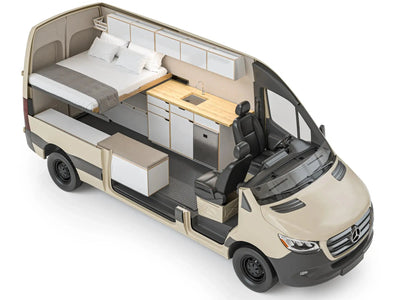
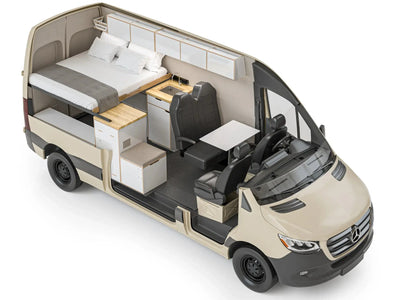
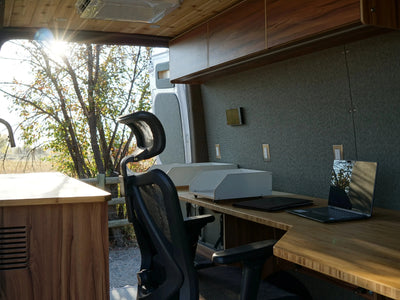
Your rig matters too. A Sprinter or Transit can handle many of these trips well, especially with good tires and a calm route plan, but desert mud, winter gates, and rough spur roads change the equation fast. If you're shaping a van around shoulder-season soaking trips, usable heat, battery power, and stable road manners matter more than pretty add-ons. If you're still sorting that out, our pages on Sprinter conversions and Transit conversions show the kind of platforms people usually choose for this sort of travel.
Natural springs vs resort hot springs
Travel Oregon puts undeveloped springs like Terwilliger and Umpqua in the same broad bucket as developed places like Belknap, Breitenbush, Summer Lake, and Crane. That's fine for a statewide roundup, but not great for trip planning. These are different days, different nights, and often different gear lists.
Visit Central Oregon points out that developed properties such as Summer Lake and Crystal Crane offer RV camping or cabins. That makes them much easier if you want a reliable overnight base. You can arrive, soak, and stay put.
Natural springs usually come with more rules than casual listicles suggest. Official agency pages are the right place to check closures, trail access, and behavior rules. If you like a scenic soak after a short walk, a natural spring can be great. If you want level parking, a hot shower, and a reservation, a resort-style stop is usually the stronger pick.
For couples and solo travelers, the choice often comes down to certainty. Travel articles rank by views, but van travelers usually care more about whether they can arrive late, sleep nearby legally, and leave early without a trailhead puzzle.
What matters most for van access
Road notes are not filler here. Travel Oregon specifically warns that Forest Road 19 to Terwilliger is not maintained for snow and ice in winter, so shoulder-season road checks are a must. If you're mapping a spring in the Cascades, don't assume a forest road is all-season just because the destination is popular.
The BLM says the road to Mickey Hot Springs can swing from dry and dusty to wet and clay-like. For a heavier van, that is a traction problem even if the route does not sound extreme on paper. Wet playa surfaces in the Alvord area can also be hazardous to drive on, and the area has no potable water, no cell service, and no designated camping areas.
Umpqua is another good reminder that access shifts with the calendar. Travel Oregon notes it may involve a longer walk in winter when the road gate is closed. All-terrain tires help, but smart timing and a backup plan help more.
A common mistake is assuming a scenic hot spring is also an easy overnight stop for a long-wheelbase van. You need room for wet gear, but you also need to fit where the trip actually goes. If you're planning a build around that balance, our customize your van page and our process page are a good place to start.
Best hot springs in Oregon for easy overnight access

Pictured above is Breitenbush Hot Springs, a developed retreat in the Cascades east of Salem that Travel Oregon lists alongside Summer Lake and Crane. Like those two, it has lodging on site, so the soak and the overnight are handled in one place. Plan to reserve ahead, and note that Visit Central Oregon lists Breitenbush as clothing-optional. (Photo: Wonderlane, CC0)
If easy logistics are your top goal, the best hot springs Oregon has for van travel are usually the developed ones. On-site lodging, RV spaces, or campgrounds remove a lot of guesswork. You don't need to wonder where to sleep after dark or whether the trailhead will work for your van.
Travel Oregon highlights Summer Lake Hot Springs and Crane Hot Springs as standout southeastern Oregon options. Both are strong picks because the overnight piece is built in. That makes them especially useful in winter or shoulder season, when road gates and trail conditions can add stress to a natural spring plan.
For families or couples in self-contained camper vans, these stops create a calmer rhythm. You soak, head back to the van, and settle in. A heated, insulated van changes the feel of the whole evening. Soak at dusk, step back inside, and you're not wrestling cold towels in the dark.
This is also where layout matters more than people think. Couples who use their van most in cold weather usually care less about flashy extras and more about simple things that work every night. Dry storage, heat, and a clean path from door to bed matter a lot. If you want to see layouts built around that kind of use, our vans for couples collection is a natural fit.
Summer Lake Hot Springs
Travel Oregon includes Summer Lake in its statewide hot springs guide, and for van travelers that makes sense. It's one of the easier places to build a whole stop around. You are not piecing together parking, hiking, and a separate sleep plan.
Visit Central Oregon says Summer Lake offers camping and RV options. That's a major plus if you don't want to move after your soak. In eastern Oregon, where logistics can get spread out fast, having the overnight piece on site is a big deal.
Because Summer Lake is a developed property, it fits travelers who want certainty over backcountry atmosphere. It also works well as a basecamp stop in a region where other overnight choices can feel sparse. If you're traveling in a Sprinter or Transit, this is the kind of place where onboard water, heat, and storage still help, but you don't need to gamble on trailhead parking or a tight forest-road turnaround.
If this article ranked by ease alone, Summer Lake would sit near the top. It combines soak access with overnight practicality, which is what many van travelers actually need. For buyers shaping a simple two-person setup around trips like this, the DUO XL layout shows the kind of compact comfort that works well on soak-and-stay trips.
Crane Hot Springs
Travel Oregon's southeastern Oregon guide says Crane Hot Springs offers cabins, tepees, an RV park, and a campground. That range of stay options is what makes Crane so practical. You can match the stop to your trip instead of forcing the trip to fit the stop.
Travel Oregon's statewide article also includes Crane among Oregon's notable soaking destinations, and Visit Central Oregon includes Crystal Crane in its regional roundup. The message is pretty consistent. Crane is an overnight destination, not a rugged hike-in soak.
For van travelers crossing the eastern desert, Crane is one of the easiest places to pair soaking with a planned overnight. Larger vans do well here because the destination is built for people to stay. This is a strong recommendation for first-time Oregon hot-springs visitors too, especially after a long driving day.
A stop like Crane also shows why a fully finished van can feel so different from a bare-bones setup. After a windy desert evening, warmth and organized storage matter more than social media looks. If you're building around family travel instead of a couple's layout, our family vans and Family XL layout are worth a look.
Natural hot springs in Oregon that need trail planning

The Forest Service photo above shows the wooden buildings at Bagby Hot Springs as seen from the Bagby Trail in the Mount Hood National Forest. Everything at Bagby sits at the end of that trail, which is why the walk in, the cash fee, and your camping plan all need to be sorted before you leave the van. (Photo: USDA Forest Service)
The most famous natural hot springs in Oregon often need more planning than resort soaks. Trail miles, parking rules, and seasonal closures shape the day. Bagby and Terwilliger are classic examples where the soak is only part of the trip.
Official Forest Service rules also matter more than old blog posts, because nudity rules, day-use limits, and parking instructions can change.
Natural springs are usually best for travelers who can arrive earlier, hike comfortably, and avoid depending on sleeping right at the soak. These trips reward compact organization. Quick-change clothing storage, bug control, and a reliable heater all matter after a wet hike back to the van.
If you take one point from this section, let it be this: the best natural hot spring is the one whose trail and parking setup still works for your van, timing, and comfort level.
Bagby Hot Springs
The Forest Service Bagby Trail #544 guide says the springs are reached by about 1.4 miles from Forest Road 70. Travel Oregon describes it as about a 1.5-mile hike, so the two sources line up closely. Either way, Bagby is a hike-in soak, not a drive-up one.
Travel Oregon's Bagby page says there is a small fee and payment is cash only. That's the kind of detail that can derail an otherwise easy day if you miss it. It also says there is no camping at the springs themselves, though camping is available at the trailhead.
The Forest Service trail guide notes camping is available in the area, which supports the same basic plan. You soak, hike back, and camp nearby rather than at the pools. For van travelers, Bagby works best if you're comfortable parking, hiking in, and returning to camp or your van afterward.
Bagby is iconic for a reason, but it asks for a little structure. As of fall 2026 the Forest Service lists the site as temporarily closed under a wildfire closure, so check the Mt. Hood National Forest alerts before you go. Bring cash. Know where you are sleeping. If you like trips with a clear overnight setup before and after the soak, you may also like browsing our van build blog for ideas on storage and cold-weather use.
Terwilliger and Umpqua
Terwilliger gets talked about for scenery, but the rules matter just as much. Travel Oregon says it is clothing-optional, and that should be stated plainly because many first-time visitors do not expect it. The 2026 Forest Service order for Terwilliger says there is no entry or use from 10 p.m. to sunrise.
The same order prohibits alcohol. It also bans public nudity visible from Forest Road 19 and requires parking to follow posted instructions. Those details matter because a simple clothing-optional label does not tell the whole story.
Umpqua has its own seasonal twist. Travel Oregon says access can require a longer walk in winter when the road gate is closed.
For van travelers, both springs can be great. They just reward planning over spontaneity. If you want more practical trip-use ideas, our DIY blog and Foundation builds page can help you think through the simple systems that make wet, cold days easier.
Fees, clothing rules, and camping at Oregon hot springs
One of the biggest planning mistakes is assuming all natural hot springs in Oregon are free, clothing-optional, or campable. The rules vary a lot by site. A good route gets easier once you treat each spring as its own setup, not part of one broad category.
Bagby has a small cash-only fee, according to Travel Oregon. Umpqua has a $5 vehicle parking fee, according to Visit Central Oregon. BLM says Mickey Hot Springs and the Alvord Desert area have no fees, but that does not make them easy overnight soaking destinations.
In practice, even people in self-contained vans still need to separate legal overnight parking from simply finding a pullout. Bigger vans feel this more because they cannot improvise as easily on narrow forest roads.
Good trip design means matching your overnight plan to the spring before you leave home. That's true even for the best-known springs. It is even more true if your van is long, tall, and loaded for a few days out.
Clothing-optional and behavior rules
Travel Oregon identifies Terwilliger as clothing-optional. Visit Central Oregon says the same for Breitenbush. Those details are not side notes, especially for first-time visitors or families traveling with kids.
Behavior rules are often stricter at heavily visited natural springs because of crowding and past misuse. That is why official orders should outweigh older travel articles. For families, these points often decide whether a spring feels comfortable or whether a developed resort is the better fit.
Camping and overnight strategy
Bagby is the clearest example of the nearby-not-at-the-pools distinction. Travel Oregon says there is no camping at Bagby Hot Springs itself, but camping is available at the trailhead. The Forest Service trail guide also notes camping in the area, which supports the same plan.
Crane and Summer Lake are much simpler. Travel Oregon says Crane has an RV park and campground, and Visit Central Oregon says Summer Lake offers camping and RV options. If your main goal is to soak and sleep with less friction, those are hard to beat.
The Alvord area is different by a mile. BLM says there are no designated camping areas, no potable water, and no cell service. A good van gives you more freedom, but it does not replace checking whether a place actually allows overnight use or has a practical place to park.
Road conditions, costs, and the best Oregon hot springs route by region

Map: Bureau of Land Management
The BLM map above shows the gravel road out to Mickey Hot Springs at the north end of the Alvord Desert. It is a useful picture of the eastern desert route: unpaved roads that the BLM says can turn from dusty to clay-like when wet, no potable water, no cell service, and a spring that is for looking at, not soaking in.
A regional route works better than a generic top-10 list. Cascade forest springs like Bagby, Terwilliger, and Umpqua fit lush scenery and shorter hops between stops. Southeastern Oregon springs like Summer Lake and Crane fit a desert road-trip rhythm, with longer drives and a stronger need for built-in overnight options.
The cost picture is mixed, and simple is better than broad here. Bagby has a small cash-only fee. Umpqua has a $5 vehicle parking fee. Some BLM geothermal destinations like Mickey and the Alvord area have no fees, but free can still mean high logistical risk because of road conditions, water limits, and no cell service.
| Stop | Access style | Fee or cost note | Overnight setup |
|---|---|---|---|
| Summer Lake Hot Springs | Developed soak | Check property stay options | Camping and RV options |
| Crane Hot Springs | Developed soak | Check property stay options | Cabins, tepees, RV park, campground |
| Bagby Hot Springs | Hike-in natural spring | Small cash-only fee | No camping at springs, camping at trailhead area |
| Umpqua Hot Springs | Natural spring with seasonal access changes | $5 vehicle parking fee | Plan separately, winter access may mean longer walk |
| Mickey Hot Springs / Borax Lake area | Geothermal sightseeing | No fee | No simple soak-and-stay setup |
Travel Oregon's statewide guide is the best basis for ranking by trip style. Easy overnight soaks, hike-in natural springs, and remote desert geothermal stops each serve a different traveler. For many readers, the smartest route is not to see the most springs. It is to pair one or two easy-access soaks with one hike-in spring so the trip stays relaxed.
As of 2026, ready-built Bivy models take about 8 to 10 weeks, and tailored builds about 12 to 16 weeks. That matters if you are planning a dedicated shoulder-season road-trip van, not just a one-off rental-style trip. As of 2026, the Sprinter Duo starts at $117,950 and the Transit Duo at $116,950. That gives you a concrete sense of what a purpose-built two-person hot-springs van costs. If you're thinking that far ahead, our contact us page is the easiest next step.
Cascade route vs eastern desert route
Travel Oregon naturally divides the state into Cascade forest destinations and southeastern desert destinations, and that is the most useful way to plan. Cascade-area springs like Terwilliger, Bagby, and Umpqua tend to involve more trailheads, forest roads, and seasonal gate variables. They can be great, but they ask for more flexibility.
Southeastern Oregon destinations like Summer Lake and Crane work better for travelers who want long driving days followed by a reliable soak-and-stay setup. That route style is often easier on larger vans. You drive farther, but you guess less at the end of the day.
The Alvord and Mickey side of the state is best treated as an advanced add-on, not a default pick. BLM emphasizes heat hazards, road-surface risks, no potable water, and no cell service there. For a first Oregon van trip, the easier win is usually one developed eastern soak or one classic Cascade spring, not a rushed loop that tries to hit everything.
What kind of van setup makes these trips easier
Hot-springs travel in Oregon often means shoulder-season travel. Wet gear, cold mornings, and short daylight are part of the deal. That is why heat, dry storage, and battery capacity matter so much more than decorative features.
A diesel or gas air heater, dry storage for towels and layers, and enough battery for lights and ventilation make a real difference, especially after one rainy evening of changing inside a van.
Suspension and tire choice matter on rough roads and washboard, but route judgment matters even more when BLM roads turn muddy or clay-like. For couples, layouts like our Duo fit hot-springs travel well because they favor comfortable sleep, organized storage, and easy day-to-night transitions. For families, more interior space helps because these trips create a lot of wet clothing, food, and indoor downtime after dark.
If your current van needs a few upgrades before a trip like this, focus on the basics first. Heat, tires, storage, and road manners pay off every single day. People planning a fresh build can start with custom van options, and people refining an existing setup can use that same page to think through the right changes.
FAQ
What are the best hot springs in Oregon for van travelers?
For the easiest van-friendly trips, Summer Lake Hot Springs and Crane Hot Springs stand out because both are developed destinations with overnight options. Travel Oregon highlights both, and Visit Central Oregon notes camping and RV options at Summer Lake. If you want a more natural experience, Bagby and Terwilliger are iconic, but both need more planning around trail access, rules, or seasonal road conditions.
Are Oregon hot springs clothing-optional?
Some are. Travel Oregon identifies Terwilliger as clothing-optional, and Visit Central Oregon says the same for Breitenbush. At Terwilliger, the 2026 Forest Service order also says public nudity visible from Forest Road 19 is prohibited, so clothing-optional does not mean anything goes.
Do you need a high-clearance vehicle for hot water springs in Oregon?
Not always, but road conditions matter more than a yes-or-no label. Travel Oregon notes Forest Road 19 to Terwilliger is not maintained for snow and ice in winter, and BLM says the road to Mickey Hot Springs can shift from dry and dusty to wet and clay-like. For heavier camper vans, traction, weather timing, and conservative route choices matter as much as clearance.
Can you camp at natural hot springs in Oregon?
Sometimes nearby, but not always at the pools. Travel Oregon says there is no camping at Bagby Hot Springs itself, though camping is available at the trailhead, and the Forest Service says camping is available in the area. Developed destinations like Crane Hot Springs and Summer Lake are simpler because they offer campground or RV options as part of the stay.
Are Mickey Hot Springs and Borax Lake good soaking stops?
No. BLM states that all pools at Mickey Hot Springs are too dangerously hot for soaking, and the Alvord Desert page says Borax Lake hot spring is not suitable for swimming. They are geothermal sightseeing areas, not safe soaking destinations.
About the author

Electra Chronis
Head of Marketing
Electra leads marketing at The Vansmith. She writes across van life, camping and travel, from planning a trip to choosing and building the van that gets you there.
Read more about Electra