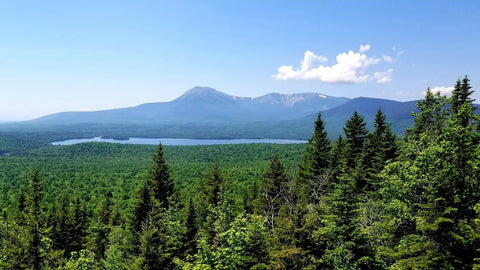
The photo at the top shows the view west from the Rhododendron Trail on Wilburn Ridge, the open, rolling highlands the park is known for. (Photo: Ken Thomas, public domain)
Grayson Highlands State Park works best as a campground base for pony hikes, Appalachian Trail access, and Mount Rogers planning. The big decision is simple: are you day hiking from the park, or leaving the park boundary for an overnight route? That split changes where you park, where you can sleep, and how much weather you take on. For most van travelers, the easier plan is also the better one. Camp in the park, hike from there, and only switch to backpacking if an overnight trail trip is the whole point.
Why Grayson Highlands State Park stands out

The photo above shows the park entrance sign. Grayson Highlands is a Virginia state park that borders the Mount Rogers National Recreation Area, which is why the rules change as you hike out of the park. (Photo: Ken Thomas, public domain)
Grayson Highlands State Park feels different from a lot of Virginia mountain parks because it puts high elevation views, open balds, and Appalachian Trail access in one compact area. It does not feel like a standard forest park. The landscape is wider, more exposed, and much more connected to the high country feel people come looking for in this part of the state.
A big reason people choose Grayson Highlands over other mountain stops is the pony experience. The park is known for its wild ponies, and that alone brings in plenty of first-time visitors. Add the trail network, the Virginia Highlands Horse Trail, and nearby public lands in the Mount Rogers area, and it becomes more than a pretty overlook. You get real options.
That range is exactly why planning matters here. A scenic day hike, an AT touch and return hike, and a true backpacking route all start in about the same world, but they do not work the same way. This is where van travel helps. A developed campground gives you a clean basecamp, so you are not trying to piece together a sleep plan in a place with several layers of overnight rules.
Simple works best here. Trail access and campground ease are the draw, not a giant camp setup. If you travel in a self-contained van, you can keep your footprint small and your day flexible. That matters in a place where the state park, the AT corridor, and the broader backcountry do not all follow one easy set of expectations.
What makes the park different from a typical mountain stop
The official park page leans hard into the alpine like vistas and unusual high country terrain, and that matches what people feel once they are there. A lot of Virginia parks are more enclosed and wooded. Grayson Highlands feels open, and that changes how you hike, how you dress, and how quickly weather gets your attention.
It also stacks several headline experiences into one stop. You can camp, look for ponies, and hike into bigger trail systems without driving all over the region. That compact setup is a big reason van travelers like it. You can park once, sleep legally, and spend the next day on foot instead of moving the vehicle between trailheads and camp spots.
The catch is that the park does not act like a sealed off attraction. The official trail guide shows overlooks, campgrounds, trailheads, and connecting routes beyond the park's core facilities. That bigger map view helps because state park comforts end before the larger route planning questions do.
For couples and families, that is actually good news. You can get the signature landscape without jumping straight into a multi night backcountry trip. A lot of people want that middle ground.
The three-zone planning mindset: park, AT corridor, and surrounding backcountry
The cleanest way to think about this area is as three connected zones. First, you have the state park. Second, the Appalachian Trail corridor. Third, the surrounding Mount Rogers backcountry. The park's backpacker information page makes that split clear, and it is the key to avoiding bad assumptions.
The Appalachian Trail Conservancy puts the main overnight rule in plain language on its camping regulations page: there is no camping in Grayson Highlands State Park except at the fee campground or in Wise Shelter.
Virginia State Parks rules cover conduct and camping in the park itself, while nearby AT and adjacent land travel can involve other rules and other overnight options. The state park is not the same thing as the whole Mount Rogers area, even though it can look like one big zone until you try to sort out where you can actually sleep.
For van travelers, this split matters in a very practical way. Spending the night in your vehicle at a developed campground is one plan. Leaving the van parked while you backpack into federal lands is a different one. Once you understand those zones up front, you avoid the classic mistake of treating every scenic access point like an overnight spot.
Where to see the Grayson Highlands ponies
The Grayson Highlands ponies are one of the park's main draws, and the official park page treats them that way for good reason. People do not usually come here for a roadside animal stop. They come for the mix of open country hiking and the chance to see ponies as part of the larger landscape.
That means pony viewing is tied to movement. You usually see them while hiking through the balds and connected trail areas, not by walking up to a fixed viewpoint or fenced pen. The trail guide helps a lot here because it shows which routes move through the open terrain most tied to the classic Grayson Highlands feel.
For families, the best plan is usually a modest one. Pick a moderate hike, leave room in the day, and stay flexible. If your whole trip is built around photos, sunrise and late light can be great in the balds, but exposure rises too. Warm layers and a quick retreat to camp matter more than people expect.
The right mindset helps too. The ponies are part of a living landscape, not a petting stop. If you go in with that frame, the whole place makes more sense. You stop chasing a guaranteed sighting and start paying attention to the terrain that makes the experience special.
Best approach for first-time pony viewing
First timers usually do best by aiming for the open high country setting, not by staying near developed areas all day. The official park page points visitors toward that wider landscape because it is central to the park's identity. If you want the real version of the place, you need to get out on trail.
Before you go, use the trail guide PDF to match your route to your time and fitness. That step keeps a simple outing from turning into a much longer AT connected day than you meant to sign up for. For most readers, a day hike is the cleanest call because it skips overnight complexity while still giving you the park's best known scenery.
Van travelers have a nice edge here. You can start early, head back for lunch, or bail when fog rolls in.
The open balds can get windy, wet, and socked in fast. A shorter route with room to adapt often beats a big mileage goal on a first visit. And it is smarter not to promise yourself a fixed pony location, because the official sources describe the experience through the broader landscape, not a single guaranteed spot.
Pony etiquette and wildlife respect
Because the ponies are such a defining draw, visitor pressure is high. Respectful distance is not some extra nice to have. It is part of doing the trip right. The park experience gets worse fast when people crowd animals for photos or treat them like tame stock.
The official rules framework helps here, even if the common sense version is simple. Observe, take photos, and move on. Do not treat the ponies like approachable domestic animals. Keep food secured at camp or in your pack too, because wildlife that learns to expect food becomes everyone's problem.
If you have kids with you, keep the rule short: no chasing, no feeding, no crowding. For dog owners, this is also a good place to stay realistic. A high traffic wildlife area is not where you assume every animal encounter will feel casual or predictable.
One thing a lot of travelers miss is how fast a small crowd can form around one animal. That is usually your cue to keep walking. A calm, brief sighting is better for the ponies and usually better for your day too.
Appalachian Trail and Mount Rogers access from Grayson Highlands

The photo above shows Mount Rogers, Virginia's highest peak, from a rocky outcrop in the Mount Rogers National Recreation Area, with Fraser firs in the foreground. (Photo: SheepNotGoats, public domain)
Grayson Highlands State Park is more than a scenic state park stop. It is a major access point for the Appalachian Trail and the wider Mount Rogers area, which is why so many visitors use it as a launch point. The internal trail network links outward, and that opens up everything from short loops to much longer days.
The park adjoins the Mount Rogers area, so route planning matters more than many first timers expect. You are not just picking a trail. You are deciding how far you want to move beyond park managed terrain and into a bigger recreation landscape. The backpacker page exists for a reason. Lots of people use the park as the start of overnight trips.
For van travelers, the main choice is pretty simple. Are you making the AT a day hike goal, or are you leaving the van behind for one or more nights? A self contained camper van shines here because you can come back to shelter, food, and dry gear after a long weather exposed day.
If Mount Rogers is on your mind, think in routes, not in one magic trailhead answer. The trail guide is useful because it shows how these connections actually work on the ground.
Using the park as an AT access point
The official park page lists Appalachian Trail access as one of the park's core features, and that is one of the clearest reasons to use the park as basecamp. If your goal is to hike part of the AT and return the same day, this setup is hard to beat. You get a reliable place to sleep and a simpler morning start.
The overnight backpacking blog post explains that hikers often use the park as a corridor to the AT rather than as an unrestricted camping zone. That is an important difference. It is also why day hiking is usually the easiest option for casual visitors and first timers.
If your whole goal is just to touch the AT and come back to camp, keep it simple. Bigger plans sound good on paper, then weather, timing, or energy changes the day. A clean day hike often gives you more of what you actually came for.
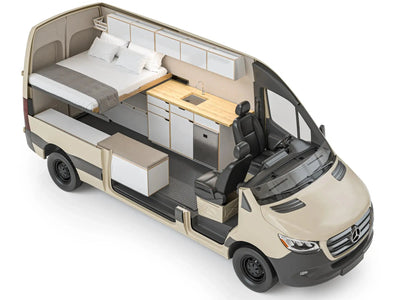
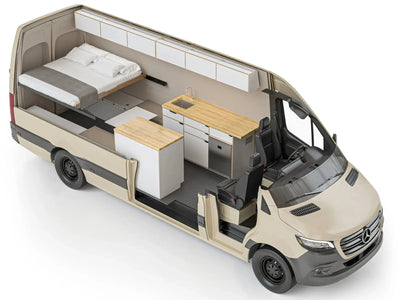
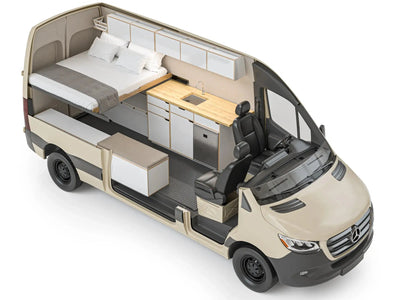
For remote workers or couples on a longer road trip, this kind of park fits a two night stop well. One day can be pony focused. The next can be your longer AT day. If you're curious about layouts built for that style, our vans for couples and DUO XL layout show the kind of basecamp setup that works well for trail heavy travel.
What to know about Mount Rogers routes
The park's relationship to Mount Rogers is a big part of why people come, but it helps to frame that as a route planning question. The official park page and trail guide both point beyond the developed core. Once you move toward longer Mount Rogers objectives, you are taking on more navigation, more exposure, and more overnight planning.
The backpacker information page matters here because overnight users often cross from park managed areas into places where camping options differ. The overnight parking blog reinforces the same point: primitive camping is tied to the Mount Rogers National Recreation Area, not the state park campground system as a whole. That is a clean distinction worth keeping front and center.
In practical terms, longer Mount Rogers routes ask more from your setup. A long, cold day feels very different when you come back to heat and dry storage. That is one reason many owners look at Foundation builds or targeted upgrades before making mountain travel a regular habit.
High country weather can turn a strong hiking day into a cold recovery evening fast. If your van already struggles with damp gear, poor airflow, or weak house power, you will notice it here.
Grayson Highlands camping: campground vs backcountry
The most important Grayson Highlands camping rule is also the easiest one to miss. The Appalachian Trail Conservancy says there is no camping in Grayson Highlands State Park except at the fee campground or in Wise Shelter. If you remember one overnight fact from this guide, make it that one.
The park specific source to check is the backpacker information page. It helps sort current overnight guidance, especially if you plan to hike beyond the developed areas. Virginia State Parks rules are the baseline inside the park, while the overnight backpacking blog adds the practical context that primitive camping is associated with the Mount Rogers National Recreation Area, not spread throughout the state park.
For most van travelers, the developed campground is the easiest legal choice because it keeps your vehicle, gear, and sleep plan in one place. Backpacking from the park only makes sense if you truly want an overnight trail trip. It is not the easier way to see ponies or sample the AT.
This is where clear categories help. Campground camping is one thing. Wise Shelter is another. Primitive camping outside the park boundary is another again. Keep those buckets separate and the area gets much easier to plan.
What the campground is best for
The official park page lists camping as a core amenity, and that makes the campground the default overnight choice for most visitors. It is the lowest friction way to visit if your main goals are day hiking, pony viewing, and easy access to your vehicle at the end of the day. You sleep legally, wake up close to the trail network, and keep the trip straightforward.
The trail guide helps show how the campground relates to trailheads and facilities, which is useful if you want your days to feel efficient. For van travel, developed campgrounds are especially handy when weather swings around. You can dry gear, cook a simple meal, and reset without packing up a backcountry site.
Families and first time visitors usually get more out of Grayson Highlands this way. Use the campground as a launch point and keep the hike plan flexible. If your rig is larger, a reservation mindset and a simple setup are smarter than expecting the loose feel of dispersed camping.
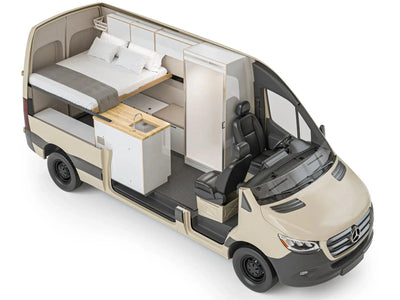
If you're weighing layouts for that style of trip, our family vans and Family XL layout lean well into campground based mountain travel. They make sense for people who want one stable sleep setup and room for wet layers, kids, or both.
Backcountry and overnight backpacking rules that trip people up
The park's backpacker page exists because overnight use here is not intuitive. Where you can sleep depends on whether you are inside the park boundary or outside it. That sounds obvious once you know it, but many visitors arrive assuming a remote feeling route means flexible camping.
Treat the state park rules as the baseline authority inside the park. Then use the overnight backpacking blog to understand how hikers park at Grayson Highlands and continue into areas where primitive camping is allowed outside the park.
The most common planning error is simple. People assume that because a route feels wild, they can stop and camp wherever the day ends. Another common mistake is arriving late and trying to sort out overnight logistics in the dark. A one night campground stay often makes the next morning much easier.
The same goes for van systems. People think they need a huge rebuild for trips like this, but often a few smart changes do the job. If that sounds familiar, our customize your van page and van build blog are good places to sort upgrade ideas before your next mountain run.
How to plan a smooth van trip to Grayson Highlands
Your first planning stop should be the official park page because it gathers the main visitor info in one place. Then use the trail guide to match your hike plan to your overnight plan. If an overnight trail route is even a maybe, check the backpacker page before you arrive so you know where camping is actually allowed.
For most readers, the smart version of this trip is a two part plan: campground basecamp plus one or two day hikes. Backpacking only makes sense if that is the main goal from the start. That approach gives you the best mix of scenery, flexibility, and legal clarity.
High elevation trips reward vans with reliable heat, good ventilation, dry storage, and dependable house power. If your current setup struggles with cold nights or wet gear, targeted upgrades often help more than a full rebuild. Heater installs, electrical troubleshooting, battery upgrades, and better storage are the kinds of changes that get used right away.
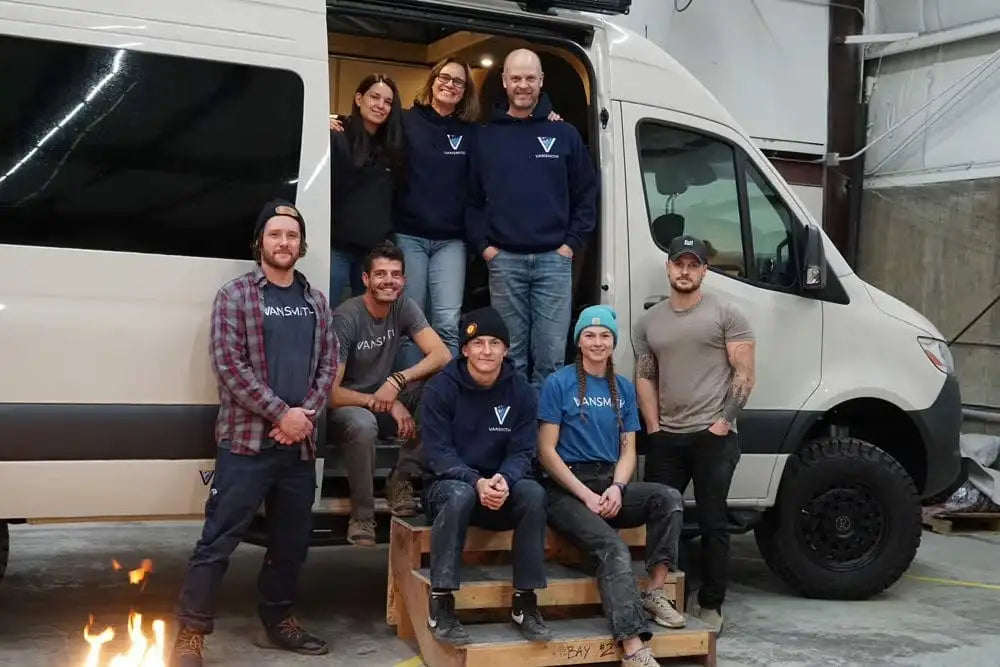
The Vansmith builds and upgrades vans for exactly this sort of mountain travel. Our Sprinter conversions, Transit conversions, and build process pages show how we think about shelter-first travel. If Grayson Highlands style trips are becoming normal for you, it is worth asking whether your current rig really supports shoulder season camping.
Best trip style for most readers
A campground based visit is the clearest choice if you want to see the ponies and hike part of the AT without juggling backcountry restrictions. The park works very well as a legal, reliable basecamp. That lets you focus on the part you came for, which is being outside, not decoding overnight rules at the trailhead.
A backpacking trip is better saved for visitors who specifically want an overnight trail experience and are ready to handle the park to backcountry transition carefully. The overnight backpacking blog supports that split by framing the park as an access point, not a blanket primitive camping zone. For many van owners, the best version is still simple: camp legally, hike hard, come back to a warm bed and dry gear.
That style is especially good for couples and families because it keeps the day adjustable. Weather can shift. Energy can dip. Kid tolerance can vanish in about ten minutes. A well set up camper van keeps those changes from wrecking the trip.
What van travelers should have dialed before they go
Because this is a mountain destination with developed camping and long hiking days, the most useful van systems are heat, ventilation, organized gear storage, and solid house power. If cold nights or wet gear already limit how often you camp, a heater upgrade can change that fast. It is one of the clearest quality of use upgrades for spring and fall travel.
Travelers planning more trips like this often get more from targeted work than from starting over. If you are planning ahead for a future season, The Vansmith's ready-built Bivy models take about 8 to 10 weeks and tailored builds about 12 to 16 weeks.
For a turnkey couples basecamp van, the Duo starts at $116,950 on Transit and $117,950 on Sprinter as of 2026. For families, the Family starts at $121,950 on Transit and $122,950 on Sprinter.
| Model | Transit | Sprinter |
|---|---|---|
| Duo | $116,950 | $117,950 |
| Family | $121,950 | $122,950 |
If you want to talk through whether a few upgrades are enough or a bigger build makes more sense, start with contact us. You can also browse the DIY blog if you're still sorting what your current setup is missing.
FAQ
Can you camp anywhere in Grayson Highlands State Park?
No. The Appalachian Trail Conservancy says there is no camping in Grayson Highlands State Park except at the fee campground or in Wise Shelter. The park's backpacker information page is the right place to check current overnight guidance before you go, especially if you plan to hike beyond the developed core.
Where do you see the Grayson Highlands ponies?
The ponies are tied to the park's open high country landscape, so people usually see them while hiking the bald areas and connected trail network. They are not presented as a fixed roadside attraction. The official park page and trail guide are the best tools for picking a route that fits your time and ability.
Is Grayson Highlands State Park a good base for hiking the Appalachian Trail?
Yes. The official park page identifies Appalachian Trail access as a major feature, and the trail guide shows how park trails connect to the AT corridor. For many visitors, it works best as a day hike basecamp unless an overnight backpacking trip is the main goal from the start.
What is the difference between camping in the park and backpacking near Mount Rogers?
Camping inside Grayson Highlands State Park is restricted, while primitive camping opportunities are associated with areas outside the park boundary in the broader Mount Rogers backcountry. That means you need to know when your route leaves the park and enters a different overnight use zone. It is one connected landscape, but not one overnight rule set.
Is Grayson Highlands camping better for a campground trip or a backpacking trip?
For most first time visitors, the campground is the easier choice because it gives you legal overnight lodging, simple trail access, and room to adjust for weather. Backpacking makes more sense if your main goal is an overnight trail experience and you are ready to follow the park specific camping limits carefully.
About the author
Electra Chronis
Head of Marketing
Electra leads marketing at The Vansmith. She writes across van life, camping and travel, from planning a trip to choosing and building the van that gets you there.
Read more about Electra