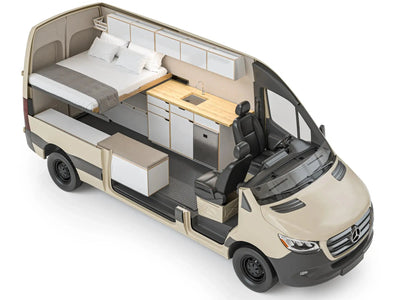
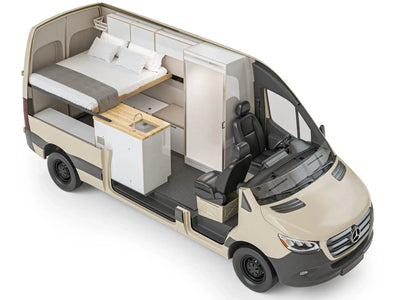
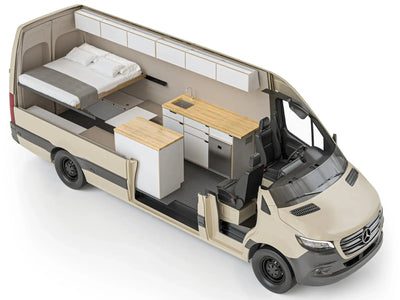
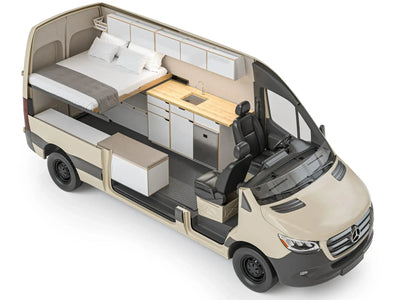
The three main motorhome types-Class A, B, and C-each offer unique benefits, from the spacious luxury of a Class A to the compact agility of a Class B van. Choosing your motorhome type is all about matching your travel style, group size, and adventure needs to the right platform. Whether you dream of full-time living, family road trips, or quick solo escapes, knowing the differences in size, features, and driving experience will help you pick the best fit for your journey.
Understanding Motorhome Classifications
Motorhomes in the U.S. are officially grouped into Class A, Class B, and Class C-a system based on the type of vehicle chassis, construction method, and standard amenities. According to LegalClarity, these classes help buyers and builders understand what to expect in terms of size, features, and legal requirements. Class A motorhomes are built on heavy-duty bus or commercial truck frames, making them the giants of the road. Class B models-better known as camper vans-use production van chassis like the Mercedes Sprinter or Ford Transit. Class C motorhomes split the difference, built on cutaway van or truck chassis with a distinct cab and living area.
To legally qualify as a motorhome, a vehicle must have permanent cooking, sleeping, and sanitary facilities-this is set by federal regulations and influences what you can register as a true RV. The federal standards under eCFR Title 49, Section 571, go even further, specifying the required safety equipment and basic amenities for each class.
There are also subcategories: 'Super C' models are bigger Class Cs on heavy-duty diesel chassis, offering more power for towing, while 'Class B+' vans extend the camper van formula with extra amenities but ditch the traditional over-cab bunk. Each chassis type impacts not just the size and weight of the rig, but also how it drives, what kind of maintenance it needs, and what features you can add-think four-wheel drive, advanced driver assistance, or large storage bays. Understanding these basics is the first step to choosing a motorhome that matches your travel dreams and legal needs.
What Defines Each Motorhome Type?
Class A motorhomes are the biggest and boldest, stretching up to 45 feet long with a flat front and bus-like build. These rigs offer the most space and luxury, making them ideal if you want to bring the comforts of home on the road. In contrast, Class B models-camper vans-are much more compact, usually 16-24 feet and based on factory-built vans like Sprinters. They’re all about maximizing agility and efficiency without sacrificing the essentials.
Class C motorhomes sit right in the middle, easily recognized by their over-cab sleeping area. They’re built on a cutaway van or truck chassis and typically run 20-32 feet long, blending the maneuverability of a van with the space of a mini motorcoach. Each class brings its own strengths, so the key is figuring out which layout and build style fits your life best. For a closer look at the platforms we work with, check out our Sprinter van conversions and Transit van conversions.
Legal and Regulatory Implications
If you’re eyeing a Class A or a large Class C, keep in mind that some states require a special license or endorsement when the vehicle’s gross weight tops 26,000 pounds. This isn’t just about driving skill-it affects insurance, registration fees, and even where you can park or store your rig. LegalClarity notes that registration costs, taxes, and insurance rates all rise with the size and value of your motorhome, so it’s worth considering total cost before you buy. State and federal definitions also guide where you can camp overnight or stash your rig when not in use. For anyone thinking about their first build, our DIY blog covers more tips on navigating these details.
Class A Motorhomes: Features, Pros, and Cons
Class A motorhomes are the kings of the RV world. These rigs run from 25 to 45 feet long, offering unmatched living space and luxury features. You’ll often find sleeping set-ups for 4 to 8 people, including sofa beds, bunks, and private master suites. Standard features are impressive: full kitchens with residential fridges, multiple slide-outs to widen the interior, and spacious bathrooms that feel more like home than a campsite.
The price range for new Class A models is broad-entry-level versions start near $60,000, but most new buyers spend between $200,000 and $300,000. Top-end luxury coaches can easily surpass $500,000. With all that size and comfort, you do trade off fuel efficiency. Most Class A motorhomes get just 6 to 10 mpg, so cross-country travel means more stops at the pump. Driving one feels like piloting a bus, so city streets or tight campgrounds can be a real challenge. Their best use is for full-time living or family road trips where space and comfort matter most, not for stealth or squeezing into remote trailheads. For more on how these compare to other types, see this Progressive guide.
Chassis, Construction, and Safety
Class A motorhomes are built on custom chassis-think bus, truck, or even semi-truck frames. This design gives you high ceilings and huge underfloor storage bays for gear, bikes, or even a small scooter. Diesel pusher models place the engine in the rear for a quieter ride and better balance, while gas engines sit up front. Safety is a mixed bag-some newer Class As have advanced features, but older models may lack airbags or modern crash protection. If safety tech is high on your list, it’s worth comparing specs on newer van-based rigs or looking into models with up-to-date equipment. For a deep dive into chassis differences, check out this Thor Motor Coach breakdown.
Lifestyle Fit: Who Should Consider Class A?
Class A motorhomes are a great match for travelers who want to bring the whole home on the road-think snowbirds, full-timers, or families who love to host guests. If you want maximum comfort, a true kitchen, and space to spread out, this is the top choice. On the flip side, they’re not ideal if you want to slip into small campsites, park on city streets, or go off-grid in rugged spots. Maintenance and repair costs are also higher due to the size and complexity of these rigs. If you dream of big road adventures with all the comforts, look at Class A. But if you want to follow remote trails or stay flexible, you might be happier with a different class. For those weighing their options, our process page breaks down how we help customers find the right fit.
Class B Motorhomes (Camper Vans): Compact Adventure and Efficiency
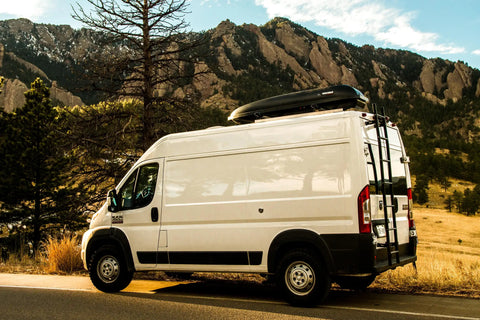
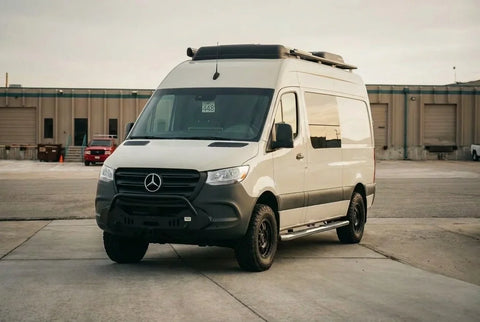
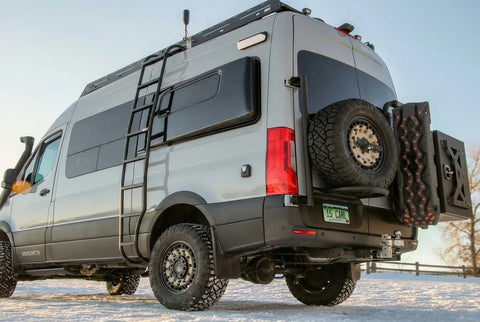
Class B motorhomes-also called camper vans-are built on van chassis like the Mercedes Sprinter and Ford Transit, with lengths from 16 to 24 feet. These vans usually sleep 2 to 4 people, sometimes more if you add a pop-top or convertible bed. The big draw is drivability-they handle a lot like a large SUV, with tight turning and easy parking in most city spots. Fuel efficiency is far better than larger classes, averaging 18 to 22 mpg.
With higher fuel prices, more buyers are shifting toward compact Class B vans. Their better gas mileage and smaller size help keep travel affordable, especially for those who want to cover lots of miles.
While Class B vans pack in smart features like compact kitchens, wet baths, and modular storage, they don’t have the luxury or space of a bigger rig. Most new Class B builds range from $50,000 to $150,000, with high-end custom conversions, like those built by The Vansmith, sometimes exceeding $160,000. The higher per-foot price reflects both the premium van platforms and the custom engineering needed to fit everything into a small space. For many, that tradeoff is worth it for the agility, efficiency, and go-anywhere spirit. If you’re curious about the details, see Forest River's motorized RVs for manufacturer insights.
Drivability and Urban Use
Driving a Class B van feels much like handling a big family SUV. You get tight turning, the ability to slip into standard parking spaces, and the confidence to explore urban areas or national parks with length restrictions. This is a major plus for anyone who wants flexibility-especially if you need to stealth camp in the city or park at trailheads. Most modern van chassis come standard with advanced safety features like lane-keeping assist, adaptive cruise control, and multiple airbags, making them some of the safest options on the road. If you want to compare these features directly to other builds, the Consumer Reports guide is a solid resource.
Limitations and Considerations
The biggest limitation of a Class B van is space. Most builds skip a permanent shower or large kitchen to keep things simple and mobile. Storage and sleeping setups often need creative solutions-think fold-away beds, roof racks, or modular add-ons. If you’re traveling with a crowd or need a full-size bathroom, Class B may feel tight. But for solo travelers, couples, or small families, the mobility and efficiency are hard to beat. If you want to see how these layouts can look in real life, check out our DUO series or our family van conversions.
Class C Motorhomes: Balancing Space, Affordability, and Versatility
Class C motorhomes bridge the gap between Class A and B, ranging from 20 to 32 feet long. The signature over-cab bunk makes them easy to spot and gives you extra sleeping space-great for families or groups. Most layouts offer sleeping for 4 to 8 people, with a mix of fixed beds, convertible dinettes, and more separation between living areas. Class C rigs often include a full kitchen, separate bathroom, and ample storage, balancing comfort with a more manageable size and price.
New Class C models typically cost $75,000 to $150,000, offering strong value per square foot. Fuel economy averages 10 to 15 mpg, which is better than Class A but not as efficient as Class B vans. The chassis-usually from Ford, Chevy, or Mercedes-shares many safety features with the base vehicle, making these rigs relatively safe and easy to drive compared to a full-size bus. If you want more power or towing, 'Super C' models built on commercial diesel chassis are available, though they’re bigger and more expensive. For more detail, the RVshare RV classes guide lays out the specs.
Family and Group Travel Benefits
Class C layouts shine for family or group travel. Multiple beds, convertible dinettes, and separate living spaces mean you can divide up the interior for sleeping, eating, or relaxing. Kitchens are usually full-sized for an RV, and you get a dedicated bathroom-a big plus on long trips. Storage is ample, though not as vast as a Class A. Driving is less daunting than in a bus, but you’ll still need to be mindful in crowded cities or tight parking lots. For more inspiration on family layouts, take a look at our Family XL layout.
Drawbacks and Maintenance Considerations
Class C rigs require regular roof checks, especially at the front cab-over seam, which can be prone to leaks. Fuel and maintenance costs are usually lower than in a Class A, but higher than in Class B vans. Storage and ground clearance can also limit your ability to reach remote campsites or rough roads, especially compared to true adventure vans. For more on maintaining your build, our Foundation builds page has tips on keeping your rig road-ready.
Choosing the Best Motorhome Type for Your Adventure
The best motorhome type for you comes down to a few core questions: How many people will regularly travel and sleep in the rig? Do you value driving flexibility and city parking, or do you want the biggest living space possible? Are you heading off-grid, or do you plan to stick to established campgrounds? Your answers will steer you toward the right class.
Class A motorhomes are unbeatable for long-term comfort and full-time travel, but their size limits where you can go. Class B camper vans-especially Mercedes Sprinter and Ford Transit builds-offer the best mix of agility, efficiency, and off-grid potential, making them a favorite among outdoor explorers and couples. Class C rigs are the go-to for families who want value, space, and the ability to host more travelers. It’s smart to consider the total cost of ownership, including insurance, maintenance, and storage fees, not just the sticker price. If you can, test-drive different models or walk through them at expos or dealerships to see what feels right. For more guidance, our Van Build blog dives deep into the decision process.
Key Questions to Guide Your Decision
Start by asking: How many people (adults and children) will be traveling with you? Do you need easy maneuvering and city parking, or do you want spacious interiors for long stays? What amenities are non-negotiable for your comfort-full bathroom, separate bedroom, large kitchen, or a modular design that adapts to your needs? Each answer helps you narrow your choices. If you’re traveling as a couple, our DUO series is designed for two, while families might value the extra beds and seating in our Family series.
How The Vansmith Can Help
The Vansmith specializes in custom and modular Class B van conversions, tailored for adventure, off-grid independence, and smart, beautiful design. Our builds are centered on the Mercedes Sprinter and Ford Transit platforms, offering fully customized layouts for solo travelers, couples, and families. Models like our DUO XL and Family XL provide options for every style, from remote work to family weekends. Our team guides you through every step-from platform selection to solar, storage, and heating-making sure your van fits your life, not the other way around. Want to learn more? Explore how we work or get in touch for a personal consult.
FAQ
What are the main differences between Class A, B, and C motorhome types?
Class A motorhomes are the largest, built on bus or commercial truck chassis, and offer the most space and luxury-think apartment on wheels. Class B motorhomes are camper vans, like the Mercedes Sprinter or Ford Transit, known for their agility, fuel efficiency, and compact size. Class C sits in the middle, with a signature over-cab sleeping area, offering a balance of space, comfort, and drivability. Learn more about the differences.
Which motorhome type is best for off-grid or adventure travel?
If you’re looking for off-grid or adventure-ready rigs, Class B motorhomes-especially Sprinter and Transit conversions-are hard to beat. Their compact size lets you reach remote campsites, navigate narrow trails, and enjoy better gas mileage (18-22 mpg). Add in the option for 4x4 and solar, and you’re set for serious adventure. See more about why Class B is the top choice for explorers.
Do I need a special license to drive a Class A or Class C motorhome?
In most states, a standard driver’s license is all you need, but if your rig weighs over 26,000 pounds (common for big Class A and some Super C models), you may need a special endorsement. Always check your state DMV’s rules before you buy or drive. Get the details here.
How much does a new motorhome cost by type?
New Class A motorhomes usually range from $200,000-$300,000, Class B from $80,000-$160,000, and Class C from $75,000-$150,000. Custom or luxury builds can cost more, so it’s smart to budget for both purchase and ongoing expenses. Full price breakdown.
What is a 'Super C' motorhome and how does it differ from regular Class C?
‘Super C’ motorhomes are larger, built on a heavy-duty commercial-grade diesel truck chassis. They offer more towing capacity, extra space, and a tougher build compared to regular Class C rigs, making them a good option for those hauling big gear or wanting extra power. Read more about Super C.