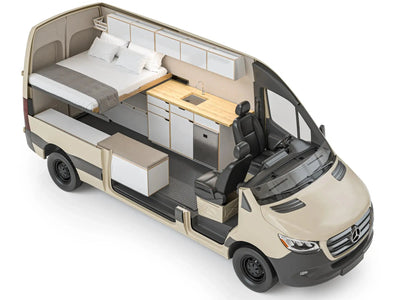
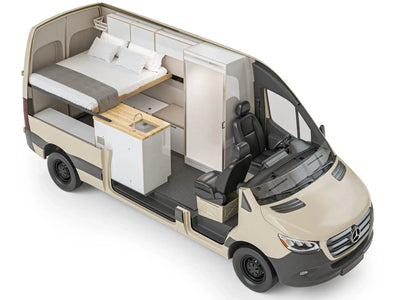
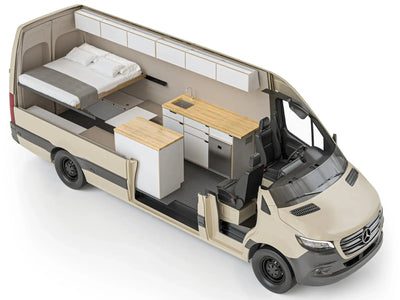
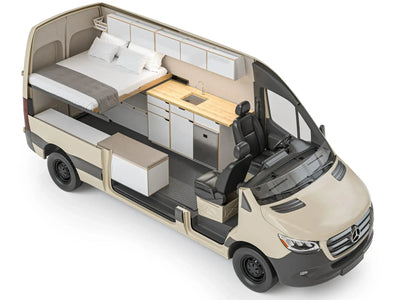
Class A, B, and C motorhomes each bring a unique mix of size, comfort, and driving experience-Class A is the biggest and most luxurious, Class B is van-sized and nimble, and Class C sits right in the middle for families or small groups. Knowing the core differences between class A, B, and C motorhomes helps you pick the RV that matches your travel goals, group size, and budget. This guide breaks down what sets each class apart, how they fit different lifestyles, and what you can expect on the road, so you can make a confident, informed choice before taking the leap into RV life. At The Vansmith we specialize in class B vans.
Understanding Motorhome Classes: A, B, and C Defined
 If you’re just starting out, the alphabet soup of RV classes can feel overwhelming. The core categories-Class A, B, and C-are defined by their chassis, build, and living space. RVIA sets the official standard: Class A motorhomes ride on heavy-duty, custom-built or bus chassis, making them the largest and most residential of all. Class B, often called camper vans, use standard van platforms like the Mercedes Sprinter, Ford Transit, or Ram ProMaster. They’re compact, efficient, and easy to drive. Class C motorhomes are built on a cutaway truck or van chassis, usually with a distinct cab-over sleeping area-a design many families know and love.
Size is a key distinction: Class A rigs typically stretch 30 to 45 feet, Class B vans range 17 to 24 feet, and Class C models land between 20 and 33 feet long. Sleeping capacity varies too: Class A and C can often sleep 4-8 people, depending on layout, while Class B is usually best for 2-4. Specialty variations exist-Class B+ and Super C offer expanded features or capacity-but most buyers will start with these core classes. These definitions aren’t just for marketing; they drive registration, insurance, and even campground rules.
Chassis and Construction Differences
The bones of each motorhome class make a big difference in how they drive, handle, and age. Class A’s bus-style chassis often means a rear diesel engine (the “diesel pusher”) or a front gas engine, giving them serious highway power and a true rolling home feel. Class B camper vans keep the original van body and cab, which means you get all the safety, reliability, and maneuverability that brands like Mercedes-Benz or Ford build in. For Class C, the chassis usually comes from a van or truck-think Ford E-Series or Chevy Express-with a custom house built onto the back, plus the classic cab-over bunk or storage space.
This construction directly impacts daily use. Class A’s custom chassis supports huge interiors and slide-outs, but driving and maintenance can be more involved. Class B’s one-piece van body is easier to service and insures better crash safety. Class C splits the difference, with familiar truck-like handling and lots of living space thanks to the added cab-over.
Size, Layout, and Sleeping Arrangements
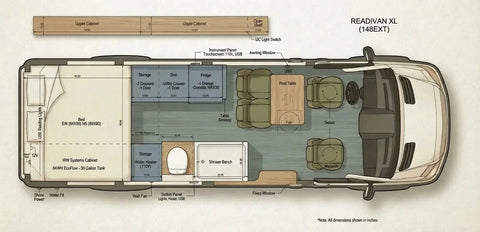
Inside, the differences get real. Class A interiors can include multiple slide-outs, king beds, stacked bunks, washer/dryers, residential fridges, and even full-size showers. Some feel more like small apartments than vehicles. Class B layouts focus on versatility: you’ll often see Murphy beds that become sofas by day, fold-out dinettes, and compact wet baths. The kitchen might be tight, but everything is within arm’s reach-great for solo travelers or couples who value mobility.
Class C designs usually include a master bed in the rear, a convertible dinette or sofa, and the iconic over-cab bunk-a perfect kid zone or guest bed. Some newer Class C models add slide-outs or even separate bedroom doors, making them feel bigger than you’d expect. If you’re curious about smart, space-saving layouts, check out The Vansmith’s DUO XL and Family XL builds for a taste of modern Class B design.
Comparing Features: Amenities, Storage, and On-Road Experience
 Class A motorhomes are all about comfort and luxury. Expect residential-grade kitchens, big-screen TVs, washer/dryer options, and gigantic freshwater tanks-sometimes holding over 100 gallons. This makes them great for long stays, but also means more weight and maintenance. Class B units lean into efficiency and tech: smaller galley kitchens, smart storage, wet baths, and off-grid features like solar panels, lithium batteries, and compact HVAC systems. They’re built to get off the beaten path or slip into a city parking spot.
Class C models offer a little of both worlds. You’ll get a real kitchen and shower, better storage than a van, and sometimes slide-outs for extra living space. Storage is where Class A wins big, with huge basement compartments for bikes and gear. Class C offers moderate storage, and Class B has the least-but creative solutions abound in van builds. For more on custom storage in vans, see the Vansmith’s design process.
Driving experience is a huge factor. Class A feels like piloting a bus: high up, wide turns, and careful planning for parking or fuel stops. Class B handles more like a large SUV or van-easy to park, U-turn, or squeeze into trailheads. Class C is similar to driving a big pickup or moving truck; higher than a van, but not as massive as a Class A. For folks new to RV life, Class B is often the least intimidating behind the wheel.
Fuel economy varies. Class B leads (about 14-18 mpg), Class C follows (10-14 mpg), and Class A trails (6-10 mpg). This adds up on long trips. If you’re planning big miles, it’s worth thinking about fuel stops and costs. For adventure travel and urban stealth, Class B’s small size is a real asset. If you expect to camp mainly in RV parks or need a lot of gear, Class A or C may suit you better. For more details on real-world features, check out RV.com’s class comparison.
Price Ranges and Cost of Ownership
Sticker shock is real in the RV world. New Class A motorhomes start around $200,000 and can soar past $600,000, with luxury models sometimes topping $1 million. Class C models are usually $110,000 to $250,000, depending on brand and amenities. Class B vans range from $90,000 to $250,000. Custom builds-like those from The Vansmith-often land on the higher end, with premium materials and off-grid features.
Ownership costs don’t stop after you buy. Larger rigs mean more expensive maintenance, higher insurance, and bigger campground fees. Class B vans keep costs lower thanks to automotive-based parts and smaller size. For a deeper dive on costs, McKee RV breaks it down well. Be sure to budget for upgrades, fuel, and annual checkups-especially on older or more complex rigs.
Maintenance, Insurance, and Value Retention
Maintenance and insurance are often overlooked but matter in the long run. Class B vans tend to have the lowest annual maintenance costs, since many parts are standard automotive-think brakes, tires, and oil changes you can get done at most shops. Class A and C have more complex systems, especially with slide-outs, hydraulic jacks, or built-in generators. Insurance follows the same pattern: Class A is highest, Class C is moderate, and Class B is lowest. For insurance, fuel, and campground fees, bigger always means pricier.
Value retention is another key point. Class B and C RVs hold their value better thanks to high demand and the flexibility to use them for travel, work, or everyday driving. Class A coaches depreciate faster, especially as tech and interior styles change. If you want a rig that’s easy to resell or trade up, B and C are safer bets. For more on value and long-term costs, see Fretz RV’s comparison guide.
Which Motorhome Class Fits Your Travel Lifestyle?
 The right motorhome isn’t just about specs-it’s about how you travel and who’s coming along. Class A rigs are perfect for full-timers, large families, or anyone who wants maximum space and comfort for long stays. If you dream of cross-country trips with all the comforts of home, Class A delivers. Class B is the go-to for solo adventurers or couples who prize mobility, stealth camping, and the freedom to chase remote campsites or slip into a city overnight. Many adventure vans, like those built by The Vansmith, are dialed for off-grid features and adventure-ready gear.
Class C is the classic family choice: plenty of beds, real kitchen, and a driving experience that won’t intimidate newer RVers. These units strike a nice balance between comfort and size. One thing to watch: Class A and large Class C coaches may face campground length limits (often max 35-40 feet), while Class B can sneak into nearly any site. Pet-friendliness, storage for bikes or kayaks, and child safety are all factors to weigh when picking your class. If you have a family, check out The Vansmith’s Family Van options for clever, kid-ready layouts.
Drivability, Parking, and Off-Grid Use
Class B vans are the winners for parking-they fit in standard spaces and are far less daunting for new drivers. You can run errands, hit a trailhead, or slip into a city lot with ease. Class C offers a higher driving position and improved visibility over a Class A, but isn’t as nimble as a van. Class A really does drive like a bus, requiring more planning for routes and stops. For off-grid and national forest camping, Class B shines. It’s built for boondocking, tight trail access, and quick setup. Class A and C may be limited by road width, ground clearance, or campsite space. For more on real-world drivability, All Stars RV explains it well.
Family, Couple, or Solo? Matching Layouts to Your Group
Layout is where your group’s needs really come into play. Class A and C layouts are best for families, thanks to multiple sleeping zones and large kitchens-great for cooking real meals and keeping everyone comfortable. Class B layouts, like The Vansmith’s DUO XL or Family XL, are all about modularity. Think convertible beds, removable tables, and clever storage for gear. They’re perfect for couples or solo travelers who want a cozy, flexible space that adapts to work, sleep, and play.
Couples and solo adventurers often gravitate toward Class B because it’s so easy to transition from driving to living-park, swivel the seats, and you’re home. The Vansmith’s van builds for couples show how much comfort and style you can fit into a small footprint.
Pros and Cons: Trade-Offs of Class A, B, and C Motorhomes
No motorhome is perfect. Class A delivers unmatched space and luxury, but it’s big, expensive to maintain, and can be intimidating for new drivers. Class B is easy to drive, gets better mileage, and is stealthier for city camping-but you’ll give up interior space and need to pack smart. Class C strikes a balance: more space and beds than a van, but easier to manage than a Class A. One quirk-some folks don’t love the over-cab bed in Class C, and fuel economy can lag behind a van.
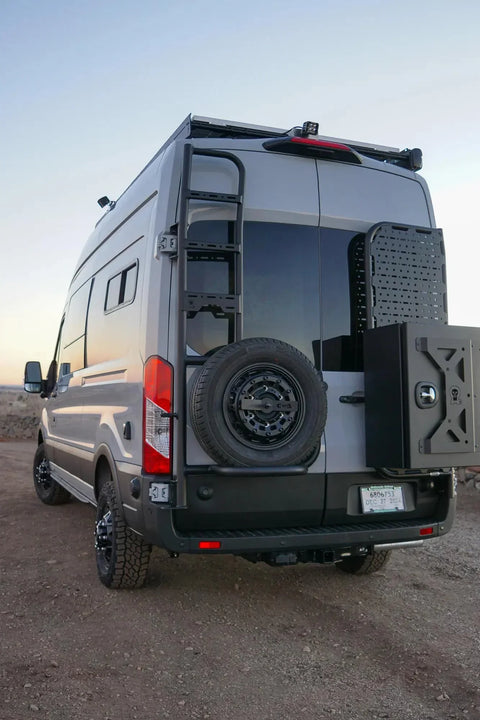
Class B conversions, like those by The Vansmith, can be customized for off-road and off-grid use. These builds offer all-terrain tires, solar power, and modular interiors that make them a top pick for backcountry explorers. On the flip side, big Class A and C rigs sometimes need a towed car for local errands, since parking is tricky in busy spots. Maintenance complexity rises with size; Class A coaches have residential-level HVAC, slide-outs, and generators. Insurance, fuel, and campground costs all rise as you move up in size-Class B will almost always be the most economical.
Common Misconceptions and Overlooked Factors
Many beginners think they need far more space than they actually use. After a few trips, lots of new RVers find that a Class B or C covers their needs more comfortably than expected. Not all Class C units are small either-Super C models can rival Class A in size, power, and luxury. It’s also easy to overlook the benefits of a well-designed Class B: while they may have fewer built-in features, their off-grid capability and ease of use can’t be matched. For more on what to really expect, see Mortons on the Move.
When a Custom Adventure Van (Class B) Makes Sense
If you want to hit remote trailheads, tweak your interior, or upgrade as you go, a Class B is tough to beat. Many owners pick vans for the modular interiors, low-profile looks, and the ability to go off-grid for days. The Vansmith’s custom builds showcase what’s possible: real wood cabinetry, efficient energy systems, and layouts tuned for solo, couple, or family travel. Vans also tend to keep their value and are easier to use year-round-no need to worry about where to park a 40-foot bus in winter.
How to Choose: Decision Factors for First-Time Buyers
Start by considering where you’ll travel most-urban weekends, remote forest trails, or months on the road. Your budget matters, not just for the RV itself but for fuel, insurance, maintenance, camping fees, and upgrades. Test-driving each class is a game-changer if you can swing it, helping you feel what fits. Storage is another hidden challenge: bikes, skis, or pet gear all add up, and Class B requires some creative packing.
Think about the future-will your family grow, or will you start working remotely? A flexible layout now can save you from trading rigs later. Warranty and service networks are worth checking, especially on the chassis and RV systems. If you’re drawn to high-craftsmanship, adventure-ready vans, explore The Vansmith’s Transit builds and Sprinter conversions for inspiration.
Resources and Next Steps
For deep dives into specs and definitions, manufacturer sites and RVIA resources are a great place to start. If you’re thinking about van life, The Vansmith’s beginner guides and layout options can help you zero in on what matters. Ready to talk details or see a van in person? Contact The Vansmith for a friendly consultation-no pressure, just honest advice from folks who’ve been there.
FAQ
What is the main difference between Class A, B, and C motorhomes?
Class A motorhomes are the largest, built on bus-style chassis with maximum space and luxury. Class B motorhomes are compact, van-based, and easy to drive. Class C motorhomes sit in the middle, built on a truck or van chassis with an over-cab bed, offering a family-friendly balance of space and comfort. For more detailed definitions, see the RVIA’s official guide.
Which motorhome class is easiest for beginners to drive?
Class B motorhomes are the easiest for new drivers. They handle much like a large van, fit into most parking spots, and are less intimidating in cities or on narrow roads. This makes them a top pick for anyone just getting started. For more details, check All Stars RV’s overview.
How much does a new Class A, B, or C motorhome cost?
New Class A motorhomes typically range from $200,000 to over $600,000. Class B vans cost between $90,000 and $250,000, while Class C models usually fall between $110,000 and $250,000. These numbers depend on features, brands, and customizations. For a breakdown, see Mortons on the Move and Fretz RV.
Are Class B motorhomes good for off-grid and backcountry travel?
Absolutely. Class B motorhomes, especially custom builds on Sprinter or Transit platforms, excel in backcountry and off-grid settings. Their compact size, maneuverability, and options for solar, lithium batteries, and all-terrain gear make them a favorite for adventurous travelers. For more info, see Mortons on the Move.
Which class of motorhome is best for families?
Class C motorhomes often make the best family haulers. They offer multiple sleeping areas, a real kitchen, and a nice blend of space and easy driving. The signature over-cab bunk is a kid favorite. For more, see Fretz RV’s family guide.
Do Class A, B, and C motorhomes require special licenses to drive?
Most drivers can operate Class A, B, and C motorhomes with a standard U.S. driver’s license. Some states require a special license for vehicles over 26,000 lbs gross weight, which usually only applies to the largest Class A coaches. For specifics, check your state’s DMV or Mortons on the Move’s licensing tips.