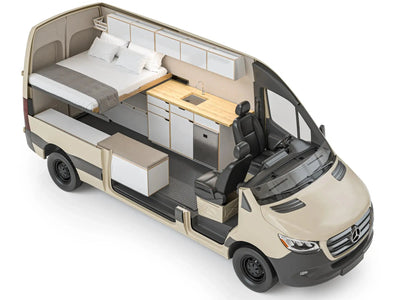
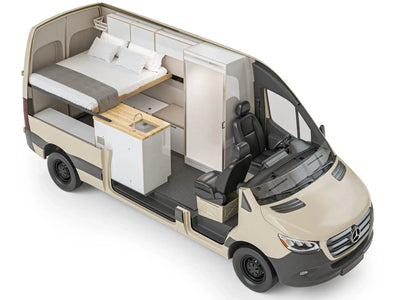
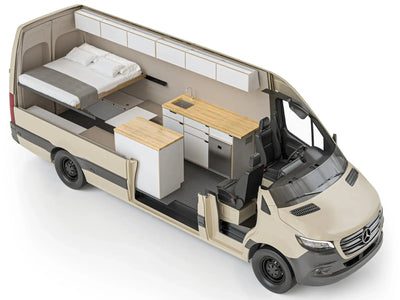
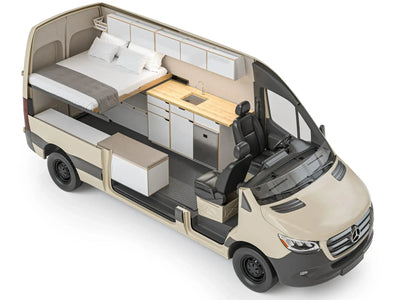
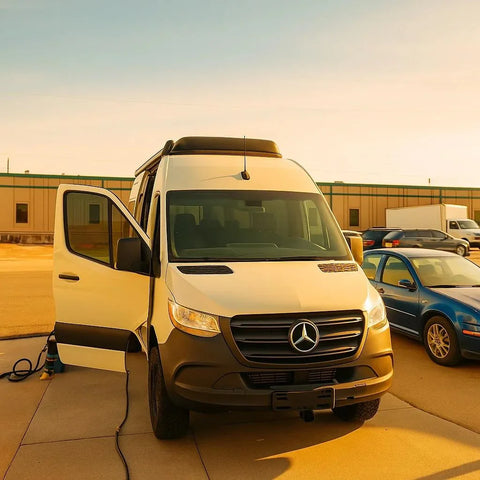
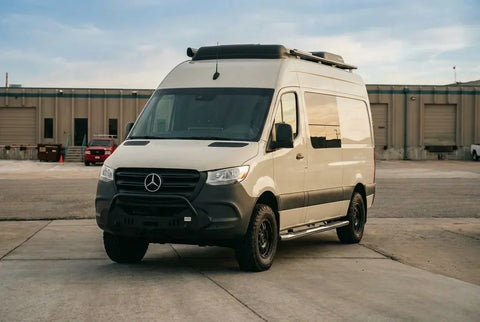
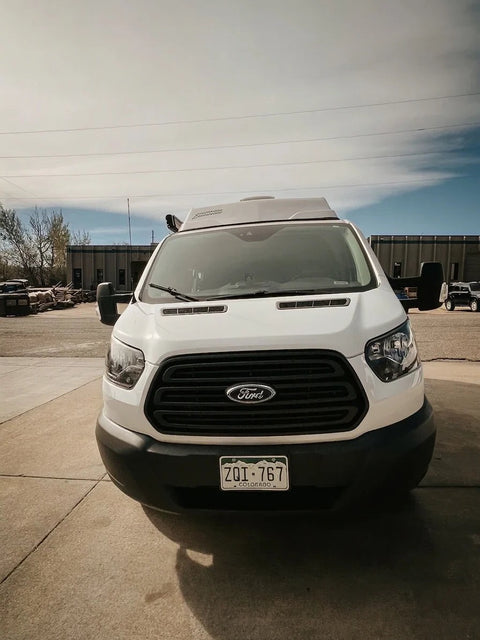
The cargo van remains the backbone of work fleets and adventure builds in 2026, with models like the Ford Transit and Mercedes-Benz Sprinter offering up to 487 cubic feet of cargo space, high roofs for standing room, and advanced tech for safety and connectivity. These vans are more versatile than ever-serving delivery pros, mobile trades, and vanlife families with equal skill. With a range of sizes, drivetrains, and upfitting options, picking the right cargo van means matching your needs for hauling, conversion, and comfort, and working with pros like The Vansmith to customize your perfect setup.
What Is a Cargo Van? Definitions, Classes, and Key Differences
 A cargo van is built first and foremost for moving goods and equipment, not passengers. The classic cargo van has a solid, windowless cargo hold behind the front seats, letting you maximize space for tools, boxes, or the bones of a custom build. There’s no third-row bench, just an open area ready for racks, shelving, or insulation-whatever the job demands, or your dream road trip requires. According to Logrock, cargo vans are separated from passenger vans by this blank-slate interior, reinforced floor, and factory mounting points for upfits or shelves.
Legally, cargo vans are sorted by purpose (commercial or personal) and by Gross Vehicle Weight Rating (GVWR). Most fall into Class 1 (under 6,000 lbs), Class 2 (6,001-10,000 lbs), or Class 3 (10,001-14,000 lbs), each with different licensing and insurance implications. Your van’s classification can impact everything from registration costs to what kind of policy you need-cargo vans often require commercial coverage, especially if you’re hauling expensive gear or running a business. This difference matters for both tradespeople and those converting for personal travel.
Modern cargo vans are all about choice. You’ll find multiple lengths, three roof heights (including high roof options over 80 inches tall), and your pick of rear- or all-wheel drive. That means you can dial in exactly what you need, whether you’re a delivery driver, small business owner, or an adventure-seeker looking for a fresh platform for your next build. Upfitting is where these vans shine: shelving, insulation, windows, and full camper conversions are common, letting you shape the van to your life. The Vansmith specializes in these custom transformations, especially for those who want a van that’s as unique as their adventures.
Cargo Van vs Passenger Van: Practical and Legal Considerations
Unlike cargo vans, passenger vans come from the factory with rows of seats, seatbelts for everyone, and extra safety features like rear airbags and HVAC. The difference isn’t just comfort-passenger vans are designed for people, not plywood. Converting a passenger van into a cargo van is rare and often a headache, as the structure, insurance, and even legal classification aren’t the same as a true cargo setup. As Logrock explains, starting with a real cargo van is almost always better for upfitting, safety, and coverage.
Some states also require business registration or special plates if your cargo van is used commercially. That’s another reason the right platform from the start can save you paperwork and hassle down the road.
Legal Classification and Insurance Requirements
GVWR isn’t just a number-it affects what license you need, how much you pay to register, and your insurance rates. Most popular vans, like the Transit, Sprinter, and ProMaster, are Class 2 or 3, which covers a huge range of needs. If you’re running a heavy rig for business, crossing the 10,000 lb GVWR line can trigger extra requirements, like DOT compliance for signage or logbooks in some states, according to Logrock.
Insurance on cargo vans-especially those upfitted for work or adventure-needs to cover all those upgrades: solar, cabinetry, HVAC, and more. Make sure your policy accounts for everything inside, or you could end up with gaps if something goes wrong. The more specialized your build, the more important it is to get coverage right.
Best Cargo Van Models of 2026: Specs, Pricing, and Standouts
The 2026 Ford Transit holds its spot as America’s best-selling cargo van. It comes in three lengths, three roof heights, and offers both gas V6 and electric powertrains. The starting MSRP is around $48,400, with higher trims and features pushing it up from there. Cars.com notes the Transit’s flexibility-whether you’re after a nimble city van or a high-roof build with serious cargo volume, you’ll find a fit. On the higher end, the Mercedes-Benz Sprinter is CARFAX’s top-rated work van for 2026, with AWD, plush refinement, and payload up to 5,110 lbs, but you’ll pay for it-base pricing is usually above $52,000.
The Ram ProMaster is known for its front-wheel-drive, low load floor, and wide cargo bay, starting at about $46,500. For those seeking a classic, truck-like platform, the 2026 GMC Savana offers up to 283.6 cubic feet of cargo space and a towing rating of 10,000 lbs, with MSRPs starting at $42,200. The Savana and Chevy Express are also the last full-size vans to offer V8 engines, appealing to buyers who want max towing or a familiar powertrain for their fleet.
Electric vans are gaining ground too. The Ford E-Transit leads the charge with up to 126 miles of range and a massive 487.3 cubic feet of cargo space in its largest trim. Across all brands, you’ll find advanced driver-assist systems-blind spot monitors, lane keep assist, and more-though which features are standard varies by model and trim. For those planning a conversion, these platforms offer a wealth of options for upfitting, safety, and tech.
2026 Ford Transit: Versatility, Tech, and Upfit Potential
The Ford Transit stands out for its three roof heights-low, medium, and high-giving up to 81.5 inches of standing room in the high-roof model. That’s a game-changer for anyone wanting to stand, work, or cook inside the van. The 2026 Transit also boasts SYNC 4 with a 12-inch touchscreen, 5G connectivity, over-the-air updates, and factory upfitter switches, making integration with custom systems much smoother. Payloads range from about 3,100 to 5,110 lbs depending on your spec, and AWD is on the table for those heading off pavement.
Ford supports upfitters with its Vehicle Integration System 2.0 and a dedicated upfitter program, streamlining ordering and warranty coverage for custom builds. That’s a big reason why the Transit is a top pick for both fleet buyers and adventure van converters like The Vansmith, who turn these vans into rolling homes and workshops.
GMC Savana: Classic Simplicity and Heavy-Duty Utility
The GMC Savana sticks with a proven recipe: body-on-frame construction, up to 283.6 cubic feet of space, and a GCWR of 16,000 lbs. Towing tops out at 10,000 lbs, making it a favorite for those hauling trailers or big loads. Standard and available features like a rear vision camera, sliding side door, and security options (security screens, solar-ray glass) make it practical for job sites and urban deliveries. Pricing is competitive, starting just above $42,000, and its straightforward platform appeals to upfitters who want durability and ease of service.
For those who need a true workhorse, the Savana’s simplicity, V8 option, and heavy-duty build are hard to beat. It’s a go-to for traditional upfits, though less common for full adventure builds-most vanlife folks lean towards the high-roof Sprinter or Transit for standing space and modern features. But for specialized work vans, the Savana is still a solid choice.
Key Features to Look for in a Cargo Van (2026 Edition)
 Today’s cargo vans are packed with high-tech driver assists and comfort features. Think Ford Co-Pilot360 2.0, adaptive cruise, blind spot monitoring, and lane-keep assist. These systems make daily driving safer and less stressful, especially if you’re new to piloting a big van. Large infotainment screens (up to 12 inches), wireless Apple CarPlay/Android Auto, and 5G modems are now common across major models, letting you stay connected and manage your mobile workspace or adventure hub with ease.
Cargo volume and payload should always match your needs. The Ford Transit High Roof Extended boasts up to 487.3 cubic feet of space, while the Savana maxes at 283.6. Payloads reach 5,110 lbs (Transit), over 4,600 lbs (ProMaster), and towing is strongest in the Savana at 10,000 lbs. Roof height matters, too: low-roof vans offer about 55 inches inside, while high-roof options exceed 80 inches-crucial for van conversions and tall cargo. Sliding side doors and wide rear access are standard on most models, making loading and upfitting easier.
Upfitting provisions-like factory upfitter switches, extra power points, and modular mounting-are now designed into these vans from the start. That makes the conversion process more reliable, safe, and warranty-friendly, especially when you work with pros like The Vansmith. Reinforced floors, integrated LED lighting, and strong tie-downs are now standard or readily available, smoothing the path from empty van to finished build.
Safety, Comfort, and Tech: 2026 Advances
Safety tech has made big leaps in recent years. Most 2026 vans now come standard with rearview cameras, cross-traffic alerts, and often 360-degree camera systems for tight parking or city work. Driver fatigue monitoring and telematics (remote diagnostics, geofencing) are available on top trims, helping fleets keep tabs on safety and maintenance. Ergonomics have improved, too, with multi-way seats, better HVAC, and quieter interiors for long hours on the road.
High-roof vans are a major plus for conversions, letting most adults stand up inside-no more crouching to pull on boots or cook breakfast. LED cargo lights, digital key systems, and remote start are starting to appear on higher trims, adding convenience for both work and play. Optional security packages, like alarms or glass break sensors, protect tools or conversion gear, giving peace of mind when parked overnight.
Upfitting and Customization Potential
The real magic of a cargo van is in the upfit. Factory interfaces like Ford’s Vehicle Integration System 2.0 let pros install electrical, HVAC, and specialty gear safely and without voiding your warranty. The Vansmith relies on these systems to craft tailored adventure builds and work vans, ensuring every component-from solar panels to modular cabinetry-fits perfectly and works reliably. Custom upfits can be as simple as shelving and wall panels or as complex as full camper builds with kitchens, beds, and off-grid systems.
Cargo van floors are built tough, ready for heavy loads or custom flooring, insulation, or cabinetry work. Roof racks, awnings, solar, and HVAC units can be added using manufacturer-approved mounting points, and factory prep wiring makes integrating custom electrical systems much simpler. When planning an upfit, it’s key to focus on safety, weight balance, and-if you want to keep resale high-making sure everything is code-compliant and reversible when possible.
Cargo Van Uses: From Workhorse to Adventure Platform
Cargo vans are the Swiss Army knives of the vehicle world. They’re the backbone of delivery fleets, trades like plumbing or electrical, mobile workshops, and even wellness vans like pet grooming or health clinics. CARFAX highlights how modern vans support business, from basic parcel delivery to fully outfitted tech support rigs. They’re also exploding in popularity as platforms for camper van conversions-whether you’re a solo wanderer, an adventure couple, or a family looking for road trips, there’s a cargo van build that fits.
High-roof vans are almost always the base for serious adventure builds, giving the space needed for standing room, modular cabinetry, and all-weather insulation. At The Vansmith, we see most customers picking high-roof platforms, especially for family or couple layouts. Their conversions feature off-grid solar, modular storage, and cozy, all-weather interiors-built for Colorado’s wild swings from summer sun to winter snow.
Mobile offices and wellness vans are a fast-growing trend, driven by advances in van connectivity and power. Businesses from ski tuning to mobile surf shops use cargo vans for flexible, seasonal work, taking the shop wherever customers are. Vansmith conversions are built to last, using eco-friendly materials and modular designs that can adapt as your needs change. Professional upfits also help keep resale value high, especially when the build is reversible-a big plus if your plans evolve.
Work Vans: Service, Delivery, and Trades Applications
For trades and service work, a well-upfitted cargo van is a rolling toolbox. The Vansmith’s 'Hustle' layout is tailored for the job, with tough floors, wall guards, and modular storage. Fleet buyers often look for simple, reliable upfits that are easy to maintain and help brand their business. Cargo protection is key-features like lockable partitions, GPS tracking, and security screens help keep tools and materials safe.
Loading and unloading is made fast by wide rear doors and sliding side entries, and simple upfits can be finished in less than a week, while complex builds (adding HVAC, lifts, or electrical systems) need a specialist’s touch. Insurance rates may drop with certified safety gear and secure storage, and proper weight balance and tie-downs are vital for safe driving under load.
Adventure and Camper Van Conversions
Most adventure van builders gravitate to high-roof cargo vans for obvious reasons: space for beds, cabinets, and the freedom to stand up inside. Sprinter and Transit platforms are the favorites for this crowd, with The Vansmith offering layouts for couples (DUO, DUO XL), families (FAMILY, FAMILY XL), and full custom foundations. Popular adventure features include swivel seats, pop-tops, water tanks, diesel heaters, and integrated roof racks. Many builds are fully winterized, using quality insulation and heaters for year-round travel-something The Vansmith is known for in the Colorado Rockies.
Professionally converted vans hold their value better than DIY builds, and modular, reversible upfits keep options open if you ever want to change direction. The best conversions blend comfort, safety, and off-grid ability, letting you chase the horizon in any season.
How to Choose the Best Cargo Van for Your Needs
Picking the best cargo van starts with clarity about how you’ll use it. Will it be a delivery workhorse, a mobile workshop, an office on wheels, or the shell for your next adventure? Size matters-urban buyers might favor shorter, low-roof vans for easy parking, but for most conversions, high roof and extended length are the way to go. Payload, towing, and engine options should match your workload, especially if you’re hauling heavy gear or planning a serious build-out.
Total cost of ownership goes beyond the sticker price. Factor in fuel (gas, diesel, or electric), insurance, maintenance, and the cost of your upfit. For conversions, prioritize vans with high roofs, easy upfit wiring, and manufacturer support for upfitters-these details make the build process smoother and help protect your investment. Factory incentives and fleet programs can help business buyers save, so it’s worth asking what deals are available for the models you’re considering.
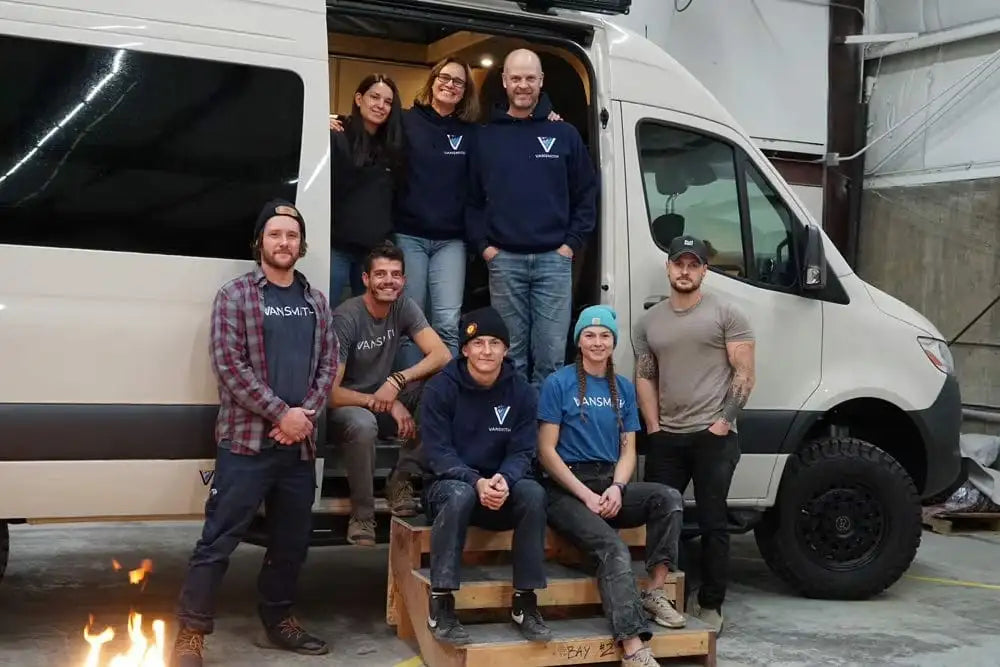
At The Vansmith, we guide buyers through every step-from platform selection to final build-ensuring your van suits your needs now and for years to come. Whether you need a work van, a family adventure rig, or a blank slate for your own ideas, our expertise is your shortcut to a van that’s ready for anything.
Cargo Van Buying Checklist: Questions to Ask
Before you sign on the dotted line, run through a few key questions: What’s the van’s payload? Will it handle your gear or planned build weight? How much interior height and cargo volume do you need? Do your routes demand all-wheel drive, or will a standard gas or diesel engine do the trick? Does your chosen van support factory upfitter programs to keep your build warranty-friendly? And don’t forget to check tech, safety, and comfort features on your trim.
Insurance and registration requirements vary by state and use. Make sure you know what’s needed for business or personal use-and if in doubt, reach out to The Vansmith. We help clients tackle these questions every day, from picking the right base van to securing the coverage needed for a custom upfit.
Connecting with The Vansmith: Next Steps
If you’re ready to start your cargo van journey, The Vansmith offers one-on-one consultations to help match you with the perfect platform. We build custom campers, work vans, and modular upfits for solo travelers, couples, and families, drawing on years of real-world experience and Colorado craftsmanship. Want to see what’s possible? Explore our gallery or check out ready-to-drive vans for sale.
Already own a van? We support window installs, electrical upgrades, suspension lifts, and more-even if your project is already underway. Our builds use eco-friendly materials, proven adventure-ready systems, and modular designs that evolve with you. Contact us or visit Boulder to discuss your project, and start your journey with our step-by-step process guide.
FAQ
What is a cargo van and how is it different from a passenger van?
A cargo van is built for hauling goods, with an enclosed rear area, no side windows, and no rear seats. Passenger vans are made for people-they have multiple rows of seats, rear windows, and extra safety features. Cargo vans are better for upfitting and business use because they offer a blank, reinforced interior. Learn more from Logrock.
Which cargo van models are best for camper van conversions in 2026?
The 2026 Ford Transit and Mercedes-Benz Sprinter are top picks for camper conversions. Both offer high-roof options, upfitter support, and available AWD, with payloads up to 5,110 lbs and interior standing heights over 80 inches. These features make them ideal for adventure builds. Check Transit specs.
What features should I look for in a 2026 cargo van for work or adventure?
Look for advanced driver assists (blind spot monitoring, lane-keep), high-roof options for standing room, 5G connectivity, upfitter switches, and factory support for easy electrical and HVAC installs. These features boost comfort, safety, and conversion potential. See 2026 Transit features.
How much does a new cargo van cost in 2026?
Base MSRPs in 2026 range from about $42,200 for a GMC Savana up to $52,000+ for a Mercedes-Benz Sprinter. The Ford Transit starts around $48,400, with price increasing for longer, high-roof, or AWD models. See Savana pricing.
Can I convert a cargo van for both work and adventure uses?
Yes, modular upfits make it possible to switch between work and adventure setups-especially with versatile platforms like the Transit and Sprinter. Professional upfitters like The Vansmith create builds that balance utility, comfort, and reversibility for changing needs.