By Santiago Pere, Chief Design Engineer, February 15, 2026
Quick answer - do you need AWD or 4x4 for a camper van?


If your routes are mostly paved roads, kept-up gravel, and now-and-then dirt access roads, a 4x4 camper van or AWD adventure van with better tires and a bit more clearance will handle the job. You still keep cost, weight, and upkeep lower. If you plan steady travel on steep, rutted, muddy, or rocky hard trails, or you tow heavy loads in remote terrain, a true 4x4 with switchable low-range gearing and lockers is worth the cost.
Short decision guide
Choose AWD when you want better daily traction in rain, light snow, and mixed road types while keeping things and cost down. According to testing from Edmunds, modern AWD systems are designed to improve on-road stability and traction in changing conditions with minimal driver input. Choose a full 4x4 conversion when you need crawl control, low-range gearing, and solid lockers for tough off-road driving and solo recovery ability. I tell many customers that most weekend and seasonal travelers get everything they need from AWD or targeted upgrades, and that helps keep ownership simpler.
Key definitions
- AWD: Automatic torque distribution across axles for better traction on mixed surfaces and in poor weather.
- 4x4 / 4WD: A selectable system with a transfer case that can provide equal torque front and rear and often offers a low-range gear set for slow-speed crawling.
- Low-range: A reduction gearset in the transfer case that multiplies torque at low speeds for technical climbs and recoveries.
- Lockers: Mechanisms that lock a differential so both wheels on an axle turn at the same rate, critical for getting through one-wheel-air or heavy-traction-loss situations.
How AWD and 4x4 systems differ (plain language)
AWD basics
AWD systems send torque on their own where the controls and basic diffs allow. (Wikipedia) They help on wet roads, loose gravel, and shallow snow by keeping the wheels that have traction working.
Factory AWD is simple to use and needs less upkeep than full 4x4 drivetrains. Edmunds notes that AWD systems are generally lighter and more fuel-efficient than traditional 4x4 setups, which is helpful for camper vans that already carry significant weight. AWD systems work well for trips and year-round weather without adding the heavy parts that come with conversions.
4x4 basics
True 4x4 systems include a switchable transfer case, and often low-range gearing and heavier driveline parts. These systems let you choose high or low range and, with lockers, firmly ensure wheel traction. That hardware is what lets a van or overland rig climb steep, rutted trails and pull itself out without outside help in many cases.
Real-world implications
AWD boosts traction but does not change gear ratios for crawling. 4x4 with low-range adds torque, which matters on steep or tough terrain.
Also think about heat and abuse limits. AWD controls handle brief slips and normal touring; constant low-speed torque in hard terrain can run parts too hot that were not built for heavy off-road duty.
In practice, that means AWD is great for most trips, while 4x4 is built for steady hard use.
When AWD Sprinter is the smart choice

Weather-focused touring
If you live in a place with frequent rain, now-and-then light snow, or icy patches on paved roads, AWD gives steady, auto traction gains at highway and backroad speeds. For many Vansmith buyers who winter or travel part of the year, AWD gives solid year-round capability without the penalties of a conversion. The National Highway Traffic Safety Administration also emphasizes that tire condition and proper inflation are just as critical for winter traction as the drivetrain you choose.
Mixed road surfaces and light unpaved access roads
For weekend trips, park gravel spurs, and kept-up forest service roads, an AWD camper van vs 4x4 setup usually makes more sense: AWD with good all-terrain tires and modest clearance will get you where you want to go. In the AWD vs 4WD camper van debate for this kind of use, you’ll get there more cheaply and with fewer upkeep demands.
Lower cost, lighter weight, simpler maintenance
AWD systems add some weight but far less than a full 4x4 conversion. That means better fuel use and fewer extra service points. Vansmith advice for most touring buyers is to put money into tires, suspension mods, and careful route planning before spending for full 4x4 hardware.
Example: AWD Sprinter and similar factory systems
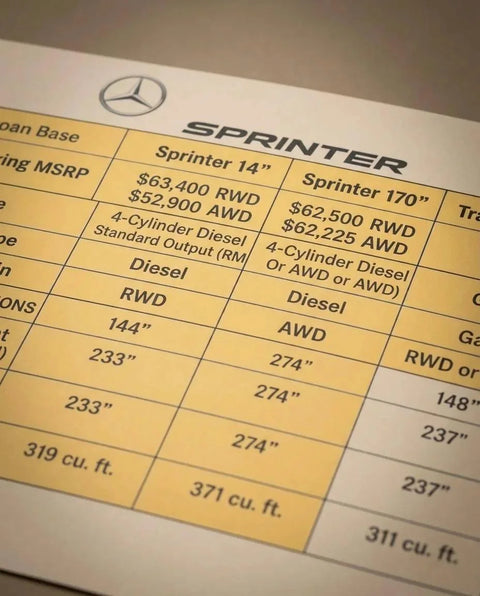
Factory AWD Sprinter setups give useful traction gains for mixed weather and light dirt-road access. According to Mercedes‑Benz Sprinter specifications, the latest models offer advanced traction and stability systems that pair well with AWD for this kind of use. They are a practical choice for couples and solo travelers who value dependability and lower ownership complexity.
When full 4x4 (low-range) is necessary
Technical trails, steep grades, deep ruts and mud
If your plan is steady travel on tough trails with steep climbs, deep ruts, or rock ledges, you need low-range gearing and the strength of a 4x4 driveline. That’s true whether you’re starting from pre-built campervans or a custom build. Many turnkey camper vans and even a factory-built camper van can handle rough roads, but without true low-range you risk stalling, running driveline parts too hot, or becoming unrecoverable without outside help.
Heavy payloads, trailers, and extreme recovery scenarios
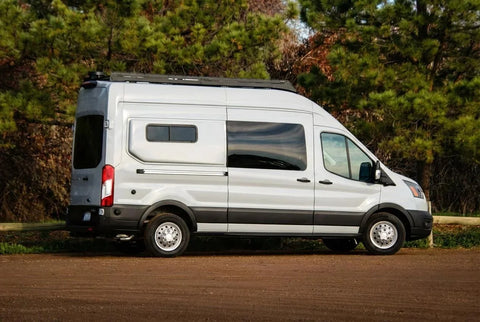
High payloads and towing increase the stresses on driveline parts. A well-built 4x4 conversion with better parts, stronger axles, and attention to driveline alignment is the right choice. Choose it if you need to pull trailers or carry heavy loads off-pavement frequently. For reference, Ford Transit cargo van specs show how quickly payload and towing numbers can climb once you add camper gear, water, and accessories.
Benefits of lockers, low-range, and upgraded driveline components
Lockers give the sure traction often needed to finish a tough section. Low-range gives the torque boost to climb and crawl slowly without pushing the engine or transmission too hard. Upgraded parts extend service life and cut the chance of major failure deep in the backcountry.
What most vanlifers actually need — recommended combos
Day-to-day touring setup: AWD or RWD plus tires and clearance
Most Vansmith buyers find the best balance in AWD Sprinter models or RWD vans fitted with good all-terrain tires, a modest suspension lift, and skid protection where needed. Combine that with smart packing and you get strong ability for 90 percent of routes. You get this without paying for or carrying the weight of a full conversion. See related Vansmith content like How to Choose the Best 4×4 Camper Van for Remote Van Life and Best Suspension Upgrades for Adventure Vans for deeper guidance on trade-offs and upgrades.
Overland setup: factory 4x4 or professional conversion
If your trips require frequent remote overlanding, a factory 4x4 or a pro conversion built around low-range gearing and heavy-duty driveline parts is the right investment. Plan for added weight, fuel cost, and maintenance checkpoints during long trips. The Vansmith Off-Road Package for Ford Transit is an example of a curated solution for customers who want higher capability with expert installation and warranty-backed service.
Cost, weight, and efficiency trade-offs
True 4x4 conversions add weight and drivetrain drag. That lowers fuel use and adds service complexity. If your use case does not demand low-range and lockers, those trade-offs are often not worth it. EPA estimates on 4WD vans and SUVs show that four-wheel-drive versions typically use more fuel than comparable two-wheel-drive models, which is worth factoring into long-term travel budgets.
Retrofits, conversions, and upgrades — pros, cons, and gotchas
4x4 conversions: complexity, driveline alignment, legal and insurance issues
Conversions are complex and must be built to avoid driveline shake, early wear, and certification issues. Insurance and registration can be affected depending on conversion methods and local rules. Work with experienced professionals and document the build to maintain resale value and compliance.
Simpler upgrades: tires, limited-slip diffs, and suspension lift
Upgrades like better tires, a lift for more clearance, and limited-slip diffs often give the ability most owners need at a fraction of the cost and complexity of a conversion. Focus on those before committing to heavy drivetrain changes.
Fuel economy, maintenance, resale, and certification
Expect lower fuel use and more often service with full 4x4 systems. Keep receipts and build notes for resale and warranty reasons. For buyers who later want to sell, clear records of pro work preserve value.
Practical driving and maintenance tips for marginal terrain
Tire pressure, momentum, route planning, and recovery kit basics
Lower tire pressure for traction on soft ground but restore pressure for road travel. Carry a basic recovery kit, a hi-lift or shovel, straps, and a small air pump. Plan routes with care and know turnaround points.
When to turn back — safety and minimizing damage
Turning back is better than risking a costly tow or damage. If a section is beyond your van’s clearance or traction, find another route or wait for better weather.
Not sure whether an all-wheel-drive camper or a 4x4 adventure van is right for your build or next rig? contact us to talk through your routes, driving style, and budget before you commit.
Short case studies and examples
AWD Sprinter on wet and gravel forest roads
An AWD Sprinter with all-terrain tires and modest clearance handled long wet gravel spurs and winter snow with steady traction and no drivetrain issues. For many trips of this type, AWD is the simple, lower-risk choice.
4x4 converted van on technical alpine approaches
A pro-built 4x4 van with low-range and lockers made it through steep alpine climbs and deep ruts. In the same terrain, an AWD setup could not move on without risk of overheating or being stuck. That kind of off-road camper build makes sense when you expect to use it often in those places.
Conclusion — recommended decision flow and checklist
Buyer checklist: routes, payload, budget, maintenance access
- Routes: Are you doing technical trails or mostly paved and maintained gravel?
- Payload: Do you carry heavy gear or tow frequently?
- Budget: Can you accept higher upfront cost and ongoing maintenance for 4x4?
- Maintenance access: Can you access specialized service if a conversion needs attention?
Final short recommendation paragraph
For most vanlifers, AWD or a well-set-up RWD build with tires and modest clearance offers the best mix of ability, cost, and reliability. If your trips often demand slow-speed torque, mechanical lockers, and no-compromise off-road ability, invest in a properly engineered 4x4 conversion or a factory 4x4 model. When making the decision in the AWD vs 4x4 camper van comparison, prioritize safety, documented professional work, and sensible upgrades that match your intended routes and payload.
FAQ
Is AWD the same as 4x4 for a camper van?
No. AWD usually sends torque on its own for better traction on mixed road types and in poor weather. 4x4 with a switchable transfer case and low-range gearing gives hard gearing and often locking diffs needed for tough off-road routes.
Will AWD Sprinter models handle dirt forest roads and snow?
Yes for most kept-up gravel roads, wet roads, and light-to-moderate snow. AWD Sprinters improve traction in these cases but are not a stand-in for low-range gearing and lockers on tough trails.
When should I spend extra for a 4x4 conversion?
If you plan steady travel on steep, rutted, muddy, or rocky tough trails, a factory 4x4 or pro conversion with low-range gearing and heavy-duty driveline parts is worth the cost. The same is true if you tow heavy loads in remote areas or need maximum crawl control and recovery independence.
Can I get by with RWD and upgrades instead of AWD or 4x4?
Often yes. Upgrading tires, raising ground clearance, fitting limited-slip diffs or diff locks, and practicing good driving habits will handle many touring situations. You still keep cost, weight, and upkeep lower than full 4x4 systems.
How do AWD and 4x4 affect fuel economy and maintenance?
Both add weight and drivetrain drag. True 4x4 conversions usually cut fuel use more than AWD. More complexity adds service items such as transfer cases and extra diffs, and bad installs risk driveline wear and legal or inspection problems.
Request an Off-Road Check: Book a consult or request the Vansmith Off-Road Package review to match your routes and payload with the right drivetrain. Request an Off-Road Evaluation
About the author

Santiago Pere
Chief Design Engineer
Santiago is Chief Design Engineer at The Vansmith. He writes on topics spanning van design, builds, and life on the road.
Read more about Santiago