The best reason to use a van as camper is the unmatched freedom it gives you to travel, live, and work almost anywhere-urban or wild-with comfort and control over your space. Vans are flexible, cost-effective, and can be personalized to fit your adventures, whether that's a quick weekend escape or full-time living on the road. With smart planning and the right accessories, you can turn even a compact van into a functional home-on-wheels that saves money, supports off-grid living, and keeps resale value strong. Choosing professional expertise, like The Vansmith’s, only amplifies these benefits by blending craftsmanship with real-world know-how.
Why Choose a Van as a Camper? Key Benefits and Lifestyle Advantages
 When you look at the van as camper movement, the appeal is clear: flexibility, adaptability, and real comfort. Unlike bulky RVs, a well-built camper van lets you travel to remote trailheads or city centers with equal ease. Stealth camping becomes possible, since a van can blend into the background in places where RVs stand out. This opens up a whole world of travel options, whether you’re chasing sunsets in the mountains or catching a show downtown, as described by Mango Vans.
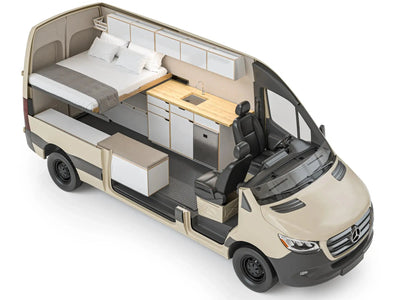
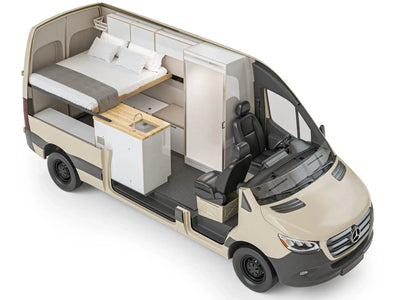
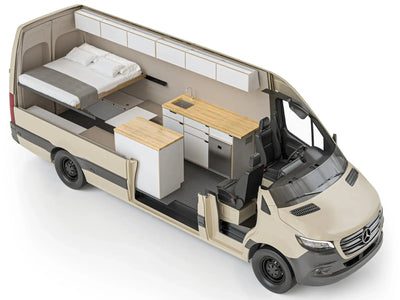
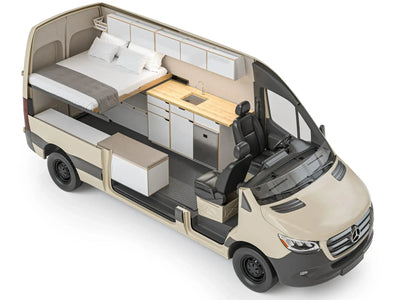
Custom conversions make the most out of every square inch. Clever design turns a compact van into a space with a bed, kitchen, and storage-sometimes all in one area. You get to pick the layout, wood finishes, and even the color of your cabinets. There’s a real joy in tailoring a van to your lifestyle, as you’ll see in the Vansmith’s custom van design process.
A van as camper doesn’t just look cool-it’s also a financial win. Instead of paying for hotels, restaurants, or pricey rentals, you sleep in your own bed and cook your own meals. Many van owners save hundreds of dollars each month this way. Plus, modern vans are built to last, with fuel efficiency and comfort that make long drives easy. They also hold their value, especially when you use quality materials and systems.
For those who want to live off-grid or tread lightly on the planet, vans can be set up with solar panels, great insulation, and efficient appliances. This makes it possible to camp for days-or even weeks-without plugging in. With a van as camper, you’re free to explore and live on your own terms.
Freedom and Flexibility: The Core of Van Life
It’s hard to beat the freedom that comes from van life. You can change plans on a whim, follow the weather, or discover a new favorite spot without worrying about reservations. Some of the best campsites are the ones you stumble upon by accident. Because vans can get into tighter spots, you have access to places that RVs can’t reach, from hidden trailheads to quiet forest roads. This ability to explore more is highlighted by Mango Vans.
For remote workers, the van as camper becomes a mobile office. With a solid power setup and a comfy table, you can send emails from a lakeside view or join a video call with a mountain backdrop. This flexibility is why so many digital nomads are turning to van life.
Cost-Effectiveness: Comparing Van Campers to Other Options
One of the biggest draws is the cost. A basic DIY conversion can start around $10,000-$20,000 (not counting the van), while a pro build might range from $50,000 to $120,000+. These numbers, shared by Mango Vans, show there’s a path for every budget. Even if you go all-in with a high-end conversion, you’ll save over time by skipping hotel bills and eating home-cooked meals on the road.
Another big plus: vans can double as your daily ride. Unlike most RVs or trailers, you can drive a camper van to work or the grocery store without hassle. It’s utility and adventure in one package. If you want to see what these conversions look like, check out Sprinter van builds and Transit van options on The Vansmith site.
Steps to Converting a Van to a Camper: Essentials for Comfort and Safety
 Turning a van into a genuine camper isn’t just about throwing a mattress in the back. It starts with careful planning-mapping out where you’ll sleep, cook, and store your gear. Think about your layout, insulation, wiring, plumbing, and safety features. These basics set the stage for a build that’s both comfortable and safe, as outlined by The Van Conversion Guide.
Bed design is a major decision. Some people go for a convertible bench that turns into a bed at night. Others pick a fixed platform bed or a Murphy-style fold-down to save space. Your choice will shape everything else in your van.
A simple kitchen makes a huge difference. With a sink, stove, and compact fridge, you can make coffee at sunrise or cook a real meal after a long hike. Ventilation matters too-roof vent fans are the gold standard for keeping air fresh and managing moisture.
Off-grid power is now within reach thanks to solar panels, lithium batteries, and inverters. These systems run your lights, fridge, and devices without needing a campground hookup. Don’t forget safety: install smoke and CO2 detectors, a fire extinguisher, and secure storage for propane or flammable items. For water, you can keep it simple with jerry cans or go bigger with built-in tanks and pumps, depending on your needs. For more DIY tips, browse our van conversion blog.
Insulation, Ventilation, and Climate Control
Insulation is a game changer for van comfort. Foam board, sheep’s wool, and spray foam each have their strengths, offering different levels of warmth and moisture control. This keeps your van cozy in winter and cool in summer. Good airflow is just as important. Brands like Maxxair and Dometic make roof vent fans that pull in fresh air and push out heat or humidity.
If you want to camp year-round, consider adding a diesel or propane heater. For summer, portable fans or even small AC units help manage temperature swings. This is especially important for families or anyone traveling in extreme climates. To learn about upgrading your van’s insulation and ventilation, explore The Vansmith Foundation builds.
Essential Safety and Security Upgrades
Safety should always be front and center. Install smoke and carbon monoxide detectors anywhere you sleep, and keep a Class B/C fire extinguisher close to the kitchen. Upgraded locks and alarm systems go a long way toward keeping your van and belongings safe, especially if you’ll spend time in cities or busy campgrounds. For more about secure storage and safety, check out The Vansmith’s process page which covers how safety gets built into every project.
Van Camper Ideas: Layouts and Creative Solutions for Every Lifestyle
 Every van owner needs a layout that matches their adventures. Convertible setups-like beds that turn into seats or tables that fold away-are perfect for making the most of small spaces. Modular cabinets and storage can be swapped out as your needs change, whether you’re heading out solo, with your partner, or with the whole family, a concept often showcased by Mango Vans.
Swivel seats for the driver and passenger are a real game changer. They open up the living area and make it easy to relax or work inside. Roof racks and bike mounts keep your gear outside, freeing up valuable interior space. Removable Lagun tables offer flexible space for eating or working, and pop-top conversions add standing room and extra sleeping quarters-especially nice for families with kids.
Want to sleep sideways in a van? Flares (side bump-outs) can give you up to 10 extra inches of sleeping space in Sprinter and Transit vans. That’s a big deal in a small space. If you’re curious about pop-top options for more headroom, browse Vansmith's pop-top collection.
Family-Friendly and Couple-Focused Layouts
Families need creative sleeping setups. Bunk beds or a dinette that transforms into a bed can fit several kids, while partitioned storage keeps everyone’s gear organized and safe. Couples often prefer a fixed bed, a larger kitchen, and extra storage for adventure gear. For layout ideas built with families or couples in mind, see Vansmith’s family van builds or vans for couples.
Workspace and Remote Living Solutions
Remote work is easier than ever with van camper ideas like laptop-friendly tables and plenty of power outlets. Window coverings and dimmable LED lights help create privacy and focus when you’re working on the road. For those who rely on strong internet, Wi-Fi antennas or cellular signal boosters like WeBoost can make a huge difference, as recommended by Vroom.zone.
Must-Have Van Camper Accessories: Tools and Gear for Comfort and Function
A smart accessory setup is key to comfort. Every van camper should have a basic toolkit-think cordless drill, jig saw, and screwdrivers-for quick fixes or upgrades. Swivel seat bases and removable Lagun tables add comfort and flexibility, making downtime in the van much more enjoyable, according to Vroom.zone.
Roof racks and ladder systems let you haul kayaks, bikes, or extra cargo outside. Magnetic or roll-up bug screens keep summer nights bug-free while letting fresh air in. For cooking, portable induction cooktops or propane stoves make it easy to prepare meals inside or out. Bike racks and hitch-mounted cargo carriers expand your adventure gear options.
Power, Water, and Comfort Upgrades
Portable lithium power stations like Goal Zero or EcoFlow give you backup power for appliances, lights, or charging devices when you’re off-grid. Collapsible water containers and compact filtration systems make it easy to manage water supply and stay hydrated during long trips. Thermal window coverings help keep your van cool in summer and cozy in winter, while also giving you privacy, a must for stealth camping.
Safety, Security, and Connectivity Tools
Don’t overlook safety and connectivity. Heavy-duty locks and door stoppers protect your van, especially at trailheads or in cities. Onboard Wi-Fi antennas or satellite internet like Starlink keep you connected, no matter how far you roam. Fire extinguishers, first-aid kits, and emergency beacons are must-haves for every van camper setup. For more ideas, see our van build blog for gear recommendations and trip-ready tips.
Choosing the Right Van and Leveraging Professional Craftsmanship
Picking the right van is the foundation of a successful camper build. Mercedes Sprinter and Ford Transit vans are the most popular choices, thanks to their high-roof options and sturdy build. High-roof models are the overwhelming favorite among our customers-about 90% choose them, since standing headroom makes a world of difference for comfort and storage. Short wheelbase vans like the Sprinter 144 are easier to park and maneuver, while the longer wheelbase models (like Sprinter 170 or Transit Extended) offer more space for living and storage, as noted by Mango Vans.
If you want more natural light, look for vans with factory-installed windows. This makes the conversion process easier and brightens up your living space. Professional builds, like those offered by The Vansmith, take things to the next level with modular cabinetry, precision electrical work, and flawless finish details that add both value and day-to-day livability. Expert installers also make sure that all systems-electric, water, and heat-are integrated safely and built to last, as The Van Conversion Guide recommends.
A van as camper can be personalized for any lifestyle: whether you’re an adventure couple, a growing family, or a digital nomad. For a closer look at professional builds and features, visit The Vansmith’s process page and explore layout options like DUO XL or Family XL.
When to Consider Professional Conversion Services
Some parts of converting a van are best left to pros. If you want code-compliant wiring, integrated plumbing, or custom cabinetry that stands up to years of adventure, professional services are worth it. You’ll also get warranty support and aftercare-something DIY builds can’t always offer. Advanced features like pop-tops, high-end insulation, and integrated solar are tricky to DIY and are best handled by specialists.
The Vansmith: Built for Adventure, Crafted for Life
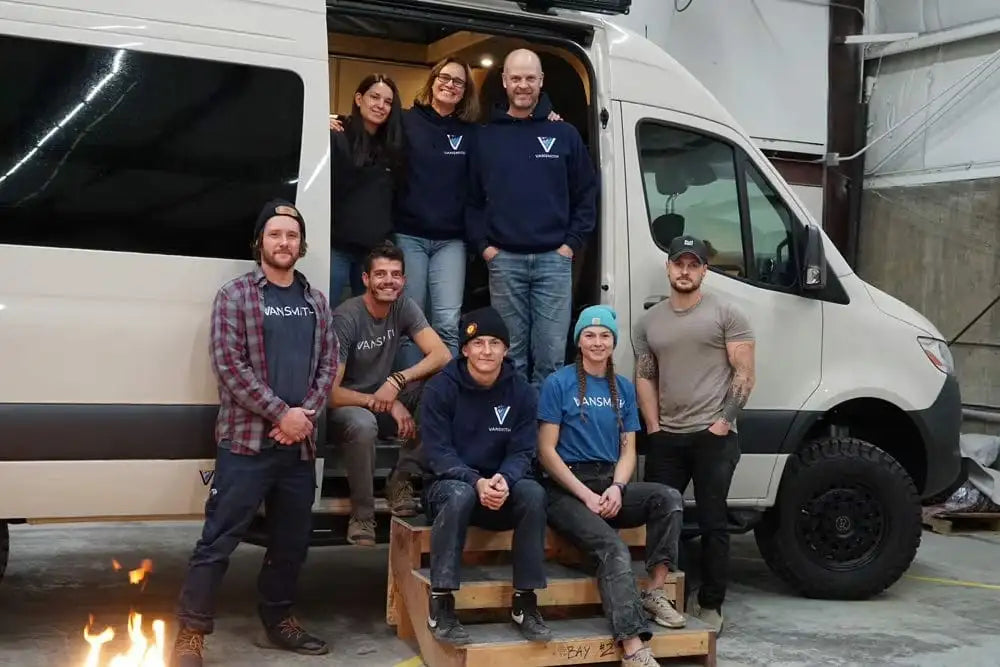
The Vansmith specializes in Sprinter and Transit conversions, with expertly designed layouts for every type of traveler-whether you’re a solo explorer, a couple, or a family. Their cabinetry, modular systems, and custom installs set a high bar for quality and design. Clients get the benefit of local Colorado craftsmanship, years of real-world expertise, and access to a full range of accessories and upgrades. If you’re ready to start your own van adventure, reach out through The Vansmith’s contact page.
FAQ
What are the main benefits of using a van as a camper?
Vans offer true flexibility and stealth, letting you camp in both cities and remote places. Custom conversions make the most of small spaces, with personalized layouts and finishes that fit your needs. Using a van as camper lowers your travel costs and keeps resale value strong-especially when you invest in quality materials and systems, as explained by Mango Vans.
How much does it cost to convert a van to a camper?
DIY van conversions usually cost $10,000-$20,000 for the basics, while professional builds range from $50,000-$120,000 or more, not counting the van itself. Your final price depends on the materials, systems, and how customized you want the build. This is covered in detail by Mango Vans.
What are essential accessories for a van camper?
Some must-have accessories include roof vent fans, swivel seats, roof racks, Lagun tables, magnetic bug screens, and a basic toolkit. These upgrades improve comfort, boost storage, and make your van feel like home. For a full list, check out Vroom.zone’s guide.
Which van models are best for conversion into a camper?
Mercedes Sprinter and Ford Transit vans are the top picks because of their high-roof options, reliability, and roomy interiors. Both are favorites for DIY and professional conversion projects, as confirmed by Mango Vans.
Is it better to convert a van myself or hire a professional?
DIY conversions give you more control and can be more affordable, but professional builds offer better craftsmanship, safety, and warranty support. If you want features like integrated solar, high-end plumbing, or custom cabinetry, hiring specialists like The Vansmith is the smart move, as The Van Conversion Guide recommends.