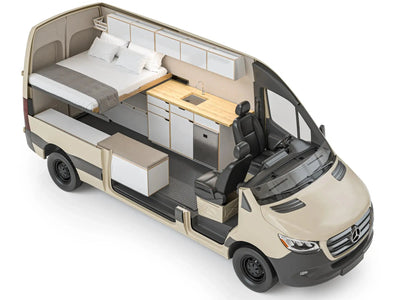
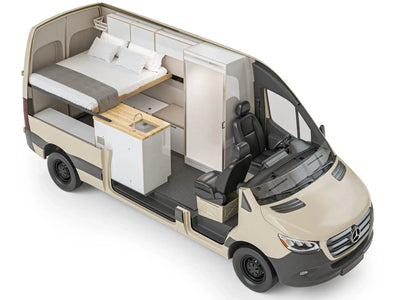
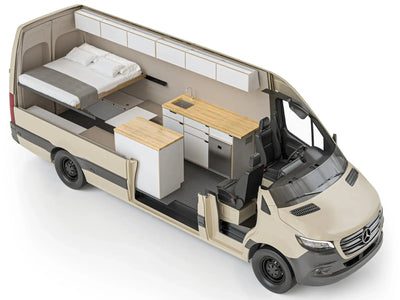
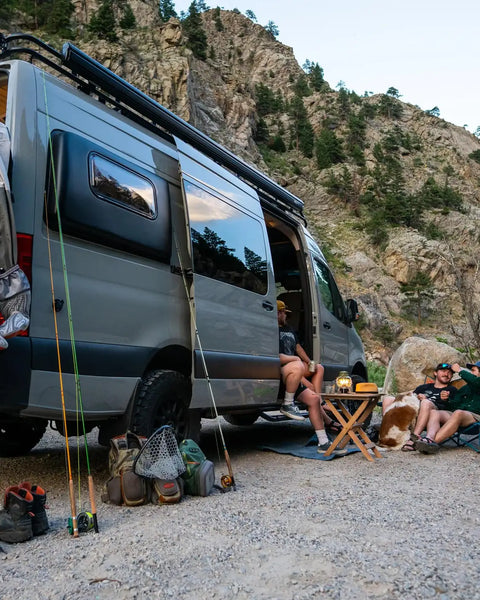
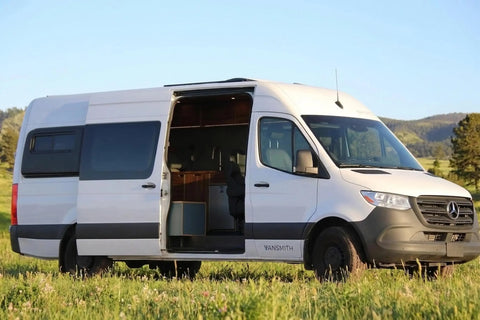
The Mercedes Benz Sprinter off road build starts with the factory 4x4 or AWD system, offering up to 8.9 inches of clearance and room for all-terrain tires as large as 32 inches without a lift. With upgrades like a 2-inch lift kit and the right recovery gear, you can safely explore moderate dirt roads, forest tracks, and rocky trails that most vans can't touch. Choosing the right tire size, lift, and recovery points makes the difference between worry-free adventure and getting stuck or damaging your van. Here’s how to make your Sprinter a true trail companion—without sacrificing reliability or safety.
What Makes a Mercedes Benz Sprinter Off Road Capable?
The Mercedes Benz Sprinter 2500 4x4 brings serious trail potential right from the factory. With selectable low-range and all-wheel-drive, you get control and traction on loose gravel, wet grass, or mild rocky terrain. According to Mercedes-Benz, the stock ground clearance of 8.9 inches is enough for most fire roads. Many people upgrade with aftermarket lift kits, boosting clearance to 11 or even 12 inches for extra peace of mind over ruts and rocks.
Sprinters come in three main wheelbases: 144-inch, 170-inch, and 170-inch Extended. Shorter wheelbases are easier to turn around tight mountain switchbacks, while long versions offer more living space but can scrape on sharp breakovers. Key off-road features on these vans include reinforced suspension, electronic traction and stability controls, and the factory’s robust 4x4 or AWD system.
The four wheel drive cargo van and AWD models are perfect for moderate dirt, gravel, and sandy trails. They’re not built for rock crawling or deep mud pits like a Jeep or Tacoma, but they’ll get you to remote camp spots most vans can’t reach. It’s important to remember that high-roof Sprinters (the most popular choice for conversions, including at The Vansmith) can have a higher rollover risk if packed top-heavy or driven aggressively off-road. Keeping heavy gear low and balanced helps keep things stable.
If you’re looking to make changes, OEM-approved upgrades—like tires, lifts, or recovery points—keep your van safe and covered by warranty. Going rogue with unapproved parts can risk your coverage and safety. The best off-road Sprinters are built with a mix of pro-level upgrades and careful attention to weight, balance, and the right trail choices. Customize your van with the right foundation, and you’ll be ready for just about any adventure.
Realistic Off-Road Trails for Sprinter Vans
Sprinter 4x4s shine on dirt roads, forest service tracks, and gravel trails with moderate ruts. Classic routes like Colorado’s Guanella Pass or Utah’s White Rim Road are perfect examples—scenic, a bit rough, but manageable for a van with good tires and a moderate lift. The longer your wheelbase, the more you’ll need to watch for high-centering on sharp breakovers or scraping rear corners on steep exits.
Trail ratings of ‘moderate’ or below are the sweet spot for Sprinters. Technical 4x4 trails, with big rocks or deep ruts, are simply too much for these vans, especially if you have a high-roof or fully built camper. Wet mud, loose sand, and snow are challenging, even with all-terrain tires and AWD. No tire can replace smart route planning and good weight distribution.
Keep in mind that the Sprinter 170” is nearly 23 feet long—tight trees or switchbacks will limit your options. Always have a plan for recovery, bring the right gear, and know your van’s dimensions before heading out. Even ‘easy’ forest roads can turn tricky fast, so don’t skip the basics: recovery boards, a bottle jack, and rated tow straps should be on your list. For more inspiration and real trail stories, check out our van build blog and DIY guides.
Tire Sizes for Sprinter Off Road Use: What Fits Without Rubbing?
Getting the right tire size is key for any Mercedes Benz Sprinter off road build. The factory-approved tire for most 4x4 Sprinters is LT245/75R16, which balances load, ground clearance, and steering clearance. This size is the safe bet for full-weight camper builds, letting you squeeze the most out of your van without risk of rubbing or ABS issues, as confirmed in the Mercedes-Benz guidelines.
On 2019–2025 Sprinter 4x4s, you can often fit a 275/70R16 (about 32 inches tall) tire with the right wheel offset and careful brand selection. Pushing to this size gives more ground clearance and a bigger footprint, but always check with hands-on test fitting before you commit. With a 2-inch lift, like the VanCompass or Agile Offroad kits, 265/75R16 or even 285/70R17 tires can fit—larger sizes may need tweaks like mudflap relocation or trimming brackets.
If you’re aiming for the biggest tire possible, a VanCompass 2-inch kit can take a 315/75R16 (that’s a 35-inch tire!), but this is a major job. You’ll need to modify mudflaps and brake cable brackets, and your speedometer may read off by up to 10%. Bigger tires can also put more strain on your van’s suspension and affect ABS or traction controls. For most builds, Load Range E (10-ply) all-terrain tires are the go-to for strength and durability off-road. Popular picks include BFGoodrich KO2, Falken Wildpeak AT3W, and Michelin Agilis CrossClimate—all proven on Sprinter builds and mentioned in real-world tire guides.
Going beyond the manufacturer’s recommended sizes isn’t just about fit—it affects your van’s ride, fuel economy, and long-term reliability. Always weigh the trade-offs, and when in doubt, get a pro to check your setup. For more on Sprinter tire upgrades and what our team recommends, visit our Sprinter conversion page.
Comparing Tire Options: Stock vs. Lifted Sprinters
Stock Sprinter 4x4s can safely run 245/75R16 (31-inch) or 275/70R16 (32-inch) tires without rubbing or major mods. These sizes keep things simple and work for most off-road trips where you want reliability above all. If you add a 2-inch lift, common on serious off-road builds, you can step up to 265/75R16 (32-inch) or 285/70R17 (33-inch) for even more ground clearance and grip.
Going up to 35-inch (315/75R16) tires is possible, but this route needs significant fender and mudflap work. The trade-off? You’ll feel slower acceleration, longer braking, and your speedometer could read off by as much as 10%. Wider tires can help on soft sand or loose dirt, increasing stability, but be ready for more spray on the sides and the risk of rubbing when you turn sharply or flex the van on rough ground.
Heavier, more aggressive tires add unsprung weight, which can make your van ride rougher unless you upgrade the suspension—Agile Offroad’s RIP Kit is a favorite for keeping things smooth. Always compare your options, test fit before you buy, and check both the factory guidelines and field reports. For more tire fitment stories and advice, our Your Van Build blog is a helpful resource.
Pros and Cons of Sprinter Lift Kits for Off Roading
Lift kits open up a world of new trails and tire options for Sprinter owners. Most kits range from 1.5 to 2 inches, like the Agile RIP Kit or VanCompass, or about 1.6 inches (40mm) with DLAutoDesign. The extra height makes a real difference over ruts, rocky shelf roads, and deep snow, especially when your van is fully loaded for a weekend (or month) off-grid. These lifts use bolt-on components and, in the case of premium kits, tuned shocks like the FOX 2.0 to keep your ride smooth both on the highway and in the rough.
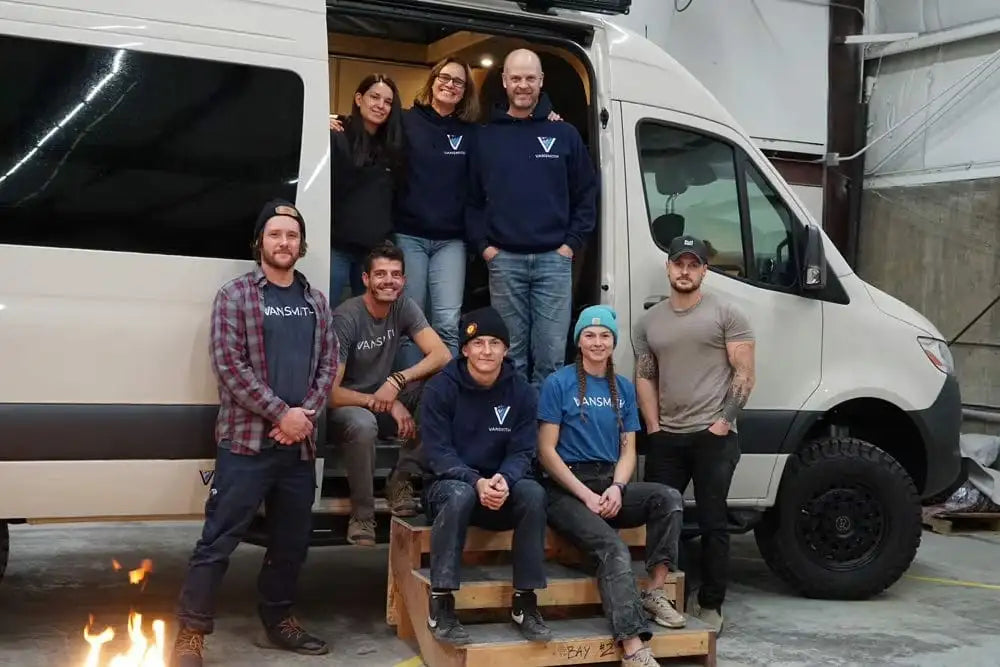
A modest lift—under 2 inches—avoids most of the issues that extreme lifts can create, like premature wear on CV joints or misalignment. Go too high, and you might need to adjust the driveshaft or brake lines. Professional installation is the smart move here, since getting the alignment and geometry right is key for safe, long-lasting results. A shop like The Vansmith can assess your build, weight, and tire goals to recommend what’s best for your real-world use.
Lifting your Sprinter and adding larger tires will raise the center of gravity. That means you’ll need to drive more carefully on side slopes or quick turns, especially with a high-roof build. Aftermarket lifts, when installed per Mercedes-Benz guidelines, usually don’t void the whole van’s warranty, but the coverage on suspension parts may change. For anyone planning big adventures, the benefits of extra clearance and capability usually outweigh the trade-offs—especially when paired with smart, balanced van design.
Lifted Sprinters do need a little more attention after the fact: periodic retorquing of bolts and tire balancing help keep things safe and smooth. For foundation builds that blend off-road readiness with daily comfort, see our Foundation builds page.
Popular Lift Kits: Features and Real-World Considerations
The Agile Offroad RIP Kit is one of the most popular choices, offering a true 2-inch lift, custom-tuned rear leaf springs for camper builds, and FOX 2.0 shocks. It’s designed for real-world use, loaded or empty, and helps smooth out both highway miles and rough trail sections. The DLAutoDesign 40mm lift kit fits 2019+ Sprinters and allows tire sizes like 265/70R17 or 275/65R18, with basic drilling needed for install.
For maximum height, VanCompass’s 2-inch lift allows up to 35-inch tires when combined with fender and bracket mods. Some kits bundle in upgraded shocks and springs, which improve both ride and handling on paved and dirt roads. Lifts beyond 2 inches may demand extra work, like adjusting brake lines or driveshafts, to avoid mechanical problems down the road. Always have a pro check alignment and geometry after a big lift. If you’re not sure which kit suits your family, couple, or solo build, reach out to The Vansmith for expert help and a tailored approach.
Lifted vans require ongoing care—bolts may need retightening and tires rebalancing after hard use. That’s a small price for the peace of mind and extra trail access you gain. For families or adventure couples looking for a solid, safe upgrade, our Family van and Couple van conversions are built to handle the real world, from highways to high mountain passes.
Off-Road Recovery Points and Safe Recovery for Sprinter Vans
Every off-road adventure comes with a bit of risk: a sudden mud patch, a hidden rock, or a snowy rut can leave even the best-equipped van stuck. The Mercedes Benz Sprinter is built with safety in mind, offering factory jacking and recovery points—rear axle, front A-arm bolt, and a reinforced front lift area. These are the only spots you should use for jacking or winching, especially on uneven ground, as highlighted by Safe Jack.
Stock pinch welds may not be enough for off-road recovery, so many owners pick up aftermarket recovery kits with custom pads that fit OEM lift points. If you’re adding new bumpers, look for those with integrated recovery points rated for at least 7,500 pounds (the Sprinter 2500 4x4 GVWR is up to 9,050 pounds). For trail fixes and tire changes, a bottle jack rated for 6 tons or more is a must. Recovery boards, tow straps, and shackles should always be rated for your van’s full weight.
Knowing how to use this gear is just as important as having it. Improper recovery can damage your van or cause injury. Lifted vans may also need taller jacks or extensions to reach recovery points. For a complete recovery setup and best practices, check out Safe Jack’s Sprinter recovery kit and our DIY resources.
Best Practices for Recovery and Trail Safety
Every serious off-road trip should start with a recovery kit: a quality bottle jack, recovery boards, rated tow straps, gloves, and a shovel. Before you hit the trail, learn where all the factory and aftermarket recovery points are on your van. Never use body panels or non-reinforced spots—they’re not strong enough and can cause real damage.
Always check the rating of your gear. Sprinter vans, especially after conversion, often weigh over 6,000 pounds. Using under-rated straps or jacks is a recipe for trouble. On sand, mud, or snow, recovery boards are a lifesaver—often letting you drive out without pulling or jacking at all. If your van is lifted, make sure your jack can reach the recovery points. One thing many first-timers miss: after a lift, the stock jack often isn’t tall enough.
Consider taking a recovery class or joining a guided trail run before heading into remote areas. It’s an easy way to build skills and confidence. If you’re planning a complex build or want pro-level recovery solutions, our consultation process ensures your van is ready for whatever you throw at it.
FAQ
What is the largest tire size I can fit on my Mercedes Benz Sprinter 4x4 without rubbing?
On a stock 2019–2025 Sprinter 4x4, the largest commonly recommended tire size is 275/70R16. With a 2-inch lift and some modifications, you can fit up to 285/75R16 or even 315/75R16 (35-inch) tires, though you’ll need to move mudflaps and brackets for the biggest sizes. Always check with both manufacturer guidelines and test-fit before committing to a new tire setup.
Will installing a lift kit void my Sprinter’s warranty?
If your lift kit is installed according to Mercedes-Benz upfitter guidelines and you use quality components, a moderate lift (under 2 inches) generally won’t void the whole vehicle warranty. However, coverage for suspension or drivetrain parts may change, so it’s wise to double-check with your dealer before starting any upgrades.
What recovery points should I use for safe off-road jacking on a Sprinter?
Always use the factory-designated recovery points: the rear axle, front A-arm bolt, and the reinforced front lift location. Specialized jacks and recovery pads, like those from Safe Jack, adapt to these spots and help avoid damage during extractions or tire changes on uneven ground.
Are all-wheel-drive Sprinter vans suitable for technical off-road trails?
AWD and 4x4 Sprinters do great on moderate trails, rough dirt roads, and gravel tracks. They’re not made for technical rock crawling or deep ruts like a purpose-built 4x4 truck. The van’s length, weight, and limited wheel articulation mean you’ll need to stick to trails rated ‘moderate’ or easier for safe, fun adventures.
What are the pros and cons of lifting a Mercedes Benz Sprinter for off-road use?
Lifting your Sprinter increases ground clearance and allows for larger tires, which means you can tackle rougher trails and avoid bottoming out. The trade-off is a higher center of gravity and some impact on handling, especially in high-roof builds. Quality lift kits maintain ride comfort and safety, but extreme lifts or poor installs can bring new mechanical headaches or affect warranty coverage—so always work with a trusted professional.