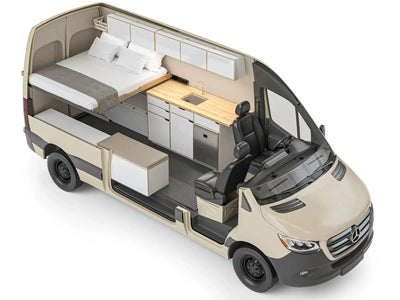
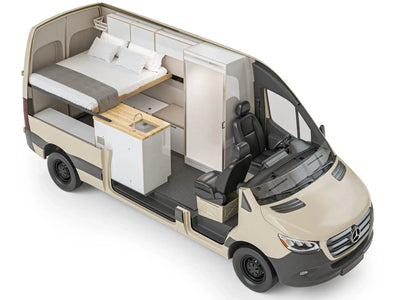
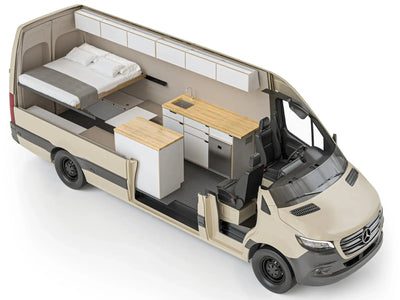
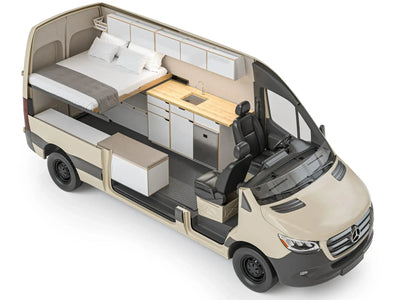
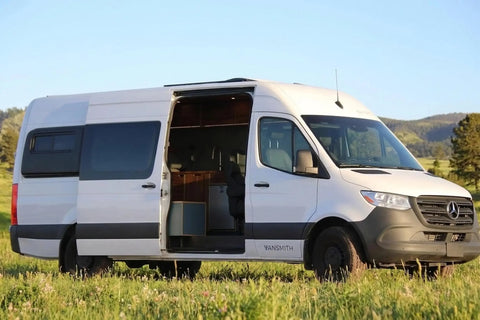
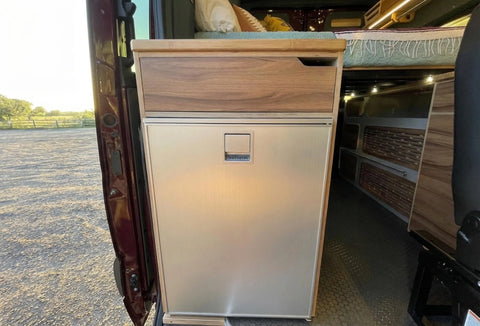
The right cargo van bed height is the key to fitting bikes, skis, or even a dirt bike under your bed—most adventure builds set their bed platform about 36 inches off the floor to balance gear storage and sleeping comfort. This sweet spot gives you enough garage space for mountain bikes and gear, while letting you actually sit up in bed. The real trick is using garage math: start with your van’s ceiling height, then subtract mattress thickness, bed platform, and the headroom you need. The Vansmith has done the math carefully - your back (and your bikes) will thank us!
Understanding Garage Math: The Foundation of Cargo Van Bed Height
Garage math is the process of figuring out exactly how much space you’ll have under your cargo van bed after you account for every layer between the floor and the ceiling. It’s all about the numbers—take your van’s interior ceiling height, then subtract the thickness of your mattress, the bed platform, and the headroom you want above your mattress. What’s left is your garage clearance, and that’s where your bikes, skis, or gear will live. This is the formula The Vansmith uses on every custom build, and it’s the first step to a van that actually works in the wild.
The standard formula is simple: interior ceiling height minus (desired headroom + mattress thickness + bed platform thickness) equals your available garage space. For example, if your van has a ceiling height of 78 inches, you pick a 5 inch mattress, a 1 inch bed platform, and you want 34 inches of headroom, you’ll end up with 38 inches of garage clearance. That’s just enough for most mountain bikes—with the front wheel on.
- Measure your finished interior ceiling height (after insulation and panels).
- Decide how much headroom you want above the mattress for sitting up.
- Choose your mattress thickness based on comfort vs. garage space.
- Account for bed platform thickness (plywood, aluminum, or steel).
- Use the formula: ceiling height − (headroom + mattress + platform) = garage clearance.
- Compare your garage clearance to the actual height of your bikes, skis, or moto.
- Mock up the height with boxes or sawhorses and sleep on it before you commit.
Mattress thickness makes a big difference. Minimalist setups use 3 or 4 inch high-density foam, but if you’re full-timing or just want real comfort, 5 or 6 inches is more like it. Thicker mattresses eat into your garage space, so it’s always a balance. Platform thickness also matters—3/4 inch plywood is common, but aluminum or steel can get you more strength at the same or even less thickness. Aluminum frames can support 600 to 1,000+ pounds, while steel goes even higher, though it adds weight.
Most adventure van builds land between 20 and 26 inches for their bed platform height (measured from the van floor to the bottom of the platform). This range gives you enough garage to store bikes or outdoor gear while still letting you move around in bed. But remember, your van’s interior ceiling height is the main limiting factor. A Sprinter High Roof gives you about 78 to 79 inches, a Transit High Roof is about 81 inches (the tallest in the group), and a ProMaster High Roof offers around 76 inches—before you add insulation and interior panels, which usually take away 1 or 2 inches. According to manufacturer specs from Mercedes-Benz, Ford, and Ram, these interior height ranges are typical for current high-roof cargo models. For more on garage math and real-world tips, check out The Vansmith’s garage math guide.
Mock-ups are absolutely worth the effort. Use cardboard boxes, sawhorses, or a temporary platform to test your planned bed height. Spend a night on your setup to see if you can sit up, roll over, and stow your gear comfortably. As GoCode Overland points out, this step is what separates a dialed build from a headache on wheels.
Breakdown of Ceiling Heights in Popular Cargo Vans
The 2025 Mercedes Sprinter High Roof has an interior height of 78.2 inches with trim, sometimes hitting 79 inches in certain models. That’s a solid baseline for adventure builds. The 2025 Ford Transit High Roof is the giant here, with an interior height of about 81 inches—great for taller folks or anyone wanting extra garage capacity. The 2025 Ram ProMaster High Roof comes in a bit shorter at 76 inches, but its square walls can help with some platform designs. These measurements come before you add insulation, ceiling paneling, or flooring, which typically take away 1 to 2 inches of usable height. You can see the full breakdown on OZK Customs’ roof height comparison.
The load floor height is another factor, especially if you’re rolling bikes or a moto into the garage. For Sprinters, the floor sits about 27 to 28 inches above the ground, which affects ramp angle and access. Trim levels and factory options might change interior heights a bit, so always check your specific van’s data. And don’t forget about your home or parking garage—high-roof vans often need at least 7 to 8 feet of clearance. More details are available in the Mercedes-Benz Sprinter dimensions and Subzero Technologies spec tables.
How Mattress and Platform Choices Affect Sleeping Comfort
Choosing the right mattress for your van bed isn’t just about sleep—it’s about how much garage space you’re willing to trade. A 3 to 4 inch high-density foam mattress is fine for short trips or if you like things firm, but most full-timers go for 5 or 6 inch memory foam or hybrid mattresses. That extra thickness means you’ll lose a couple of inches below for storage, but your back will thank you after a week on the road.
Your platform matters too. A deck made from 3/4 inch plywood supports 400 to 600 pounds, fine for most setups. Aluminum frames can handle 600 to 1,000+ pounds and are lighter, letting you keep the platform a bit thinner. Steel is the king of strength but adds a lot of weight, cutting into your van’s payload rating and possibly affecting handling. The combined height of mattress and platform usually adds up to 4 to 7 inches, so every inch really counts. As AAA notes in its guidance on vehicle weight and performance, extra weight can impact handling, braking distance, and fuel economy—important considerations when you’re adding heavy bed structures.
Some builders try thinner mattresses to gain more garage space, but that can mean rough nights—especially for side-sleepers or couples. Modular or slatted bed systems are a smart compromise, letting air flow and sometimes shaving a half inch or more from the platform thickness compared to solid plywood. These modular platforms also make it easier to remove or adjust your bed if you ever need to haul something big. You can read more about these choices in the Vansmith DIY blog and on GoCode Overland.
Gear Clearance Benchmarks: Bikes, Skis, and Motos Under Your Van Bed
Getting your van bed height right is all about knowing what you want to carry. Most mountain bikes need at least 36 to 40 inches of vertical clearance with the front wheel on. XL frames, e-bikes, or wide handlebars can push that even higher. Road bikes and kids’ bikes are easier, usually fitting in 32 to 36 inches, but always check the handlebar height and width before building.
Dirt bikes are the real challenge—they usually need 40 to 44 inches of vertical clearance. If you want to keep your moto inside, you’ll need a high-roof van and a raised bed platform, or an adjustable system. Skis are friendlier: standard alpine skis fit under a bed in 12 to 18 inches of space if stored flat, but if you want them to stand up, you’ll need much more vertical room, which can be tough to get under a fixed bed.
A 24 inch platform height (floor to bed bottom) is a sweet spot for mountain bikes with the front wheel off, but won’t quite fit most dirt bikes or XL e-bikes unless you push your ceiling to the max. Adjustable bed systems, like the MOAB Traverse, let you set bed height anywhere from 10.5 inches up to 67.5 inches off the floor, so you can go low for sleep or high for gear—super handy for anyone who hauls different toys throughout the year. Learn more about these systems on Adventure Wagon’s MOAB Traverse page.
Vertical mounting (using fork mounts or hangers) can sometimes shave 2 to 4 inches off your platform height, but it can make loading and unloading a little trickier. If you want to dive deeper into how to fit your gear, check out The Vansmith’s van build blog for real-world solutions.
Case Study: Calculating Bed Height for a Sprinter 170 High Roof
Let’s use a 2025 Sprinter 170 High Roof as a real-world example. This van gives you about 78 inches of interior ceiling height before you add insulation. With 2 inches for insulation and ceiling, a 1 inch plywood platform (including hardware), and a 5 inch mattress, you’re left with 70 inches from the floor to the top of the mattress. If your bed platform sits 38 inches above the floor, you get 38 inches of garage space—enough for most mountain bikes with the wheels on. But above the mattress, you’ll have only about 32 inches of headroom—not quite enough to sit up, but that’s common in adventure builds.
If you drop the bed platform to 24 inches, you gain more headroom (about 46 inches) but lose the ability to fit a dirt bike or XL bike below. Families sometimes go even lower for bunk setups or easier access, and store bikes outside or in a swing-out box. Whatever your needs, always mock up the build before you commit. A cardboard test can save you a lot of headaches. For more layout strategies, visit The Vansmith’s custom van design page or see PlanCamper’s Sprinter guide.
Trade-Offs Between Sleeping Comfort and Gear Storage
Raising your cargo van bed means more space for bikes or a moto below, but less ability to sit up or move comfortably above the mattress. Lowering the bed is great for sleep comfort—especially if you’re tall or like to sit up—but that can make it tough to fit larger gear in your garage. Most couples who travel for adventure accept reduced headroom for secure bike storage, while families may prioritize bunks or convertible beds for easier access and more sleeping space.
Adjustable or removable bed systems offer flexibility, letting you sleep low when you don’t need the full garage and go high when you do. That flexibility does come with extra weight, cost, and complexity. Full-time vanlifers tend to go with thicker mattresses for long-term comfort, even if it means sacrificing a bit of garage space. Weekend warriors or part-timers can often get by with a thinner mattress and higher bed.
Materials also play a part. Plywood is simple and light, aluminum gets you higher load ratings with less weight, and steel is bombproof but heavy. Always keep your total build weight within the van’s payload rating. According to NHTSA guidance on vehicle weight and loading, overloading or improper weight distribution can negatively affect braking, stability, and crash safety—key factors when you’re adding heavy bed platforms and gear. For adventure-optimized layouts, Murphy beds or modular platforms can give you both storage and headroom. See more options in the Vansmith Foundation builds collection or on PlanCamper.
Adjustable and Modular Bed Systems: Maximizing Flexibility
Height-adjustable bed frames are a game changer for multi-sport vans. The MOAB Traverse, for example, uses L-track to let you set the bed anywhere from 10.5 to 67.5 inches above the floor. That means you can have a low platform for easy sleep one night and crank it up for full moto clearance the next. Modular platforms can be removed or stacked, making it easy to convert your van from sleeping mode to full cargo hauler.
Fixed bed platforms are lighter and simpler to build, but once they’re in, you’re stuck with that height. Adjustable systems add cost (the MOAB Traverse runs $2,000 to $2,800 before installation) and some extra weight, but they’re perfect for anyone whose gear needs change seasonally. L-track mounting systems need careful install and strong anchoring to the van frame—safety first, always. The National Highway Traffic Safety Administration (NHTSA) emphasizes that any structural modifications should maintain crashworthiness and secure anchoring, which applies directly to how you mount heavy bed systems.
Removable panel beds, like slatted or drop-in designs, are popular in DIY and modular builds. They let you reclaim the full height of your van for moving bikes, big gear, or even furniture. For custom solutions, The Vansmith offers bed platforms tailored to your specific storage and comfort needs. Check out the Vansmith process for examples.
Real-World Examples: Layouts Optimized for Gear Storage
The Vansmith’s DUO XLS and Family XL layouts are prime examples of fixed high bed platforms for max garage storage and secure bike hauling. These setups are dialed for adventure couples or families who bring a lot of gear. PlanCamper’s Adventure Hauler uses a Murphy bed to create a full-height garage when the bed is up, while Adventure Wagon’s MOAB Traverse system is a favorite among mountain bikers and moto travelers who need variable bed heights.
Bunk-style beds, like those in the Family XLS, let families stack sleeping areas while keeping the garage open below. DIY builders often use modular platforms to adjust the van seasonally—ski lockers in winter, bike racks in summer. Sprinter and Transit vans are especially good for long gear storage, like 200+ cm skis, thanks to their length and possible pass-throughs or wall cubbies. Always start with your main activities in mind—bikes, skis, motos, or other gear—when picking a van bed system. Explore layout options on the Vansmith family van page and see the DUO XL layout for inspiration.
Choosing the Right Cargo Van Bed Height for Your Lifestyle
Your adventure style should guide your bed height. Solo explorers often choose higher beds for more garage and gear access, since sitting headroom isn’t as important. Couples usually balance garage space and shared comfort, with 24 to 30 inch platform heights being the sweet spot. Families may go with lower beds or bunks for safer, easier access—especially if little ones are climbing in and out.
If you’re a weekend warrior, you can get away with a thinner mattress and higher bed for more storage, but if you’re living on the road, prioritize sleep comfort and headroom. Sprinter and Transit high-roof models give you the most flexibility to get both garage clearance and sleeping comfort. Mocking up your layout is always the best way to make sure it all works for your real life before making anything permanent. For hands-on help, The Vansmith offers design consultations and custom builds to help you dial in your layout. See options for couples at the Vansmith couples van collection.
Sprinter vs. Transit vs. ProMaster: Which Van Has the Best Garage Potential?
The 2025 Ford Transit High Roof is the king for interior height at about 81 inches, which means more room for tall gear and better headroom in bed. The Mercedes Sprinter High Roof is close behind at 78 to 79 inches and offers more options for premium builds and aftermarket gear. The Ram ProMaster High Roof is a bit shorter at 76 inches, but its boxy walls can make some bed designs easier to build. Keep in mind, all these numbers are before insulation and ceiling panels—they’ll lose 1 to 2 inches once finished. For a visual breakdown, visit the OZK Customs roof height page. You can also confirm current dimensions and payload ratings directly from Ford’s Transit cargo van specifications and Ram ProMaster cargo van specs, while EPA fuel economy data for vans is helpful when you’re weighing the impact of added build weight on MPG.
Sprinter and Transit are the best choices if you want adjustable, modular, or fixed bed systems with lots of aftermarket support. Just remember, your van’s payload and floor-to-ceiling height should drive your decision if garage storage is your top priority. And for city or home parking, measure your garage door—many high-roof vans need more than 7 feet of clearance.
Consulting The Vansmith: Custom Solutions for Every Adventure
The Vansmith offers expert design consultations to help you get the perfect balance of bed height, garage storage, and sleep comfort. Whether you’re a mountain biker, moto traveler, skier, or a family needing bunks, The Vansmith can tailor a solution for you. Work with their team to pick the right van platform and dial in an interior layout that matches your adventures. Explore proven setups like the DUO XLS, Family XL, or a custom build for your specific needs.
The Vansmith also builds modular and adjustable platforms for vans, with professional installation that ensures safe anchoring, strong load ratings, and a long life on the road. If you’re ready to get started or want advice on your design, contact The Vansmith for a consultation. Their craftsmanship and experience make all the difference in building a van that truly works for your life.
FAQ
What is the ideal cargo van bed height for storing mountain bikes?
The ideal cargo van bed height for storing mountain bikes is usually 36 to 40 inches from the floor to the bottom of the bed platform. This gives you enough space to fit most bikes with the front wheel on. Always mock up the space with your actual bikes to be sure. For more tips, check the detailed guide from GoCode Overland.
How does mattress thickness affect garage clearance in a Sprinter van?
Every inch you add to your mattress thickness directly subtracts from your under-bed garage clearance. A 5 or 6 inch memory foam mattress means less room for gear below, so it’s a constant trade-off between sleeping comfort and storage space. Balancing comfort and utility is key, as outlined by The Vansmith.
Can a dirt bike fit under a van bed platform in a high-roof cargo van?
Most dirt bikes need 40 to 44 inches of under-bed clearance, which is possible in a high-roof van with a raised or adjustable bed platform. Systems like the MOAB Traverse or Murphy beds can make this easier, but you may sacrifice headroom above. Details on gear fit are found at Adventure Wagon and The Vansmith.
What are the main trade-offs of raising your cargo van bed platform?
Raising the sleeping platform in your camper or cargo rig gives you more space for bikes and motos underneath, but you lose headroom for sitting or moving around in bed. Adjustable or modular bed systems help you adapt to changing needs, though they can make your build heavier and more complex. Read more about the trade-offs at Adventure Wagon and The Vansmith. For safety considerations around added weight and modifications, you can also review NHTSA’s guidance on vehicle modifications.
Which cargo van has the tallest interior for bed and garage builds?
The 2025 Ford Transit High Roof has the tallest interior at about 81 inches, followed by the Mercedes Sprinter High Roof (78–79 inches) and the Ram ProMaster High Roof (76 inches). More height means more flexible garage and bed platform options. See full details at OZK Customs, and confirm current specs directly from Ford, Mercedes-Benz, and Ram Trucks.
About the author

Santiago Pere
Chief Design Engineer
Santiago is Chief Design Engineer at The Vansmith. He writes on topics spanning van design, builds, and life on the road.
Read more about Santiago