By Eugene Smit, CEO
Learning how to design your van has never been easier with modern online tools. Our easy-to-use platform guides you through every choice, from floor plans to finish supplies. This simple, step-by-step process makes sure your dream van becomes reality without overwhelming complexity.
- Start by choosing your base vehicle (Transit, ProMaster, or Sprinter) in the online tool so every later decision - layout, storage, and systems - fits real-world dimensions.
- Use the wheelbase and roof height options to see how interior space, standing room, and potential solar capacity change in real time as you customize your van online.
- Drag and drop key layout elements - bed, kitchen, seating, and bathroom - first, then refine smaller storage areas around those anchor points.
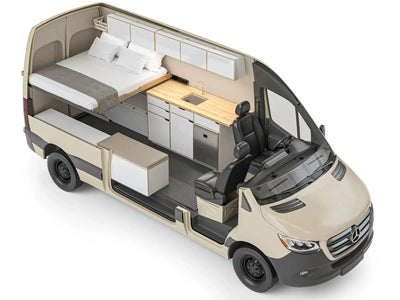
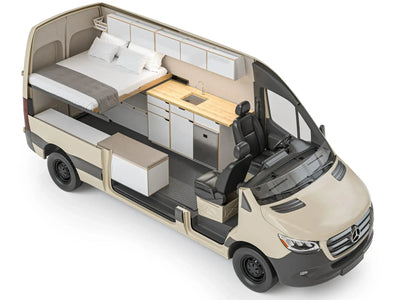
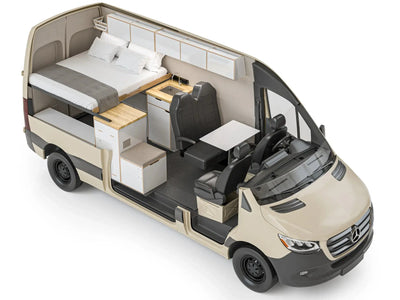
- Toggle between 2D and 3D views to “walk through” your design on screen and catch tight walkways, awkward bed access, or cramped kitchen zones before you build.
- Watch the automatic pricing updates as you add or change features so you can keep your design aligned with your budget from the start.
- Compare different materials and finishes side by side using the platform’s image library to see how colors and textures work together in your specific layout.
- Share your saved design with family members or travel partners so everyone can review the layout and suggest changes before anything is finalized.
Why Use an Online Van Customization Tool?

Traditional van builds require countless face-to-face meetings and changes. Online tools speed up this process a lot. You can explore options at your own pace, compare layouts right away, and see changes in real time.
Online design tools remove guesswork from the design process. Every part has exact sizes and details. Also, pricing updates automatically as you change features, preventing budget surprises later.
The option to design your van online saves weeks of back-and-forth messages. Changes happen right away on screen. Also, you can share designs with family members or travel partners so everyone can help make choices.
Getting Started with Van Customization

Choosing Your Base Vehicle
Van choice affects every later design decision. Transit vans offer the most inside height and width. (Ford)
ProMaster vans provide lower load floors and wider rear doors. (Ram) Sprinter vans deliver premium build quality and good fuel use. (Mercedes-Benz)
Wheelbase length sets inside space and layout options. Standard wheelbases work well for solo travelers or couples. Longer wheelbases fit families or those needing lots of storage and features.
Roof height affects standing room and solar panel power. Medium roofs suit most adults well. High roofs allow full standing height but may limit parking options in urban areas.
Layout Planning Fundamentals
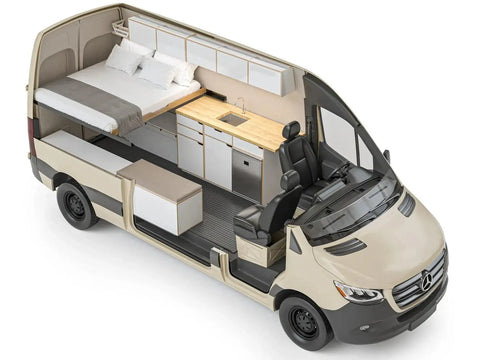
Successful van layouts balance functionality with comfort. Kitchen spot near the entrance gives easy access for outdoor cooking. Bathroom spots toward the rear offer privacy and simple plumbing runs.
Sleeping arrangements drive many layout decisions. East-west beds make the most of headroom but use a lot of width. North-south beds keep aisle space but may limit comfort for taller people.
Storage needs vary a lot between users. Full-time van folks need lots of clothing and gear storage. Weekend warriors put fun gear first over daily items when you design your van.
Navigating Our Interactive Design Platform
User Interface Overview
Our design tool has an easy drag-and-drop layout. Simply select parts from the side menu and place them within your van's footprint. Real-time measurements ensure everything fits properly.
3D views show your design from many angles. Walk-through mode lets you feel the space on screen. This view shows possible issues before building begins.
The materials list contains hundreds of options for every surface. High-quality images show real feel and colors. Compare tools help you judge options side by side in a clear way.
Floor Plan Configuration
Start with major parts like the bed, kitchen, and seating areas. These anchor points set traffic flow patterns. Enough aisle width makes smooth, easy movement throughout the space.
Galley kitchens work well in narrow vans. L-shaped layouts provide more counter space but use extra width. Island setups offer the most workspace but require wider vehicles.
Seating plans should fit your usual travel group. Dinettes change between eating and sleeping setups. Lounge areas put comfort first over space use when you design your van.
Electrical System Planning
Power needs depend a lot on planned use patterns. Weekend trips require small power needs. Full-time living needs strong systems with many charging sources.
Solar panel spot affects both power output and look. Roof-mounted panels provide the most sun but limit roof storage. Portable panels offer more freedom but require daily setup.
Battery size sets off-grid freedom. Lithium batteries cost more at first but offer better power and life. Lead-acid batteries provide enough power for basic needs at lower cost.
Material Selection and Customization Options
Interior Finish Materials
Wall cover options range from basic panels to premium hardwoods. Each material offers different look, strength, and install difficulty. Consider care needs alongside first appearance.
Flooring must withstand dirt, moisture, and constant foot traffic. Luxury vinyl planks provide wood looks with strong wear. Ceramic tiles offer a high-end look but add a lot of weight.
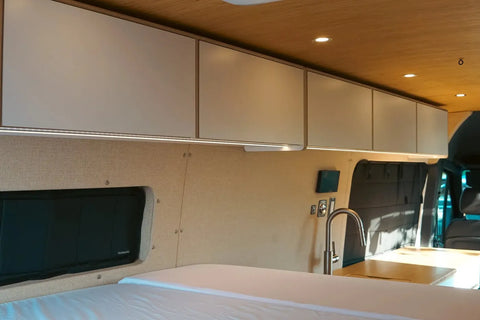
Ceiling materials affect both look and sound. Fabric panels provide sound softening and a soft look. Wood planking creates warmth but needs careful moisture control.
Kitchen Components
Appliance choice balances use with power use. Induction cooktops offer exact control and safety parts. Propane ranges provide instant heat but need vents and gas storage.
Refrigeration options include 12V compressor units, absorption fridges, and classic ice chests. Compressor models offer better power use and temp control. Absorption units run quietly but use more power.
Counter materials must resist heat, moisture, and impacts. Quartz tops provide a high-end look and long life. Laminate options offer great value with modern style when you design your van.
Bathroom Features
Bathroom choice depends on open space and personal likes. Wet baths make the most of space use in small vans. Separate shower and toilet areas provide better use in larger builds.
Toilet options include cassette units, composting systems, and classic RV models. Each type offers different care needs and tank limits.
Sink spot affects both use and plumbing difficulty. Corner installs save space but may limit ease of use. Center spot gives better comfort but uses more valuable space.
Advanced Customization Features
Smart Technology Integration
Modern vans gain from smart home tech. Automated lighting adjusts to time of day and use patterns. Climate control systems keep temps comfortable while watching battery use.
Ready to design your van online with a build that really works on the road? Explore our services to turn your online design into a real-world adventure rig.
Monitoring systems track water levels, battery status, and propane use. Smartphone apps provide remote access to all van systems. This connection boosts safety and ease during long trips.
Security systems protect pricey gear and give peace of mind. GPS tracking helps get back stolen vans. Motion sensors and cameras watch the van when no one is there.
Outdoor Living Spaces
Awnings extend your living space into the outdoors. Manual units cost less but need body effort to open. Electric awnings offer ease but use battery power and add extra parts.
External storage setups keep gear neat and easy to reach. Rear cargo boxes protect equipment from weather. Side-mounted carriers provide easy access without going into the van.
Outdoor kitchens make cooking easy in good weather. Slide-out galleys make the most of counter space while keeping storage small. External grills and burners cut inside heat and smells.
From Design to Reality: The Build Process
Design Finalization and Approval
Once you design your van plan online, our team reviews every detail for what will work and safety. Engineering checks ensure strong structure and code rules. This check prevents costly changes during building.
Material orders happen automatically from your approved design. Our buying team locks in the best prices on all parts. Delivery timing lines up with your build schedule to cut delays.
Progress tracking keeps you in the loop throughout the build process. Photo updates show major steps and finished systems. This clear view builds trust and buzz for delivery day.
Quality Control and Testing
Every finished van goes through full testing before delivery. All systems get working checks under load conditions. Water pressure, electrical work, and appliance use must meet strict standards.
Road testing proves driving feel and system performance. Highway speeds test steadiness and noise levels. Additionally, parking moves check sight lines and handling feel.
Final check covers every detail from fit and finish to safety rules. Our checklist includes hundreds of items to ensure top quality. Only vans meeting all rules move on to customer delivery.
Making Your Dream Van a Reality
The option to design your van online opens up pro van conversion design to everyone. Our platform blends easy use with pro-level tools. You get expert results without needing tech skills.
Interactive tools show options you might never have thought about. Real-time pricing keeps projects within budget limits. Visual feedback makes sure the final product matches your plans just right.
Ready to start planning your perfect van? Our design platform makes the process fun and simple. Begin checking out layouts and materials today to see how easily your vision turns real.
Transform your travel dreams into clear plans with our proven design process. Every successful van conversion starts with solid planning and expert guidance.
Frequently Asked Questions
How do I customize my van online before starting a build?
You can use an online van customization tool that lets you choose your base vehicle, layout, and finishes step by step. The platform shows real-time measurements, 3D views, and automatic pricing updates so you can refine your design before any building starts.
What are the benefits of using an online van customization tool instead of in-person meetings?
Online tools cut down on weeks of back-and-forth by letting you explore options at your own pace and see changes instantly on screen. You get exact sizes, clear pricing, and the ability to share designs with family or travel partners for quick feedback.
How do I choose the right van for a custom camper layout?
Your base vehicle affects height, width, storage, and layout options. Transit vans offer the most interior space, ProMasters have lower floors and wide rear doors, and Sprinters provide premium build quality and good fuel efficiency, so you’ll want to match those traits to how you plan to travel.
What should I think about when planning a camper van layout?
A good layout balances function and comfort by placing the kitchen near the entrance, the bathroom toward the rear, and the bed in a way that fits your height and space needs. You’ll also want to prioritize storage differently if you’re a full-time traveler versus a weekend camper.
How does roof height and wheelbase length affect my van design?
Wheelbase length controls how much interior space you have, with standard lengths suiting solo travelers or couples and longer wheelbases better for families or heavy gear needs. Roof height determines standing room and solar capacity - medium roofs fit most adults, while high roofs allow full standing height but can limit parking options in cities.
About the author

Eugene Smit
CEO
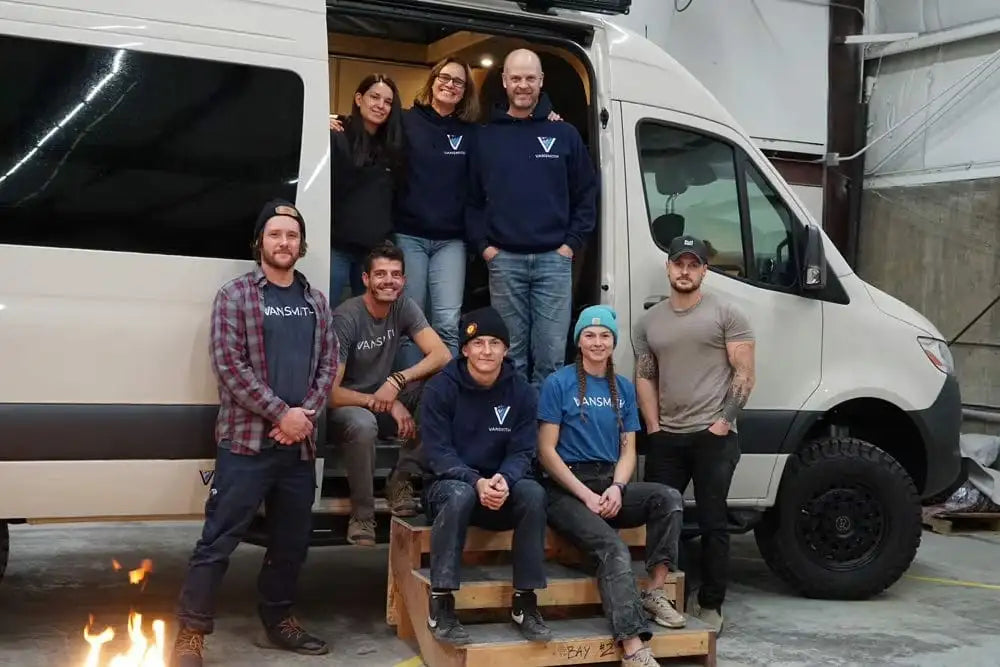
Eugene is the CEO of The Vansmith, based in Boulder, Colorado. He writes across topics related to van builds, ownership, and the camper van industry.
Read more about Eugene