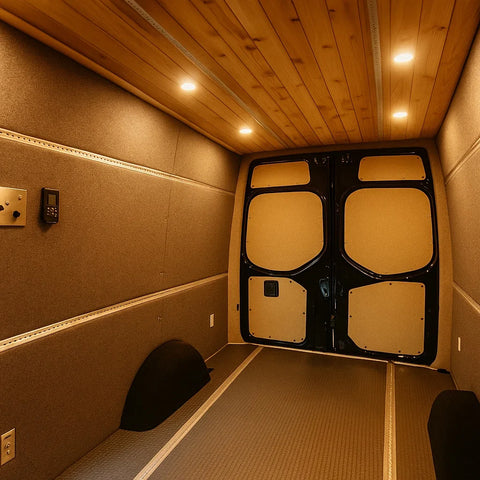
Weight is one of the first things that surprises new owners. How much does an RV weigh, and how does that affect how you drive and plan your trips? It is not just a number on paper. Weight impacts safety, fuel use, and how your vehicle performs over time. Understanding it early helps avoid problems later.
How Much Does an RV Weigh?

RV weight varies widely depending on type and size. Industry data from organizations like the RV Industry Association (RVIA) shows that different classes and towables fall into distinct weight ranges, so your camper or motorhome weight will depend heavily on the style of rig you choose.
Here is a general range:
-
Small campers: 3,000 to 5,000 lbs
-
Travel trailers: 5,000 to 10,000 lbs
-
Fifth wheels: 10,000 to 20,000 lbs
-
Class A motorhomes: 15,000 to 30,000+ lbs
If you are asking how much does an rv weigh on average, most fall somewhere between 5,000 and 20,000 pounds depending on configuration, which aligns with typical ranges cited by automotive guides such as Edmunds. Put another way, the typical recreational vehicle weight for a family-sized camper or motorhome usually lands in this band.
Why Is It Important to Know Your RV’s Weight?

Weight affects more than just driving.
Safety
Overloading reduces braking efficiency and stability. The National Highway Traffic Safety Administration (NHTSA) notes that exceeding load limits can increase stopping distance and the risk of tire failure.
Legal Compliance
There are limits based on vehicle and region.
Fuel Efficiency
Heavier setups consume more fuel. According to the U.S. Department of Energy’s fueleconomy.gov, every additional 100 pounds can reduce fuel economy, especially in smaller vehicles.
Preventing Damage
Exceeding limits can strain tires, suspension, and frame.
Understanding your numbers early avoids long-term issues.
What Are the Common RV Weight Categories?
Different RV types fall into different weight classes, and each style of camper or motor coach has its own typical weight range.
Pop-Up and Teardrop Campers
Lightweight and easy to tow.
Travel Trailers
Moderate weight with more space.
Fifth Wheel Campers
Heavier, designed for stability and space.
Toy Haulers
Built to carry additional gear.
Class B Motorhomes
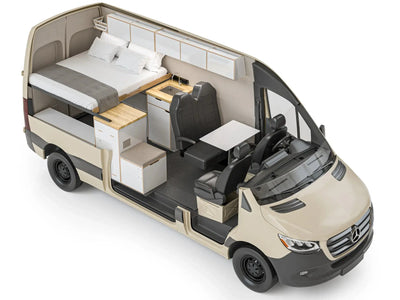
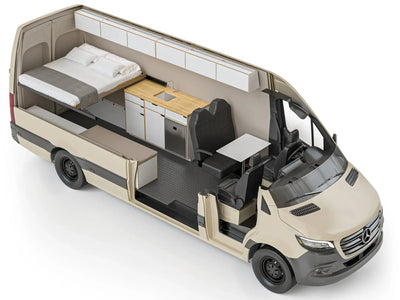
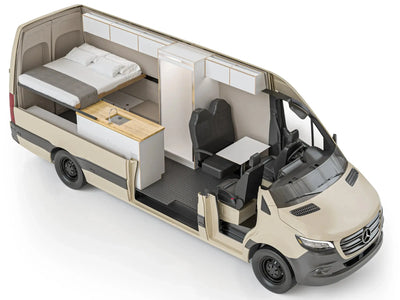
Often lighter compared to larger motorhomes. If you are exploring a Class B camper vans for sale, these are typically easier to manage in terms of weight. For example, many Class B builds on the Ford Transit or Mercedes-Benz Sprinter fall in the 6,000–9,000 lb range, similar to specs published by Ford Transit cargo van and Mercedes-Benz Sprinter platforms.
Class C Motorhomes
Mid-range weight with added living space.
Class A Motorhomes
The heaviest and largest category.
What Are RV Weight Specifications and What Do They Mean?
Understanding terms is essential when you are looking at any camper weight chart or spec sheet.
Dry Weight (UVW)
The weight of the RV without cargo or fluids.
Gross Vehicle Weight Rating (GVWR)
The maximum safe operating weight.
Cargo Carrying Capacity (CCC)
How much additional weight you can add.
Hitch Weight
The weight placed on the towing connection.
Loaded Vehicle Weight
Actual weight when fully packed.
Towing Capacity
How much weight your vehicle can pull safely.
What Are the Key RV Weight Definitions You Should Know?
Some terms appear often.
-
UVW (Unloaded Vehicle Weight)
-
GVWR (Gross Vehicle Weight Rating)
-
CCC (Cargo Carrying Capacity)
-
Hitch Weight
These definitions help you interpret manufacturer specifications and understand how much your rig can safely carry.
How Do You Calculate Your RV’s Gross Vehicle Weight?
The most reliable way is to measure it directly.
Step 1
Load your RV with gear and supplies.
Step 2
Fill fuel and water tanks.
Step 3
Visit a weighing station.
Step 4
Compare your actual weight to GVWR.
This process gives you a realistic understanding of your setup, and it follows the same principles outlined in towing and loading guides from agencies like the NHTSA’s towing safety resources.
How Can You Manage Your RV Weight Safely?
Managing weight becomes part of routine use.
-
Check weight labels inside your RV
-
Stay within manufacturer limits
-
Weigh your setup periodically
-
Avoid unnecessary items
If you are considering a camper van for sale, starting with a well-balanced setup makes weight management easier over time and keeps your camper van weight within safe limits.
What Should You Consider Before Driving an RV?
Driving involves more than just steering.
Vehicle Measurements
Understanding rv width, height, and length is critical.
-
How wide is a rv → typically 96 to 102 inches
-
How tall is a rv → often around 10 to 13 feet
-
How long is a rv → varies from 20 to 45 feet
Clearance and Access
Low bridges and tight roads require planning.
Added Weight
Roof racks and gear increase total load and can quickly push your motorhome weight closer to its limits.
RV Size Chart (Dimensions & Weight Guide)
RV Type |
Length |
Width |
Height |
Average Weight |
|
Pop-Up Camper |
8–15 ft |
7–8 ft |
4–6 ft |
1,000–3,000 lbs |
|
Travel Trailer |
20–30 ft |
8–8.5 ft |
10–12 ft |
5,000–10,000 lbs |
|
Fifth Wheel |
25–40 ft |
8–8.5 ft |
11–13 ft |
10,000–20,000 lbs |
|
Toy Hauler |
20–40 ft |
8–8.5 ft |
10–13 ft |
7,000–20,000 lbs |
|
Class B (Camper Van) |
18–24 ft |
6–7 ft |
8–10 ft |
6,000–9,000 lbs |
|
Class C Motorhome |
20–30 ft |
8–8.5 ft |
10–12 ft |
10,000–14,000 lbs |
|
Class A Motorhome |
25–45 ft |
8–8.5 ft |
11–13 ft |
15,000–30,000+ lbs |
This rv size chart helps compare dimensions and weight across categories and is broadly consistent with ranges you will see in manufacturer brochures and buyer’s guides from publications like Car and Driver’s RV and camper overviews. It is a quick way to estimate typical camper weight before you dive into detailed specs.
What Is the Best Way to Stay Within RV Weight Limits?
Consistency is key.
-
Always stay below GVWR
-
Monitor weight regularly
-
Plan what you carry
Small decisions add up quickly, especially on longer trips. Choosing thoughtfully designed builds, like eco-friendly camper vans or converted camper vans, can also help you stay within safe limits while maximizing comfort and keeping your overall rig weight under control.
Final Thoughts
Understanding how much does an rv weigh is not just about numbers. It shapes how your vehicle performs, how safe it feels, and how far you can go comfortably. Using tools like an RV loan calculator can help you plan smarter, especially when comparing options like a camper van for sale, RV for sale, or more compact Class B camper vans for sale, each with its own typical motorhome weight and running costs.
With the right awareness, managing weight becomes part of the process rather than a limitation. Many owners continue improving their setup over time through Customize Your Van or by adding DIY conversion van kits, parts and accessories, aligning their vehicle with how they actually travel and keeping their camper weight in a safe, efficient range.
FAQs
How much does an RV weigh on average?
Most RVs range between 5,000 and 20,000 pounds, which is the typical recreational vehicle weight for many popular models.
What is the weight of a Class A motorhome?
Typically between 15,000 and 30,000+ pounds.
How much do travel trailers and fifth wheels weigh?
Travel trailers range from 5,000 to 10,000 lbs, while fifth wheels can exceed 20,000 lbs.
What is GVWR in an RV?
It is the maximum safe operating weight of the vehicle.
What does dry weight (UVW) mean in an RV?
The weight of the RV without cargo or fluids.
How do you calculate the total weight of an RV?
By weighing it fully loaded and comparing it to GVWR.
What is cargo carrying capacity (CCC)?
The amount of additional weight your RV can carry.
How much weight can an RV safely carry?
It depends on the GVWR and CCC defined by the manufacturer.