One of the first questions we hear when someone brings their van in is simple: How long will my van be in the shop?
The honest answer depends on the type of work, parts supply, and what we find once we start looking. After more than a decade working on camper vans and small RVs in real Colorado weather, I have learned that good timelines balance speed with close inspection. Quick work that misses hidden issues only creates return visits.
Below is a realistic breakdown of common scenarios and what you can expect.
Minor Maintenance: Same Day to 1 Day

Minor service is usually simple. If parts are in stock and access is clean, these jobs often wrap up quickly.
Routine Maintenance
This includes oil changes, fluid checks, and filter replacements. According to AAA maintenance guidance, sticking to regular service intervals helps prevent larger, time-consuming repairs down the road.
Typical time:
2 to 4 hours.
At The Vansmith, routine service is also a chance to inspect systems tied to road and adventure use. That way, we catch issues before they become repairs.
Basic Brake Work
Swapping pads, rotors, or brake fluid falls into this group if there are no stuck brake parts or deeper system issues. The NHTSA notes that well-maintained brakes are critical for safe stopping distances, especially in heavier vehicles like camper vans.
Typical time:
Half day to full day.
Battery and Bulb Replacements
Swapping chassis batteries, house batteries, and outside or inside bulbs is quick when wiring and access are clean. If you are considering upgrading your power system while you are already in the shop, it can be a good time to look at lithium vs AGM camper van battery options for better off-grid performance.
Typical time:
1 to 3 hours.
Examples
-
Oil service and baseline inspection
-
Brake pad replacement
-
House battery swap
-
Exterior light repair
If nothing unexpected appears, most of these are completed in less than one day.
Moderate Repairs: 1 to 3 Days

Suspension and Steering
Adventure vans see mountain passes, dirt roads, and heavy loads. Suspension parts wear faster than in standard cars and trucks. (NHTSA)
Replacing shocks, control arms, or tie rods typically takes 1 to 2 days. Heavier class B platforms often operate near their gross vehicle weight rating, and manufacturers like Mercedes-Benz list detailed GVWR specs for Sprinter vans, which helps set realistic expectations for suspension wear and service needs.
Cooling System
Radiators, water pumps, and coolant leaks require deeper access. (AAA)
Typical time:
1 to 3 days, depending on complexity.
Diagnostic Deep Dives
Electrical gremlins or on-and-off faults can take time. Whether it’s a Sprinter camper, a Ford Transit camper van, or another class B RV, if a rig has charging issues or odd battery drain, we spend hours tracing circuits (Victron Energy). We test parts carefully before swapping anything out.
Typical time:
1 to 3 days.
Examples
-
Shock and strut replacement
-
Radiator hose repair
-
Alternator troubleshooting
-
Intermittent charging fault
Moderate repairs depend heavily on access and the quality of prior installations.
Major Repairs: 3 to 7 Plus Days
Major mechanical work requires patience and often outside parts.
Engine or Transmission Work
Internal engine or transmission work is heavy labor. It may need pulling parts, taking them apart, machine work, and putting everything back in. For example, Ford’s Transit cargo van specs show how different engine and drivetrain options change complexity, which can influence how long major powertrain repairs take.
For class B camper vans and compact motorhomes that see steady off-grid use, we also look hard at add-on systems when guessing timelines. Roof racks, solar panels, ladders, and awnings can all affect how quickly we can access key parts like wiring runs, roof holes, or body seams. A simple roof leak check might be a few hours on a bare cargo van. Add a full rack, solar array, and fan covers, and that same job can stretch into a full day.
When you book, sharing photos of your roof layout and any major outside add-ons helps us give you a more exact window before you ever pull into the lot.
Inside build quality plays a big role too. Factory class B camper vans and well-planned custom builds often have service access panels, marked wiring, and tidy plumbing runs. That can turn a possible multi-day diagnostic into a one-day repair.
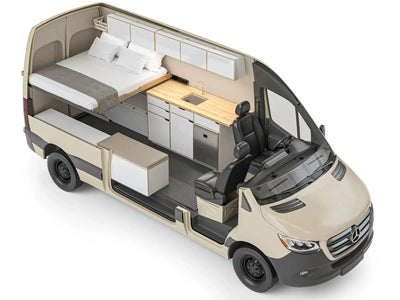
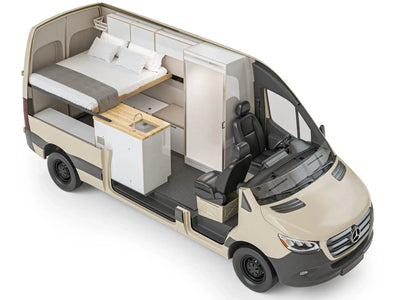
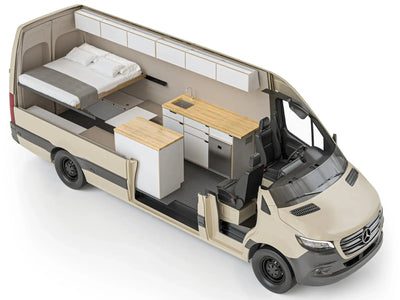
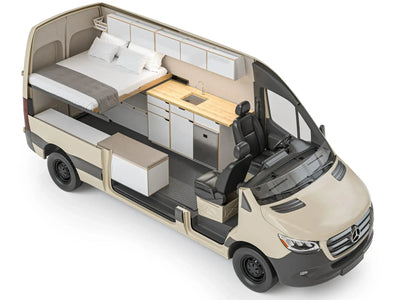
On the other hand, if we have to remove cabinets, beds, or wall panels just to reach a water pump, heater, or junction box, the clock runs longer. When we design and build vans at The Vansmith, we always think about the tech who will be working on it five years from now. Future access is part of the build, not an extra thought.
If you’re trying to plan a trip around shop time, build in a buffer. For minor work, avoid booking your leave the same day you expect to pick up your van. For medium or major repairs, give yourself at least a few extra days on either side of your planned trip.
Class B camper vans are complex, rolling homes. It’s better to find and fix one more issue while you’re already in the shop than to find it halfway up a mountain pass. A little schedule margin keeps your travel plans loose and your stress level low.
Typical time:
3 to 7 days minimum. Sometimes longer if specialty parts are required.
Body Work
Crash repair depends on frame damage and paint matching. Insurance work also affects timing. The NHTSA’s crash test and safety information highlights how structural repairs must meet strict standards, which can extend timelines when frame or safety systems are involved.
Typical time:
Several days to multiple weeks.
Supply Chain Snags
Parts supply still changes timelines. If a certain sensor or transmission part is backordered, your van may wait in the shop longer than planned.
We always prefer to underpromise and communicate clearly if conditions change.
Examples
-
Engine replacement
-
Transmission rebuild
-
Major body panel repair
-
Frame alignment work
These jobs require careful scheduling and parts coordination.
Significant System or Layout Upgrades: 2 to 8 Weeks
If you choose to enhance or change how your van is set up – for example, updating electric systems, water systems, cabinets, or other inside parts – the timeline extends.
This is especially true for work that changes how systems fit together or how the inside works. These projects require staging, testing, and careful order. Industry groups like the RV Industry Association (RVIA) emphasize that RV systems must be installed and tested to specific standards, which adds time but improves long-term reliability.
If you are still thinking about changes to your layout or systems before a trip, it is worth reading ourDesign, Build, and Custom Camper Van page. That overview explains how we plan and schedule inside upgrades with strength and long term ease of service in mind.
Typical time:
2 to 8 weeks, depending on the scope and parts lead times.
What’s the "Van Factor"?
No two vans are the same. Certain features affect labor time.
Size
Larger platforms take more labor hours simply due to scale. High-roof and long-body vans increase wiring runs, plumbing lines, and material use.
Complexity
A van with advanced lithium systems, solar arrays, heaters, or multiple water circuits needs more testing and setup time than a simpler setup. More systems mean more points to check and test.
Before big work, consider reading ourDesign, Build, and Custom Camper Van page. Even if you are not building new, knowing how design choices affect service time helps set expectations.
Pro Tip
Before dropping off your van, note what symptoms are present and under what conditions you see them. Clear notes help techs spot issues faster. Good info can cut testing time and keep your van on the road sooner.
What Can Delay It?
Even planned work can face delays.
Parts Availability
If a part is not stocked nearby, shipping timelines affect completion. Special electric or chassis parts sometimes take longer.
Insurance Approval
For crash or warranty repairs, approval must come before work begins. Waiting on the adjuster review adds time.
Shop Backlog
Good shops often book weeks in advance, especially during peak travel season. Spring and early summer are usually the busiest in Colorado. Booking ahead helps cut surprises.
So How Long Will My Van Be in the Shop?
For routine maintenance, expect same day or next-day turnaround.
For moderate repairs, budget one to three days.
For major mechanical or body work, three to seven days or more is realistic.
For significant system or interior upgrades, several weeks is normal.
After years working with vans that climb passes, handle snow, and travel long distances, I can say this: accurate timelines depend on clear talk and honest checks. The goal is not speed alone. It is getting you back on the road with confidence.
If you are thinking about changes beyond maintenance, you might explore ourDesign, Build, and Custom Camper Van page to see how we plan projects and schedule shop time so that quality and reliability come first.
Frequently Asked Questions
How long are class B camper vans usually in the shop for repairs?
For most class B camper vans, minor maintenance is done the same day, moderate repairs take 1–3 days, and major repairs can run 3–7+ days. The exact time depends on parts availability, how easy it is to access components, and what we find once we start digging in.
How long are class B RVs or camper van conversions usually in the shop for repairs?
Whether you drive a compact motorhome, a class B RV, or a custom van conversion, minor service typically wraps up within a day, while more involved drivetrain or electrical work can keep your rig in the shop for several days or longer if specialty parts are needed.
What counts as minor maintenance on a camper van and how long does it take?
Minor maintenance includes oil changes, fluid checks, filter replacements, basic brake work, and battery or bulb swaps. If parts are in stock and access is clean, these jobs typically take 2–4 hours and are usually finished within one day.
Why do some camper van repairs take several days instead of just a few hours?
Moderate and major repairs often require deeper access, more diagnostics, and sometimes outside machine work or special-order parts. Electrical issues, cooling system work, and engine or transmission repairs all take longer because we have to trace systems carefully and avoid guesswork.
What are examples of moderate repairs on a camper van and their timelines?
Moderate repairs include suspension and steering work, cooling system repairs, and electrical diagnostics. Jobs like replacing shocks or control arms, fixing radiator hoses, or tracking down charging issues usually take 1–3 days, depending on complexity and prior installations.
How do aftermarket accessories affect repair time on a camper van?
Roof racks, solar panels, ladders, awnings, and other add-ons can slow down repairs because they change how we access wiring runs, roof penetrations, and body seams. For example, a simple roof leak check on a bare cargo van might take a few hours, but the same job on a fully outfitted rig can take significantly longer.