One of the easiest ways to create problems on the road is filling an RV water system incorrectly. Over the years, we have helped travelers troubleshoot overflowing tanks, damaged fittings, leaking hoses, and contaminated water systems that started with rushed fill-ups at campgrounds or gas stations.
Learning how to fill RV water tank systems properly helps protect your plumbing, improve water quality, and make off-grid travel much easier.
Why Filling Your RV Water Tank Correctly Matters
A properly filled fresh water system supports:
-
Drinking water
-
Cooking
-
Showers
-
Sink use
-
Toilet operation
Poor filling habits can introduce bacteria, damage fittings, or create unnecessary leaks.
For long road trips and off-grid camping, reliable water access becomes one of the most important parts of daily comfort.
Understanding RV Fresh Water Systems
What Is an RV Fresh Water Tank?
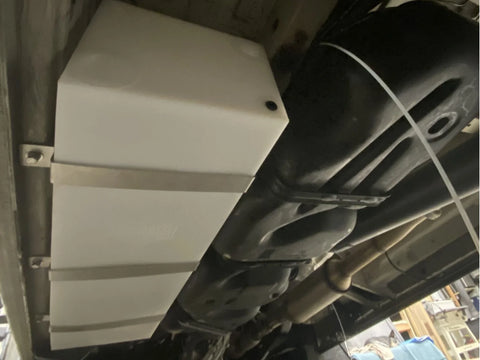
The fresh water tank stores clean potable water for your RV plumbing system.
Most RVs and camper vans use this tank while traveling or camping without direct hookups.
Difference Between Fresh, Gray, and Black Water Tanks
RV water systems usually include:
-
Fresh water tank for clean water
-
Gray tank for sink and shower drainage
-
Black tank for toilet waste
Keeping these systems separate is essential for sanitation.
How RV Water Systems Work
Water flows from the fresh tank through a pump into sinks, showers, and fixtures.
When connected to campground hookups, some RVs can bypass the onboard tank using city water connections.
What You Need Before Filling Your RV Water Tank
After years of servicing vans and RV systems, we strongly recommend carrying a dedicated water kit.
Potable Water Hose
Always use a drinking-safe hose designed for RV water systems.
Regular garden hoses can introduce chemicals and unpleasant taste.
Water Pressure Regulator
A pressure regulator protects plumbing components from excessive campground water pressure.
This small accessory prevents expensive plumbing repairs surprisingly often.
Water Filter
Inline filters improve taste and reduce sediment.
They are especially useful when filling from unfamiliar water sources.
Helpful RV Water Filling Accessories
Useful accessories include:
-
Camco Water Tank Filler
-
Flexible filler tube
-
Water Bandit adapter
-
Hose quick-connect fittings
These tools make filling water tank on RV setups much easier in awkward locations.
Gravity Fill vs City Water Connection
What Is a Gravity Fill Port?
A gravity fill port allows water to flow directly into the freshwater tank using a hose.
These are common on many camper vans and smaller RV layouts.
What Is a City Water Connection?
A city water connection supplies pressurized water directly into the plumbing system.
Some systems also include a power fill setting that redirects city water into the fresh tank.
Which RV Water Filling Method Is Better?
Both methods work well when used correctly.
Gravity fill systems are simple and reliable. City fill systems offer faster filling and direct hookup convenience.
Steps to Fill Your RV Water Tank
Locate the Fill Port
First, identify whether your RV uses:
-
Gravity fill
-
City fill
-
Combination fill system
Check labels carefully before connecting hoses.
Connect the Potable Water Hose
Attach your drinking-safe hose securely to the water source and RV inlet.
Use a Pressure Regulator
Always connect a regulator before turning on water pressure.
Campground water systems can vary dramatically in pressure.
Fill the Tank
Begin filling slowly while monitoring the tank level.
Gravity Fill Method
For gravity fill systems:
-
Insert hose into gravity inlet
-
Turn water on gradually
-
Watch for overflow or tank readings
-
Stop once full
Power Fill / City Fill Method
For city fill systems:
-
Connect hose to city water inlet
-
Adjust valves to tank fill mode
-
Turn on water supply
-
Monitor tank levels closely
Incorrect valve settings are one of the most common causes of confusion when filling water tank in RV systems.
Monitor Water Levels
Most RVs use monitor panels or overflow indicators.
Do not rely entirely on electronic tank sensors because readings are not always perfectly accurate.
Turn Off the Water Supply
Once full, shut off water immediately to prevent overflow and unnecessary pressure buildup.
How to Fill an RV Water Tank Through the Gravity Fill Port
Locate the Gravity Fill Inlet
The gravity fill port is usually located on the exterior sidewall of the RV.
Use a Potable Water Hose
Always use a clean freshwater hose dedicated only to potable water use.
Insert the Hose and Begin Filling
Insert the hose securely and begin filling slowly.
Monitor the Tank Levels
Pay attention to overflow and tank indicators.
Many travelers accidentally overfill tanks by walking away during the process.
Secure the Fill Cap
Once complete, tighten the cap securely to keep dust and contaminants out.
How Long Does It Take to Fill an RV Water Tank?
Average Fill Time by Tank Size
Average fill times vary:
-
Small camper vans: 5 to 15 minutes
-
Mid-size RVs: 15 to 30 minutes
-
Large motorhomes: 30 minutes or longer
Factors That Affect Filling Speed
Several factors influence fill speed:
-
Hose diameter
-
Water pressure
-
Tank size
-
Fill port design
-
Filter restrictions
How Much Water Does an RV Tank Hold?
Small RV Water Tank Capacities
Smaller vans may carry 10 to 25 gallons.
Class B Camper Van Tank Sizes
Most Class B camper vans carry between 20 and 40 gallons.
Large Motorhome Water Tank Capacities
Larger RVs may exceed 100 gallons of freshwater storage.
The ideal water tank for RV travel depends on trip length, shower use, and off-grid camping style.
Tips for Successfully Filling an RV Water Tank
Use a Water Filter
Good filters improve water quality and reduce sediment buildup.
Manage Water Pressure Properly
Too much pressure can damage plumbing fittings quickly.
Tips for Boondocking and Off-Grid Camping
When off-grid, careful water management matters significantly.
We usually recommend:
-
Conserving shower water
-
Monitoring tank levels daily
-
Carrying backup drinking water
-
Refilling before tanks run critically low
How to Locate RV Water Filling Stations
Reliable water fill locations include:
-
RV parks
-
Dump stations
-
Campgrounds
-
Travel centers
Sanitize Your RV Fresh Water Tank Regularly
Regular sanitizing helps prevent bacteria growth and unpleasant odors.
Common Sources for RV Water Fill-Ups
Campgrounds and RV Parks
Most campgrounds offer potable water access.
Travel Centers and Gas Stations
Many larger travel centers include RV water filling station access.
Rest Areas and Visitor Centers
Some rest stops provide potable water stations seasonally.
Municipal Parks and Fire Stations
Small towns occasionally offer public water refill access.
RV Dump Stations With Water Access
Many dump stations also provide freshwater refill points.
Travelers often use an rv dump stations app to locate these services efficiently.
Where Can I Fill My RV With Water?
This is one of the most common questions we hear from first-time travelers.
Free RV Water Filling Stations
Free fill locations may include:
-
Public campgrounds
-
Some rest areas
-
Visitor centers
-
Certain fuel stations
Paid RV Water Refill Locations
Some dump stations charge small refill fees.
Finding Potable Water Near You
Apps and campground directories help locate safe refill stations while traveling.
Emergency RV Water Refill Options
In remote areas, small-town parks or ranger stations may provide emergency water access.
Always confirm the water is potable before filling rv with fresh water systems.
Best RV Dump Station Apps for Finding Water Fill Locations
Several apps help travelers locate water and dump stations.
RV Dump Stations
Large database of dump locations and services.
AllStays Camp & RV
Popular for campground and overnight parking information.
Campendium
Useful for reviews, water access, and signal reports.
RV Dump Sites
Focused specifically on dump and water services.
iOverlander
Widely used among van travelers and overlanders.
Sanidumps
Dedicated dump station directory.
Trucker Path
Useful for travel centers and highway services.
RV Parky
Helpful for route planning and overnight stops.
Key Features to Look For in RV Water & Dump Station Apps
Look for:
-
Offline access
-
User reviews
-
Filtering tools
-
Water availability details
-
Dump station notes
Free vs Paid RV Dump Station Apps
Free apps work well for basic travel planning.
Premium apps often provide better filtering and updated user reports.
Best Free RV Dump Station Apps
iOverlander and RV Parky remain popular free options.
Premium RV Travel Apps Worth Paying For
Frequent travelers often benefit from premium campground and route-planning apps.
Common Problems When Filling an RV Water Tank
Water Overflowing Too Quickly
Overflow usually happens because tanks fill faster than expected or vent systems restrict airflow.
Slow Tank Filling
Slow filling often results from:
-
Kinked hoses
-
Dirty filters
-
Low pressure
-
Restricted fill ports
Leaking Water Connections
Loose fittings and worn washers commonly cause leaks.
Incorrect Valve Settings
Combination city fill systems often confuse new RV owners.
Tank Sensors Showing Wrong Levels
Tank sensors can become inaccurate from buildup and residue over time.
Can You Fill an RV Water Tank at Home?
Yes, and many travelers prefer doing so before leaving for trips.
Using a Residential Water Hose
Use a potable-safe hose whenever possible.
Safe Water Pressure Tips
Home pressure systems can still exceed safe RV plumbing levels, so regulators remain important.
Filling an RV From Well Water
Well water works in many cases, though filtration becomes especially helpful.
Best Practices for Storing Fresh Water in an RV
How Often to Replace Stored Water
Freshwater should be refreshed regularly during storage periods.
Preventing Bacteria Growth
Keep tanks clean, ventilated, and protected from contamination.
Keeping Water Safe During Summer Travel
Hot weather increases bacterial growth risks.
Regular sanitizing matters during extended summer travel.
Important RV Water Filling Considerations
Prevent Spillage and Overflow
Never leave filling water tank on RV systems unattended.
Never Leave the Tank Filling Unattended
Overflowing tanks waste water and may damage nearby storage areas.
Avoid Using Regular Garden Hoses
Only potable-safe hoses should contact drinking water systems.
Always Use a Water Pressure Regulator
This remains one of the simplest ways to protect your RV plumbing system.
Final Thoughts
Learning how to fill RV water tank systems correctly is one of the most important basic skills for RV and van travel. A reliable freshwater system supports daily comfort, safe drinking water, and smoother off-grid trips.
After years of supporting adventure vans across Colorado and the West, we have found that simple habits like using proper hoses, monitoring pressure, and maintaining clean tanks prevent most common water system problems.
Whether you are preparing for weekend trips or longer travel routes, thoughtful water system planning makes life on the road much easier.
If you are exploring a camper van for sale or looking for layouts designed around efficient off-grid systems, thoughtful freshwater storage and plumbing design should be part of the decision early on.
You can also learn more about system planning through Customize Your Van or improve your current setup through practical Service & Upgrades.
Travelers comparing larger rigs and layouts can also explore options through RV for sale and Camper van for sale.
Frequently Asked Questions
Where do I fill up my RV with water?
Most travelers use campgrounds, RV parks, dump stations, travel centers, and public potable water stations.
How do I fill up my RV with water?
Connect a potable-safe hose to the fill port, use a pressure regulator, and monitor the tank while filling.
What size water tanks do RVs have?
Tank sizes range from around 10 gallons in small vans to over 100 gallons in large motorhomes.
How long can you leave water in an RV fresh water tank?
Freshwater should be refreshed regularly, especially during warm weather or long storage periods.
What is the best free app to find RV dump stations?
iOverlander and RV Parky remain popular free options.
What is the best RV campground app?
Campendium and AllStays are widely used for campground planning.
Is the RV Parky app free?
Yes, RV Parky offers free features for route and campground planning.
Are RV dump stations free?
Some are free, while others charge small usage fees.
How much does it cost to fill a water tank in RV?
Many fill stations are free. Paid locations may charge a few dollars depending on water volume and location.
Is Dawn dish soap good for RV black tank?
It is sometimes used by RV owners, though dedicated tank treatments are generally preferred.
Can you fill an RV water tank with a hose?
Yes, as long as you use a potable-safe drinking water hose.