Lake Raystown Resort is a strong base if you want lodging, campsites, marina access, and family amenities in one place. Which option fits you best comes down to how much of your trip will be spent boating, riding Allegrippis, or simply using camp as a place to sleep. For van travelers, the real call is simple: do you want built-in services on-site, or do you want your van to handle more of the comfort while you stay closer to a classic public campground feel?
The photo above shows Raystown Lake from the Hawn's Bridge Overlook in Huntingdon County, Pennsylvania. Raystown is the largest lake located entirely in Pennsylvania, and the U.S. Army Corps of Engineers built it and manages it. (Photo: Rebecca Kidd, U.S. Army Corps of Engineers, public domain)
Is Raystown Resort the right base for your Raystown Lake trip?

The photo above looks over Raystown Lake from the Ridenour Overlook on a winter day when most of the surface was frozen. The Corps notes the lake freezes completely about every five to ten years. (Photo: Melissa Bean, U.S. Army Corps of Engineers, public domain)
Lake Raystown Resort is a privately run resort on Raystown Lake, open seasonally (its 2026 season ran April 17 to November 1). Its own planning pages focus on accommodations, camping, marina access, and family recreation on one property. That makes it different from the larger lake area.
The bigger destination is Raystown Lake as managed by the U.S. Army Corps of Engineers. That wider area includes public campgrounds, boat launches, day-use areas, fishing, hiking, and the Allegrippis Trail System. So if you're planning a trip, you need to separate the resort from the whole region.
For many travelers, the choice is really convenience versus a more classic campground trip. The resort is the easier all-in-one option because lodging, campsites, amenities, and some rentals are grouped together on one property. Public camping is still very much on the table through Recreation.gov's Raystown gateway, including places like Seven Points and Susquehannock.
Van travelers do best when they choose their base around the day they actually want to have. If you'll spend most of your time boating or hanging with family at camp, the resort often makes life easier. If camp is just a launch point for rides and lake access, a self-contained van can make public camping feel just right.
What the resort includes vs. what the lake region includes
The resort's official overview is the best place to see what guests can expect without leaving the property. It puts accommodations, campsites, marina access, and family-friendly recreation front and center. If your goal is to arrive and stop driving, that matters a lot.
The Corps recreation page gives the broader picture. It covers boating, camping, fishing, hiking, and the Allegrippis trail network across the Raystown Lake area. A broader planning view also shows up on the Raystown Lake Region tourism site, which presents Raystown as a multi-activity base with boating, swimming, lodging, and a 36-mile trail system.
If you want to piece together your own trip from public facilities, Recreation.gov is usually a better planning tool than the resort site. It shows the wider campground network and helps you compare public options around the lake. If you want one property that bundles the basics, the resort site is more useful.
This split matters even more in a camper van. A self-contained build can make public camping feel easy because your bed, kitchen, and storage come with you. Travelers without those built-in systems often end up liking resort infrastructure more, especially on longer stays.
Who Raystown Resort fits best
Families are the clearest fit for the resort model. The official resort pages describe cabins, campsites, beach access, and easy add-on recreation, which tends to work well when one group wants a little of everything. That can take pressure off parents who don't want to drive all over the lake each day.
Travelers who want to mix boating with relaxed time on-site may also lean resort. The resort's guest planning materials mention marina access and rental-oriented amenities directly, so the stay and the lake day connect more cleanly.
Mountain bikers can absolutely use the resort as a comfortable base, but the Allegrippis system is part of the broader recreation area, not a resort-only amenity. Riders should think first about trail access and daily logistics, then decide if resort comfort is worth it.
Hookups do not decide this one as much as you might expect. The resort's RV sites have water, 30 amp electric (limited 50 amp), Wi-Fi, and cable, but no sewer hookups, only a dump station. At the Corps campgrounds, nearly all Seven Points sites have electric hookups and a dump station is nearby, while Susquehannock is all non-electric.
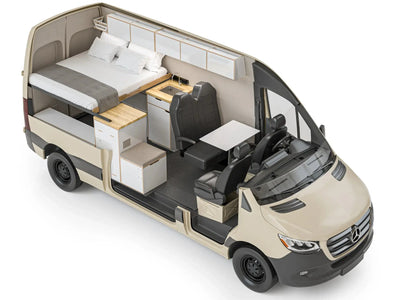
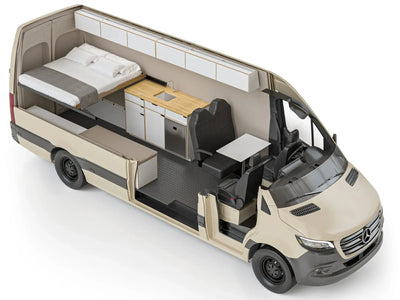
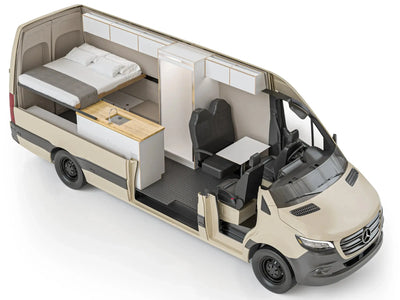
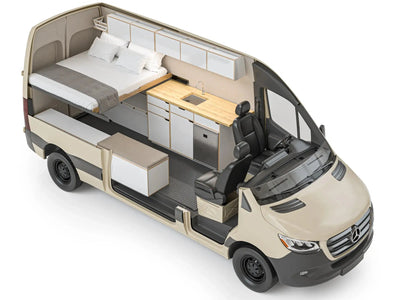
Couples in compact vans often do best when they pick their stay around activity priorities first. A well-laid-out van can cut the need for bigger lodging if most of the day is spent on the lake or the trails. Families usually need more margin for weather, gear, and downtime, which is why storage and sleeping flexibility matter so much on trips like this.
Raystown Lake camping and lodging options compared
The resort's rates page is the best source for current stay categories and trip details. That's where travelers should check availability and current accommodation types instead of leaning on third-party summaries.
One reason the resort appeals to mixed groups is that it supports more than one stay style. That mix can make group planning easier when not everyone wants the same level of comfort.
The resort FAQ helps with practical details that shape packing and cost. It covers things like campsite policies, pet rules, linens in certain rental units, and boating-related expectations.
Public camping near the lake is still a real alternative, not a backup plan. Recreation.gov makes that clear by pointing visitors to reservable public campgrounds such as Seven Points and Susquehannock. For van travelers, the main trade-off is comfort versus flexibility. Cabins cut setup time, while campsites and camper vans make it easier to move around the lake.
On multi-day lake trips, sleeping capacity, wet gear storage, and indoor hangout space matter more than many first-timers expect. When bikes, paddlesports gear, and family stuff pile up, storage efficiency can matter as much as square footage.
Resort lodging and campsite choices
The resort homepage presents overnight options that include camping and roofed stays. That makes it useful for RV campers, tent campers, and guests who want a cabin-style setup on the same property. For a family trying to keep everyone happy, that flexibility can be a real plus.
The FAQ also notes which rentals include linens (yurts, cottages, bungalows, and villas do, while the Pine and Maple cabins offer linen packages for a fee). That changes what you need to pack, and it changes how a cabin compares with bringing your own van.
Pet rules also live in the FAQ, so travelers bringing dogs should check before booking. That goes for campsites and rental units alike.
Travelers who want fewer moving parts often lean toward a cabin or rental unit. Van travelers who already carry beds, kitchen gear, and weather protection usually feel more at home in a campsite. On trips with kids or mixed-age groups, the easiest stays are often the ones with the least setup and teardown after a wet day at the lake.
Public camping around Raystown Lake
Recreation.gov's Raystown gateway is the official federal booking hub for public camping around the lake. It links visitors to reservable campground options and gives a clearer view of the broader public network.
Seven Points and Susquehannock are two concrete public options called out through that gateway. The Corps page backs up the bigger idea here: Raystown has enough recreation infrastructure that you can build a full trip around public facilities, not just the resort.
Public campground users should expect a more classic federal recreation feel. You get access and a campground setting, but not the same bundled resort-style amenity mix. For self-contained vans, that can be a better value because you're less dependent on rental-unit features and more focused on location.
Boat rentals, marina access, and on-water planning
The resort FAQ lists pontoon boat rentals among its activities, and the resort runs a full marina.
The resort amenities page also confirms on-site paddleboard and pedal boat rentals through Portside Rentals. That's useful for travelers who don't want to trailer their own gear or fill the van with bulky water toys.
Raystown Lake is also a major boating destination in the wider sense, and the Corps page is the best source for understanding lake-wide boating access. So you can plan a resort-centered boating trip, or you can build a more DIY trip around public access points across the lake.
Travelers without a tow vehicle often get more value from staying where rentals are easy to reach. For van travelers, boating also exposes weak storage planning fast because life jackets, wet towels, paddles, and lake shoes need their own places away from bedding and food.
A mixed-use destination like Raystown shows why layout matters. One day can include trail riding, swimming, and evening camp time. A van that keeps gear sorted is a lot easier to live in than one big pile of damp stuff.
What you can rent on-site
On-site rentals help most on shorter trips. You can arrive with less stuff and still spend real time on the lake, and couples in smaller vans often like that trade because it frees up interior space for camp comfort instead of bulky watersports gear. Check the resort site for current rental availability, since it changes by season.
How to choose boating access for your trip style
If convenience is your top goal, the resort deserves a hard look. Its planning materials combine stay details with boating references and on-site amenities, which makes trip planning more direct.
If you're building a broader lake itinerary, use the Corps page to understand public recreation access beyond the resort footprint. The regional tourism site supports that wider planning style by presenting Raystown as a destination for boating, swimming, and multi-day recreation, not just a single-property stay.
If your trip is mostly about the lake, stay close to rentals or launch access. If it's mostly about biking with one lake day mixed in, put trail logistics first.
How the Allegrippis mountain bike trails change the trip
The Allegrippis Trail System is one of Raystown's biggest draws for mountain bikers. The Corps includes it in the lake's official recreation offering, which tells you the trails are a core part of the destination.
Pennsylvania DCNR describes Allegrippis as a premier singletrack mountain biking system in the eastern United States, designed by mountain bikers and built by the International Mountain Bicycling Association (IMBA). DCNR lists the system at about 30 miles across 24 trails, while the regional tourism site calls it a 36-mile trail.
This is why Raystown stands out from a lot of lake destinations. You can boat and swim, then ride a notable trail system on the same trip. For many active travelers, the trails become the deciding factor in where to stay because daily access, showers, and gear control matter more than generic resort perks.
Bike-heavy trips expose layout flaws fast. Muddy shoes, helmets, pads, and repair gear need dedicated storage if you want the van to stay livable for several days. A good setup lets you ride in the morning, hit the water later, and come back to an organized camp.
What makes Allegrippis notable
Purpose-built trail systems like this are rare at lake destinations. Either mileage figure is enough terrain to justify a riding-focused trip on its own, not just one loop tacked onto a lake weekend. For riders traveling in vans, the best setup is usually the one that keeps bikes and dirty gear from taking over the sleeping zone.
How to pair biking with camping or resort stays
Travelers mixing biking and lake time should choose lodging based on what they want most each day. Trail access, on-water ease, and family downtime are not always in the same place. Picking one priority first makes the stay choice much easier.
The resort can work well for riders who want a more comfortable base after long trail days, especially if the group includes non-riders who want beach or boating time. Public camping can make more sense for riders who care more about straightforward basecamping and already have a self-contained setup.
Mountain bike groups often do better with simpler camps and cleaner logistics than with amenities they barely use. Couples can often get by with a compact but organized layout. Families usually run into the same issue by day two: where do all the bike things go?
Best time to visit Raystown Resort

The photo above shows a bald eagle nest in a tree along Raystown Lake, taken by the Corps near Tatman Run Recreation Area during the lake cleanup day on May 2, 2026. Spring brings new leaves and wildlife back to the shoreline before the summer boating season. (Photo: Jeremy Todd, U.S. Army Corps of Engineers, public domain)
The best time to visit depends on what kind of trip you want. The resort itself is seasonal (its 2026 season ran April 17 to November 1), while the Allegrippis trails and parts of the public recreation area stay open longer. Boating, camping comfort, and mountain biking don't all peak in the same way.
Travelers who want the fullest lake-and-resort feel should expect warm-season months to line up best with beach time, paddle rentals, and pontoon outings. Riders may prefer shoulder seasons because Allegrippis is worth the trip even when beach weather is not the main draw.
Booking timing matters either way. Resort inventory and public campsites both run on reservations, so it makes sense to check the resort rates page and Recreation.gov well ahead of popular weekends.
For van travelers, late spring and early fall, while the resort and campgrounds are open, often hit a sweet spot. Cool nights are easier to sleep through than hot, humid ones, especially if you're not leaning on shore power. Summer is often best for families focused on swimming and boating, but it puts more pressure on shade, ventilation, and gear control inside the van.
The right season also comes down to your van systems. Strong ventilation, bug control, and organized storage widen your comfort window more than most new travelers expect.
Best season for boating and beach time
The resort amenities page highlights beach access and paddle-related rentals, which points clearly to warm-weather visits for travelers who care most about on-water time. The FAQ's mention of pontoon rentals supports the same idea. Summer is the natural fit for the classic lake trip.
The regional tourism site also presents boating and swimming as central Raystown experiences. If your goal is classic family lake time, plan around when you actually want to be in and on the water, not just when school is out.
For camper van trips, hot-weather comfort depends a lot on ventilation, shade, and whether the layout can keep wet gear from soaking everything else. Travelers who want peak summer resort energy should book early and leave a little flexibility in the plan because rentals and campsites can get tight.
Best season for riding and quieter camping
Because Allegrippis is a major draw on its own, Raystown makes sense outside peak summer for riders whose top goal is trail time. The Corps page supports that wider view by framing Raystown as a broad recreation area, not just a beach destination.
Public campground planning should still run through Recreation.gov because availability and operating details vary by season. Lake levels change too: the Corps scheduled a maintenance drawdown from October 2026, lowering the lake from 786 to 778 feet by November 9 and keeping it low through most of January 2027, so check its notices before planning a late-season boating trip.
Riders usually care more about a dry place to reset, charge devices, and sort gear than about extras they won't use. If this kind of active trip is part of your regular travel rhythm, a purpose-built layout matters more than occasional campground lounging. If you want to talk through a build for trips like this, contact us.
FAQ
Is Raystown Resort the same as Raystown Lake?
No. Lake Raystown Resort is a privately run, seasonal resort with its own accommodations, campsites, and amenities, while Raystown Lake is the larger recreation area managed by the U.S. Army Corps of Engineers. That matters because you can stay at the resort or book public camping elsewhere around the lake through Recreation.gov. Your stay choice and your lake destination are related, but they are not the same thing.
What lodging options are available at Lake Raystown Resort Pennsylvania?
The resort offers both camping and roofed accommodations, and the resort's rates page is the best place to confirm current stay categories and booking details. The FAQ also helps with practical planning because it covers items like linens in certain rental units and pet-related rules. Those small details can change what you pack and how you compare a cabin stay with bringing a camper van.
Can you rent boats at Raystown Resort?
Yes. The resort FAQ references pontoon boat rentals, and the amenities page confirms on-site paddleboard and pedal boat rentals through Portside Rentals. That makes the resort a practical base for travelers who want time on the water without bringing their own boat or paddlesports gear.
Are the Allegrippis trails worth building a Raystown Lake camping trip around?
Yes, especially for mountain bikers. Pennsylvania DCNR describes Allegrippis as a premier singletrack system in the eastern United States, built by IMBA, with roughly 30 to 36 miles of trail depending on the source. That gives Raystown a second identity beyond boating, which is why many active travelers plan the stay around ride access first.
When is the best time to visit Raystown Resort?
Summer fits best for travelers focused on boating, swimming, and beach time, since the resort highlights beach access and paddle-related rentals. Late spring and early fall can be especially appealing for riders and camper van travelers who want cooler sleeping temps and a trip built more around Allegrippis than peak lake activity. The best season depends less on the calendar and more on what kind of days you want to have.
About the author

Electra Chronis
Head of Marketing
Electra leads marketing at The Vansmith. She writes across van life, camping and travel, from planning a trip to choosing and building the van that gets you there.
Read more about Electra