Hot springs near me usually means choosing between two very different trips: a developed soak with amenities, or a natural spring with very few services. Which one fits you depends on access, comfort level, fees, and whether you need a legal place to stay nearby after dark. For van travel, that matters more than raw distance on a map. The best stop is often the one with simple logistics, safe soaking, and a clear overnight plan.
How to choose the right hot springs near me

The photo above shows the rock-lined soaking pools in Chalk Creek beside the developed resort at Mount Princeton Hot Springs in Colorado, a good example of a spring that offers both a managed pool and a more natural soak.
Most official guides split hot springs into two groups: developed and natural. Visit Idaho uses the same split, and it helps right away. You know what kind of day you are planning before you even open the map.
Developed springs usually have managed pools, showers, restrooms, posted rules, and an entry fee. Natural springs may sit on public land with little or no sanitation system, no staff, and no built in help if the site is crowded or muddy.
For van travelers, the first filter is access type. A drive up day use stop feels very different from a short trail soak. Both are easier than a longer hike in spring that turns into a full outing. This one choice shapes the whole day more than the spring's online hype.
Public land springs add one more layer. The Bureau of Land Management notes that camping rules vary by field office. So overnight use depends on the managing agency, not on what other travelers did last weekend. That is why our simple filter stays the same: natural or developed, road or trail access, fee or free, and legal overnight options nearby.
Natural vs. developed hot springs
Visit Idaho's hot springs guide makes the split pretty clear. Developed springs are often private or commercial spots with amenities and fees. Natural springs are commonly on public land and offer far fewer comforts.
The sanitation side is a major difference too. The Hot Springs Association sanitation guide spends a lot of time on bathing habits and water quality in managed facilities. That tells you what developed sites are set up to control. Natural pools usually do not have that same system in place.
Conditions can also change a lot at wild springs. Visit Idaho notes that runoff and season shifts can affect both water level and temperature. So a pool that felt mellow in fall may feel very different in late spring. That's easy to overlook.
Visit Utah leans hard on stewardship for natural sites, while developed springs tend to post and manage rules on site. Travel Oregon also shows how broad the category can be, from resort soaking to rustic pools. Readers who search for natural hot springs often picture free and easy, but free rarely means simple. You may get rough roads, a trail walk, no changing area, and no promise that the water will feel just right.
What van travelers should check before they go
If you're planning to sleep nearby, check the overnight rules first. The BLM says camping on public lands can mean developed campgrounds or dispersed spots where allowed. But the local rules decide what is legal at that exact place.
A good example is Kirkham Hot Springs Day Use Area. It is legal to visit, but the listing makes clear that overnight camping at the spring itself is not allowed. Miss that one detail, and a fun soak can turn into a frustrating late night parking search.
Access can change with the season too. Visit Utah warns that winter gate closures at Fifth Water can add mileage, so the hot spring closest to me on your phone may not be the one with the shortest real drive and walk that day. Not always.
Official tourism pages also tend to note things social posts skip, like reservations, disability access, and best season. It helps to screenshot maps, passes, and gate notes before they leave town because cell service near springs is often weak. If the soak is hike in, think about the walk back to the van in wet clothes, colder air, and fading light. A heated van and dry gear storage help a lot there, and you can see related cold weather upgrades on our van build blog.
Safety and etiquette for hot springs to soak in

The photo above shows a rock-lined natural pool beside the Middle Fork of the Salmon River in Idaho. Natural pools like this have no staff or posted rules, so safety and etiquette are up to you. (Photo: USDA Forest Service)
Safe soaking starts with water temperature. The CDC says hot tub water should not be hotter than 104 degrees Fahrenheit. That is the clearest national benchmark to use when you size up a soak.
The CDC also advises people not to swallow the water, to shower before getting in when possible, and to avoid soaking when sick with diarrhea. Alcohol needs caution too, because heat and dehydration can stack up fast in hot water. Short soak. Cool off.
Natural sites need even more care. Visit Utah tells Fifth Water visitors not to dunk their heads, not to drink the water, to pack out trash, to keep pets out of the pools, and to watch for bacteria advisories. Visit Idaho also notes that natural springs can shift with runoff and season, so you should never assume the pool will feel the same as it did on a past trip.
Etiquette and safety are tied together. Cleaner bodies, quieter behavior, and less contamination make the soak better for everyone and put less stress on fragile sites. Families and first time soakers usually do better with shorter sessions and cool down breaks than with an all evening soak.
Temperature and health precautions
That 104 degree mark matters most when you stay in for a while. The CDC uses it because hotter water raises the risk of overheating and other heat stress, even if the first few minutes feel fine.
The CDC also advises extra caution for pregnant people in hot water settings. It also warns against alcohol use in hot soaking environments, since heat plus impaired judgment is a rough mix.
Natural hot springs may not post temperatures, and they usually do not control mixing the way managed pools do. Enter slowly and test the water first. A spring with several pools or channels can vary a lot from one pocket to the next. The best spot is often not the first one you reach.
Cold weather adds one more layer. After a hot soak, people get chilled fast once they step back into wind or snow. In shoulder season, a van with heat, dry clothes, and a place to sort wet gear can save the end of the day. That is part of why many buyers look at our Foundation builds before planning longer cold weather trips.
Soaking etiquette that protects the place
The basics are simple and they matter. The Hot Springs Association guide says to shower before entering shared water and to skip lotions, oils, and sunscreen in the pools because those affect water quality.
Visit Utah's Fifth Water guidance adds Leave No Trace, packing out trash, and keeping pets out of the pools. Visit Idaho also stresses stewardship at natural springs, which really means not contaminating the water and respecting the site you came to enjoy.
Travel Oregon includes etiquette in its own roundup too, which is a good reminder that behavior is part of trip planning, not a side note. Noise control matters more than many people expect. A quiet soak is a big part of why people drive out to natural springs in the first place.
If a site posts clothing, bathing, or time limit rules, follow the local standard. Every spring works a little differently. If you're still sorting out how your van setup handles wet gear and changing space, our DIY blog can help you think through the basics before the next trip.
Regional guide: where to find a hot spring near me

The photo above shows a waterfall spilling into a soaking pool at Goldbug Hot Springs in Idaho, a hike-in spring on public land. (Photo: Bureau of Land Management)
A regional guide works better than a national top 10 list for this topic. The strongest regions for a road trip are Utah and the Intermountain West, Idaho and the Rockies, and Oregon and the Pacific Northwest. That gives you realistic options by travel corridor instead of pretending one list fits everyone.
It also matches how people really search. Someone typing hot spring near me or hot spring closest to me usually wants a workable option within a region they can drive this week, not a famous spring two states away.
For van travel, region changes the overnight plan fast. Public land springs in the West often need more thought than resort or town adjacent developed springs, especially if you want to soak late and park legally after.
If you're building trips from Colorado, Utah, Idaho, and Oregon line up well with the way many Mountain West van routes unfold. Travelers starting with a custom build often browse our Customize your van page early because route style and overnight habits shape the right layout.
Utah and hot springs near Salt Lake City
For readers searching hot springs Salt Lake City, Fifth Water Hot Springs is one of the best known natural options in Utah Valley. Visit Utah's Fifth Water page describes it as a popular natural destination. That makes it one of the most relevant examples for Wasatch Front trip planning.
It is not a simple roadside soak, though. Access is trail based, and winter gate closures can add mileage. Seasonal conditions can change the whole outing. For Salt Lake City readers, the real choice is often between a hike to soak day like Fifth Water and a developed spring elsewhere with easier access and more amenities.
Because it is a natural spring, you should expect fewer amenities and more stewardship duties. Visit Utah also advises visitors to watch for bacteria advisories, avoid drinking the water, and avoid dunking their heads.
Trips like this are where van storage earns its keep. If your day starts in the city and ends at a trailhead, dry space for towels, sandals, and warm layers makes the return much smoother. Couples planning that kind of use often look at layouts like the DUO XL for simple post soak living.
Idaho and the Rockies
Idaho is one of the strongest hot spring states for trip planning because the official guide is practical. Visit Idaho separates natural and developed springs and also covers access, seasonality, reservations, and etiquette.
That season piece matters a lot in shoulder season. Visit Idaho notes that spring runoff can change both water levels and temperatures at natural springs. So conditions may not match the photos you saw from another month.
The guide also helps with details many roundup posts skip, like disability access and stewardship. Those details often matter more than popularity, especially if you are planning around kids, older family members, or a tight travel day.
Kirkham is the best reminder to check official rules before you go. Recreation.gov lists it as day use only with no overnight camping at the hot spring itself. For Idaho road trips, many travelers assume a famous spring means easy van parking overnight. It doesn't. Families looking for more sleeping room on these longer routes often start with our family vans.
Oregon and the Pacific Northwest
Oregon gives you a nice split between convenience and remoteness. Travel Oregon's hot springs guide includes both developed soaking spots and more natural spring experiences.
That mix is useful if you want to choose your comfort level instead of chasing one type of trip. The guide also notes where some destinations have nearby camping or lodging. That is much more useful than just naming a scenic spring.
Etiquette shows up here too. Travel Oregon includes behavior guidance in the roundup, which reinforces the same point seen in other state guides: scenic springs still need care and respect.
For couples, Oregon often works well as a two part trip with one polished soak and one more adventurous stop. When a spring has nearby lodging or campground options, that is often the better call than improvising parking late. If that kind of trip is your sweet spot, our vans for couples page is a good place to compare layouts.
Fees, passes, and overnight parking rules

The photo above shows steam rising off the stone pools at Strawberry Park Hot Springs near Steamboat Springs, Colorado, a developed spring that charges admission.
One of the biggest mistakes people make is assuming free entry means free overnight parking. Official sources show those are two separate questions, and the answer to the second one can make or break the stop.
Developed hot springs are more likely to charge admission because they run managed pools and amenities. Natural springs on public land may be free to soak in, but parking and camping can still be regulated by the managing agency.
The BLM explains that camping on public lands can include developed campgrounds or dispersed camping where allowed, but local rules still control the site. Travel Oregon helps in a different way by sometimes naming nearby camping or lodging. That is exactly the kind of detail van travelers need.
The ideal stop is not always the cheapest one. It is the spring with clear legal overnight options nearby, especially if your soak runs late. If you're planning a longer build around that kind of travel, our process page shows how trip habits shape the finished van.
What official sources say about camping
The BLM says camping on public lands may happen in developed sites or dispersed settings, depending on local management. Because many natural springs sit on or near public land, overnight parking can depend on which agency or recreation area manages that exact spot.
That means the official page is your best source for whether dispersed camping is allowed, limited, or banned nearby. A roadside turnout is not automatically a legal overnight site just because other rigs used it before.
If sleeping nearby is the goal, pick springs where the official source names a campground, lodging option, or designated public land site. This matters even more for families and winter travelers, when a bad parking plan is more than an annoyance.
Readers who already own a van often solve this with upgrades instead of a new build. We regularly help with heaters, vent fans, and other cold weather items through project planning that starts on our contact page.
Case study: Kirkham and day-use-only rules
Kirkham Hot Springs Day Use Area is a strong example because the rules are plain. Recreation.gov identifies it as a pass managed site in Idaho, and the listing states that it is day use only.
It also states there is no overnight camping at the hot spring itself. Parking enforcement is active, and visitors are told not to park outside designated areas.
That detail changes the spring from an easy overnight van stop into a same day detour that needs a separate camping plan.
For road trips, build the overnight around a legal campground or another approved campsite, not around the spring lot. That habit saves stress and usually leads to a better evening anyway.
Planning the trip from van to soak

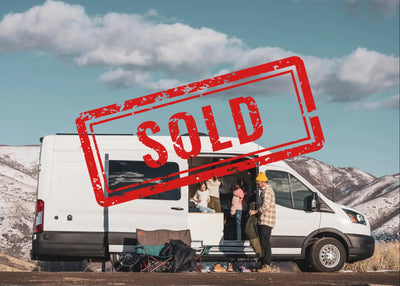
The photo above shows a traveler with gear ready at the side door of a camper van, the setup that makes a spring day easy to pack for and easy to recover from.
The best hot spring stop for van travel usually balances four things: manageable access, safe water temperature, clear etiquette, and legal overnight options nearby. Keep those four things in view and most trip choices get easier.
Developed springs are often the easier pick for families, first time visitors, or anyone arriving late because the rules and amenities are clearer. Natural springs can reward more effort with a quieter setting, but they ask more from you in route planning, changing, trash handling, and water safety.
Travel Oregon and Visit Idaho both show that some springs work better as full road trip anchors than quick detours because lodging, campgrounds, and reservation details shape the day. For shoulder season, a heated van, dry gear storage, and a simple place to reorganize after the soak can matter as much as the spring itself.
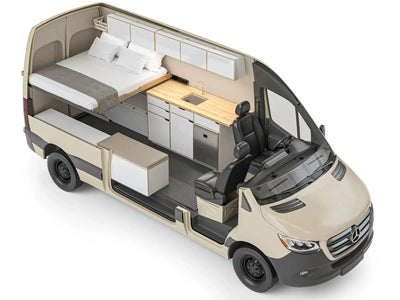
That is one reason this topic connects so well to how people actually use camper vans. Ready-built Bivy models take about 8 to 10 weeks and tailored builds about 12 to 16 weeks, and layouts like the Duo and Family are built around four season travel rhythms, not just summer campground use.
| Model | Platform | Starting price |
|---|---|---|
| Duo | Sprinter | $115,950 |
| Duo | Transit | $113,950 |
| Family | Sprinter | $120,950 |
| Family | Transit | $118,950 |
That sounds like a lot of money for a soak trip. It is. But if hot spring road trips are a real part of how you travel, the price gap is really about living well in cold, wet, shoulder season conditions, not about the soak alone.
Best fit for couples, solo travelers, and families
Couples and solo travelers often do best with a mix. One managed soak gives you ease, and one natural site gives you the quieter, more adventurous day many people want from the trip.
Families usually have a smoother time at developed springs where bathrooms, changing areas, and clearer rules reduce stress. Trail accessed springs like Fifth Water can be memorable, but they need more planning for kids, wet gear, and fast changing weather.
If your trips center on frequent shoulder season soaking, heat and ventilation matter more than many buyers expect. We regularly install and service heaters, vent fans, awnings, window coverings, and other upgrades that make cold weather soak trips much easier.
If you already own a van, service work may be the smart next step before a hot springs heavy season. Readers comparing platforms for that style of travel often start with our Sprinter conversions and Transit conversions pages.
A quick pre-trip checklist
Use official tourism, agency, and reservation pages as your final check before you leave home. They are far more reliable than generic lists for access, fees, and overnight legality.
A simple checklist works well: access type, current season, fee or pass, water safety notes, and a legal overnight option nearby. If you are searching hot springs near me or hot spring closest to me, start with the nearest region, then narrow by natural or developed and by overnight needs.
If your trips are built around cold weather soaking, the practical next step may be van prep, not more research. Heaters, suspension upgrades, and available layouts all make a difference once the weather turns and the trailhead lot is slushy.
The Vansmith's Boulder base makes Utah, Idaho, and the broader Mountain West a natural fit for many road trips. In the end, the best hot spring is the one you can reach legally, enjoy safely, and leave cleaner than you found it.
FAQ
How do I find the best hot springs near me for a van trip?
Start by sorting springs into natural or developed. Then confirm access type, fees, and whether overnight parking is legal nearby. Official pages from Visit Idaho, Visit Utah, Travel Oregon, BLM, and Recreation.gov are usually the best final check because they note things like day use only rules and seasonal access changes.
Are natural hot springs safe to soak in?
They can be, but they are less controlled than developed pools. The CDC says hot water should not be hotter than 104 degrees Fahrenheit, and official guidance also says not to swallow the water and to use caution with alcohol. Natural pools can also have variable temperatures and occasional bacteria advisories, so you need to check current conditions.
Can I sleep in my van near a hot spring?
Not always. Some places allow soaking but do not allow overnight parking or camping at the spring itself. Kirkham is a clear example because Recreation.gov lists it as day use only with no overnight camping at the hot spring.
What should I know about hot springs Salt Lake City options?
One of the best known natural options is Fifth Water Hot Springs. It is not a simple drive up soak, and winter gate closures can add mileage. Visit Utah also advises visitors to avoid drinking the water, avoid dunking their heads, follow Leave No Trace, and watch for bacteria advisories.
What is the difference between natural hot springs and developed hot springs?
Developed springs usually have managed pools, amenities, and fees. Natural hot springs are often on public land with fewer services and more variable conditions. Visit Idaho notes that developed sites may offer amenities and reservations, while natural pools can have changing water levels or temperatures.
What kind of van setup makes hot spring road trips easier?
For shoulder season or winter soaking, heat, dry storage, ventilation, and simple organization matter more than flashy extras. Travelers get the most value from reliable heaters, vent fans, and layouts that make it easy to change, dry gear, and warm up after a soak. Those basics make repeat trips much easier.
About the author
Electra Chronis
Head of Marketing
Electra leads marketing at The Vansmith. She writes across van life, camping and travel, from planning a trip to choosing and building the van that gets you there.
Read more about Electra